Hailey Morgan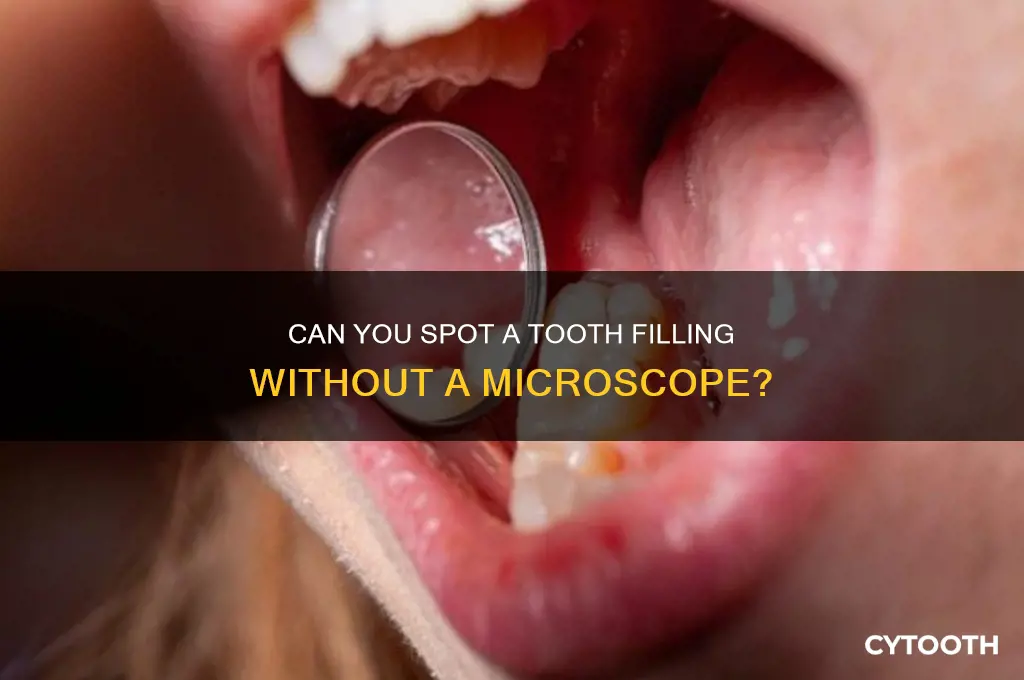
The visibility of a tooth filling without the aid of a microscope is a common curiosity among patients and dental enthusiasts alike. While modern dental fillings are designed to blend seamlessly with the natural tooth structure, their detectability largely depends on factors such as the type of filling material used, its location, and the observer's proximity. Amalgam fillings, for instance, are typically silver and more noticeable, whereas composite resin fillings can be color-matched to the tooth, making them harder to spot. Without magnification, small or well-matched fillings may go unnoticed during casual observation, but larger or darker fillings are often visible to the naked eye, especially under good lighting conditions. This raises questions about the role of magnification tools in dental examinations and the practical limits of unaided visual inspection.
What You'll Learn
- Natural Light Visibility: Can fillings be seen with the naked eye under normal lighting conditions
- Types of Fillings: Are composite, amalgam, or ceramic fillings more visible without magnification
- Tooth Location Impact: Do fillings in front or back teeth differ in visibility without a microscope
- Filling Size Matters: How does the size of the filling affect its detectability without tools
- Staining and Discoloration: Do fillings become more visible over time due to staining or wear

Natural Light Visibility: Can fillings be seen with the naked eye under normal lighting conditions?
Under natural light, the visibility of tooth fillings depends largely on their material and placement. Composite resin fillings, designed to match the color of natural teeth, are often nearly invisible to the naked eye. These fillings blend seamlessly with the surrounding enamel, making them a popular choice for front teeth or visible areas. However, older amalgam fillings, which are silver or gray, stand out more prominently, especially when light reflects off their metallic surface. The key factor here is the filling’s ability to mimic the tooth’s natural translucency and color, which determines how easily it can be detected without magnification.
To assess whether a filling is visible, consider the lighting conditions and angle of observation. Direct sunlight or bright indoor lighting can highlight discrepancies between the filling and the natural tooth, particularly if the filling is slightly discolored or poorly matched. Viewing the tooth at different angles may reveal subtle shadows or texture differences, especially with amalgam fillings. For composite fillings, visibility is often minimal unless the restoration is chipped, stained, or poorly contoured. Practical tip: Hold a mirror under natural light and tilt it to examine the tooth from various perspectives, noting any changes in appearance.
The age and condition of the filling also play a role in its visibility. Over time, composite fillings may stain from foods like coffee or tea, making them more noticeable. Amalgam fillings, while durable, can corrode or develop a darker patina, drawing attention. Regular dental check-ups are essential to monitor these changes and address any aesthetic concerns early. For individuals aged 30 and older, who may have had fillings for a decade or more, periodic evaluation is particularly important to ensure both function and appearance remain optimal.
Instructively, if you suspect a filling is visible and wish to minimize its appearance, consult your dentist about replacement options or cosmetic enhancements. Modern composite materials offer improved color matching and durability, making them a viable solution for visible fillings. Additionally, maintaining good oral hygiene—brushing twice daily with fluoride toothpaste and flossing—can prevent staining and prolong the natural look of fillings. For those with amalgam fillings, discussing the pros and cons of switching to a tooth-colored alternative can provide clarity on the best course of action.
Comparatively, while a microscope or dental loupe provides a detailed view of fillings, natural light visibility is a practical concern for everyday aesthetics. The goal is not to achieve invisibility under clinical scrutiny but to ensure the filling blends harmoniously in typical social interactions. By understanding the factors influencing visibility—material, lighting, angle, and condition—individuals can make informed decisions about their dental restorations. Ultimately, a well-placed, color-matched filling should remain discreet under normal lighting, preserving both function and confidence.
Fixing a Broken Tooth with a Filling: Repair Options Explained
You may want to see also
Types of Fillings: Are composite, amalgam, or ceramic fillings more visible without magnification?
Composite fillings, often touted for their aesthetic appeal, are designed to match the natural color of teeth. However, their visibility without magnification depends on the skill of the dentist and the shade selection. A well-placed composite filling can blend seamlessly, making it nearly invisible to the naked eye. Conversely, a poorly matched shade or uneven surface can catch light differently, drawing attention. For optimal results, patients should discuss shade options with their dentist and consider factors like tooth color and lighting conditions.
Amalgam fillings, composed of silver, mercury, and other metals, stand out due to their dark, metallic appearance. Unlike composites, they do not mimic natural tooth color, making them highly visible without magnification. While some patients prefer amalgam for its durability, especially in molars, its aesthetic drawback is undeniable. For those concerned about visibility, amalgam is best suited for back teeth where it’s less noticeable during everyday interactions.
Ceramic fillings, also known as inlays or onlays, are crafted from tooth-colored porcelain. They offer superior aesthetics compared to amalgam and, in many cases, composite fillings. Ceramic fillings are custom-made to match the exact shade and contour of the tooth, ensuring minimal visibility without magnification. However, their cost and the need for multiple appointments can be limiting factors. Patients seeking a discreet, long-lasting solution may find ceramic fillings worth the investment.
When comparing the three, composite fillings offer a balance between aesthetics and affordability, though their visibility depends heavily on application. Amalgam fillings are the most visible but excel in durability. Ceramic fillings provide the best aesthetic outcome but require more time and expense. Ultimately, the choice depends on the tooth’s location, the patient’s budget, and their aesthetic priorities. Consulting a dentist can help determine which filling type aligns best with individual needs.
Super Glue for Teeth: Safe Emergency Fix or Dental Disaster?
You may want to see also
Tooth Location Impact: Do fillings in front or back teeth differ in visibility without a microscope?
The visibility of tooth fillings without a microscope largely depends on their location in the mouth. Front teeth, or anterior teeth, are more likely to have fillings that are noticeable due to their prominent position in the smile line. These fillings are often made from tooth-colored materials like composite resin to blend seamlessly with the natural tooth, but even so, close inspection can reveal their presence. In contrast, fillings in back teeth, or posterior teeth, are less visible because they are not as exposed during everyday activities like speaking or smiling.
Consider the aesthetic implications of filling placement. For front teeth, dentists prioritize using materials that mimic the translucency and shade of natural enamel to minimize visibility. Techniques such as layering composite resin and polishing the surface help achieve a lifelike appearance. However, factors like lighting, angle of view, and the size of the filling can still make it detectable without magnification. Back teeth fillings, typically made from durable materials like amalgam or ceramic, focus more on functionality than appearance, as their hidden location reduces the need for cosmetic precision.
From a practical standpoint, patients concerned about the visibility of fillings should discuss their options with a dentist. For front teeth, composite fillings are generally recommended, but porcelain inlays or onlays may be considered for larger restorations. Back teeth fillings can use amalgam or gold for strength, though tooth-colored options are available for those who prefer a uniform look. Regular dental check-ups are essential to monitor the condition of fillings, as wear or discoloration over time can increase their visibility, regardless of location.
A comparative analysis reveals that while both front and back teeth fillings can be seen without a microscope, the likelihood and impact differ significantly. Front teeth fillings require meticulous attention to detail to avoid aesthetic compromise, whereas back teeth fillings prioritize durability and function. Patients should weigh these factors when choosing materials and consult their dentist to ensure the best outcome for their specific needs. Understanding these distinctions empowers individuals to make informed decisions about their dental care.
Veneers for Missing Teeth: Are They a Viable Replacement Option?
You may want to see also
Filling Size Matters: How does the size of the filling affect its detectability without tools?
The size of a tooth filling plays a pivotal role in its detectability without specialized tools. Smaller fillings, particularly those less than 2 millimeters in diameter, often blend seamlessly with the natural tooth structure, making them nearly invisible to the naked eye. This is especially true for composite resin fillings, which can be color-matched to the surrounding enamel. In contrast, larger fillings, exceeding 4 millimeters, are more likely to catch light differently or create visible shadows, drawing attention to their presence. Understanding this size-detectability relationship is crucial for both patients and dentists when choosing the most discreet restorative option.
Consider the practical implications of filling size in everyday scenarios. For instance, a 1-millimeter filling on a front tooth might go unnoticed during casual conversation, while a 5-millimeter filling on the same tooth could become a focal point. The angle of light and the observer’s distance also influence detectability. From a conversational distance of 1 meter, even a 3-millimeter filling may appear inconspicuous, but at closer inspection, its edges might become discernible. Patients concerned about aesthetics should discuss the expected size of their filling with their dentist to manage expectations.
From a comparative standpoint, the material of the filling interacts with its size to determine visibility. Amalgam fillings, due to their metallic sheen, are more noticeable regardless of size, whereas ceramic or composite fillings offer better camouflage. A 2-millimeter amalgam filling might be as visible as a 4-millimeter composite filling, highlighting the importance of material selection alongside size considerations. Dentists often recommend composite fillings for visible teeth precisely because their size and material properties work together to minimize detectability.
For those seeking actionable advice, here’s a step-by-step approach to assessing filling visibility: First, examine the tooth under natural light, noting any discrepancies in color or texture. Second, use a mirror to view the tooth from different angles, as side lighting can reveal shadows cast by larger fillings. Third, compare the filled tooth to its neighbors, looking for differences in translucency or surface smoothness. While these steps won’t replace professional evaluation, they empower individuals to make informed observations about their dental restorations.
In conclusion, the size of a tooth filling is a critical factor in its detectability without tools. Smaller fillings excel in discretion, while larger ones may require strategic placement or material choices to minimize visibility. By understanding this dynamic, patients can collaborate with their dentists to achieve both functional and aesthetic outcomes. Whether for a minor cavity or a more extensive restoration, the interplay of size and material ensures that fillings can be tailored to meet individual needs and preferences.
Missing Tooth Impact: How One Gap Alters Facial Appearance and Structure
You may want to see also
Staining and Discoloration: Do fillings become more visible over time due to staining or wear?
Tooth fillings, while designed to blend seamlessly with natural teeth, often undergo changes that make them more noticeable over time. One of the primary culprits behind this increased visibility is staining. Unlike natural tooth enamel, which has a protective outer layer, fillings are more porous and prone to absorbing pigments from food and beverages. Common offenders include coffee, tea, red wine, and dark-colored sauces. Over months or years, these substances can accumulate on the surface of the filling, causing it to darken or take on a yellowish hue. This discoloration is particularly evident in composite resin fillings, which are popular for their aesthetic appeal but less stain-resistant than amalgam or ceramic alternatives.
Wear and tear also play a significant role in making fillings more visible. As fillings age, their surfaces may become rougher due to friction from chewing or grinding. This roughness not only traps more stains but can also create micro-scratches that reflect light differently from the surrounding tooth structure. In some cases, the filling material itself may degrade, leading to chipping or cracking. These imperfections can cast shadows or create uneven surfaces, drawing attention to the filling. For instance, a composite filling that once matched the tooth perfectly may develop a grayish shadow at its edges as it wears down, making it stand out even without magnification.
Preventing or minimizing staining and wear requires proactive care. Patients can reduce staining by limiting consumption of pigmented foods and drinks, using a straw to bypass teeth when drinking, and rinsing with water after meals. Regular brushing with a non-abrasive toothpaste and flossing are essential, as is avoiding habits like nail-biting or chewing ice that can accelerate wear. For those with a high risk of staining, dentists may recommend professional-grade whitening treatments or applying a protective sealant to the filling. However, it’s important to note that not all fillings respond to whitening, and over-the-counter products may exacerbate discoloration in some cases.
Comparing filling materials highlights the trade-offs between aesthetics and durability. Composite resin fillings are tooth-colored and can be shaped to match the natural tooth, but they are more susceptible to staining and wear. Amalgam fillings, while highly durable, are metallic and always visible. Ceramic inlays or onlays offer superior stain resistance and strength but are more expensive and require more tooth preparation. Patients should discuss their lifestyle, budget, and aesthetic preferences with their dentist to choose the most suitable material. For example, a back molar that’s less visible might be a good candidate for amalgam, while a front tooth filling would benefit from composite or ceramic.
Ultimately, while fillings may become more visible over time due to staining or wear, this process is not inevitable. With proper care and material selection, patients can maintain fillings that remain discreet and functional for years. Regular dental check-ups are crucial, as dentists can detect early signs of staining or wear and intervene before they become noticeable. For instance, a dentist might polish a composite filling to remove surface stains or replace a worn filling before it compromises the tooth’s integrity. By understanding the factors that contribute to visibility and taking preventive measures, individuals can ensure their fillings remain as unobtrusive as possible.
Can Veneers Fix Crooked Teeth? A Comprehensive Guide to Smile Makeovers
You may want to see also
Frequently asked questions
Yes, tooth fillings are typically visible to the naked eye, especially if they are made of materials like amalgam (silver) or composite resin (tooth-colored).
No, most fillings can be seen without a microscope. Only very small or minimally invasive fillings might be harder to detect without magnification.
While a microscope can enhance precision, most dentists can place fillings effectively without one, relying on good lighting and hand instruments.
Yes, patients can usually see their fillings by looking in a mirror, especially if the filling is on a visible tooth surface.