Cavities
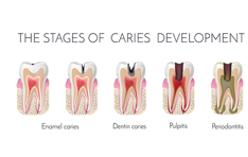
Cavities are permanent damage to the hard surfaces of your teeth. They are caused by bacteria that feed on leftover food and produce acids that erode tooth enamel. Symptoms include holes in the teeth, toothache, and sensitivity.
Tooth conditions can vary and affect your oral health and smile. Understanding the causes and symptoms can help you take preventive measures and seek appropriate dental care.
Common tooth conditions include cavities, enamel erosion, tooth sensitivity, and gum disease. Each condition has unique characteristics and requires specific dental treatments.

Tooth conditions can range from minor issues to severe problems requiring immediate dental attention. Here are some common tooth conditions and their characteristics:
Cavities are permanent damage to the hard surfaces of your teeth. They are caused by bacteria that feed on leftover food and produce acids that erode tooth enamel. Symptoms include holes in the teeth, toothache, and sensitivity.

Enamel erosion is the wearing away of tooth enamel, often caused by frequent consumption of acidic foods and drinks. Symptoms include tooth sensitivity, discoloration, and a higher risk of cavities.

Tooth sensitivity is tooth pain or discomfort in response to hot, cold, sweet, or acidic stimuli. It is often caused by exposed tooth roots or receding gums, and can be treated with desensitizing toothpaste or gum graft surgery.
Gum disease, also known as periodontal disease, is a common condition that affects the gums and bone supporting the teeth. It has different stages, from mild to severe, and requires prompt treatment to prevent tooth loss.
Gingivitis is the mildest form of gum disease, characterized by red, swollen, and bleeding gums. It is caused by plaque buildup along the gum line and can be reversed with proper oral hygiene and professional cleaning.
Periodontitis is a more advanced stage of gum disease where the bone and connective tissue that hold teeth in place are damaged. Symptoms include gum recession, pocket formation, and loose teeth. Treatment includes deep cleaning and, in severe cases, surgery.
Advanced periodontitis is the most severe form of gum disease, resulting in significant bone and tissue loss, tooth mobility, and even tooth loss. Treatment options include scaling and root planing, flap surgery, and bone or tissue grafts.
Practice good oral hygiene by brushing twice a day and flossing daily.
Visit your dentist regularly for check-ups and professional cleanings.
Use fluoride toothpaste and mouthwash to strengthen tooth enamel.


Tooth conditions can have a significant impact on your oral health and overall well-being. Here are some key elements to consider when treating and managing tooth conditions:
| Condition | Treatment Options |
|---|---|
| Cavities | Fillings, crowns, root canals, or tooth extraction in severe cases. |
| Enamel Erosion | Fluoride treatments, bonding, or veneers to protect and restore tooth enamel. |
| Tooth Sensitivity | Desensitizing toothpaste, fluoride treatments, or gum graft surgery to protect exposed roots. |
| Gum Disease | Professional cleaning, scaling and root planing, antibiotic treatment, or surgery in advanced cases. |
By understanding the causes, symptoms, and treatment options for various tooth conditions, you can take proactive steps towards maintaining a healthy smile and preventing further complications.