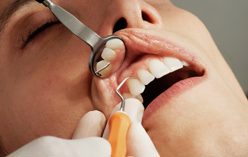
Brushing
Brush your teeth twice a day with a soft-bristled toothbrush and fluoride toothpaste. Use gentle circular motions and ensure you brush all surfaces of the teeth, including the tongue, for at least two minutes.
Teeth are essential for our health and confidence, offering functionality, aesthetics, and a gateway to overall wellness. With a variety of tooth types and structures, each tooth plays a unique role in our daily lives.
Different types of teeth include incisors, canines, premolars, and molars. Each type has distinct characteristics and functions, contributing to our ability to bite, chew, and speak effectively.

Proper tooth care is vital for maintaining good oral health and preventing dental issues. Here are some key aspects to consider:
Brush your teeth twice a day with a soft-bristled toothbrush and fluoride toothpaste. Use gentle circular motions and ensure you brush all surfaces of the teeth, including the tongue, for at least two minutes.

Floss at least once a day to remove plaque and food particles from between the teeth. Proper flossing helps prevent gum disease and tooth decay, ensuring a healthy smile.

Regular dental checkups and cleanings are essential for maintaining good oral health. Visit your dentist at least twice a year for examinations, cleanings, and to address any potential issues.
Dental procedures are often necessary to maintain or improve oral health. Here are some common procedures to be aware of:
Fillings are used to repair cavities and tooth decay. Your dentist will remove the decayed portion of the tooth and fill it with a suitable material, such as composite resin or amalgam.
A root canal is performed when the tooth's pulp becomes infected or damaged. The procedure involves removing the infected pulp, cleaning and shaping the root canal, and sealing it to prevent further infection.
Dental crowns are used to cover and protect damaged or weakened teeth. They can also be used for cosmetic purposes to improve the appearance of discolored or misshapen teeth.
Dental bridges are used to replace one or more missing teeth. They are supported by the adjacent natural teeth or implants and help restore function and aesthetics to your smile.
Dentures are removable prosthetic devices used to replace multiple missing teeth. They can be partial or complete, depending on the number of teeth missing, and are custom-made to fit your mouth comfortably.
Dental implants are a more permanent solution to missing teeth. They involve surgically placing a titanium post into the jawbone, which acts as a replacement for the tooth root, and then attaching a custom-made crown.
Floss before brushing to loosen plaque and food particles, making brushing more effective.
Use mouthwash to help prevent gum disease and freshen your breath. Look for mouthwashes with antibacterial properties.
Eat a balanced diet and limit sugary snacks and drinks to reduce the risk of tooth decay.


Understanding the anatomy and structure of a tooth is important to grasp how teeth function and the potential issues that can arise. Teeth are composed of several layers and structures, each serving a specific purpose.
| Part | Description |
|---|---|
| Enamel | The outermost layer of the tooth, enamel is the hardest substance in the human body. It protects the tooth from daily wear and tear. |
| Dentin | Located beneath the enamel, dentin is a porous, bony tissue that makes up the majority of the tooth. It is sensitive and contains tiny tubes that connect to the nerve of the tooth. |
| Pulp | The innermost layer of the tooth, the pulp contains blood vessels, nerves, and connective tissue. It is crucial for providing nutrients and sensation to the tooth. |
| Gum Tissue | Also known as gingiva, gum tissue surrounds the teeth and provides a seal to protect the underlying bone and tooth roots from bacteria and infection. |
| Root | The root of the tooth is the portion hidden beneath the gum line. It anchors the tooth to the jawbone and provides stability. |
Understanding tooth anatomy helps dentists and patients alike care for teeth effectively and address any issues that may arise. Proper care of each part of the tooth contributes to overall oral health.