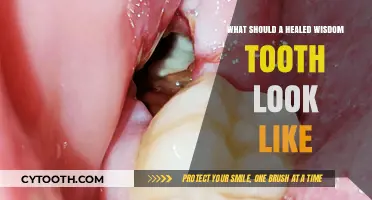
Before Extraction
Your dentist will take X-rays to assess the position and development of your wisdom teeth. They may also recommend a CT scan for more complex cases.
Wisdom teeth are the last set of molars to develop, typically emerging in early adulthood. While some people never develop wisdom teeth, others may experience their eruption, which can cause pain, crowding, and other dental issues.
Extraction of wisdom teeth is often necessary to prevent or address these problems. The procedure is commonly performed by oral surgeons or dentists with specialized training.

The extraction of wisdom teeth is a routine dental procedure. Here's what you can expect during the process:
Your dentist will take X-rays to assess the position and development of your wisdom teeth. They may also recommend a CT scan for more complex cases.

Local anesthesia or sedation will be administered for your comfort. The dentist will then carefully remove the wisdom tooth, sometimes cutting the gum or bone to access it.

You'll be given post-operative instructions, including how to care for the extraction site and manage any discomfort. Follow-up appointments will monitor healing.
While wisdom tooth extraction is generally safe, as with any surgical procedure, there are potential risks and complications to be aware of. These include:
Proper oral hygiene and following post-operative instructions can reduce the risk of infection.
Dry socket is a painful condition that can occur when the blood clot at the extraction site dislodges. It can be prevented with proper care.
In rare cases, damage to nearby nerves can occur, resulting in temporary or permanent numbness or tingling in the tongue, lips, or chin.
Post-operative swelling is common and usually peaks around the third day. Cold compresses and prescribed medications can help manage it.
Some bleeding is normal after extraction, but excessive or prolonged bleeding may require medical attention.
In rare cases, the extraction site may not heal properly, leading to complications such as osteomyelitis (bone infection) or a jaw fracture.
Rest and take it easy for the first few days after the procedure.
Apply ice packs to your cheeks to reduce swelling.
Stick to a soft food diet and avoid hard, crunchy, or spicy foods.


While most people recover uneventfully from wisdom tooth extraction, there are certain signs and symptoms that warrant immediate medical attention. These include:
| Symptom | Description |
|---|---|
| Excessive Bleeding | Bleeding that doesn't slow or stop after applying pressure with gauze for 30-60 minutes. |
| Severe Pain | Intense or worsening pain that is not relieved by prescribed medications. |
| Fever | A fever above 100.4°F (38°C) that persists for more than 24 hours after the extraction. |
| Swelling | Swelling that gets worse after the third day or is accompanied by other symptoms like fever or difficulty swallowing. |
| Bad Taste or Odor | A persistent bad taste or foul odor in the mouth, which could indicate an infection. |
| Numbness | Prolonged or worsening numbness or tingling in the tongue, lips, or chin. |
Always contact your dentist or oral surgeon if you experience any of these symptoms or have concerns during your recovery.