Logan Hayes
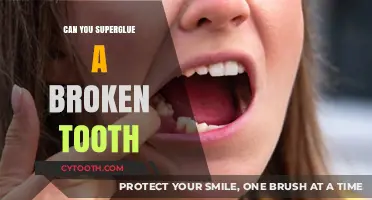
Supergluing a tooth might seem like a quick fix for a loose or broken tooth, but it is not a safe or recommended solution. While cyanoacrylate-based adhesives, commonly known as superglue, can bond surfaces together, they are not designed for use in the mouth. The chemicals in superglue can be harmful if ingested, and the adhesive may not withstand the forces of chewing or the moist environment of the mouth. Additionally, superglue does not address the underlying issue causing the tooth problem, such as decay or infection, which could worsen without proper dental treatment. For any dental concerns, it is crucial to consult a dentist who can provide safe and effective solutions tailored to your specific needs.
| Characteristics | Values |
|---|---|
| Safety | Not recommended; superglue is toxic and not intended for dental use. |
| Effectiveness | Temporary fix at best; does not address underlying dental issues. |
| Durability | Very low; superglue is not designed to withstand oral conditions. |
| Health Risks | Potential for chemical burns, allergic reactions, or ingestion of toxins. |
| Professional Recommendation | Dentists strongly advise against using superglue for dental repairs. |
| Alternative Solutions | Dental cement, temporary dental filling kits, or immediate dental care. |
| Long-Term Consequences | Can cause further damage to teeth, gums, or oral tissues. |
| FDA Approval | Superglue is not FDA-approved for dental or medical use. |
| Cost | Cheap, but not a viable or safe solution compared to professional care. |
| Application Difficulty | Difficult to apply accurately without professional tools or expertise. |
| Pain Relief | Does not provide pain relief; may exacerbate pain due to improper use. |
| Aesthetic Result | Poor; superglue does not match natural tooth color or texture. |
| Emergency Use | Not suitable for emergencies; seek professional dental care immediately. |
What You'll Learn

Is Superglue Safe for Teeth?
Superglue contains cyanoacrylate, a fast-acting adhesive that bonds skin, plastic, and even teeth. While it might seem like a quick fix for a loose crown or chipped tooth, using superglue in your mouth poses significant risks. Cyanoacrylate is not designed for oral use and can irritate gums, damage tooth enamel, and release toxic fumes when exposed to saliva. Unlike dental adhesives, superglue lacks biocompatibility, meaning it’s not safe for prolonged contact with oral tissues.
Consider the scenario: a loose crown on a Friday night, with no dentist available until Monday. Applying superglue might seem tempting, but it’s a temporary solution with long-term consequences. Superglue hardens rapidly upon contact with moisture, creating a rigid bond that can trap bacteria or debris between the tooth and the adhesive. This increases the risk of infection, decay, or even tooth loss. Moreover, removing superglue from a tooth often requires aggressive mechanical force, which can further damage the tooth structure.
From a comparative standpoint, dental-grade adhesives like eugenol-based cements or temporary crown adhesives are specifically formulated for oral use. These products are non-toxic, biocompatible, and designed to withstand the moist environment of the mouth. For instance, temporary dental cement (available over-the-counter) provides a safe, temporary hold for loose crowns or fillings without harming teeth or gums. It’s also easily removable by a dentist, unlike superglue, which may require professional intervention to extract.
If you’re considering superglue as a dental fix, pause and evaluate the risks. For minor issues like a loose crown or small chip, rinse your mouth with warm water and use dental wax or over-the-counter dental cement as a temporary measure. Avoid superglue entirely, especially for children or individuals with sensitive gums. In emergencies, contact a dentist immediately—many offer after-hours services for urgent cases. Remember, superglue is not a substitute for professional dental care; it’s a hazardous makeshift solution that can exacerbate problems.
In conclusion, while superglue’s adhesive properties might appear appealing for dental repairs, its risks far outweigh any temporary benefits. Opt for dental-specific products and seek professional advice for safe, effective solutions. Your teeth deserve better than a household adhesive—prioritize their health with the right tools and expert care.
Veneers for Missing Teeth: Are They a Viable Replacement Option?
You may want to see also
Temporary Fix vs. Dental Treatment
Superglue contains cyanoacrylate, a fast-acting adhesive that bonds to hydroxyl groups in tooth structure. While it can temporarily reattach a loose crown or veneer, it’s not biocompatible with oral tissues. Prolonged use risks gum irritation, tooth decay, and difficulty for dentists to remove during proper treatment. This makeshift solution may seem convenient, but it’s a temporary bandage, not a cure.
Consider a scenario: a chipped front tooth before a wedding. Superglue might mask the damage for a day, but it won’t address underlying issues like fractures or nerve exposure. Dental treatments like bonding, veneers, or crowns are designed to restore function, aesthetics, and oral health. They use materials like composite resin or porcelain, which are safe, durable, and customized to match natural teeth. Unlike superglue, these solutions integrate seamlessly with oral anatomy.
If you opt for a temporary fix, follow these steps: clean the tooth and affected area with mild soap, dry thoroughly, apply a minimal amount of superglue, and hold in place for 30–60 seconds. Avoid eating hard foods or exposing the area to moisture for at least an hour. However, this is strictly a stopgap. Schedule a dental appointment within 48 hours to prevent complications. Superglue’s toxicity increases when ingested or left untreated, making professional intervention critical.
The cost-benefit analysis is clear. A tube of superglue costs $5, while dental bonding ranges from $100 to $400 per tooth. Yet, superglue’s risks—infection, permanent damage, or costly repairs—far outweigh its affordability. Dental treatments, though pricier, offer long-term solutions backed by expertise. Prioritize oral health over quick fixes; temporary relief isn’t worth jeopardizing your smile’s integrity.
In summary, superglue serves as a last-resort, short-term measure, not a substitute for professional care. Its chemical composition and application limitations make it unsuitable for oral use beyond emergencies. Dental treatments, while requiring time and investment, ensure safety, functionality, and aesthetics. Choose wisely: a temporary fix might save the moment, but only dental treatment preserves your teeth for the future.
Super Glue for Teeth: Safe Emergency Fix or Dental Disaster?
You may want to see also
Risks of Using Superglue on Teeth
Superglue contains cyanoacrylate, a chemical that bonds rapidly to surfaces, including skin and teeth. While it might seem like a quick fix for a loose crown or chipped tooth, applying superglue in your mouth introduces significant risks. The adhesive is not designed for oral use, and its chemical composition can lead to immediate and long-term complications. For instance, superglue can irritate gums, damage tooth enamel, and even cause chemical burns if not handled carefully.
Consider the scenario of a loose crown. Applying superglue might temporarily hold it in place, but the bond is not as durable as dental cement. Over time, the glue can degrade, trapping bacteria between the crown and tooth, leading to decay or infection. Additionally, removing superglue from a tooth is challenging and often requires professional intervention, which can be costly and invasive. Dentists use specialized tools and materials to repair dental issues safely, ensuring both functionality and aesthetics.
From a comparative perspective, dental adhesives and cements are specifically formulated for oral use, taking into account factors like pH balance, biocompatibility, and durability. Superglue, on the other hand, is designed for non-living surfaces and lacks these critical properties. For example, dental cement like zinc oxide eugenol or glass ionomer cement not only bonds restorations securely but also releases fluoride to strengthen teeth. Superglue offers no such benefits and can actually weaken the tooth structure over time.
If you’re tempted to use superglue as a temporary solution, pause and consider the potential consequences. Immediate risks include allergic reactions, such as swelling or itching in the mouth, and accidental bonding of lips or cheeks to teeth. Long-term risks involve irreversible damage to tooth pulp, increased sensitivity, and the need for extensive dental work. Instead, opt for over-the-counter dental cement as a temporary measure and schedule an appointment with a dentist as soon as possible. Practical tip: keep a dental first-aid kit with temporary filling material and clove oil for pain relief until professional care is available.
In conclusion, while superglue might appear convenient, its use on teeth is fraught with dangers. The temporary relief it provides is far outweighed by the potential for harm. Always prioritize professional dental care to ensure safe, effective, and lasting solutions for oral health issues.
Tooth Gems and Brushing: A Safe Dental Care Combination?
You may want to see also
How to Apply Superglue to a Tooth
Superglue contains cyanoacrylate, a fast-acting adhesive that bonds quickly to surfaces, including skin and teeth. While it might seem like a quick fix for a loose crown or chipped tooth, applying superglue to a tooth requires precision and caution. The adhesive’s strength can temporarily hold a dental restoration in place, but improper use risks damaging enamel, gums, or underlying structures. Always prioritize professional dental care, but if you’re in a pinch, here’s how to proceed with care.
Begin by isolating the tooth and surrounding area. Rinse your mouth with warm water to remove debris, and gently dry the tooth with a clean cotton swab or gauze. Ensure the tooth surface is clean and free of moisture, as oil or saliva can weaken the bond. Apply a minimal amount of superglue—a single drop is often sufficient—to the area needing repair. Use the tip of a toothpick or a small applicator to avoid contact with gums or adjacent teeth. Hold the glued area steady for 30–60 seconds to allow the adhesive to set. Avoid biting or touching the area for at least 10 minutes to ensure a strong bond.
While superglue can provide temporary relief, it’s not a substitute for professional dental materials. Cyanoacrylate is not biocompatible, meaning it’s not designed for long-term use in the mouth. Prolonged exposure can irritate gums, cause tissue damage, or lead to an allergic reaction. Additionally, superglue does not address underlying issues like decay or infection. Use it only as a stopgap measure until you can see a dentist, typically within 24–48 hours. Over-the-counter dental cements are safer alternatives for temporary repairs.
For children or individuals with sensitive gums, avoid using superglue altogether. The risk of accidental ingestion or tissue damage is too high. Instead, opt for orthodontic wax or sugar-free gum to cover sharp edges temporarily. If superglue comes into contact with skin or gums, gently peel it off once dried or soak in warm water to soften the adhesive. Never force removal, as this can cause further injury. Always consult a dentist if you experience pain, swelling, or discomfort after using superglue on a tooth.
In summary, applying superglue to a tooth is a temporary solution that demands careful execution. Clean the area, use a minimal amount of adhesive, and avoid contact with gums. Treat it as a last resort and seek professional care promptly. While superglue can hold a tooth or crown in place briefly, it’s no replacement for proper dental treatment. Use it wisely, and prioritize your oral health above all else.
Fixing Exposed Tooth Roots: Treatment Options and Solutions Explained
You may want to see also
When to See a Dentist Instead
Superglue contains cyanoacrylate, a chemical that bonds quickly to surfaces, including skin and teeth. While it might seem like a quick fix for a loose crown or chipped tooth, using it without professional guidance can lead to infection, gum damage, or permanent tooth loss. The adhesive isn’t designed for oral use, and its toxicity in the mouth remains a significant risk. If you’ve already applied superglue, avoid chewing on the affected area and seek dental care immediately to prevent further complications.
A dentist should be your first point of contact if the tooth is severely cracked, bleeding, or causing intense pain. These symptoms often indicate nerve exposure or infection, conditions superglue cannot address. For instance, a cracked tooth with exposed pulp requires a root canal, not a temporary adhesive. Ignoring professional treatment in such cases can lead to abscesses, which may necessitate extraction. Pain is your body’s alarm system—don’t silence it with a DIY solution.
Children under 12 and adults over 65 should avoid superglue entirely, even as a temporary measure. Young children risk ingesting the adhesive, while older adults often have thinner enamel or pre-existing dental work that superglue can damage. Instead, use orthodontic wax (available at pharmacies) to cover sharp edges temporarily. For loose crowns, reattach them with over-the-counter dental cement, but only until you can see a dentist within 48 hours. Always prioritize age-appropriate, dentist-approved solutions.
If the tooth is knocked out entirely, time is critical—superglue will only hinder proper reimplantation. Rinse the tooth gently with saline or milk, avoiding the root, and place it back in the socket if possible. Hold it in place with a clean cloth and visit an emergency dentist within 30 minutes. If reinsertion isn’t feasible, store the tooth in milk or saliva (not water, which can damage cells) and seek immediate care. A dentist can assess the root’s viability and discuss options like a splint or implant.
While superglue might seem convenient, its risks far outweigh its temporary benefits. Dentists have access to biocompatible materials like composite resins or glass ionomers that bond safely to teeth without harming surrounding tissues. They can also address underlying issues like decay or gum disease that superglue masks. Remember: a quick fix isn’t a cure. Prioritize long-term oral health by consulting a professional whenever in doubt.
Can You Spot a Tooth Filling Without a Microscope?
You may want to see also
Frequently asked questions
While superglue can temporarily hold a tooth in place, it is not recommended. Dental-grade adhesives are safer and specifically designed for oral use.
No, superglue is not safe for teeth. It can cause irritation, damage to gums, and may not bond properly, leading to further dental issues.
Rinse your mouth with warm water and avoid pulling or forcing the glue off. Contact a dentist immediately for professional removal and assessment.
No, superglue is not suitable for reattaching teeth. Seek emergency dental care for proper treatment, such as using dental cement or other professional methods.