Samantha Blake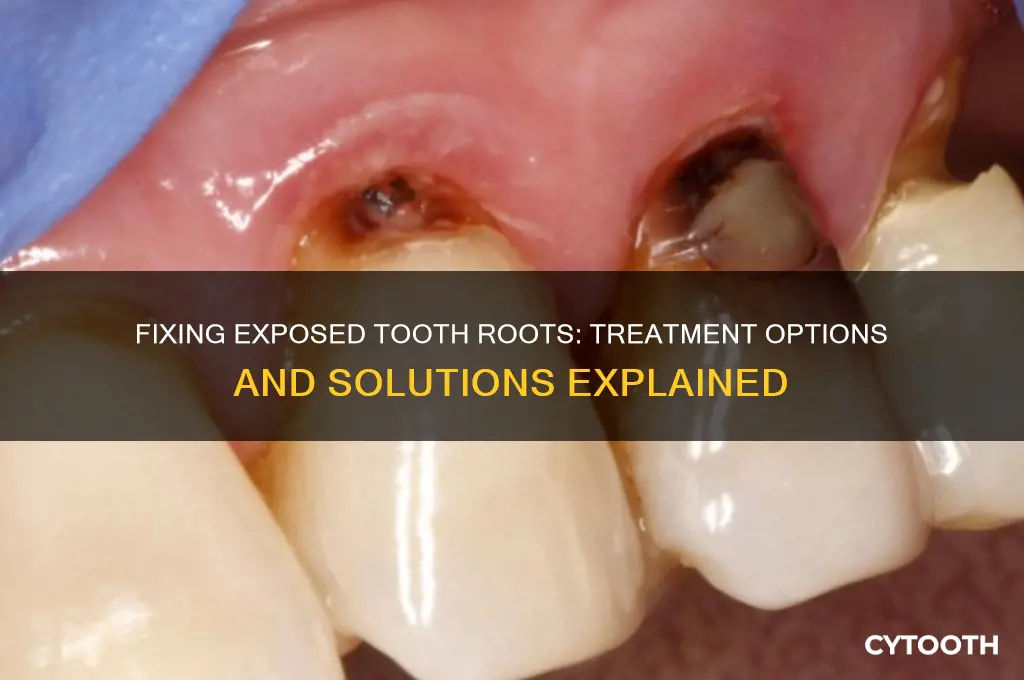
Exposed tooth roots, a condition often caused by gum recession, can be a source of discomfort and sensitivity, but fortunately, there are several effective treatments available to address this issue. Gum grafting, a common surgical procedure, involves taking tissue from another part of the mouth and using it to cover the exposed roots, thereby reducing sensitivity and improving the appearance of the gums. Additionally, non-surgical options such as deep cleaning (scaling and root planing) can help remove plaque and tartar buildup, promoting gum health and potentially slowing down further recession. For those with mild cases, desensitizing toothpastes or fluoride treatments may provide relief from sensitivity. Consulting a dentist is essential to determine the most appropriate treatment plan based on the severity of the condition and individual oral health needs.
| Characteristics | Values |
|---|---|
| Can Exposed Tooth Roots Be Fixed? | Yes, exposed tooth roots can be treated depending on the severity and cause. |
| Common Causes | Gum recession, periodontal disease, aggressive brushing, aging, bruxism. |
| Treatment Options | Gum grafting, scaling and root planing, fluoride treatments, dental crowns, composite resin bonding. |
| Gum Grafting | Tissue from another part of the mouth is used to cover the exposed root. |
| Scaling and Root Planing | Deep cleaning to remove plaque and tartar below the gumline. |
| Fluoride Treatments | Applied to reduce sensitivity and strengthen the exposed root surface. |
| Dental Crowns | Used to cover the exposed root and protect the tooth structure. |
| Composite Resin Bonding | A tooth-colored resin is applied to cover the exposed root. |
| Prevention Methods | Proper oral hygiene, using a soft-bristled toothbrush, regular dental check-ups, treating gum disease early. |
| Success Rate | High, especially when treated early and with proper care. |
| Recovery Time | Varies by treatment; gum grafting may take 1-2 weeks, while scaling and root planing is immediate. |
| Cost | Depends on the treatment; gum grafting ($600-$1,200 per tooth), scaling and root planing ($140-$210 per quadrant). |
| Long-Term Outlook | Positive with proper maintenance and follow-up care. |
What You'll Learn

Gum Grafting Procedures
Exposed tooth roots, often a result of gum recession, can lead to sensitivity, decay, and aesthetic concerns. Gum grafting procedures emerge as a definitive solution, addressing both functional and cosmetic issues by restoring lost gum tissue. This surgical intervention involves transferring healthy gum tissue from one area of the mouth to the affected site, effectively covering exposed roots and stabilizing the gumline.
The process begins with a thorough consultation, where a periodontist evaluates the extent of recession, overall oral health, and suitability for the procedure. Patients with advanced gum disease or poor oral hygiene may need preliminary treatments to optimize outcomes. The grafting material can be sourced from the palate (autograft), a donor (allograft), or synthetic materials, each with distinct advantages. For instance, autografts offer high success rates but involve a secondary surgical site, while synthetic options minimize discomfort but may have slightly lower predictability.
During the procedure, local anesthesia ensures comfort as the graft is carefully positioned and secured with sutures. Post-operative care is critical, with patients advised to avoid vigorous brushing, hard foods, and smoking for at least two weeks. Pain management typically involves over-the-counter analgesics like ibuprofen, and antimicrobial mouthwashes may be prescribed to prevent infection. Healing takes approximately 1–2 weeks for initial recovery, with complete integration of the graft occurring over 3–6 months.
While gum grafting is highly effective, it is not without considerations. Costs vary widely, ranging from $600 to $1,200 per tooth depending on complexity and location. Insurance may cover part of the expense if deemed medically necessary. Alternatives such as enamel bonding or pinhole surgery exist but are less durable or applicable in severe cases. For those seeking a long-term solution, gum grafting stands out as a proven method to repair exposed roots, enhance oral health, and restore confidence in one’s smile.
Saving a Cracked Tooth Under a Crown: Is It Possible?
You may want to see also
Deep Cleaning Techniques
Exposed tooth roots often result from gum recession, a condition that can lead to sensitivity, decay, and even tooth loss if left untreated. Deep cleaning techniques play a pivotal role in managing this issue by removing plaque, tartar, and bacteria that exacerbate gum recession. Unlike regular cleanings, deep cleaning—also known as scaling and root planing—targets the area below the gum line, where harmful buildup accumulates. This procedure is typically performed by a dental hygienist or dentist and involves numbing the affected area to ensure patient comfort. While it may sound invasive, deep cleaning is a non-surgical method that can halt the progression of gum disease and create a healthier environment for gum tissue to reattach to the tooth.
Scaling and root planing is a two-part process. The scaling phase involves using specialized instruments or ultrasonic devices to remove tartar and plaque from the tooth’s surface and below the gum line. Root planing follows, smoothing the root surfaces to discourage further bacterial growth and promote gum reattachment. This procedure is often split into multiple sessions to minimize discomfort, especially for patients with extensive gum recession. After deep cleaning, patients may experience mild sensitivity or bleeding, which typically subsides within a few days. Maintaining excellent oral hygiene post-treatment is crucial, as it ensures the longevity of the results and prevents recurrence.
For those with exposed tooth roots, deep cleaning is often the first line of defense before more invasive treatments like gum grafts are considered. However, its effectiveness depends on the severity of the recession and the patient’s commitment to aftercare. Dentists may recommend adjunctive therapies, such as antimicrobial mouth rinses or localized antibiotic treatments, to enhance the outcomes of deep cleaning. For example, chlorhexidine mouthwash, prescribed at a concentration of 0.12%, can reduce bacterial levels in the mouth when used twice daily for 30 seconds. Patients should also avoid aggressive brushing, opting instead for a soft-bristled toothbrush and gentle, circular motions to prevent further gum irritation.
Comparatively, while deep cleaning addresses the underlying cause of exposed roots by treating gum disease, it does not physically cover the exposed areas. For patients seeking both functional and aesthetic improvement, deep cleaning may be combined with procedures like gum grafting or the application of desensitizing agents. For instance, fluoride varnishes or silver diamine fluoride can be applied post-cleaning to reduce sensitivity and strengthen enamel. Ultimately, deep cleaning is a critical step in managing exposed tooth roots, but it is most effective when integrated into a comprehensive treatment plan tailored to the individual’s needs. Regular follow-ups with a dentist are essential to monitor progress and adjust the treatment strategy as necessary.
Fixing a Broken Tooth with a Filling: Repair Options Explained
You may want to see also
Composite Resin Application
Exposed tooth roots, often a result of gum recession, can lead to sensitivity, decay, and aesthetic concerns. Composite resin application emerges as a minimally invasive, cost-effective solution to address these issues. This tooth-colored material bonds directly to the root surface, restoring both function and appearance. Unlike more aggressive treatments, it requires no removal of healthy tooth structure, making it a conservative option for patients seeking immediate relief.
The process begins with a thorough cleaning of the exposed root surface to ensure optimal adhesion. A bonding agent is then applied, followed by the composite resin, which is carefully sculpted to match the natural contour of the tooth. The material is cured using a special light, hardening it in place. This technique not only masks the unsightly root but also creates a protective barrier against external stimuli, reducing sensitivity. For best results, patients should avoid staining foods and beverages for 48 hours post-treatment to ensure color stability.
While composite resin is durable, its longevity depends on factors like oral hygiene and bite forces. Patients with bruxism or heavy chewing habits may experience faster wear. Regular dental check-ups are essential to monitor the restoration and address any issues early. Compared to alternatives like gum grafting, composite resin offers a quicker, less painful solution, though it may require periodic touch-ups. Its versatility makes it suitable for patients of all ages, from young adults with early recession to seniors seeking cosmetic improvement.
One of the standout advantages of composite resin is its aesthetic appeal. The material comes in various shades, allowing dentists to match it precisely to the patient’s natural teeth. This customization ensures a seamless blend, making the restoration virtually indistinguishable. For those with multiple exposed roots, composite resin can be applied in stages, gradually transforming the smile without overwhelming the patient or the budget. Proper care, including gentle brushing and regular flossing, can extend the life of the restoration, making it a practical choice for long-term management of exposed roots.
Can a Tooth Implant Be Removed? Understanding the Process and Possibilities
You may want to see also
Laser Therapy Options
Exposed tooth roots, often a result of gum recession, can lead to sensitivity, pain, and increased risk of decay. While traditional treatments like gum grafts have been effective, laser therapy has emerged as a minimally invasive alternative. This approach uses focused light energy to reshape gum tissue, reduce bacterial presence, and promote healing. Unlike surgical methods, laser therapy typically involves less discomfort, shorter recovery times, and reduced risk of infection, making it an appealing option for many patients.
The procedure begins with a thorough examination to determine the extent of gum recession and the suitability of laser therapy. During the treatment, a dental professional uses a specialized laser device to remove diseased or damaged tissue and stimulate the growth of new, healthy gum tissue. The laser’s precision allows for targeted treatment, preserving surrounding areas and minimizing bleeding. Patients often report little to no pain during the procedure, which usually takes 30 to 60 minutes per session, depending on the severity of the case.
One of the key advantages of laser therapy is its ability to address both the symptoms and underlying causes of exposed tooth roots. For instance, the laser can eliminate bacteria in the gum pockets, reducing inflammation and preventing further recession. Additionally, the heat from the laser encourages collagen production, aiding in tissue regeneration. Post-treatment care is relatively simple, typically involving gentle oral hygiene practices and avoiding hard or crunchy foods for a few days. Most patients experience noticeable improvement within a few weeks, though multiple sessions may be required for optimal results.
While laser therapy is generally safe, it’s not suitable for everyone. Patients with certain medical conditions, such as blood disorders or those taking medications that affect blood clotting, should consult their dentist before proceeding. Cost can also be a consideration, as laser therapy may not be covered by all insurance plans. However, for those seeking a less invasive and faster recovery option, it offers a compelling solution to the discomfort and aesthetic concerns associated with exposed tooth roots.
Can a Bad Tooth Cause Dizziness? Exploring the Surprising Connection
You may want to see also
Root Canal Treatment
Exposed tooth roots often result from gum recession, a condition that can lead to sensitivity, pain, and increased risk of decay. While gum grafting is a common solution for covering exposed roots, it doesn’t address the underlying issue if the tooth’s pulp is compromised. This is where root canal treatment steps in as a critical intervention. Root canal therapy involves removing infected or damaged pulp from the tooth’s interior, cleaning and disinfecting the canals, and sealing them to prevent further infection. It’s a precise procedure that not only saves the tooth but also eliminates pain and sensitivity caused by exposed roots. For patients with advanced gum recession, root canal treatment can be a necessary precursor to other restorative measures, ensuring the tooth remains viable and functional.
The process begins with a thorough examination, often including X-rays, to assess the extent of damage to the tooth’s pulp. Local anesthesia is administered to ensure comfort during the procedure, which typically takes 1–2 hours per tooth. The dentist creates a small opening in the crown of the tooth to access the pulp chamber and root canals. Specialized instruments are used to remove the infected tissue, and the canals are irrigated with antiseptic solutions to eliminate bacteria. Once cleaned, the canals are filled with a biocompatible material called gutta-percha, and the opening is sealed with a temporary or permanent filling. In many cases, a dental crown is recommended afterward to strengthen the treated tooth, especially if it’s structurally weakened from decay or trauma.
One of the most persuasive arguments for root canal treatment is its ability to preserve natural teeth, avoiding the need for extraction and subsequent replacement options like implants or bridges. While the procedure has a reputation for being painful, modern techniques and anesthesia make it comparable to having a filling placed. Success rates are high, with over 90% of treated teeth lasting 10 years or more. However, patient compliance is crucial; proper oral hygiene and regular dental check-ups are essential to prevent reinfection or complications. For those with exposed roots, root canal treatment can be a game-changer, alleviating discomfort and restoring oral health.
Comparatively, while gum grafting addresses the exposed root externally, root canal treatment tackles internal issues that may exacerbate the problem. For instance, if the pulp is infected due to decay reaching the root, gum grafting alone won’t resolve the infection or associated pain. Root canal therapy complements other treatments by ensuring the tooth’s internal health, making it a versatile solution for patients with complex dental issues. It’s particularly beneficial for older adults, who are more prone to gum recession and pulp inflammation due to years of wear and tear. By combining root canal treatment with restorative procedures like crowns or gum grafts, dentists can provide comprehensive care tailored to the patient’s needs.
In practice, patients considering root canal treatment should be aware of post-procedure care to maximize its benefits. Avoid chewing on the treated tooth until the final restoration is placed, typically within a few weeks. Over-the-counter pain relievers like ibuprofen (200–400 mg every 4–6 hours) can manage any mild discomfort. Maintaining a soft diet for the first few days reduces stress on the tooth. Regular brushing and flossing, along with antimicrobial mouthwash, help prevent new infections. For those with exposed roots, pairing root canal treatment with gum recession management—such as using desensitizing toothpaste or fluoride treatments—can provide long-term relief and protection. With proper care, a tooth that has undergone root canal treatment can remain functional and symptom-free for a lifetime.
Can Adult Teeth Regenerate? Exploring the Science Behind Tooth Regrowth
You may want to see also
Frequently asked questions
Yes, exposed tooth roots can be fixed through various dental treatments depending on the severity of the issue. Common solutions include gum grafting, fluoride treatments, and dental bonding.
Exposed tooth roots are often caused by gum recession due to poor oral hygiene, aggressive brushing, periodontal disease, or aging. Prevention includes gentle brushing with a soft-bristled toothbrush, regular dental check-ups, and maintaining good oral health habits.
Yes, gum grafting is considered a permanent and effective solution for covering exposed tooth roots. It involves taking tissue from another part of the mouth and attaching it to the affected area to restore gum tissue and protect the roots. Proper aftercare ensures long-lasting results.