Hailey Morgan
The question of whether an adult tooth can grow back is a common one, often arising from the desire to restore a lost tooth naturally. Unlike deciduous teeth, which are replaced by permanent ones during childhood, adult teeth are not designed to regenerate once they are lost or extracted. This is because the dental lamina, the tissue responsible for tooth development, ceases to function after the eruption of permanent teeth. While advancements in dental science, such as stem cell research and tissue engineering, hold promise for future regenerative possibilities, current solutions for missing adult teeth rely on artificial replacements like implants, bridges, or dentures. Understanding the limitations of natural tooth regrowth highlights the importance of preventive care and timely intervention to preserve oral health.
| Characteristics | Values |
|---|---|
| Can adult teeth regrow naturally? | No, adult teeth cannot regrow naturally once they are lost or extracted. |
| Reason for non-regrowth | Adult teeth lack stem cells necessary for regrowth, unlike deciduous teeth. |
| Current research | Scientists are exploring stem cell therapy and tissue engineering to regenerate teeth, but it is still experimental and not yet available for clinical use. |
| Alternatives to regrowth | Dental implants, bridges, and dentures are the current standard treatments for missing teeth. |
| Potential future developments | Advances in regenerative medicine may one day allow for natural tooth regrowth, but this is years away from practical application. |
| Myth vs. Reality | Common myths suggest adult teeth can regrow, but this is scientifically inaccurate. |
| Impact of tooth loss | Permanent tooth loss affects chewing, speech, and aesthetics, necessitating replacement options. |
| Prevention | Maintaining good oral hygiene and regular dental check-ups can prevent tooth loss. |
What You'll Learn

Natural Regeneration Potential
Unlike deciduous teeth, adult teeth do not possess the innate ability to regrow once lost. This stark contrast in regenerative capacity stems from the differing cellular compositions of primary and permanent dentition. While deciduous teeth are temporary and designed to be shed, adult teeth are meant to last a lifetime, relying on durable enamel and dentin structures rather than regenerative potential. However, recent advancements in regenerative medicine have sparked interest in unlocking the natural regeneration potential of adult teeth, offering a glimpse into a future where tooth loss might not be permanent.
One promising avenue of research focuses on stimulating the dental stem cells residing within the dental pulp. These mesenchymal stem cells, known as dental pulp stem cells (DPSCs), have demonstrated the capacity to differentiate into odontoblasts, the cells responsible for dentin formation. By harnessing the regenerative properties of DPSCs, scientists aim to develop therapies that could potentially repair damaged teeth or even regenerate entire tooth structures. Early studies have shown that scaffold-based approaches, combined with growth factors like BMP-2 and TGF-β, can induce dentinogenesis in animal models, paving the way for clinical applications.
Another innovative strategy involves the use of bioactive materials to create a conducive environment for natural regeneration. For instance, biomimetic scaffolds made from hydroxyapatite or collagen can mimic the extracellular matrix of dental tissues, guiding stem cell differentiation and tissue formation. Additionally, laser therapy, particularly low-level laser irradiation (LLLI), has shown potential in enhancing cellular proliferation and reducing inflammation, thereby promoting the body’s natural healing processes. While these techniques are still in experimental stages, they underscore the untapped potential of the body’s inherent regenerative mechanisms.
Practical steps to support natural regeneration potential include maintaining optimal oral hygiene to preserve dental stem cells and avoiding behaviors that compromise dental health, such as smoking or excessive sugar consumption. For individuals interested in participating in regenerative dentistry trials, consulting with a dental professional specializing in stem cell research is advisable. While the ability to regrow adult teeth remains a scientific aspiration, ongoing research suggests that harnessing the body’s natural regenerative capacity could revolutionize dental care in the coming decades.
Saving a Cracked Tooth Under a Crown: Is It Possible?
You may want to see also
Stem Cell Research Advances
Unlike deciduous teeth, adult teeth do not naturally regenerate once lost. However, stem cell research is challenging this limitation, offering a glimpse into a future where dental regeneration could become a reality. Recent advances in this field have identified dental stem cells, such as those found in dental pulp, as potential candidates for tooth regeneration. These cells, when isolated and cultured, have shown the ability to differentiate into odontoblasts, the cells responsible for dentin formation. This discovery has sparked a wave of research aimed at harnessing the regenerative potential of these cells to engineer bioengineered teeth.
One promising approach involves the use of scaffolds, which act as a framework for stem cells to grow and differentiate into functional dental tissues. These scaffolds are typically made from biocompatible materials, such as collagen or hydroxyapatite, and are designed to mimic the natural structure of dental tissues. By seeding dental stem cells onto these scaffolds and providing the appropriate growth factors, researchers have successfully generated tooth-like structures in preclinical models. For instance, a 2020 study published in *Nature Communications* demonstrated the regeneration of a functional tooth in a mouse model using a combination of dental stem cells and a biodegradable scaffold.
While these findings are encouraging, translating this technology to humans presents unique challenges. One critical consideration is the source of stem cells. Autologous stem cells, derived from the patient’s own body, minimize the risk of immune rejection but may be limited in availability or quality, especially in older adults. Alternatively, allogeneic stem cells, sourced from donors, offer a more abundant supply but require immunosuppression to prevent rejection. Another hurdle is scaling up the technology to accommodate the size and complexity of human teeth, which are significantly larger and more structured than those of animal models.
Despite these challenges, ongoing research is refining techniques to improve the viability and functionality of bioengineered teeth. For example, advancements in 3D bioprinting allow for precise placement of stem cells and biomaterials, enabling the creation of intricate dental structures. Additionally, the development of gene editing tools like CRISPR-Cas9 holds promise for enhancing the regenerative capacity of stem cells and addressing genetic factors that may impede tooth development. Clinical trials are already underway to test the safety and efficacy of these approaches, with early-phase studies focusing on partial tooth regeneration in patients with dental pulp damage.
For individuals interested in the potential of stem cell-based tooth regeneration, practical steps can be taken to preserve dental stem cells for future use. Companies now offer services to extract and store stem cells from wisdom teeth or other extracted teeth, which can be banked for potential regenerative therapies. While this field is still in its infancy, staying informed about clinical trial opportunities and consulting with dental professionals can provide insights into emerging treatments. As stem cell research continues to advance, the dream of regrowing adult teeth may transition from science fiction to a tangible reality, revolutionizing the field of dentistry.
Fixing a Broken Tooth with a Filling: Repair Options Explained
You may want to see also
Dental Implant Alternatives
Adult teeth, once lost, do not regenerate naturally. Unlike deciduous teeth, which are replaced by permanent ones during childhood, the human body lacks the biological mechanism to regrow adult teeth. This reality has spurred the development of innovative alternatives to dental implants, which, while effective, may not suit everyone due to cost, health conditions, or personal preference.
One promising alternative is stem cell therapy, a cutting-edge approach that harnesses the body’s regenerative potential. Researchers are exploring ways to stimulate stem cells to grow new teeth, though this technology remains experimental. Clinical trials are underway, but widespread availability is years away. For now, patients can consider autotransplantation, a procedure where a healthy tooth from one part of the mouth is relocated to replace a missing one. This method is most successful in younger patients (under 30) with healthy donor teeth and requires precise timing and expertise.
Another viable option is dental bridges, which anchor a prosthetic tooth to adjacent natural teeth. While less invasive than implants, bridges require altering healthy teeth for support, making them a temporary solution. Partial dentures offer a non-invasive, cost-effective alternative, though they may lack stability and comfort compared to implants. Modern advancements, such as flexible partials made from nylon or resin, improve fit and aesthetics but still require regular adjustments.
For those seeking a minimally invasive, reversible option, snap-on dentures provide a practical solution. These removable appliances use snaps or anchors attached to existing teeth for retention. While they are affordable and easy to maintain, they may not offer the same bite strength or natural feel as implants. Patients should consult their dentist to determine the best fit based on oral health, lifestyle, and budget.
In conclusion, while adult teeth cannot regrow, alternatives to dental implants cater to diverse needs. From experimental stem cell therapy to practical options like bridges and dentures, each solution balances benefits and limitations. Careful consideration and professional guidance are essential to choosing the most suitable replacement for a missing tooth.
Can Retainers Cause Tooth Death? Understanding the Risks of Tight Wear
You may want to see also
Pulp Capping Techniques
Adult teeth, once damaged or lost, do not regenerate naturally. However, pulp capping techniques offer a lifeline for teeth with compromised pulp health, aiming to preserve the vital tissue and avoid root canal treatment. These procedures involve placing a protective material over the exposed pulp to encourage healing and prevent further infection. The success of pulp capping hinges on the extent of pulp exposure, the patient’s age, and the material used. For instance, in young adults with minimal pulp exposure due to trauma or decay, direct pulp capping can be highly effective, potentially saving the tooth’s vitality for years.
Among the materials used, calcium hydroxide has been a traditional favorite due to its ability to induce hard tissue formation and disinfect the area. However, its long-term success rate varies, often requiring multiple follow-ups. Modern alternatives like mineral trioxide aggregate (MTA) have emerged as superior options, offering better sealing properties and higher success rates, particularly in cases of deep cavities or accidental pulp exposures during dental procedures. MTA’s biocompatibility and ability to stimulate dentin bridge formation make it a preferred choice for both direct and indirect pulp capping.
Indirect pulp capping is a less invasive approach, suitable for cases where the pulp is not directly exposed but at risk due to deep decay. Here, a sedative material like calcium hydroxide or a glass ionomer cement is placed over the remaining dentin, allowing the tooth to heal without direct pulp intervention. This technique is often recommended for children and young adults, as their teeth have a higher regenerative capacity. For example, in a 12-year-old with a deep carious lesion, indirect pulp capping can preserve the pulp’s health, avoiding the need for a pulpectomy.
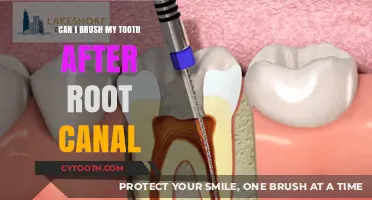
Post-procedure care is critical for the success of pulp capping. Patients must avoid biting hard foods for at least 24 hours and maintain excellent oral hygiene to prevent secondary infections. Regular follow-ups at 3, 6, and 12 months are essential to monitor healing and detect any signs of failure, such as persistent pain or radiographic abnormalities. While pulp capping cannot make an adult tooth "grow back," it can effectively preserve the existing pulp, maintaining the tooth’s function and sensitivity, which is crucial for overall oral health.
In conclusion, pulp capping techniques are a valuable tool in endodontic therapy, offering a conservative alternative to root canal treatment. By understanding the nuances of materials, patient selection, and post-procedure care, dentists can maximize the chances of success. While adult teeth cannot regenerate, these techniques ensure that the remaining vital tissue thrives, prolonging the life of the natural tooth and enhancing the patient’s quality of life.
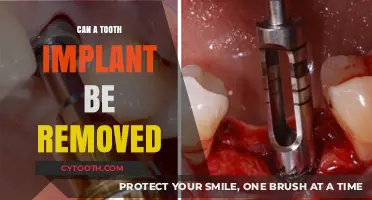
Can a Tooth Implant Be Removed? Understanding the Process and Possibilities
You may want to see also
Preventing Tooth Loss Causes
Unlike deciduous teeth, adult teeth do not regenerate. Once lost, they’re gone for good—a biological reality rooted in the cessation of stem cell activity in dental lamina after childhood. This permanence underscores the critical importance of prevention, as preserving existing teeth is the only way to avoid the functional, aesthetic, and psychological consequences of tooth loss. Understanding the causes of tooth loss is the first step in devising effective preventive strategies.
Gum disease, specifically periodontitis, is the leading cause of tooth loss in adults, accounting for 70% of cases globally. It begins with bacterial plaque buildup, progressing to inflammation (gingivitis) and eventually destroying the bone and tissue supporting the teeth. Prevention hinges on meticulous oral hygiene: brushing twice daily with fluoride toothpaste, flossing daily, and using an antimicrobial mouthwash. Regular dental check-ups every six months allow for early detection and treatment of gingivitis before it escalates. For high-risk individuals (smokers, diabetics, or those with genetic predispositions), dentists may recommend more frequent cleanings or prescription rinses like chlorhexidine (0.12% dosage, twice daily for 2–4 weeks).
Trauma from accidents or sports contributes to 10–20% of tooth loss cases, particularly in younger adults. Prevention here is twofold: behavioral and protective. Avoid high-risk activities without proper precautions, and wear custom-fitted mouthguards during contact sports or activities like cycling and skateboarding. Studies show that mouthguards reduce dental injury risk by 60%, yet only 15% of athletes consistently use them. For children and adolescents, whose permanent teeth are more susceptible to displacement, orthodontic appliances should be designed with trauma-resistant materials.
Nutritional deficiencies and systemic conditions also play a silent role in tooth loss. For instance, vitamin D and calcium deficiencies weaken bone density, compromising tooth stability. A diet rich in leafy greens, dairy, and fortified foods supports oral health, while supplements (1000–2000 IU of vitamin D and 1000–1200 mg of calcium daily for adults) may be necessary for those with inadequate sun exposure or dietary restrictions. Managing systemic conditions like diabetes is equally vital; uncontrolled blood sugar accelerates gum disease progression, making glycemic control a cornerstone of oral health.
Finally, habits like smoking and excessive alcohol consumption exacerbate tooth loss risk. Smoking impairs blood flow to gums, slows healing, and increases infection susceptibility, while alcohol dehydrates the mouth, reducing saliva’s protective effects. Quitting smoking—through nicotine replacement therapy, counseling, or medications like varenicline—and limiting alcohol intake to moderate levels (up to one drink daily for women, two for men) are actionable steps. Behavioral interventions, such as habit-replacement techniques or support groups, can aid in breaking these cycles.
In summary, while adult teeth cannot regrow, tooth loss is largely preventable through targeted interventions. By addressing gum disease, trauma, nutrition, and harmful habits, individuals can safeguard their oral health and maintain a functional, confident smile throughout life. Prevention is not just about avoiding loss—it’s about preserving the quality of life that comes with a healthy set of teeth.
Can a Bad Tooth Cause Dizziness? Exploring the Surprising Connection
You may want to see also
Frequently asked questions
No, adult teeth do not regrow once they are lost. Unlike deciduous (baby) teeth, permanent teeth do not have the ability to regenerate.
Currently, there is no natural method to regrow a lost adult tooth. However, advancements in dental science, such as stem cell research, may offer potential solutions in the future.
Yes, a knocked-out adult tooth can sometimes be saved if it is reimplanted within 30 minutes to an hour. Immediate dental care is crucial for the best chance of success.
Yes, alternatives include dental implants, bridges, or dentures. These options replace the missing tooth functionally and aesthetically but do not involve regrowing the original tooth.
Yes, stem cell research is exploring ways to regenerate teeth, but it is still in experimental stages. While promising, it is not yet a viable option for regrowing adult teeth in clinical practice.