Olivia Bennett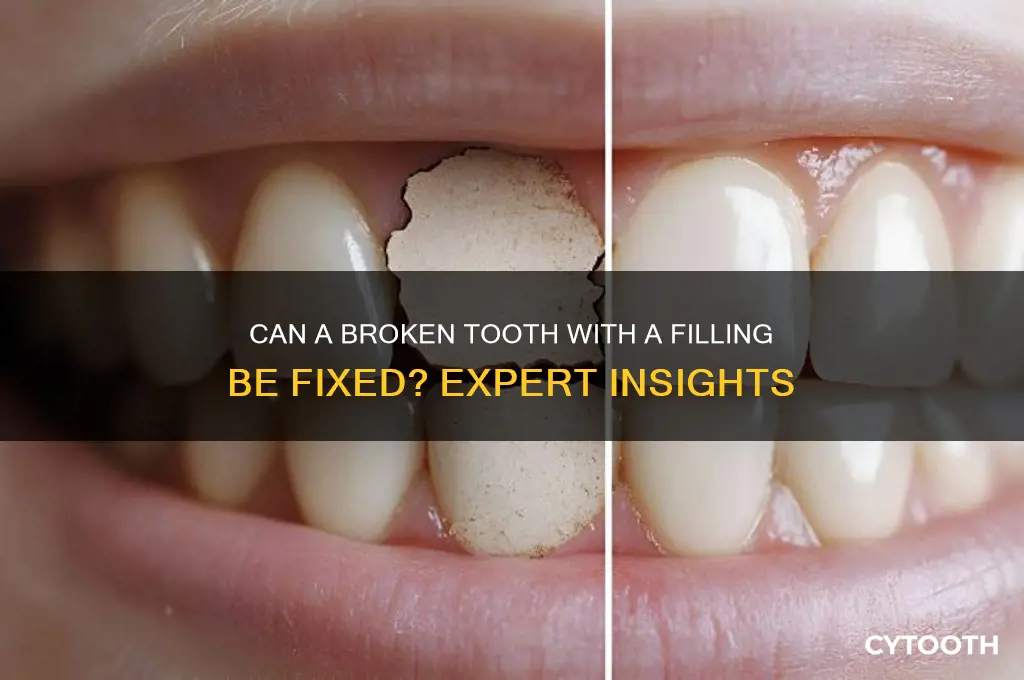
A broken tooth with a filling can often be repaired, but the success of the treatment depends on the extent of the damage and the condition of the remaining tooth structure. If the fracture is minor and the filling is intact, a dentist may be able to smooth the rough edges or replace the filling with a new one. However, if the break is severe, extends below the gum line, or compromises the tooth's structural integrity, more extensive procedures such as a dental crown, root canal, or even extraction may be necessary. Early intervention is crucial to prevent further damage, infection, or tooth loss, so consulting a dentist promptly is essential for an accurate diagnosis and appropriate treatment plan.
| Characteristics | Values |
|---|---|
| Can a broken tooth with a filling be fixed? | Yes, depending on the extent of the damage and the condition of the tooth. |
| Treatment Options | 1. Dental Filling: If the break is minor, the existing filling may be replaced or repaired. 2. Dental Crown: For larger breaks, a crown may be needed to restore the tooth's shape and function. 3. Root Canal: If the break exposes the pulp, a root canal may be required before placing a crown. 4. Extraction: If the tooth is severely damaged and cannot be saved, extraction may be necessary. |
| Factors Affecting Repair | - Location of the Break: Front teeth vs. molars. - Extent of Damage: Small chip vs. large fracture. - Tooth Structure Remaining: Amount of healthy tooth left. - Pulp Involvement: Whether the nerve is exposed or infected. |
| Success Rate | High, especially if treated promptly and by an experienced dentist. |
| Recovery Time | Varies: Simple fillings take minutes, while crowns or root canals may require multiple visits and a few weeks for full recovery. |
| Cost | Depends on the treatment: fillings ($100–$400), crowns ($800–$1,500), root canals ($700–$1,500). |
| Prevention Tips | Avoid biting hard foods, wear a mouthguard if playing sports, maintain good oral hygiene, and visit the dentist regularly. |
| Long-Term Outlook | With proper care, a repaired tooth can last for many years. |
What You'll Learn

Root Canal Treatment Options
A broken tooth with a filling can often be saved, but the treatment depends on the extent of the damage and the health of the tooth's pulp. Root canal treatment is a common solution when the fracture involves the nerve, causing pain or infection. This procedure removes the damaged pulp, cleans the canal, and seals it to prevent further issues. However, not all cases are straightforward, and understanding the options is crucial for making an informed decision.
Analytical Perspective: Root canal treatment options vary based on the tooth's condition. For instance, a tooth with a small fracture and minimal pulp exposure may only require a partial pulp removal (pulpotomy), followed by a sedative filling to calm the nerve. In contrast, a severely fractured tooth with extensive pulp damage typically necessitates a full root canal, where the entire pulp is extracted, and the canal is filled with gutta-percha, a biocompatible material. The success rate of root canals is high, around 90-95%, but factors like timely treatment and proper restoration significantly influence outcomes.
Instructive Approach: If you suspect your broken tooth needs a root canal, the process begins with a thorough examination, including X-rays to assess the damage. The dentist will administer local anesthesia to ensure comfort during the procedure. After accessing the pulp chamber, specialized files are used to clean and shape the canals. Irrigation with antiseptic solutions like sodium hypochlorite eliminates bacteria. Once cleaned, the canals are filled, and a temporary or permanent filling is placed. Post-treatment, a crown is often recommended to restore strength and function, especially for molars or extensively damaged teeth.
Comparative Insight: Root canal treatment can be performed in one or multiple visits, depending on the infection level and complexity. Single-visit root canals are common for straightforward cases, while multi-visit treatments are reserved for teeth with active infections requiring antibiotic intervention. Another option is laser-assisted root canal therapy, which uses laser technology to enhance cleaning and disinfection. While more expensive, laser treatment can be beneficial for patients with complex anatomies or those seeking minimally invasive options.
Practical Tips: After a root canal, follow your dentist’s instructions carefully. Avoid chewing on the treated tooth until the final restoration is placed. Maintain oral hygiene by brushing twice daily and flossing, but be gentle around the treated area. If you experience severe pain, swelling, or discomfort lasting more than a few days, contact your dentist immediately. Regular follow-ups are essential to monitor healing and ensure the tooth remains functional. With proper care, a tooth treated with a root canal can last a lifetime, making it a valuable investment in your oral health.
Can a Bad Tooth Cause Dizziness? Exploring the Surprising Connection
You may want to see also
Crown Placement Procedures
A broken tooth with a filling can often be repaired, but when the damage is extensive, a crown may be the best solution. Crown placement procedures are a common dental intervention designed to restore the shape, size, strength, and appearance of a compromised tooth. This process involves multiple steps, each critical to ensuring a durable and functional result.
Initial Assessment and Preparation
Before a crown is placed, the dentist conducts a thorough examination, often using X-rays, to assess the extent of the damage and ensure the tooth’s root is healthy. If the tooth has a large filling or is severely fractured, the remaining structure is carefully prepared by removing decayed or weakened areas. Local anesthesia is administered to ensure comfort during this phase. The tooth is then reshaped to accommodate the crown, typically reducing its size by about 1-2 millimeters. This step is precise, as improper shaping can lead to a poorly fitting crown or unnecessary stress on the tooth.
Impression and Temporary Crown
Once the tooth is prepared, the dentist takes an impression using digital scanning or traditional molds. This impression serves as a blueprint for the custom crown, which is crafted in a dental lab. The material choice—porcelain, ceramic, metal, or a combination—depends on factors like location, aesthetics, and bite force. While the permanent crown is being fabricated, a temporary crown is placed to protect the prepared tooth. Patients are advised to avoid sticky or hard foods during this interim period, as temporary crowns are less durable and can dislodge easily.
Final Placement and Adjustment
When the permanent crown is ready, usually within 1-2 weeks, the temporary crown is removed, and the new one is carefully fitted. The dentist checks the crown’s alignment, bite, and color match before permanently cementing it in place. Minor adjustments are made to ensure comfort and functionality. Once satisfied, the dentist uses a strong dental adhesive to secure the crown. Patients may experience mild sensitivity initially, but this typically subsides within a few days.
Post-Procedure Care and Longevity
After crown placement, proper oral hygiene is essential to prolong its lifespan. Brushing twice daily, flossing regularly, and avoiding excessive force on the crowned tooth (e.g., chewing ice or hard candies) are recommended. Routine dental check-ups every six months allow the dentist to monitor the crown’s condition and address any issues early. With proper care, a dental crown can last 10-15 years or more, effectively restoring both function and aesthetics to the broken tooth.
Filling Replacement Techniques
A broken tooth with an existing filling can often be repaired, but the approach depends on the extent of the damage and the condition of the remaining tooth structure. Filling replacement techniques are a critical aspect of this process, as they determine the longevity and functionality of the restored tooth. One common method is the direct replacement technique, where the old filling material is carefully removed, and the cavity is cleaned and reshaped. This step is crucial to ensure that the new filling adheres properly and provides a stable foundation. Composite resin is frequently used for this purpose due to its aesthetic appeal and ability to bond well with natural tooth structure. The process involves layering the composite material, curing each layer with a special light, and then shaping and polishing it to match the surrounding teeth.
In cases where the tooth is significantly weakened or the damage extends beyond the filling, a crown-supported restoration may be necessary. This technique involves replacing the old filling and then preparing the tooth to receive a crown. The crown acts as a protective cap, restoring the tooth’s shape, size, and strength. Impressions of the tooth are taken to create a custom crown, which can be made from materials like porcelain, ceramic, or metal alloys. While this method is more invasive and time-consuming than a simple filling replacement, it offers superior durability and is often the best option for teeth with extensive decay or structural compromise.
Another innovative approach is the minimally invasive filling replacement technique, which prioritizes preserving as much natural tooth structure as possible. This method is particularly useful for small to moderate-sized fillings that need to be replaced. Instead of removing the entire old filling, the dentist selectively removes only the damaged or compromised portions, leaving intact areas undisturbed. The new filling material is then applied and bonded to the remaining tooth structure. This technique reduces the risk of further weakening the tooth and can be especially beneficial for patients with tooth sensitivity or those at risk of developing cracks.
For patients with multiple fillings or recurrent decay, a preventive and restorative approach may be recommended. This involves not only replacing the broken filling but also addressing underlying issues that contribute to tooth breakdown, such as poor oral hygiene or bruxism (teeth grinding). Dentists may suggest additional treatments like fluoride applications, night guards, or sealants to protect the tooth and prevent future damage. Patient education plays a key role here, as understanding proper oral care practices can significantly extend the life of the new filling and the overall health of the tooth.
In conclusion, filling replacement techniques vary widely depending on the specific needs of the patient and the condition of the tooth. From direct replacements and crown-supported restorations to minimally invasive methods and preventive strategies, each technique offers unique advantages. Consulting with a dentist is essential to determine the most appropriate approach, ensuring the restored tooth remains functional, aesthetically pleasing, and durable for years to come.
Tooth Extraction Risks
A broken tooth with a filling can sometimes be repaired, but the viability of such a fix depends on the extent of the damage and the remaining tooth structure. If the fracture is minor and the filling is intact, a dentist might opt for a simple restoration like a crown or a new filling. However, if the break is severe or the tooth is extensively compromised, extraction may become the only option. This decision is critical because tooth extraction, while sometimes necessary, carries its own set of risks that patients should be aware of.
One of the most immediate risks of tooth extraction is infection. The oral cavity is teeming with bacteria, and any surgical procedure, including extraction, can introduce these microorganisms into the bloodstream or surrounding tissues. To mitigate this risk, dentists often prescribe antibiotics, particularly for patients with compromised immune systems or pre-existing conditions like diabetes. For instance, a typical prophylactic antibiotic regimen might include 500 mg of amoxicillin taken orally, one hour before the procedure and continuing for 3–5 days post-extraction. Adhering strictly to the prescribed dosage and duration is crucial to prevent antibiotic resistance and ensure efficacy.
Another significant risk is dry socket, a painful condition that occurs when the blood clot at the extraction site dislodges or dissolves prematurely. This exposes the underlying bone and nerves, leading to intense pain and delayed healing. Smokers are particularly vulnerable to dry socket due to the constrictive effects of nicotine on blood vessels, which impair clot formation. To reduce this risk, dentists advise patients to avoid smoking for at least 48–72 hours post-extraction. Additionally, patients should refrain from using straws, spitting forcefully, or engaging in strenuous activities that could dislodge the clot.
Nerve damage is a less common but potentially severe complication of tooth extraction, especially in the lower jaw. The inferior alveolar nerve, which provides sensation to the lower teeth, lips, and chin, runs close to the roots of the molars. If damaged during extraction, patients may experience temporary or permanent numbness, tingling, or pain in these areas. Dentists use advanced imaging techniques like cone-beam computed tomography (CBCT) to assess the proximity of nerves before extraction and employ careful surgical techniques to minimize risk. However, patients should be informed of this possibility, particularly if the extraction involves lower molars.
Finally, tooth extraction can lead to long-term consequences such as misalignment of adjacent teeth or changes in bite function. When a tooth is removed, the surrounding teeth may shift into the empty space, causing crowding or gaps. This can affect chewing efficiency and alter the aesthetic appearance of the smile. To address this, dentists often recommend replacement options like dental implants, bridges, or partial dentures. Early consultation with an orthodontist or prosthodontist can help patients understand their options and plan for post-extraction care, ensuring both functional and cosmetic outcomes are optimized.
In summary, while a broken tooth with a filling may sometimes be repaired, extraction remains a viable but risk-laden alternative. Patients must be informed of potential complications such as infection, dry socket, nerve damage, and long-term dental shifts. By understanding these risks and following post-extraction care guidelines, individuals can make informed decisions and take proactive steps to ensure the best possible outcomes.
Preventive Care Tips
A broken tooth with a filling can often be repaired, but the success depends on the extent of the damage and the remaining tooth structure. Preventive care is key to avoiding such situations and ensuring the longevity of your dental work. Here’s how to protect your teeth and fillings proactively.
Brush and Floss Strategically: Proper oral hygiene is the foundation of preventive care. Use a soft-bristled toothbrush and fluoride toothpaste twice daily, brushing for at least two minutes each time. Pay extra attention to areas around fillings, as plaque buildup can weaken the bond between the filling and tooth. Floss daily to remove debris between teeth, and consider using a fluoride mouthwash to strengthen enamel. For those with existing fillings, avoid aggressive brushing or using hard-bristled brushes, as these can wear down fillings and expose the tooth to further damage.
Limit Acidic and Hard Foods: Diet plays a significant role in dental health. Acidic foods and drinks (like citrus fruits, soda, and wine) can erode enamel, making teeth more susceptible to fractures. Hard foods (such as ice, nuts, or hard candy) can crack or dislodge fillings. If you consume acidic items, rinse your mouth with water afterward to neutralize acids. Opt for softer, tooth-friendly snacks like cheese, yogurt, or vegetables. For individuals with fillings, chewing on the opposite side of the mouth can reduce stress on repaired teeth.
Wear a Mouthguard for Protection: Physical activities, especially contact sports, pose a risk of dental injury. A custom-fitted mouthguard from your dentist provides a barrier against impact, reducing the likelihood of a broken tooth or damaged filling. Even grinding your teeth at night (bruxism) can wear down fillings and weaken teeth. A night guard can prevent this damage. These devices are particularly important for adults with fillings or a history of dental trauma.
Schedule Regular Dental Check-Ups: Routine dental visits are essential for catching issues early. Dentists can detect cracks, wear, or decay around fillings before they become major problems. Most adults benefit from biannual check-ups, though those with extensive dental work may need more frequent visits. During these appointments, your dentist can also apply sealants or fluoride treatments to strengthen teeth and protect fillings. Ignoring these visits increases the risk of complications that may require complex repairs.
Address Issues Promptly: Even with preventive care, fillings can fail or teeth can crack. If you notice sensitivity, pain, or visible damage, seek dental care immediately. Early intervention often allows for simpler repairs, such as replacing a filling or applying a crown. Delaying treatment can lead to more extensive damage, potentially requiring root canals or extractions. Being proactive not only saves your tooth but also reduces long-term costs and discomfort.
Frequently asked questions
Yes, a broken tooth with a filling can often be fixed depending on the extent of the damage. Treatment options may include replacing the filling, adding a crown, or performing a root canal if the nerve is affected.
If a tooth with a filling breaks further, it may expose the nerve, leading to pain or infection. Immediate dental care is necessary to assess the damage and determine the appropriate repair, such as a crown or extraction.
It is often possible to save a broken tooth with a large filling, especially if the break is minor. A dentist may reinforce the tooth with a crown or inlay/onlay to restore its structure and function.
The time to fix a broken tooth with a filling varies depending on the treatment needed. Simple repairs like replacing a filling may take one visit, while more complex procedures like a crown or root canal may require multiple appointments.