Samantha Blake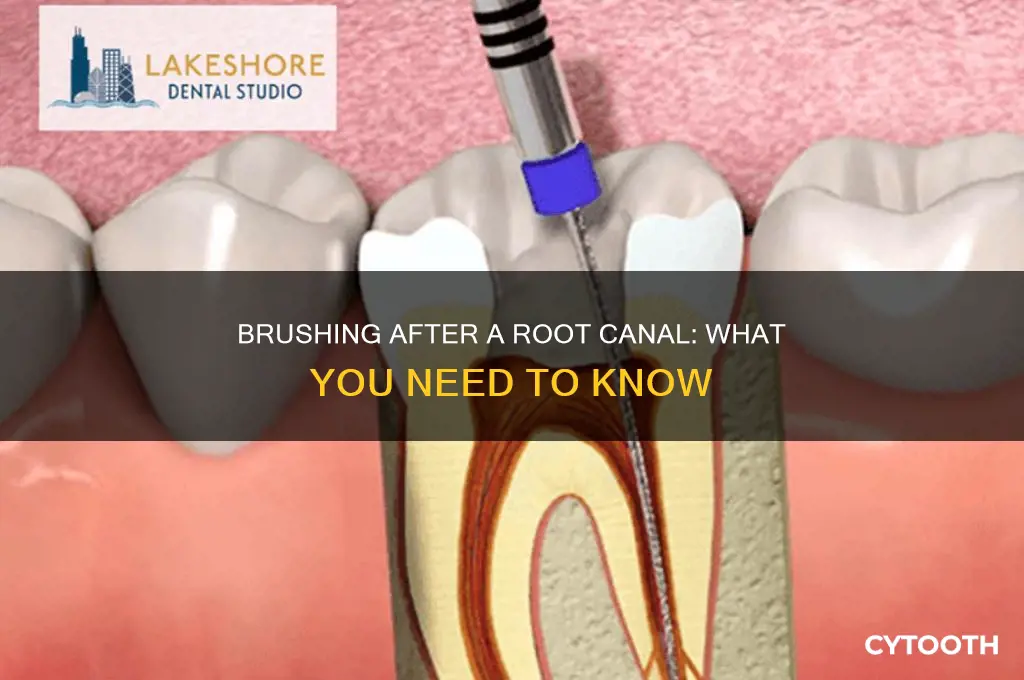
After undergoing a root canal procedure, it’s natural to have questions about post-treatment care, including whether it’s safe to brush your teeth. Generally, you can and should continue brushing your teeth after a root canal, but it’s important to do so gently, especially around the treated area. Your dentist may advise avoiding the specific tooth for the first 24 hours or until any numbness wears off to prevent irritation. Using a soft-bristled toothbrush and fluoride toothpaste is recommended, and you should avoid aggressive brushing or flossing near the treated tooth until it’s fully healed. Maintaining good oral hygiene is crucial to prevent further issues and ensure the success of the root canal. Always follow your dentist’s specific instructions for the best recovery.
| Characteristics | Values |
|---|---|
| Can I brush my tooth after root canal? | Yes, but with caution and gentle care. |
| Timing after procedure | Wait at least 24 hours or as advised by your dentist. |
| Brushing technique | Use a soft-bristled toothbrush and gentle, circular motions. |
| Tooth sensitivity | Avoid aggressive brushing to prevent discomfort on the treated tooth. |
| Flossing | Avoid flossing around the treated area for a few days unless instructed. |
| Mouthwash use | Use a mild, alcohol-free mouthwash to avoid irritation. |
| Pain management | If brushing causes pain, consult your dentist immediately. |
| Follow-up care | Attend scheduled follow-up appointments for proper healing. |
| Temporary filling | Be cautious around temporary fillings to avoid dislodging them. |
| Dietary restrictions | Avoid hard, crunchy, or sticky foods that could damage the treated area. |
| Oral hygiene importance | Maintain good oral hygiene to prevent further complications. |
What You'll Learn
- Immediate Post-Procedure Care: Guidelines for brushing teeth right after a root canal treatment
- Sensitivity Management: How to handle tooth sensitivity while brushing post-root canal
- Brushing Techniques: Recommended methods to clean teeth safely after the procedure
- Timing After Treatment: When it’s safe to brush after a root canal
- Oral Hygiene Tips: Best practices to maintain oral health post-root canal

Immediate Post-Procedure Care: Guidelines for brushing teeth right after a root canal treatment
After a root canal, your tooth and surrounding gums are sensitive, but maintaining oral hygiene is still crucial. Brushing your teeth is not only possible but necessary, though it requires a gentle, mindful approach. The key is to avoid aggravating the treated area while ensuring plaque and debris don’t accumulate. Use a soft-bristled toothbrush and fluoride toothpaste, and apply minimal pressure—think of it as massaging rather than scrubbing. Focus on cleaning the surfaces of the teeth while avoiding direct pressure on the treated tooth, especially if it’s still tender.
The timing of your first brush post-procedure matters. Wait at least 24 hours if a temporary filling or crown was placed, as this allows the materials to set properly. If no temporary restoration was used, you can brush gently the same day, but be cautious around the treated area. Rinsing with warm salt water before brushing can help soothe the gums and reduce inflammation, making the process more comfortable. Avoid vigorous rinsing or spitting, as this can dislodge blood clots and delay healing.
One common mistake is neglecting the non-treated teeth out of fear of harming the root canal site. However, skipping brushing altogether can lead to plaque buildup and potential infection elsewhere in the mouth. Instead, adopt a strategic approach: tilt the brush at a 45-degree angle to clean the gum line of adjacent teeth without touching the sensitive area. Electric toothbrushes with pressure sensors can be particularly useful here, as they minimize the risk of over-brushing.
For the first few days, prioritize gentle care over thoroughness. If the treated tooth is in the back of the mouth, consider using a small-headed toothbrush or interdental brush to navigate tight spaces without disturbing the site. Flossing is also essential but should be done carefully—slide the floss gently up and down against the tooth surface rather than snapping it into place. If bleeding occurs, ease off and consult your dentist if it persists.
Finally, monitor your symptoms and adjust your routine as needed. If swelling, pain, or sensitivity worsens after brushing, switch to a softer brush or reduce pressure. Follow your dentist’s post-procedure instructions closely, especially regarding medications like antibiotics or pain relievers. Remember, the goal is to keep your mouth clean while allowing the treated area to heal. With patience and precision, you can maintain oral hygiene without compromising your recovery.
Can Retainers Cause Tooth Death? Understanding the Risks of Tight Wear
You may want to see also
Sensitivity Management: How to handle tooth sensitivity while brushing post-root canal
Post-root canal sensitivity is a common concern, often stemming from inflamed nerves or temporary gum irritation. While brushing is essential for oral hygiene, it can exacerbate discomfort if not approached carefully. Understanding the root cause of this sensitivity is the first step in managing it effectively. Inflammation around the treated tooth or exposure of dentin tubules can lead to heightened sensitivity, making even gentle brushing feel unbearable. Recognizing these triggers allows for targeted solutions that balance cleanliness with comfort.
To minimize sensitivity while brushing, start by selecting a soft-bristled toothbrush and desensitizing toothpaste containing potassium nitrate or fluoride. These ingredients help block nerve signals and strengthen enamel, reducing discomfort over time. Brush using gentle, circular motions, avoiding aggressive scrubbing that can irritate the gums or enamel. Focus on the treated area but apply minimal pressure, ensuring thorough cleaning without aggravating the tooth. Consistency is key—regular, gentle brushing promotes healing and prevents plaque buildup, which can worsen sensitivity.
Incorporating a fluoride mouthwash into your routine can further alleviate sensitivity. Rinse with a fluoride solution for one minute daily, as it helps remineralize the tooth surface and reduces nerve exposure. For immediate relief, avoid extreme temperatures in food and drinks, as they can trigger pain. If sensitivity persists despite these measures, consider using a prescription-strength desensitizing gel or toothpaste recommended by your dentist. These products often contain higher concentrations of active ingredients for more effective results.
While managing sensitivity, be mindful of potential pitfalls. Overusing desensitizing products or brushing too frequently can lead to enamel wear or gum recession, counteracting your efforts. Stick to brushing twice daily and follow product instructions carefully. If sensitivity worsens or is accompanied by swelling, pain, or discharge, consult your dentist promptly, as these could indicate an infection or other complications. Proper sensitivity management post-root canal requires patience and precision, but with the right approach, you can maintain oral health without discomfort.
Sore Tooth, Headache Connection: Understanding the Surprising Link
You may want to see also
Brushing Techniques: Recommended methods to clean teeth safely after the procedure
After a root canal, the treated tooth and surrounding gums are sensitive, requiring a gentle yet effective brushing approach. Start by selecting a soft-bristled toothbrush, as it minimizes irritation to the gum line and the temporary filling often placed after the procedure. Electric toothbrushes with pressure sensors can also be beneficial, ensuring you don’t apply excessive force. Hold the brush at a 45-degree angle to the gum line, using small, circular motions rather than aggressive back-and-forth strokes. Focus on cleaning all surfaces of the teeth, including the treated area, but avoid pressing hard or scrubbing vigorously.
The timing and frequency of brushing post-root canal are crucial. Dentists typically recommend waiting at least 24 hours after the procedure before brushing the treated tooth to allow the anesthesia to wear off and the area to stabilize. Once you resume brushing, aim for twice daily, as over-brushing can exacerbate sensitivity or disrupt the temporary filling. If you experience discomfort, rinse with warm salt water before and after brushing to reduce inflammation and keep the area clean.
Flossing is often overlooked but remains essential, even after a root canal. Use a gentle, sliding motion to guide floss between teeth, avoiding snapping it into the gums. For the treated tooth, consider using a floss threader or water flosser to clean around the area without disturbing the temporary filling. If traditional floss causes pain, opt for a waxed or PTFE-coated variety, which glides more smoothly and reduces friction.
Lastly, incorporate an antimicrobial mouthwash into your routine to combat bacteria and promote healing. Look for alcohol-free options to prevent drying out the mouth, which can increase sensitivity. Rinse for 30 seconds once daily, preferably at night, to complement your brushing and flossing. By combining these techniques, you can maintain oral hygiene while safeguarding the treated tooth during its recovery period.
Saving a Cracked Tooth Under a Crown: Is It Possible?
You may want to see also
Timing After Treatment: When it’s safe to brush after a root canal
After a root canal, the timing of when you can safely brush your tooth depends largely on how your mouth feels and heals. Immediately following the procedure, your tooth and surrounding gums may be numb, tender, or swollen due to the anesthesia and the treatment itself. Brushing too soon or too aggressively can irritate the area, potentially causing discomfort or disrupting the healing process. Most dentists recommend waiting at least 2–3 hours after the procedure to allow the anesthesia to wear off and for initial sensitivity to subside. This waiting period ensures you can gauge your comfort level before reintroducing oral hygiene routines.
Once the numbness fades, you can gently resume brushing, but with a few modifications. Use a soft-bristled toothbrush and avoid applying excessive pressure to the treated tooth. Focus on cleaning the surrounding teeth and gums thoroughly while being cautious around the root canal site. Fluoride toothpaste is generally safe, but if the area feels particularly sensitive, consider using a toothpaste designed for sensitive teeth. Avoid electric toothbrushes or water flossers for the first 24 hours, as their intensity might aggravate the treated area. The goal is to maintain oral hygiene without compromising the healing process.
The first 48 hours post-treatment are critical for healing, so it’s essential to monitor how your tooth responds to brushing. If you experience persistent pain, swelling, or bleeding, pause brushing the affected area and consult your dentist. They may recommend a temporary halt to brushing the treated tooth or suggest using a prescribed mouthwash to aid healing. After 48 hours, most patients can return to their regular brushing routine, provided there are no complications. However, always follow your dentist’s specific instructions, as individual healing times can vary.
A practical tip to ensure safe brushing after a root canal is to start with gentle, circular motions around the treated tooth, gradually increasing pressure as comfort allows. Rinsing with warm salt water after brushing can also soothe the area and promote healing. Remember, the key is patience—rushing back into normal brushing habits can delay recovery. By respecting your mouth’s healing timeline and adjusting your approach, you can maintain oral health without risking further issues.
Can Orthodontists Repair Chipped Teeth? Expert Insights and Solutions
You may want to see also
Oral Hygiene Tips: Best practices to maintain oral health post-root canal
After a root canal, your tooth is more vulnerable than you might think. The treated area needs time to heal, but that doesn’t mean oral hygiene takes a backseat. In fact, gentle yet consistent care is crucial to prevent infection and ensure long-term success. Start by waiting at least 24 hours before brushing the treated tooth to avoid irritating the sensitive area. When you do resume brushing, use a soft-bristled toothbrush and fluoride toothpaste, applying minimal pressure. Focus on cleaning around the tooth without directly scrubbing the treated area. This balance of caution and diligence sets the stage for a smooth recovery.
One common mistake post-root canal is neglecting the gum line. Even if the tooth itself feels tender, plaque buildup around the gums can lead to complications. Flossing is non-negotiable, but be extra careful near the treated tooth. Use unwaxed floss or a floss threader to avoid dislodging temporary fillings or causing discomfort. If traditional flossing is too challenging, consider a water flosser on a low setting. Pair this with an antimicrobial mouthwash (alcohol-free to prevent drying) to reduce bacteria and promote healing. These steps ensure that your gums remain healthy while the tooth recovers.
Diet plays a surprising role in post-root canal oral hygiene. Sticky, hard, or chewy foods can disrupt the temporary filling or irritate the treated area. Opt for soft, nutrient-rich foods like yogurt, mashed vegetables, and smoothies for the first few days. Avoid hot or cold beverages that could cause sensitivity, and steer clear of sugary snacks that fuel bacterial growth. Staying hydrated with water also helps maintain saliva production, which naturally cleanses the mouth. Think of your diet as a temporary ally in protecting your tooth during its most fragile phase.
Finally, don’t skip follow-up appointments. Your dentist will monitor the healing process and place a permanent crown to safeguard the tooth. Until then, be mindful of unusual symptoms like persistent pain, swelling, or discharge, which could signal an infection. While it’s normal to experience mild discomfort, any worsening symptoms warrant immediate attention. By combining gentle oral care, mindful eating, and proactive monitoring, you’ll not only protect your investment in the root canal but also preserve your overall oral health for years to come.
Can a Bad Tooth Cause Dizziness? Exploring the Surprising Connection
You may want to see also
Frequently asked questions
It’s best to wait at least a few hours after a root canal before brushing to avoid irritating the treated area. Once the numbness wears off, you can gently brush, being careful around the treated tooth.
Use a soft-bristled toothbrush to avoid putting excessive pressure on the treated tooth. Avoid hard or medium bristles, as they can cause discomfort or damage.
Yes, but opt for a mild, alcohol-free mouthwash to avoid irritation. Avoid vigorous rinsing immediately after the procedure, and follow your dentist’s specific instructions.