Olivia Bennett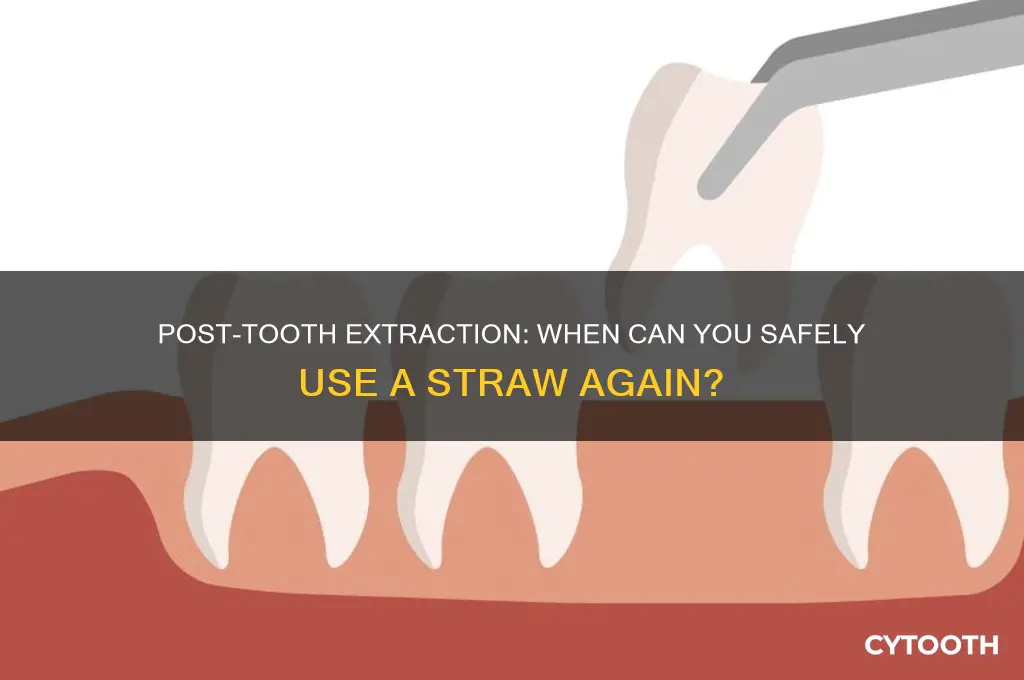
After having a tooth removed, it’s crucial to follow post-operative care guidelines to ensure proper healing and avoid complications. One common question patients have is how soon they can use a straw, as suction can disrupt the blood clot forming in the extraction site, leading to a painful condition called dry socket. Generally, dentists recommend avoiding straws for at least 24 to 72 hours after tooth removal, depending on the complexity of the extraction and individual healing progress. It’s essential to prioritize rest, gentle care, and following your dentist’s specific instructions to promote a smooth recovery.
| Characteristics | Values |
|---|---|
| Recommended Waiting Period | 24 to 72 hours (1 to 3 days) after tooth removal |
| Reason for Restriction | Suction from straws can dislodge blood clots and delay healing |
| Risk of Dry Socket | Increased risk if straws are used too soon |
| Healing Process Impact | Prolonged healing and potential complications if used prematurely |
| Alternative Drinking Methods | Sip directly from a cup or use a spoon to avoid suction |
| Post-Procedure Instructions | Follow dentist's specific guidelines for your case |
| Gradual Reintroduction | Slowly reintroduce straw use after the recommended waiting period |
| Symptoms to Monitor | Pain, swelling, or exposed bone indicating dry socket |
| Professional Advice | Always consult your dentist or oral surgeon for personalized advice |
What You'll Learn
- Immediate Post-Op Care: Avoid straws for 24 hours to prevent dry socket risk
- Healing Timeline: Wait at least 3-4 days before using a straw safely
- Straw Suction Risk: Suction can dislodge blood clots, delaying healing
- Alternative Drinking Methods: Use a cup or sip gently to avoid pressure
- Signs of Complications: Watch for pain, swelling, or bleeding after straw use

Immediate Post-Op Care: Avoid straws for 24 hours to prevent dry socket risk
After a tooth extraction, the first 24 hours are critical for healing. During this period, the blood clot that forms in the socket is vulnerable to dislodgement, which can lead to a painful condition known as dry socket. One seemingly harmless activity that poses a significant risk is using a straw. The suction created by sipping through a straw can disrupt the clot, delaying healing and increasing discomfort. Therefore, it’s essential to avoid straws entirely for at least 24 hours post-operation.
The mechanism behind this risk is straightforward yet often overlooked. When you use a straw, the negative pressure generated in your mouth can pull the blood clot out of the extraction site. This clot is crucial because it protects the underlying bone and nerves, facilitating the healing process. Without it, the socket becomes exposed, leading to intense pain, bad breath, and potential infection. Even a single sip through a straw within the first 24 hours can undo the body’s initial healing efforts.
To minimize the risk of dry socket, follow these practical steps during the first day after tooth removal. First, opt for gentle sipping directly from a cup instead of using a straw. Second, avoid vigorous rinsing or spitting, as these actions can also dislodge the clot. Stick to soft, lukewarm foods and beverages, and stay hydrated without creating suction in your mouth. If you’re unsure about any activity, consult your dentist or oral surgeon for guidance.
Comparing the consequences of using a straw versus avoiding it highlights the importance of this simple precaution. Ignoring the 24-hour rule can result in a dry socket, which typically requires additional treatment and extends recovery time. In contrast, adhering to this guideline significantly reduces the likelihood of complications, allowing for a smoother and less painful healing process. The temporary inconvenience of avoiding straws is a small price to pay for avoiding prolonged discomfort.
Finally, consider this takeaway: the first 24 hours after tooth removal are a delicate window for healing. By eliminating straw use during this period, you actively protect the blood clot and support your body’s natural recovery process. This small but crucial step can make a substantial difference in your post-operative experience, ensuring a faster return to normalcy without unnecessary pain or complications.
Can One Tooth Have Multiple Cavities? Surprising Dental Truths Revealed
You may want to see also
Healing Timeline: Wait at least 3-4 days before using a straw safely
After a tooth extraction, the first 24–48 hours are critical for clot formation, a process known as primary healing. During this time, the blood clot acts as a protective barrier, preventing infection and promoting tissue repair. Using a straw too soon can create suction in the mouth, dislodging this clot and leading to a painful condition called dry socket. This complication not only delays healing but also intensifies discomfort, making it crucial to avoid straws—and any forceful suction—during this initial phase.
By day 3–4, the clot has typically stabilized, and the risk of dislodging it decreases significantly. This marks the transition to secondary healing, where new tissue begins to form. While the extraction site is still vulnerable, gentle activities like sipping through a straw become safer. However, caution is key: take small, slow sips and avoid creating strong suction. Opt for softer beverages like room-temperature water or diluted fruit juice, steering clear of hot, carbonated, or alcoholic drinks that could irritate the site.
For those who rely on straws for convenience or medical reasons, alternatives can bridge the gap during the first 3–4 days. Drinking directly from a cup or using a soft-tipped lid minimizes suction and reduces the risk of disturbing the clot. Additionally, maintaining good oral hygiene—gently rinsing with warm salt water after meals and avoiding the extraction site with a toothbrush—supports healing and prepares the mouth for gradual reintroduction of normal activities.
While the 3–4 day mark is a general guideline, individual healing times vary based on factors like age, overall health, and the complexity of the extraction. Younger patients or those with robust immune systems may heal faster, while older adults or individuals with compromised health might require more time. Always consult your dentist or oral surgeon for personalized advice, especially if you experience persistent pain, swelling, or signs of infection. Patience during this period ensures a smoother recovery and reduces the likelihood of complications.
Can a Tooth Implant Be Removed? Understanding the Process and Possibilities
You may want to see also
Straw Suction Risk: Suction can dislodge blood clots, delaying healing
After a tooth extraction, the formation of a blood clot in the socket is crucial for proper healing. This clot acts as a protective barrier, preventing infection and promoting the growth of new tissue. However, using a straw too soon can create a suction force that dislodges this delicate clot, leading to a painful condition called dry socket. This complication not only delays healing but also exposes the underlying bone and nerves, causing intense discomfort.
The risk of dislodging a blood clot through straw suction is highest in the first 24 to 72 hours after extraction, when the clot is still fragile. During this critical period, it’s essential to avoid any activity that creates negative pressure in the mouth, including sipping through a straw, smoking, or vigorous rinsing. Even seemingly gentle suction can disrupt the clot, so patience is key. For those who rely on straws for drinking, consider switching to sipping directly from a cup or using a lid with a small opening to minimize suction.
To mitigate the risk, follow a graduated approach to reintroducing straw use. After the initial 72-hour window, gradually test your comfort level with minimal suction. Start by using a wider straw, which reduces the force exerted on the extraction site. If you experience no pain or bleeding, you may cautiously resume normal straw use. However, if discomfort persists, wait another day or two before trying again. Always prioritize the healing process over convenience.
Practical tips can further reduce the risk of clot dislodgement. Maintain a soft diet during the first week to avoid pressure on the extraction site. Stay hydrated by drinking plenty of water, but do so slowly and gently. Avoid hot beverages and alcohol, as they can interfere with clot stability. If you’re unsure about when it’s safe to use a straw, consult your dentist or oral surgeon for personalized advice. Remember, a little caution now can prevent significant pain and complications later.
Fixing Exposed Tooth Roots: Treatment Options and Solutions Explained
You may want to see also
Alternative Drinking Methods: Use a cup or sip gently to avoid pressure
After tooth removal, the suction created by using a straw can dislodge blood clots, leading to a painful condition called dry socket. This risk is highest in the first 24 to 72 hours post-extraction, making it crucial to avoid straws during this critical period. Instead, opt for alternative drinking methods that minimize pressure and suction in the mouth. Using a cup or sipping gently directly from the glass are simple yet effective ways to stay hydrated without compromising the healing process. These methods ensure that the surgical site remains undisturbed, reducing the risk of complications.
Consider the mechanics of drinking from a cup versus a straw. When you sip from a cup, the liquid flows naturally into your mouth without creating a vacuum, which is essential for protecting the extraction site. Tilt your head slightly forward and take small, controlled sips to avoid sloshing liquid around the sensitive area. For children or individuals who struggle with coordination, using a cup with a lid and a small spout can provide additional control and prevent accidental spills. This approach not only safeguards the healing site but also fosters independence in drinking during recovery.
For those who find sipping directly from a cup challenging, gentle sipping through a modified straw can be a viable alternative. However, this requires a specific technique to avoid suction. Place the straw near the front of your mouth, allowing the liquid to flow passively rather than actively sucking it. This method mimics the natural flow of drinking from a cup while providing the familiarity of a straw. It’s a compromise that can be particularly useful for older adults or individuals with limited mobility, ensuring they remain hydrated without jeopardizing their recovery.
Incorporating these alternative drinking methods into your post-extraction routine requires mindfulness and patience. Set reminders to drink slowly and deliberately, especially during the first few days when the risk of dry socket is highest. Keep a cup or modified straw within easy reach to avoid the temptation of using a traditional straw. By prioritizing gentle sipping and avoiding suction, you can support a smooth and complication-free recovery, ensuring that your oral health remains on track.
Can Adult Teeth Regenerate? Exploring the Science Behind Tooth Regrowth
You may want to see also
Signs of Complications: Watch for pain, swelling, or bleeding after straw use
After tooth removal, using a straw too soon can disrupt the healing process, potentially leading to complications like dry socket. While many sources advise waiting at least 24 to 48 hours before using a straw, the real concern lies in recognizing signs of trouble afterward. Pain, swelling, or bleeding after straw use are red flags that should not be ignored. These symptoms may indicate that the blood clot protecting the extraction site has been dislodged or irritated, requiring immediate attention.
Analyzing these signs, pain is often the first indicator of a problem. If you experience sharp, throbbing, or persistent pain after using a straw, it could mean the suction created has disturbed the healing area. Swelling, another common issue, may suggest inflammation or infection, especially if it worsens over time. Bleeding, even if minimal, is a clear sign that the extraction site has been compromised. Together, these symptoms warrant a call to your dentist to prevent further complications.
Instructively, if you notice any of these signs, cease straw use immediately and rinse gently with warm salt water to soothe the area. Avoid hot or cold beverages, as extreme temperatures can exacerbate discomfort. Applying a cold compress to the outside of your cheek can help reduce swelling, but do not apply ice directly to the extraction site. Over-the-counter pain relievers like ibuprofen (200–400 mg every 6 hours) can manage pain, but consult your dentist before taking any medication.
Comparatively, while minor discomfort after tooth removal is normal, the severity and persistence of symptoms after straw use differentiate typical healing from complications. For instance, mild soreness might resolve within hours, but sharp pain that lingers or intensifies is a cause for concern. Similarly, slight swelling is expected, but noticeable increases in size or hardness around the extraction site indicate a problem. Understanding these distinctions ensures you respond appropriately rather than dismissing warning signs.
Practically, prevention is key. If you must use a straw, opt for a wider, softer variety to minimize suction force. Sip gently and avoid vigorous sucking motions. For children or elderly individuals, who may be more prone to complications, consider avoiding straws altogether during the initial healing period. Always follow your dentist’s post-extraction guidelines, as individual healing times vary based on factors like age, overall health, and the complexity of the extraction. Recognizing and addressing complications promptly ensures a smoother recovery and protects your oral health.
Emergency Dental Care: Keeping a Knocked-Out Tooth Moist for Preservation
You may want to see also
Frequently asked questions
It’s best to avoid using a straw for at least 24 to 72 hours after tooth removal to prevent disrupting the blood clot and causing a dry socket.
Yes, using a straw too soon can create suction in the mouth, dislodging the blood clot and leading to a painful condition called dry socket.
Wait at least 3 to 5 days after wisdom tooth removal before using a straw to ensure proper healing and minimize the risk of complications.
Yes, you can drink directly from a cup or use a spoon to sip liquids gently, avoiding any suction or pressure in the mouth.
Rinse gently with warm salt water and avoid further suction. Contact your dentist if you experience pain, swelling, or signs of a dry socket.