Hailey Morgan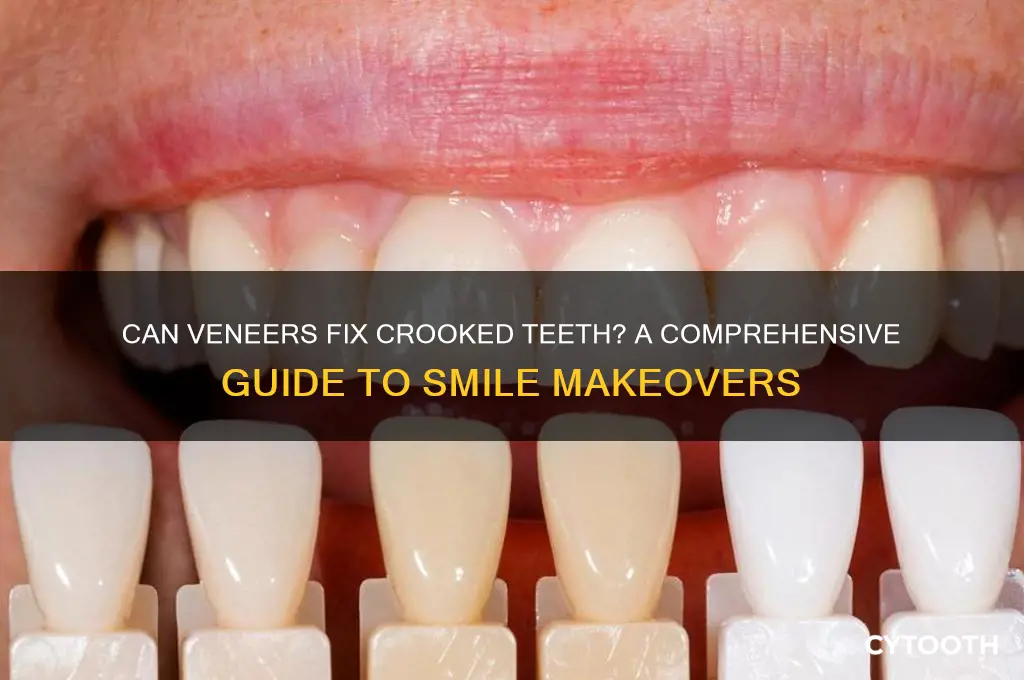
Veneers are a popular cosmetic dental solution that can effectively address a variety of aesthetic concerns, including crooked teeth. While they don't physically straighten a tooth like braces or aligners, veneers can create the appearance of a straighter smile by covering the front surface of the tooth with a custom-made, thin shell. Typically crafted from porcelain or composite resin, veneers are designed to match the color and shape of your natural teeth, providing a seamless and natural-looking result. For mildly crooked teeth, veneers can be an excellent option, offering a quicker and less invasive alternative to orthodontic treatments. However, for severely misaligned teeth, orthodontic solutions may still be necessary to ensure proper function and long-term oral health. Consulting with a dentist will help determine if veneers are the right choice for your specific case.
| Characteristics | Values |
|---|---|
| Can Veneers Fix Crooked Teeth? | Yes, but with limitations |
| Suitable for | Minor to moderate crookedness, small gaps, slight misalignments |
| Not Suitable for | Severe crookedness, bite issues, major orthodontic problems |
| Types of Veneers | Porcelain, Composite Resin |
| Procedure | Minimally invasive, tooth preparation required, custom-made shells bonded to teeth |
| Duration | Typically 2-3 visits, 1-2 weeks for final placement |
| Longevity | Porcelain: 10-15 years, Composite: 5-7 years |
| Cost | Porcelain: $925 - $2,500 per tooth, Composite: $250 - $1,500 per tooth |
| Advantages | Quick results, aesthetic improvement, minimal tooth reduction compared to crowns |
| Disadvantages | Irreversible, not a solution for underlying orthodontic issues, potential for chipping or staining |
| Alternatives | Invisalign, braces, dental bonding, crowns |
| Maintenance | Regular brushing, flossing, dental check-ups, avoid hard foods |
| Pain/Discomfort | Minimal, local anesthesia used during tooth preparation |
| Recovery Time | Immediate, slight sensitivity for a few days |
| Success Rate | High for cosmetic improvements, depends on patient compliance and oral hygiene |
What You'll Learn

Veneers vs. Orthodontics for Crooked Teeth
Crooked teeth can be a source of self-consciousness, but modern dentistry offers solutions beyond traditional braces. Veneers and orthodontics both aim to improve tooth alignment, yet they differ fundamentally in approach, duration, and outcome. Veneers, thin porcelain or composite shells bonded to the front of teeth, offer a quick cosmetic fix by masking imperfections. Orthodontics, on the other hand, uses braces or clear aligners to physically move teeth into proper position, addressing both aesthetics and function. The choice between the two depends on the severity of the misalignment, the patient’s goals, and their willingness to commit to long-term treatment.
For minor crookedness or gaps, veneers can be a transformative option. The process typically involves two to three dental visits. During the first visit, a small amount of enamel is removed to prepare the tooth surface. Impressions are then taken to create custom veneers, which are bonded in place during the final visit. This method is minimally invasive and yields immediate results, often within weeks. However, veneers are not a solution for severely misaligned teeth or bite issues, as they only alter appearance, not tooth position or jaw alignment. Patients must also consider that veneers are irreversible and may require replacement every 10–15 years.
Orthodontics, whether through traditional braces or clear aligners like Invisalign, tackles crooked teeth at their root. Treatment duration varies widely—from 6 months for mild cases to 2–3 years for complex misalignments. Braces use wires and brackets to apply continuous pressure, gradually shifting teeth into place. Clear aligners offer a more discreet alternative, with custom-fitted trays changed every 1–2 weeks. While orthodontics demands patience and diligence, it corrects bite issues, improves oral health, and ensures long-term stability. Unlike veneers, orthodontics preserves the natural tooth structure and can prevent future problems like uneven wear or TMJ disorders.
Cost is another critical factor in the veneers vs. orthodontics debate. Veneers can range from $800 to $2,500 per tooth, making them a significant investment, especially for multiple teeth. Orthodontic treatment costs between $3,000 and $8,000, depending on complexity and the type of appliance. Insurance often covers a portion of orthodontics, particularly for functional issues, whereas veneers are typically considered cosmetic and may not be covered. Patients should weigh the financial commitment against the longevity and functional benefits of each option.
Ultimately, the decision between veneers and orthodontics hinges on individual needs and priorities. Veneers provide a swift, dramatic improvement for superficial crookedness, ideal for those seeking immediate results. Orthodontics, while time-consuming, offers a holistic solution by correcting alignment and bite issues, ensuring both beauty and functionality. Consulting a dentist or orthodontist is essential to determine the most suitable approach. Whether prioritizing speed or sustainability, both options can deliver a confident, healthier smile.
Can Tooth Resorption Be Halted? Understanding Causes and Treatment Options
You may want to see also
Types of Veneers for Misaligned Teeth
Veneers can indeed address crooked teeth, but not all types are created equal. For minor misalignment, porcelain veneers are the gold standard. These ultra-thin shells, custom-crafted to mimic natural teeth, are bonded to the front surface of the tooth. Their durability (10-15 years with proper care) and stain resistance make them a long-term solution. However, they require enamel removal, a permanent alteration to your natural teeth.
Lumineers, a specific brand of porcelain veneers, offer a less invasive alternative. Their thinner design often eliminates the need for enamel reduction, making them reversible. While this is appealing, Lumineers may not be suitable for severe misalignment due to their limited thickness.
For those seeking a more conservative approach, composite resin veneers are a viable option. Applied directly to the tooth in layers, they can be sculpted and shaped during the same appointment. This "direct bonding" technique allows for minor adjustments to tooth alignment. However, composite resin is more prone to staining and chipping compared to porcelain, typically lasting 5-7 years.
No-prep veneers, as the name suggests, require minimal to no enamel removal. These ultra-thin veneers are ideal for patients hesitant about altering their natural teeth. While they can improve the appearance of slightly crooked teeth, their effectiveness is limited for more pronounced misalignment.
The choice of veneer type depends on the severity of your misalignment, your budget, and your desired level of permanence. Porcelain offers the most dramatic and long-lasting results, while composite resin provides a more affordable and reversible option. No-prep veneers strike a balance between aesthetics and preservation of natural tooth structure. Consulting with a qualified dentist is crucial to determine the most suitable veneer type for your individual needs.
Can a Tooth Implant Be Removed? Understanding the Process and Possibilities
You may want to see also
Veneer Procedure for Crooked Teeth Explained
Veneers can indeed address crooked teeth, but they don’t physically straighten them. Instead, they create the illusion of alignment by covering the front surface of the tooth with a custom-made shell. This cosmetic solution is particularly effective for minor misalignments, gaps, or uneven teeth where orthodontic treatment might be excessive. The process involves careful planning, minimal tooth preparation, and precise placement to achieve a natural, harmonious smile.
The veneer procedure begins with a consultation, where a dentist evaluates the teeth’s condition, discusses expectations, and determines if veneers are suitable. Unlike braces or aligners, veneers are irreversible, as a small layer of enamel (about 0.5 mm) must be removed to accommodate the shell. This step is crucial for ensuring a seamless fit and avoiding a bulky appearance. Impressions or digital scans of the teeth are then taken to craft veneers that match the desired shape, size, and shade.
Next, the veneers are fabricated, typically over 2–3 weeks, either in a dental lab or using advanced chairside CAD/CAM technology. Temporary veneers may be placed during this waiting period. Once ready, the dentist checks the fit, color, and bite alignment before permanently bonding the veneers to the teeth using a specialized adhesive. A curing light hardens the cement, and final adjustments are made to ensure comfort and aesthetics.
While veneers offer a quick fix for crooked teeth, they aren’t for everyone. Patients with severe misalignment, gum disease, or insufficient enamel may require alternative treatments. Additionally, veneers require diligent oral hygiene to prevent decay around the margins. With proper care, they can last 10–15 years, making them a durable and transformative option for those seeking a straighter smile without braces.
Practical tips for veneer candidates include avoiding excessive force on the teeth (e.g., chewing hard foods or using teeth as tools) and maintaining regular dental check-ups. Whitening treatments should be completed before the procedure, as veneers don’t respond to bleaching agents. For those hesitant about enamel removal, “no-prep” veneers are an option, though they’re less common and may not suit all cases. Ultimately, veneers provide a minimally invasive, highly effective solution for achieving the appearance of straight teeth in just a few appointments.
Can a Bad Tooth Cause Dizziness? Exploring the Surprising Connection
You may want to see also
Cost of Veneers for Tooth Straightening
Veneers can indeed correct the appearance of crooked teeth, but this cosmetic solution comes with a price tag that varies widely. The cost of veneers for tooth straightening typically ranges from $800 to $2,500 per tooth, depending on factors like material type, dentist expertise, and geographic location. Porcelain veneers, known for their durability and natural look, are on the higher end, while composite resin veneers offer a more budget-friendly option, though they may not last as long. Understanding these price differences is crucial for anyone considering veneers as a quick fix for misaligned teeth.
Before committing to veneers, it’s essential to weigh the financial investment against the benefits. Unlike traditional braces or clear aligners, veneers provide an immediate aesthetic improvement, often completed in just 2–3 dental visits. However, they are irreversible, as a small portion of the natural tooth enamel must be removed to accommodate the veneer. Patients should also consider long-term costs, such as potential replacements every 10–15 years for porcelain veneers or more frequent touch-ups for composite ones. Consulting with a dentist to evaluate your specific case is the first step in determining if veneers align with your budget and goals.
For those exploring veneers, several strategies can help manage costs without compromising quality. First, research dentists in your area and compare quotes, as prices can vary significantly even within the same city. Second, inquire about financing options or payment plans, which many dental offices offer to make the procedure more affordable. Third, consider dental tourism if you’re open to traveling, as countries like Mexico, Thailand, or Hungary often provide high-quality veneers at a fraction of the cost in the U.S. or U.K. However, ensure the clinic meets international standards and factor in travel expenses.
While veneers are a popular choice for straightening crooked teeth, they aren’t the only option. Alternatives like clear aligners (e.g., Invisalign) or traditional braces may be more cost-effective, especially for severe misalignment. Veneers are best suited for minor cosmetic issues, such as slightly crooked or uneven teeth, rather than significant orthodontic problems. Ultimately, the decision should be guided by a thorough consultation with a dentist or orthodontist, who can recommend the most appropriate and cost-effective solution for your unique needs.
Super Glue for Teeth: Safe Emergency Fix or Dental Disaster?
You may want to see also
Pros and Cons of Veneers for Crooked Teeth
Veneers can indeed mask the appearance of crooked teeth, offering a quick cosmetic fix without the need for braces or aligners. These thin, custom-made shells are bonded to the front surface of teeth, creating a straighter, more uniform smile. For minor misalignments or teeth that are slightly rotated, veneers can be a transformative solution, often completed in just a few visits to the dentist. However, they are not a structural correction—they simply cover the existing tooth, which means the underlying issue remains.
One of the most appealing pros of veneers for crooked teeth is their ability to deliver immediate results. Unlike orthodontic treatments that can take months or even years, veneers can be placed in as little as two to three appointments. This makes them an attractive option for individuals seeking a rapid improvement in their smile, particularly for special occasions like weddings or job interviews. Additionally, veneers are highly customizable, allowing patients to achieve their desired shade, shape, and size, often enhancing not just alignment but overall aesthetics.
Despite their benefits, veneers come with notable drawbacks. The process is irreversible, as a small amount of enamel must be removed to accommodate the veneer. This means that once veneers are placed, you’re committed to maintaining them for life. They are also more fragile than natural teeth and can chip or crack if subjected to excessive force, such as biting hard objects or grinding teeth. Furthermore, veneers typically need replacement every 10–15 years, adding to the long-term cost and maintenance.
Cost is another significant consideration. Veneers can range from $800 to $2,500 per tooth, depending on the material (porcelain or composite) and the dentist’s expertise. While they may seem like a quick fix, the financial investment can be substantial, especially compared to orthodontic options like clear aligners, which address the root cause of crooked teeth. Insurance rarely covers veneers since they are considered cosmetic, leaving patients to bear the full expense.
For those weighing their options, it’s crucial to consider the severity of the crookedness. Veneers are best suited for mild to moderate misalignments where the teeth are still relatively straight but may have gaps, overlaps, or slight rotations. For more severe cases, orthodontics may be the only effective solution. Consulting with both a cosmetic dentist and an orthodontist can provide a clearer picture of what’s achievable and sustainable in the long term. Ultimately, while veneers can beautifully mask crooked teeth, they are a cosmetic band-aid, not a cure.
Daily Use of GC Tooth Mousse: Safe or Overdoing It?
You may want to see also
Frequently asked questions
Veneers can improve the appearance of a crooked tooth by covering its surface, but they do not physically straighten it. They are primarily cosmetic and work best for minor misalignments.
Veneers are a long-term solution but not permanent. They may need replacement after 10–15 years. For significant crookedness, orthodontic treatments like braces or Invisalign are more effective.
Veneers are thin shells bonded to the front of teeth to alter their shape, size, and color. They can create the illusion of straighter teeth by masking minor imperfections.
Veneers are faster and more cosmetic, but they don’t address the root cause of crookedness. Braces or clear aligners are better for correcting alignment issues and improving overall dental health.