Hailey Morgan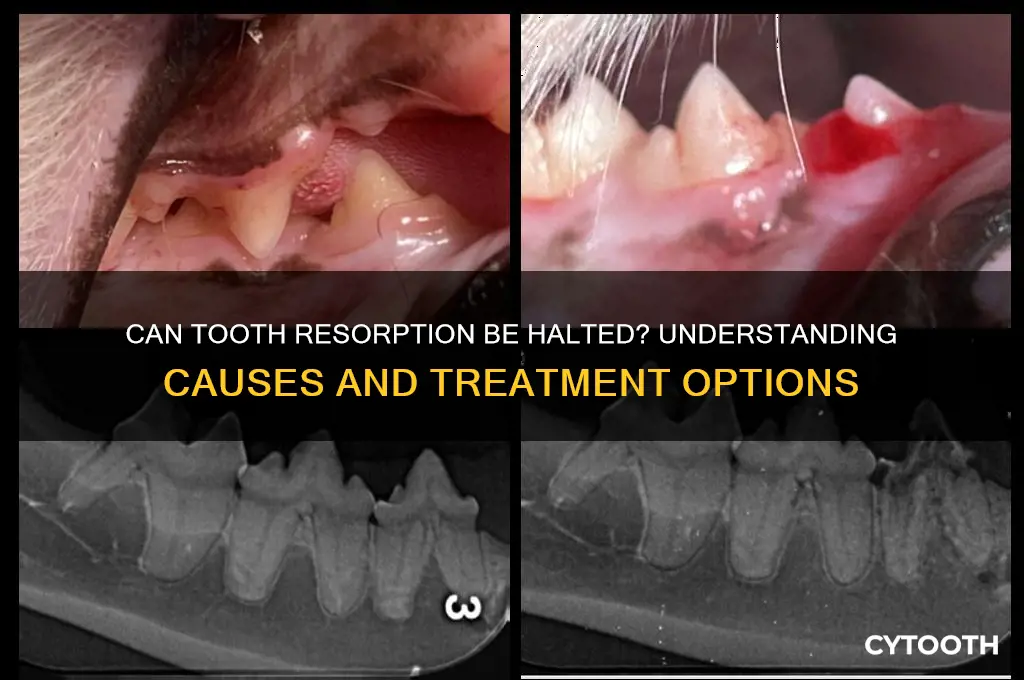
Tooth resorption, a process where the dentin or cementum of a tooth is broken down and absorbed by the body, raises concerns about its progression and potential treatment options. Many individuals affected by this condition wonder whether it can be halted or reversed, as it can lead to significant dental issues if left unchecked. The possibility of stopping tooth resorption largely depends on its underlying cause, which can range from trauma and infection to orthodontic treatment or systemic conditions. Early detection and intervention are crucial, as certain cases may respond to treatments such as root canal therapy, improved oral hygiene, or addressing contributing factors like bruxism. However, in some instances, the resorption may be irreversible, necessitating more extensive dental procedures to preserve oral health. Understanding the specific type and cause of resorption is essential for determining the most effective approach to managing this condition.
| Characteristics | Values |
|---|---|
| Definition | Tooth resorption is the breakdown and loss of tooth structure, often due to trauma, inflammation, or orthodontic treatment. |
| Can It Be Stopped? | Yes, in some cases, but depends on the type, cause, and stage of resorption. |
| Types of Resorption | External (from outside the tooth) and Internal (from inside the tooth). |
| Common Causes | Trauma, orthodontic treatment, infection, cysts, or systemic conditions. |
| Early Detection Importance | Crucial for successful intervention; early stages are more manageable. |
| Treatment Options | Root canal therapy, calcium hydroxide treatment, or extraction in severe cases. |
| Preventive Measures | Proper orthodontic care, timely treatment of dental trauma, and regular check-ups. |
| Prognosis | Varies; early intervention improves outcomes, but advanced cases may be irreversible. |
| Latest Research | Focus on biomaterials and regenerative therapies to halt or reverse resorption. |
| Patient Compliance | Essential for successful treatment, especially in orthodontic-related cases. |
What You'll Learn

Early Detection Methods
Tooth resorption often progresses silently, making early detection crucial for intervention. Regular dental check-ups are the cornerstone of identifying this condition before it advances. Dentists use visual examinations, probing, and radiographic imaging to spot subtle signs like changes in tooth color, shape, or density. For instance, a routine X-ray can reveal internal resorption as a dark, shadow-like area within the tooth, while external resorption may appear as a loss of tooth structure near the root. Patients should schedule biannual visits, especially if they have risk factors such as trauma, orthodontic treatment, or gum disease, to ensure timely detection.
Advancements in diagnostic technology have introduced more precise tools for early detection. Cone-beam computed tomography (CBCT) provides 3D imaging, offering a detailed view of tooth anatomy and aiding in differentiating between types of resorption. Another emerging method is the use of laser fluorescence devices, which detect changes in tooth enamel composition that may precede visible resorption. These technologies, while not yet standard in all practices, are particularly useful for high-risk patients or complex cases. Early adoption of such tools can significantly improve the chances of halting resorption before irreversible damage occurs.
Patient awareness plays a pivotal role in early detection. Symptoms like tooth sensitivity, mobility, or unexplained pain should not be ignored, as they can be early indicators of resorption. For example, a child experiencing discomfort after orthodontic treatment might be showing signs of external root resorption, a common complication. Parents and individuals should monitor oral health changes and communicate them promptly to their dentist. Keeping a symptom journal or noting changes in tooth appearance can provide valuable information during dental visits, enabling quicker diagnosis and intervention.
Preventive measures complement early detection by reducing the risk of resorption. For children and adolescents, especially those undergoing orthodontic treatment, dentists may recommend fluoride applications to strengthen enamel and reduce susceptibility to resorption. Adults can benefit from maintaining optimal oral hygiene and addressing conditions like bruxism or periodontal disease, which are known contributors. Additionally, athletes should use custom-fitted mouthguards to minimize trauma-induced resorption. Combining vigilance with proactive care creates a robust defense against this often-silent condition.
Can a Bad Tooth Cause Dizziness? Exploring the Surprising Connection
You may want to see also
Root Canal Treatment Options
Tooth resorption, a process where the tooth structure breaks down and is absorbed by the body, poses a significant challenge in dentistry. While not all cases can be halted, root canal treatment emerges as a pivotal option in managing this condition, particularly when the resorption affects the tooth's pulp. This procedure, known as pulpectomy or root canal therapy, involves removing the infected or damaged pulp, cleaning the root canals, and sealing them to prevent further infection. The success of this treatment in stopping resorption largely depends on the type and extent of resorption, with external inflammatory resorption showing better outcomes compared to internal resorption.
Analyzing the Procedure: Root canal treatment for resorption begins with a thorough diagnosis, often involving radiographs to assess the extent of damage. The dentist will administer local anesthesia to ensure comfort during the procedure. Using specialized instruments, the infected pulp is meticulously removed, and the canals are shaped and cleaned. This step is crucial as it eliminates the source of inflammation that often drives the resorptive process. Following this, the canals are filled with a biocompatible material, typically gutta-percha, and sealed with a dental cement to prevent recontamination. The tooth is then restored with a crown or filling to restore its function and appearance.
Practical Tips for Patients: Post-treatment care is essential to maximize the chances of stopping resorption. Patients should avoid chewing hard foods on the treated tooth until it is fully restored. Maintaining excellent oral hygiene, including regular brushing, flossing, and dental check-ups, is vital. In some cases, the dentist may prescribe antibiotics or anti-inflammatory medications to manage any residual infection or inflammation. It’s also important to monitor the tooth for any signs of discomfort or changes, as early intervention can prevent complications.
Comparative Insights: While root canal treatment is effective for many cases of resorption, it’s not a one-size-fits-all solution. For instance, invasive cervical resorption, a more aggressive form, may require additional interventions such as mineral trioxide aggregate (MTA) placement to repair the defect. In contrast, external resorption often responds well to standard root canal therapy. The choice of treatment depends on factors like the patient’s age, overall oral health, and the specific characteristics of the resorption. For children with developing teeth, alternative approaches like apexification or apexogenesis may be considered to preserve the tooth’s vitality.
Daily Use of GC Tooth Mousse: Safe or Overdoing It?
You may want to see also
Medication and Therapies
Tooth resorption, a process where the dentin or cementum of a tooth is broken down, can be a concerning dental issue. While not all cases can be halted, certain medications and therapies have shown promise in managing and potentially stopping its progression. The key lies in early detection and targeted intervention, often involving a combination of pharmacological and clinical approaches.
Pharmacological Interventions: A Delicate Balance
Calcium channel blockers, such as diltiazem, have been explored for their ability to inhibit osteoclast activity, the cells responsible for resorption. A typical dosage of 60–120 mg/day, administered orally, has been studied in adults, though long-term efficacy and safety require further research. Corticosteroids, like prednisone, may also be prescribed in low doses (5–10 mg/day) to reduce inflammation, but their use is cautious due to systemic side effects, particularly in patients with comorbidities like diabetes or hypertension. These medications are not one-size-fits-all; they are typically reserved for aggressive cases or when resorption is linked to systemic conditions like hyperparathyroidism.
Non-Invasive Therapies: Preserving Structure
Laser therapy, specifically low-level laser treatment (LLLT), has emerged as a non-invasive option to stimulate cellular repair and reduce inflammation. Sessions typically last 5–10 minutes per tooth, with a series of 3–5 treatments over several weeks. This method is particularly appealing for pediatric cases, where minimizing trauma is critical. Another approach is the application of fluoride treatments, either in-office (2% sodium fluoride gel) or at home (0.5% fluoride varnish), to strengthen enamel and slow resorption. These therapies are often adjunctive, supporting primary treatments rather than standing alone.
Surgical and Clinical Procedures: When Intervention is Necessary
In cases where resorption threatens the tooth’s viability, root canal therapy may be performed to remove infected or damaged tissue. This procedure, combined with the placement of a mineral trioxide aggregate (MTA) apical plug, can create a barrier against further resorption. For external resorption, a protective restoration, such as a composite resin or crown, may be applied post-treatment. These interventions require precision and are typically performed by endodontists or periodontists, with success rates varying based on the extent of damage.
Practical Considerations: Tailoring Treatment
Age and overall health significantly influence treatment choices. Children and adolescents, for instance, may benefit from less invasive options like fluoride therapy or LLLT, while adults with advanced resorption might require surgical intervention. Patient compliance is critical, particularly with at-home treatments or medication regimens. Regular follow-ups, including radiographic monitoring every 3–6 months, are essential to assess progress and adjust strategies as needed. While not all cases of tooth resorption can be stopped, a personalized, multidisciplinary approach maximizes the chances of preserving tooth structure and function.
Missing Tooth Impact: How One Gap Alters Facial Appearance and Structure
You may want to see also
Preventive Dental Care Tips
Tooth resorption, a process where the tooth structure breaks down and is absorbed by the body, can often be halted or slowed with proactive dental care. While some forms, like internal resorption, may require immediate professional intervention, preventive measures play a crucial role in minimizing risk. Here’s how to safeguard your teeth through targeted oral hygiene practices.
Fluoride: A Double-Edged Sword
Fluoride is a cornerstone of preventive dentistry, strengthening enamel and reducing decay. However, excessive fluoride intake, particularly in children under 8, can lead to dental fluorosis, a condition sometimes linked to resorption. Balance is key: use fluoride toothpaste in pea-sized amounts for kids, and opt for fluoridated water or mouth rinses only if recommended by your dentist. For adults, a fluoride varnish applied biannually during cleanings can fortify teeth without overexposure.
Gum Health: The Foundation of Tooth Preservation
Periodontal disease is a silent contributor to external root resorption, as bacteria erode the supporting structures of the tooth. Daily flossing and brushing with a soft-bristled toothbrush are non-negotiable. Incorporate an antimicrobial mouthwash containing chlorhexidine (0.12% concentration) for one week monthly to reduce plaque buildup. For those with gum recession, consider a prescription toothpaste like stannous fluoride, which has been shown to reduce inflammation and strengthen roots.
Trauma Prevention: Protecting Teeth from Within
Dental trauma, even minor, can trigger resorption months or years later. Athletes should wear custom-fitted mouthguards during contact sports, while bruxism sufferers (teeth grinders) benefit from nocturnal splints. Children with habits like thumb-sucking or tongue-thrusting may need orthodontic intervention to prevent misalignment, a risk factor for resorption. Regular dental check-ups can identify early signs of wear and recommend protective measures.
Nutrition: Feeding Your Teeth Right
Dietary choices directly impact tooth health. Acidic foods and beverages (citrus, soda) weaken enamel, making teeth susceptible to resorption. Limit acid exposure by drinking through straws and rinsing with water post-consumption. Calcium and vitamin D are essential for bone and tooth density; adults should aim for 1,000–1,200 mg of calcium daily, paired with 600–800 IU of vitamin D. Phosphorus-rich foods like eggs and lean meats also support enamel remineralization.
Professional Monitoring: Catching Resorption Early
Routine dental exams, including X-rays, are vital for detecting resorption before it progresses. Radiographs can reveal subtle changes in tooth density or root structure, often invisible to the naked eye. If resorption is suspected, your dentist may recommend more frequent visits or refer you to an endodontist. Early intervention, such as root canal therapy or surgical repair, can sometimes save the affected tooth and prevent further damage.
By integrating these preventive strategies into your dental care routine, you can significantly reduce the risk of tooth resorption and maintain a healthy smile for years to come.
Alcohol After Tooth Filling: Safe or Risky? Expert Advice
You may want to see also
Surgical Intervention Possibilities
Tooth resorption, a progressive condition where the dentin or cementum of a tooth is broken down, often poses a challenge for both patients and dental professionals. While conservative measures like root canal treatment or medication may help manage symptoms, surgical intervention emerges as a critical option when resorption threatens tooth viability. Among the surgical possibilities, apicoectomy stands out as a targeted procedure. This involves removing the diseased tip of the tooth’s root and any surrounding infected tissue, followed by sealing the root end to prevent further resorption. It is particularly effective for cases of external inflammatory resorption, where the root’s apex is compromised. Success rates for apicoectomy range from 85% to 90%, though patient selection is key—ideal candidates are those with healthy periodontal tissues and sufficient remaining root structure.
Another surgical approach is decoronation, a more radical yet effective method for managing severe resorption, particularly in cases of internal resorption or when the tooth’s crown is extensively damaged. This procedure involves removing the crown of the tooth while preserving the roots, which are then sealed and often capped with a prosthetic crown. Decoronation is especially useful in pediatric cases, such as managing resorption in primary teeth to maintain space for permanent successors. While it may seem invasive, it offers a functional and aesthetic solution, particularly when combined with modern restorative techniques like zirconia crowns. However, long-term success depends on meticulous postoperative care, including regular monitoring for recurrent resorption or infection.
For cases where resorption is linked to orthodontic treatment or dental trauma, surgical exposure and repositioning of the affected tooth may be considered. This involves exposing the tooth surgically, addressing the resorptive lesion, and repositioning the tooth to a more stable alveolar socket. This approach is often paired with guided tissue regeneration techniques, such as the use of bone grafts or membranes, to encourage healing and prevent further resorption. While this method is technically demanding and requires precise planning, it can salvage teeth that might otherwise be lost. Patients undergoing this procedure should be aware of the need for prolonged orthodontic stabilization and regular follow-ups to monitor healing.
Lastly, tooth extraction and implant placement represents a definitive surgical solution when resorption has rendered the tooth unsalvageable. While extraction is often seen as a last resort, modern dental implants offer a reliable and durable alternative, with success rates exceeding 95% in healthy patients. The key to successful implant placement lies in timing—allowing adequate healing of the extraction site (typically 3–6 months) to ensure optimal bone integration. Advances like immediate implant placement or the use of growth factors to accelerate healing are also being explored, though these require careful case selection. For patients considering this route, factors such as bone density, overall health, and financial considerations must be weighed against the benefits of a permanent solution.
In conclusion, surgical intervention for tooth resorption is not one-size-fits-all but a spectrum of options tailored to the specific type, stage, and cause of resorption. From apicoectomy to implant placement, each procedure demands precision, patient cooperation, and postoperative vigilance. While surgery may seem daunting, it often represents the best chance to halt resorption’s progression and preserve oral function and aesthetics. Consulting with a specialist to evaluate individual risks and benefits is essential for making an informed decision.
Can Retainers Cause Tooth Death? Understanding the Risks of Tight Wear
You may want to see also
Frequently asked questions
In some cases, tooth resorption can be slowed or stopped with early intervention, such as removing the cause (e.g., orthodontic pressure, trauma, or infection) and providing appropriate dental treatment. However, the success depends on the type, stage, and underlying cause of the resorption.
Treatment options include removing the cause of resorption, root canal therapy to save the tooth, or extraction if the tooth is severely damaged. In some cases, medications or fluoride therapy may be used to strengthen the tooth structure.
If orthodontic treatment is causing external root resorption, stopping or adjusting the treatment may halt the progression. Regular monitoring and early detection are crucial to prevent irreversible damage.
Prompt treatment of the underlying issue, such as addressing trauma or infection, can help stop resorption. Root canal therapy or other dental procedures may be necessary to save the affected tooth.