Ethan Brooks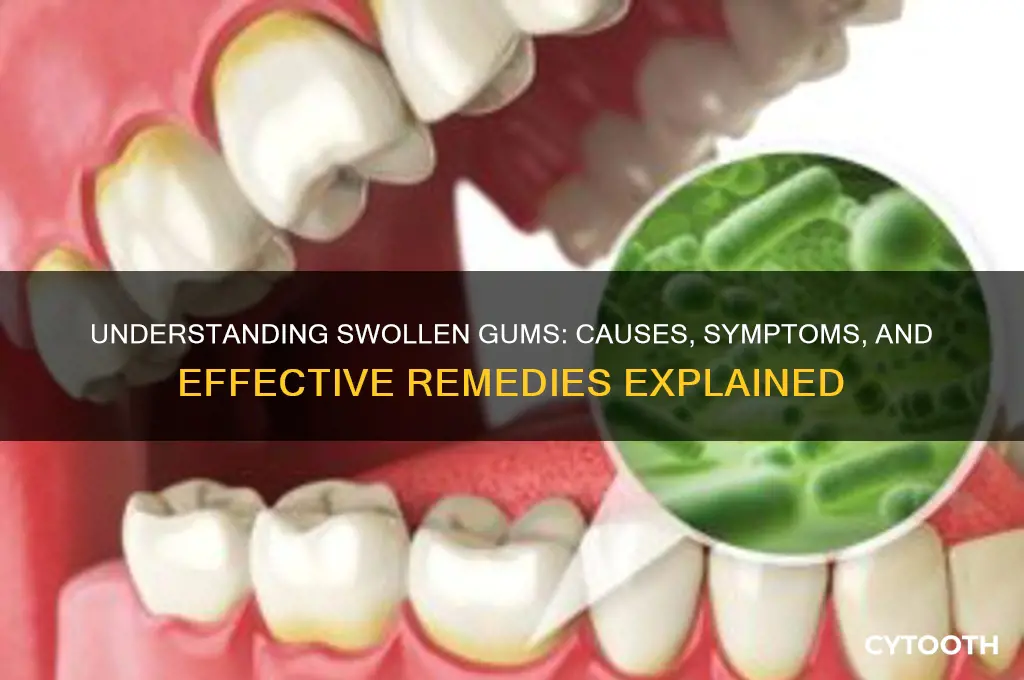
Swollen gums, a common oral health issue, can be a sign of underlying problems ranging from poor oral hygiene to more serious systemic conditions. Often caused by the buildup of plaque and bacteria along the gum line, this inflammation, known as gingivitis, is the earliest stage of gum disease. If left untreated, it can progress to periodontitis, leading to more severe damage to the gums and supporting structures of the teeth. Other factors contributing to swollen gums include hormonal changes, certain medications, nutritional deficiencies, and habits like smoking. Recognizing the symptoms early and maintaining proper oral care are crucial in preventing complications and ensuring overall dental health.
| Characteristics | Values |
|---|---|
| Gingivitis | Early stage of gum disease caused by plaque buildup, leading to swelling. |
| Poor Oral Hygiene | Inadequate brushing and flossing allows bacteria to accumulate, causing inflammation. |
| Hormonal Changes | Pregnancy, menstruation, or hormonal fluctuations can make gums more sensitive and prone to swelling. |
| Infection | Bacterial, viral, or fungal infections can cause gum swelling and pain. |
| Allergic Reactions | Allergies to toothpaste, mouthwash, or dental materials can lead to swollen gums. |
| Nutritional Deficiencies | Lack of vitamin C (scurvy) or other essential nutrients can weaken gums and cause swelling. |
| Medications | Certain medications (e.g., anticonvulsants, calcium channel blockers) can cause gum overgrowth and swelling. |
| Tobacco Use | Smoking or chewing tobacco irritates gums and increases the risk of swelling and disease. |
| Dental Appliances | Ill-fitting braces, dentures, or retainers can irritate gums and cause swelling. |
| Systemic Diseases | Conditions like diabetes, HIV/AIDS, or cancer can affect gum health and cause swelling. |
| Physical Trauma | Injury to the gums from aggressive brushing, accidents, or dental procedures can lead to swelling. |
| Stress | High stress levels can weaken the immune system, making gums more susceptible to inflammation. |
| Genetics | Some individuals are genetically predisposed to gum disease and swelling. |
| Poorly Aligned Teeth | Crooked teeth can make cleaning difficult, leading to plaque buildup and swollen gums. |
| Dry Mouth (Xerostomia) | Reduced saliva production can increase bacterial growth and gum swelling. |
What You'll Learn
- Poor Oral Hygiene: Inadequate brushing and flossing lead to plaque buildup, causing gum inflammation and swelling
- Gingivitis: Early gum disease from bacterial infection results in swollen, red, and bleeding gums
- Malnutrition: Vitamin C deficiency (scurvy) weakens gums, making them prone to swelling and bleeding
- Medication Side Effects: Some drugs reduce saliva flow or cause gum tissue overgrowth, leading to swelling
- Pregnancy Hormones: Increased hormones during pregnancy can make gums more sensitive and swollen

Poor Oral Hygiene: Inadequate brushing and flossing lead to plaque buildup, causing gum inflammation and swelling
Gum swelling often begins with a silent culprit: plaque. This sticky film of bacteria constantly forms on teeth, especially along the gum line. When left undisturbed through inadequate brushing and flossing, plaque hardens into tartar, a rough substance that irritates gums and triggers inflammation. This initial stage, called gingivitis, manifests as redness, tenderness, and bleeding gums.
Consider this analogy: plaque is like a stubborn stain on a countertop. Wiping it away daily prevents it from setting in. Neglecting this routine allows the stain to harden, requiring harsher measures for removal. Similarly, consistent brushing and flossing disrupt plaque buildup, preventing it from progressing to tartar and gum disease.
The American Dental Association recommends brushing twice daily for two minutes each session, using a soft-bristled toothbrush at a 45-degree angle to the gums. Flossing once daily is equally crucial, as it removes plaque and food particles from between teeth where brushes can't reach. For children under six, parents should supervise brushing to ensure proper technique and duration.
Ignoring these practices creates a breeding ground for bacteria, leading to gum inflammation and swelling. This isn't merely a cosmetic concern; untreated gingivitis can progress to periodontitis, a severe gum infection that damages the bone supporting teeth, potentially leading to tooth loss.
Think of oral hygiene as preventative maintenance for your mouth. Just as regular oil changes keep your car running smoothly, consistent brushing and flossing prevent costly and painful dental issues down the road. By dedicating a few minutes each day to proper oral care, you can keep your gums healthy and avoid the discomfort and complications of swelling.
Effective Ways to Remove Old Gum from Your Carpet Easily
You may want to see also
Gingivitis: Early gum disease from bacterial infection results in swollen, red, and bleeding gums
Swollen gums are often the body’s first alarm bell for gingivitis, an early stage of gum disease caused by bacterial infection. When plaque—a sticky film of bacteria—builds up along the gum line, it triggers inflammation, leading to redness, swelling, and bleeding, especially during brushing or flossing. This isn’t just a minor annoyance; it’s a warning sign that your oral health is at risk. Left untreated, gingivitis can progress to periodontitis, a more severe condition that damages the bone supporting your teeth. Understanding this link between bacteria and gum swelling is the first step in preventing long-term damage.
To combat gingivitis, start with a rigorous oral hygiene routine. Brush your teeth twice daily with a fluoride toothpaste, ensuring you clean along the gum line where plaque accumulates. Floss daily to remove debris between teeth, and consider using an antimicrobial mouthwash to reduce bacterial growth. For example, a 0.12% chlorhexidine mouthwash, used twice daily for 30 seconds, can significantly reduce plaque and inflammation. However, avoid long-term use without a dentist’s recommendation, as it can stain teeth. Pair these habits with regular dental check-ups every six months for professional cleanings and early detection.
Diet and lifestyle play a critical role in managing gingivitis. Sugary and starchy foods fuel bacterial growth, so limit their intake and opt for a balanced diet rich in fruits, vegetables, and whole grains. Vitamin C, found in citrus fruits and leafy greens, supports gum health by reducing inflammation. Smoking exacerbates gum disease by impairing blood flow to the gums, so quitting is essential for recovery. Even stress can weaken your immune system, making it harder to fight infection—practice stress-reducing activities like yoga or meditation to support overall health.
Comparing gingivitis to other causes of gum swelling highlights its preventability. Unlike hormonal changes during pregnancy or medications like blood pressure drugs that can cause gum swelling, gingivitis is directly tied to oral hygiene. While hormonal swelling often resolves on its own, gingivitis requires proactive intervention. Similarly, while conditions like Crohn’s disease or malnutrition can cause gum issues, gingivitis is uniquely avoidable through consistent care. This distinction underscores the importance of taking immediate action when symptoms appear.
Finally, recognizing the early signs of gingivitis is key to stopping it in its tracks. If your gums are swollen, bleed easily, or appear bright red, don’t ignore these symptoms. Start your improved oral care routine today and schedule a dental visit. Remember, gingivitis is reversible, but only if addressed promptly. By targeting the bacterial infection at its source, you can restore your gum health and prevent the more serious consequences of advanced gum disease. Your gums are telling you something—listen and act.
Effective Ways to Remove Chewing Gum from Dentures Easily
You may want to see also
Malnutrition: Vitamin C deficiency (scurvy) weakens gums, making them prone to swelling and bleeding
Vitamin C, also known as ascorbic acid, is a critical nutrient for maintaining the health of your gums. Without it, the body cannot produce enough collagen, a protein essential for holding tissues together. This deficiency leads to scurvy, a condition historically associated with sailors on long voyages who lacked fresh fruits and vegetables. Today, while rare, scurvy still occurs in individuals with poor diets or certain medical conditions. The first signs often appear in the gums, which become weak, swollen, and prone to bleeding. Understanding this link between malnutrition and gum health is crucial for prevention and early intervention.
To grasp the impact of scurvy on gums, consider the role of collagen in periodontal tissue. Healthy gums rely on a robust collagen network to stay firm and resilient. When Vitamin C levels drop below 11 micromoles/L in the blood, collagen synthesis is impaired, leading to gum fragility. Swelling occurs as the weakened tissue struggles to contain inflammation, often triggered by minor irritants like food particles or plaque. Bleeding, even during gentle brushing, becomes common due to the loss of gum integrity. Recognizing these symptoms early can prevent more severe complications, such as tooth loss.
Preventing scurvy-related gum issues starts with a balanced diet rich in Vitamin C. Adults should aim for 75–90 mg of Vitamin C daily, found in foods like oranges, strawberries, bell peppers, and broccoli. For those at risk, such as the elderly, smokers, or individuals with malabsorption disorders, supplements may be necessary. A 500 mg daily supplement can restore adequate levels within two weeks, though consulting a healthcare provider is advised. Pairing Vitamin C intake with good oral hygiene—brushing twice daily and flossing—maximizes gum health and reduces swelling.
Comparing scurvy-induced gum swelling to other causes highlights its uniqueness. Unlike gingivitis, which stems from bacterial plaque, scurvy’s root is nutritional deficiency. While both conditions cause redness and bleeding, scurvy often presents with additional symptoms like fatigue, joint pain, and skin bruising. Addressing scurvy requires more than just oral care; it demands dietary correction. This distinction underscores the importance of a holistic approach to gum health, where nutrition plays as vital a role as dental hygiene.
In practice, identifying and treating scurvy early can save gums from irreversible damage. If you notice persistent gum swelling or bleeding, especially alongside unexplained bruising or weakness, consider your Vitamin C intake. Keep a food diary to track daily consumption, and incorporate Vitamin C-rich snacks into your routine. For severe cases, a healthcare professional may recommend higher doses of supplements or intravenous Vitamin C. By addressing the deficiency promptly, you can restore gum strength and prevent further oral health issues, proving that malnutrition’s effects are both preventable and reversible.
Understanding Gum Disease: Timelines, Causes, and Prevention Tips
You may want to see also
Medication Side Effects: Some drugs reduce saliva flow or cause gum tissue overgrowth, leading to swelling
Swollen gums can often be traced back to the medications we take, a surprising yet significant factor in oral health. Certain drugs, particularly those that reduce saliva production or stimulate gum tissue growth, can lead to this uncomfortable condition. For instance, anticholinergic medications, commonly prescribed for conditions like allergies, depression, and high blood pressure, are known to decrease saliva flow. Saliva is crucial for neutralizing acids and washing away food particles, so its reduction can create an environment conducive to gum inflammation and swelling.
Consider the case of antihypertensive medications, such as calcium channel blockers (e.g., nifedipine). These drugs, while effective in managing blood pressure, have been linked to gingival overgrowth, especially in long-term users. The overgrowth occurs due to the drug’s impact on gum tissue metabolism, leading to swelling and potential discomfort. Studies show that up to 50% of patients on long-term nifedipine therapy may experience this side effect, particularly in doses exceeding 30 mg/day. This highlights the importance of monitoring oral health when on such medications.
From a practical standpoint, if you suspect your medication is causing gum swelling, consult your healthcare provider before making any changes. They may adjust the dosage, switch to an alternative medication, or recommend additional oral hygiene measures. For example, using a fluoride mouthwash or increasing water intake can help mitigate dry mouth caused by anticholinergic drugs. Similarly, regular dental check-ups are essential for patients on medications like calcium channel blockers to monitor and manage gum overgrowth early.
Comparatively, while medication side effects are a significant cause of swollen gums, they are often overlooked in favor of more common culprits like poor oral hygiene or gum disease. This oversight can delay proper treatment, emphasizing the need for awareness. Patients, especially those on long-term medications, should be proactive in discussing oral health with both their doctor and dentist. By doing so, they can address the root cause rather than merely treating symptoms, ensuring a more comprehensive approach to their well-being.
In conclusion, medication-induced gum swelling is a preventable and manageable issue with the right knowledge and action. Understanding the specific drugs that pose a risk, their mechanisms, and practical mitigation strategies empowers individuals to take control of their oral health. Whether through dosage adjustments, alternative treatments, or enhanced oral care, addressing this side effect can significantly improve quality of life and overall health.
Restore Healthy Gums: Effective Ways to Reverse Smoking-Induced Black Gums
You may want to see also
Pregnancy Hormones: Increased hormones during pregnancy can make gums more sensitive and swollen
Pregnancy is a time of profound hormonal shifts, and these changes don’t just affect the body internally—they can also manifest in surprising ways, like swollen gums. During pregnancy, levels of estrogen and progesterone surge, increasing blood flow to the gums and altering their response to bacteria. This heightened sensitivity often leads to a condition known as "pregnancy gingivitis," where gums become red, tender, and prone to bleeding, especially during brushing or flossing. Understanding this connection is crucial for expectant mothers, as ignoring these symptoms can lead to more severe oral health issues.
From a practical standpoint, managing gum swelling during pregnancy requires a proactive approach. First, maintain impeccable oral hygiene: brush twice daily with a soft-bristled toothbrush and fluoride toothpaste, and floss gently to remove plaque without irritating the gums. Incorporate an antimicrobial mouthwash into your routine, but consult your dentist or obstetrician to ensure it’s safe for pregnancy. Avoid sugary snacks and beverages, as they exacerbate bacterial growth, and stay hydrated to keep saliva production optimal, which helps neutralize acids in the mouth. Regular dental check-ups are essential—inform your dentist about your pregnancy so they can tailor treatments accordingly.
Comparatively, gum swelling in pregnancy is often temporary and resolves after childbirth, but it’s not to be taken lightly. While non-pregnant individuals may experience gum issues due to poor hygiene or underlying conditions, pregnancy-related swelling is directly tied to hormonal fluctuations. This distinction highlights the need for targeted care during this period. For instance, while a non-pregnant person might address gum issues with aggressive treatments, pregnant women must prioritize gentle, non-invasive methods to avoid potential risks to the fetus.
Persuasively, addressing gum swelling during pregnancy isn’t just about comfort—it’s about safeguarding overall health. Research suggests a link between severe gum disease and adverse pregnancy outcomes, such as preterm birth or low birth weight. By staying vigilant and adopting preventive measures, expectant mothers can protect both their oral health and their baby’s well-being. Remember, swollen gums are a common but manageable symptom of pregnancy, and with the right care, they need not become a lasting concern.
Effective Ways to Remove Black Lines on Gums: A Comprehensive Guide
You may want to see also
Frequently asked questions
Gums can become swollen due to inflammation, often caused by bacterial buildup from poor oral hygiene, gum disease, or infection.
Yes, allergies can lead to swollen gums as part of an inflammatory response, especially if the body reacts to certain foods, pollen, or oral care products.
Yes, hormonal changes during pregnancy can make gums more sensitive and prone to swelling, a condition known as pregnancy gingivitis.
Yes, deficiencies in vitamins like C and K can weaken gum health, leading to swelling, bleeding, and increased susceptibility to infections.
Yes, stress weakens the immune system, making it harder for the body to fight off infections, which can result in swollen or inflamed gums.