Ethan Brooks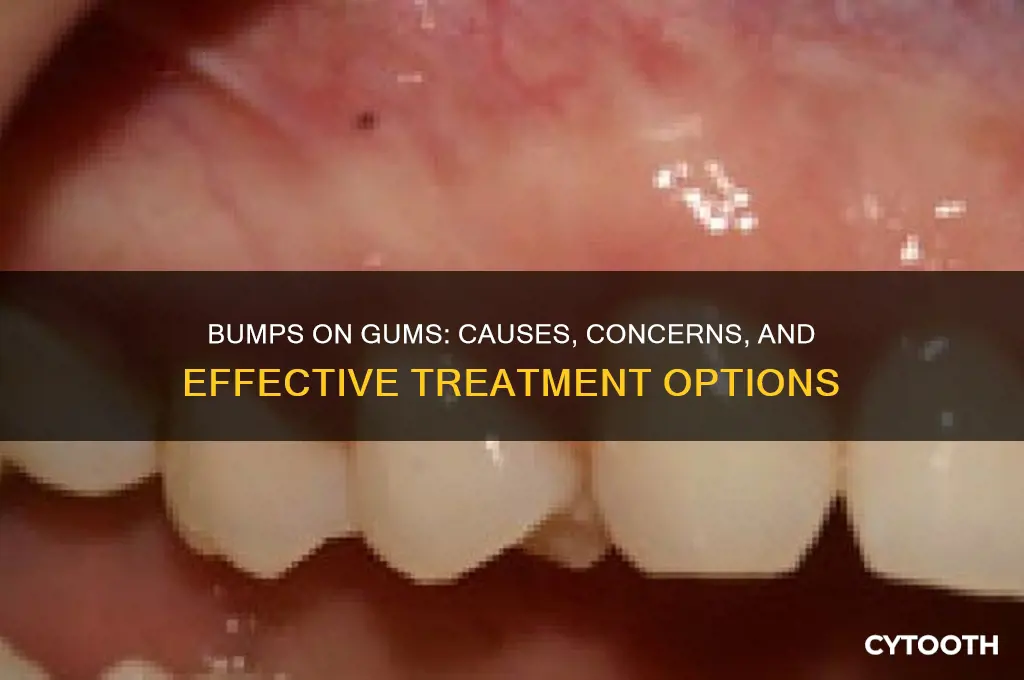
Bumps on the gums can be a cause for concern and may indicate various underlying issues, ranging from minor irritations to more serious oral health problems. These bumps, often referred to as gum lumps or oral lesions, can result from factors such as poor oral hygiene, infections, allergic reactions, or even systemic conditions. Common causes include gingivitis, periodontal abscesses, or the presence of canker sores, while more severe cases might be linked to oral cancer or autoimmune disorders. Understanding the root cause is crucial for effective treatment, which may involve improved dental care, medication, or consultation with a healthcare professional. Early detection and proper management are key to preventing complications and maintaining overall oral health.
| Characteristics | Values |
|---|---|
| Common Causes | Poor oral hygiene, gum disease (gingivitis/periodontitis), dental abscess |
| Symptoms | Redness, swelling, pain, bleeding gums, pus, bad breath |
| Types of Bumps | Canker sores, mucoceles, periodontal abscesses, gingival cysts |
| Risk Factors | Smoking, weak immune system, poor nutrition, hormonal changes |
| Prevention | Regular brushing, flossing, dental check-ups, healthy diet |
| Treatment | Antibiotics, dental cleaning, drainage of abscess, oral rinses |
| When to See a Dentist | Persistent bumps, severe pain, signs of infection, difficulty eating |
| Complications | Spread of infection, tooth loss, systemic health issues |
| Home Remedies | Saltwater rinse, cold compress, avoiding irritants |
| Diagnosis | Dental exam, X-rays, biopsy (if necessary) |
What You'll Learn

Poor oral hygiene causing gum irritation and bacterial buildup
Bumps on your gums often signal an underlying issue, and poor oral hygiene is a leading culprit. When plaque—a sticky film of bacteria—accumulates along the gum line, it triggers inflammation, leading to redness, swelling, and the formation of bumps. This condition, known as gingivitis, is your body’s response to bacterial toxins attacking the gums. If left unchecked, the bacteria can penetrate deeper, causing more severe infections like periodontal abscesses, which manifest as painful, pus-filled bumps. The progression from minor irritation to serious infection underscores the critical role of consistent oral care in preventing these issues.
To combat bacterial buildup, adopt a rigorous oral hygiene routine. Brush your teeth twice daily with a fluoride toothpaste, ensuring you angle the bristles along the gum line to dislodge plaque. Floss daily to remove debris between teeth where brushes can’t reach. Incorporate an antimicrobial mouthwash to reduce bacterial colonies, but avoid over-reliance on it as a substitute for brushing or flossing. For those prone to gum issues, consider using a soft-bristled toothbrush to avoid further irritation and visit your dentist every six months for professional cleanings and early detection of potential problems.
While brushing and flossing are foundational, dietary choices also play a significant role in gum health. Sugary and starchy foods feed oral bacteria, accelerating plaque formation. Limit snacks high in sugar and carbohydrates, and instead, opt for crunchy fruits and vegetables like apples or carrots, which naturally clean teeth as you chew. Staying hydrated is equally important, as saliva helps neutralize acids and wash away food particles. If you’re prone to dry mouth, chew sugar-free gum to stimulate saliva production, but avoid products containing xylitol if you have pets, as it’s toxic to dogs.
Ignoring gum bumps can lead to complications far beyond discomfort. Advanced gum disease, or periodontitis, can cause tooth loss, bone damage, and even systemic health issues like cardiovascular disease. Bacterial infections in the mouth can enter the bloodstream, affecting distant organs. For instance, research links poor oral health to increased risks of heart attacks and strokes. Pregnant individuals should be particularly vigilant, as gum infections have been associated with preterm births and low birth weights. Addressing gum bumps promptly isn’t just about oral health—it’s about safeguarding your overall well-being.
Finally, while self-care is essential, some cases require professional intervention. If bumps persist despite improved hygiene, consult a dentist. They may recommend deep cleaning procedures like scaling and root planing to remove hardened plaque (tartar) and smooth tooth roots, discouraging bacterial reattachment. In severe cases, antibiotics or surgical treatments might be necessary to eliminate infection and restore gum health. Remember, early action not only alleviates symptoms but also prevents long-term damage, making regular dental check-ups a non-negotiable part of your health routine.
Effective Ways to Remove Chewing Gum from Dentures Easily
You may want to see also
Allergic reactions to toothpaste or mouthwash ingredients
Bumps on the gums can sometimes be a sign of an allergic reaction to ingredients in toothpaste or mouthwash. These reactions, known as contact stomatitis, occur when the immune system responds to specific chemicals, leading to inflammation, redness, and small bumps or sores. Common culprits include sodium lauryl sulfate (SLS), a foaming agent; fluoride, a cavity-fighting mineral; and flavorings like cinnamon or mint. Identifying the trigger is the first step toward relief.
To pinpoint the cause, consider switching to a toothpaste or mouthwash with a different formulation. For example, if you suspect SLS, opt for an SLS-free toothpaste. Similarly, fluoride-free options are available for those sensitive to this mineral. Keep a journal to track symptoms after each change, noting improvements or worsening. This methodical approach helps isolate the allergen and prevents further irritation.
Children and adults alike can experience these reactions, but sensitivity may vary by age. For instance, children under 6 are more likely to ingest toothpaste, increasing their exposure to potential allergens. Parents should choose products labeled safe for young children and supervise brushing to minimize risk. Adults with pre-existing allergies or sensitive skin may also be more prone to reactions, making ingredient awareness crucial.
Prevention is key. Always read labels carefully, avoiding known irritants. Patch testing new products on a small area of skin before use can help predict oral reactions. If bumps persist or worsen, consult a dentist or allergist for professional guidance. They may recommend hypoallergenic products or prescribe treatments to alleviate symptoms.
In summary, allergic reactions to toothpaste or mouthwash ingredients are a common yet often overlooked cause of gum bumps. By identifying triggers, making informed product choices, and seeking professional advice when needed, individuals can effectively manage and prevent these uncomfortable symptoms. Awareness and proactive steps are essential for maintaining oral health without irritation.
Effective Ways to Treat and Prevent Black Gums Naturally
You may want to see also
Dental abscesses from infections in teeth or gums
Bumps on the gums can signal various underlying issues, but one of the most concerning is a dental abscess. This painful condition arises from bacterial infections in the teeth or gums, often stemming from untreated cavities, gum disease, or trauma. Abscesses are essentially pockets of pus that form as the body tries to fight off the infection. They can occur at different locations: periapical abscesses form at the tip of the tooth’s root, while periodontal abscesses develop in the gum tissue near the tooth. Recognizing the signs early—such as swelling, throbbing pain, fever, or a bad taste in the mouth—is crucial to prevent complications like bone loss or systemic infection.
To address a dental abscess, immediate professional intervention is essential. A dentist will typically drain the abscess to relieve pressure and remove the infection. This may involve a root canal procedure to clean and seal the infected tooth or, in severe cases, extraction. Antibiotics are often prescribed to combat the bacterial infection, but they alone cannot resolve the abscess—drainage is necessary. For example, amoxicillin (500 mg, three times daily for 7–10 days) is a common antibiotic used, though dosage varies based on age, weight, and infection severity. Over-the-counter pain relievers like ibuprofen (200–400 mg every 4–6 hours) can help manage discomfort, but they are not a substitute for professional treatment.
Preventing dental abscesses hinges on maintaining oral hygiene and addressing dental issues promptly. Brush twice daily with fluoride toothpaste, floss regularly, and use an antiseptic mouthwash to reduce bacterial buildup. Routine dental check-ups every six months allow for early detection of cavities or gum disease, which are primary risk factors. For those with a history of dental problems, more frequent visits may be recommended. Additionally, avoiding sugary foods and quitting smoking can significantly lower the risk of infection, as both contribute to tooth decay and gum inflammation.
Comparing dental abscesses to other gum bumps, such as canker sores or gingival cysts, highlights the importance of accurate diagnosis. While canker sores are benign ulcers that heal within a week or two, abscesses worsen without treatment and can lead to serious health issues. Gingival cysts, often appearing as small, fluid-filled sacs, are typically harmless but may require removal if they cause discomfort. A dentist can differentiate these conditions through examination and, if necessary, X-rays to assess the extent of infection. Ignoring symptoms of an abscess in favor of self-diagnosis can result in complications like tooth loss or sepsis, emphasizing the need for timely professional care.
In summary, dental abscesses are a severe consequence of untreated infections in teeth or gums, manifesting as painful bumps that require urgent attention. Treatment combines drainage, antibiotics, and pain management, while prevention relies on diligent oral care and regular dental visits. Distinguishing abscesses from other gum issues ensures appropriate action, safeguarding both oral and overall health. If you notice persistent swelling or pain in your gums, consult a dentist immediately—delaying treatment can turn a manageable problem into a life-threatening emergency.
Understanding Swollen Gums: Causes, Symptoms, and Effective Remedies Explained
You may want to see also
Canker sores or oral ulcers on gum tissue
Canker sores, also known as oral ulcers, can appear on gum tissue, causing discomfort and concern. Unlike cold sores, which are viral and often appear on the lips, canker sores are non-contagious and typically develop inside the mouth, including the gums. These small, shallow lesions are usually white or yellow with a red border and can make eating, talking, or even brushing your teeth painful. Understanding their causes and triggers is the first step in managing and preventing them.
Identifying Triggers and Causes
Canker sores on the gums can stem from various factors, including minor injuries (e.g., aggressive brushing or dental work), nutritional deficiencies (vitamin B12, zinc, or iron), stress, hormonal changes, or even certain foods like citrus fruits or spicy dishes. In some cases, underlying conditions such as celiac disease, inflammatory bowel disease, or a weakened immune system may contribute. Keeping a symptom diary can help pinpoint specific triggers, allowing you to make targeted lifestyle adjustments.
Practical Relief and Treatment
For immediate relief, over-the-counter remedies like oral gels containing benzocaine or hydrogen peroxide rinses can soothe pain and promote healing. Rinsing with a saltwater solution (1/2 teaspoon of salt in 8 ounces of warm water) several times a day can also reduce inflammation. If sores persist for more than two weeks or recur frequently, consult a dentist or doctor. They may prescribe stronger treatments, such as corticosteroid mouthwashes or topical pastes, to accelerate healing and prevent complications.
Preventive Measures
Preventing canker sores on the gums involves a combination of oral hygiene and lifestyle changes. Use a soft-bristled toothbrush to avoid irritating gum tissue, and avoid toothpastes containing sodium lauryl sulfate (SLS), a common irritant. Incorporate foods rich in vitamins and minerals, such as leafy greens, nuts, and whole grains, to address potential deficiencies. Stress management techniques, like meditation or yoga, can also reduce the likelihood of outbreaks.
When to Seek Professional Help
While most canker sores resolve on their own within 1–2 weeks, persistent or unusually large sores warrant professional evaluation. If you experience severe pain, high fever, or difficulty eating, or if the sores are accompanied by other symptoms like rash or joint pain, seek medical attention promptly. These could indicate an underlying condition requiring specialized treatment. Early intervention can prevent complications and improve overall oral health.
Understanding the Timeline: How Quickly Periodontal Disease Develops
You may want to see also
Hormonal changes leading to gum sensitivity and swelling
Hormonal fluctuations, particularly those involving estrogen and progesterone, can significantly impact oral health, often leading to gum sensitivity and swelling. These changes are most noticeable during puberty, menstruation, pregnancy, and menopause, when hormone levels shift dramatically. For instance, increased progesterone during pregnancy can heighten blood flow to the gums, making them more susceptible to inflammation and the formation of bumps, a condition known as pregnancy gingivitis. Understanding this link is crucial for managing symptoms and maintaining oral hygiene during these life stages.
To mitigate gum sensitivity caused by hormonal changes, adopting a targeted oral care routine is essential. Use a soft-bristled toothbrush to gently clean your teeth and gums twice daily, avoiding aggressive scrubbing that can irritate sensitive tissues. Incorporate an antimicrobial mouthwash to reduce plaque buildup, but opt for alcohol-free formulas to prevent dryness. Flossing daily is non-negotiable, as it removes debris between teeth where bumps often form. For pregnant individuals, regular dental check-ups are vital, as hormonal changes can exacerbate existing gum issues or create new ones.
Comparing hormonal gum sensitivity to other oral health issues highlights its unique challenges. Unlike cavities or tartar buildup, which are primarily caused by poor hygiene or diet, hormonal-related gum problems are often temporary and tied to specific life phases. For example, menstrual gingivitis occurs in response to monthly hormonal shifts and typically resolves within a few days. In contrast, pregnancy-related gum issues may persist throughout gestation, requiring consistent management. Recognizing these differences helps tailor interventions effectively.
A persuasive argument for addressing hormonal gum sensitivity lies in its potential long-term consequences. Untreated inflammation can progress to periodontal disease, which has been linked to systemic health issues like preterm birth and cardiovascular problems. Proactive measures, such as maintaining a balanced diet rich in vitamin C and calcium, can strengthen gums and reduce susceptibility to hormonal effects. Additionally, stress management techniques like yoga or meditation can help regulate cortisol levels, which indirectly influence oral health by reducing inflammation.
Finally, practical tips can make a significant difference in managing hormonal gum sensitivity. For menstruating individuals, tracking symptoms alongside menstrual cycles can identify patterns and inform preventive care. Pregnant individuals should communicate with their dentist about their condition to receive tailored advice, such as using saltwater rinses for mild swelling. Postmenopausal women, who may experience gum dryness due to decreased estrogen, can benefit from staying hydrated and using moisturising oral products. By combining awareness with actionable steps, hormonal-related gum issues can be effectively controlled.
Effective Tips to Remove Gum from Invisalign Aligners Easily
You may want to see also
Frequently asked questions
Bumps on the gums can be caused by various factors, including gum irritation, infection, cysts, or allergic reactions. Common causes include poor oral hygiene, food particles trapped in the gums, or dental abscesses.
Yes, bumps on the gums can be a symptom of gum disease, such as gingivitis or periodontitis. Inflammation, infection, or the body’s response to bacteria can lead to the formation of bumps.
While rare, bumps on the gums can sometimes be a sign of oral cancer. If the bump is persistent, painless, or grows in size, it’s important to consult a dentist or oral surgeon for evaluation.
Maintaining good oral hygiene, including regular brushing, flossing, and dental check-ups, can help prevent bumps on the gums. Avoiding irritants like tobacco and ensuring a balanced diet also reduces the risk.