Matthew Grant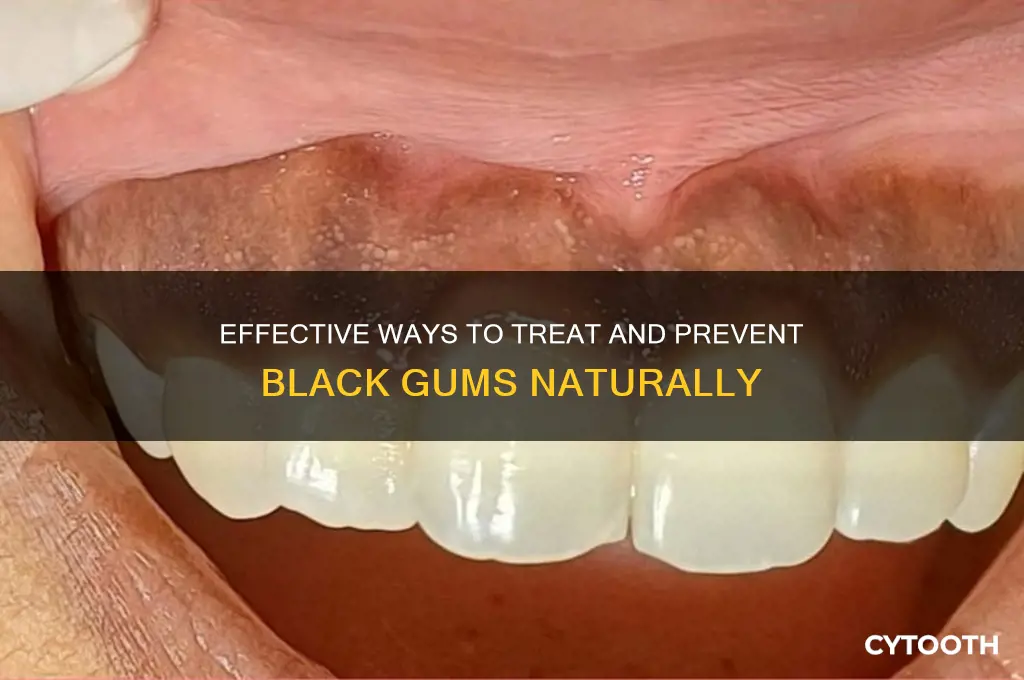
Black gums, also known as gum hyperpigmentation, can be a cosmetic concern for many individuals, often caused by factors such as genetics, smoking, certain medications, or hormonal changes. While it is generally harmless, those seeking to lighten their gum color have several options, including professional treatments like laser therapy, chemical peels, or microdermabrasion, which are performed by dental specialists. Additionally, some home remedies, such as oil pulling with coconut or sesame oil, using turmeric paste, or maintaining excellent oral hygiene, may help reduce pigmentation over time. However, it is crucial to consult a dentist before attempting any treatment to ensure safety and effectiveness, as well as to rule out any underlying oral health issues.
| Characteristics | Values |
|---|---|
| Cause of Black Gums | Melanin pigmentation, smoking, certain medications, systemic conditions (e.g., Addison's disease), poor oral hygiene, genetic factors |
| Prevention | Quit smoking, maintain good oral hygiene, avoid tobacco products, regular dental check-ups, address underlying health conditions |
| Professional Treatments | Gum depigmentation (surgical or laser), scaling and root planing, periodontal therapy, treatment of underlying systemic conditions |
| Home Remedies | Oil pulling (coconut or sesame oil), turmeric paste, aloe vera gel, vitamin C-rich diet, proper brushing and flossing |
| Expected Results | Reduction in gum pigmentation, improved gum health, potential reversal of discoloration depending on cause |
| Risks/Side Effects | Pain, swelling, infection (post-procedure), temporary sensitivity, recurrence of pigmentation if cause not addressed |
| Cost | Varies; gum depigmentation can range from $100 to $1,500 depending on method and location |
| Recovery Time | 1-2 weeks for surgical depigmentation, minimal downtime for laser treatments |
| Long-Term Maintenance | Regular dental care, avoiding smoking, managing systemic conditions, periodic touch-ups if needed |
| Effectiveness | High for professional treatments, variable for home remedies; depends on the underlying cause |
What You'll Learn
- Causes of Black Gums: Smoking, genetics, poor hygiene, certain medications, or underlying health conditions
- Home Remedies: Brushing with turmeric, oil pulling, or using hydrogen peroxide (consult dentist first)
- Professional Treatments: Scaling, laser therapy, or gum depigmentation procedures performed by a dentist
- Lifestyle Changes: Quit smoking, improve oral hygiene, and maintain a healthy diet for prevention
- When to See a Dentist: Persistent discoloration, pain, or bleeding gums require professional evaluation?

Causes of Black Gums: Smoking, genetics, poor hygiene, certain medications, or underlying health conditions
Black gums can be a cosmetic concern, but they often signal underlying issues that demand attention. Smoking is a primary culprit, as the nicotine and tar in cigarettes can stain gums and reduce blood flow, leading to discoloration. If you’re a smoker, quitting is the most effective step. Nicotine replacement therapies, such as patches (7 mg for heavy smokers, 5 mg for light smokers) or gum (2 mg per piece), can ease withdrawal. Pairing this with behavioral support increases success rates by up to 60%. Even cutting back on smoking can improve gum health, though complete cessation is ideal.
Genetics play a silent but significant role in gum pigmentation. Melanin, the pigment responsible for skin and hair color, can also accumulate in gum tissue, causing darkening. Unlike smoking-related discoloration, genetic melanin hyperpigmentation is harmless and doesn’t indicate disease. For those seeking cosmetic improvement, laser depigmentation is a minimally invasive option. This procedure removes the outer layer of gum tissue, reducing melanin exposure. While effective, it’s not permanent, as melanin can reappear over time, requiring repeat treatments.
Poor oral hygiene is another common cause of black gums, as plaque buildup can lead to gingivitis and gum inflammation. Brushing twice daily with a soft-bristled toothbrush and flossing daily are non-negotiable. Adding an antimicrobial mouthwash (0.12% chlorhexidine) can reduce plaque and gingivitis, but overuse can stain teeth. For stubborn cases, professional cleanings every six months are essential. Ignoring hygiene not only darkens gums but also increases the risk of periodontal disease, which can lead to tooth loss.
Certain medications, such as minocycline (an antibiotic) or antihypertensives like amlodipine, can cause gum discoloration as a side effect. Minocycline, for instance, can lead to blue-gray pigmentation after prolonged use, often irreversible without surgical intervention. If you suspect medication is the cause, consult your doctor before discontinuing. They may recommend alternative treatments or prescribe medications like N-acetylcysteine to mitigate side effects. Always weigh the benefits of the medication against the cosmetic impact.
Underlying health conditions, such as Addison’s disease or Peutz-Jeghers syndrome, can also cause gum darkening. Addison’s disease, a disorder of the adrenal glands, leads to hormonal imbalances that can affect pigmentation. Peutz-Jeghers syndrome, a genetic disorder, causes dark spots on the skin and mucous membranes, including gums. If black gums are accompanied by symptoms like fatigue, weight loss, or gastrointestinal issues, seek medical evaluation. Early diagnosis and management of these conditions can prevent complications and improve overall health.
Home Remedies: Brushing with turmeric, oil pulling, or using hydrogen peroxide (consult dentist first)
Black gums can be a cosmetic concern, often linked to factors like smoking, genetics, or underlying health issues. While professional dental care is essential, home remedies like brushing with turmeric, oil pulling, or using hydrogen peroxide (after consulting a dentist) can complement your oral hygiene routine. Each method offers unique benefits, but understanding their application and limitations is key to safe and effective use.
Turmeric, a natural anti-inflammatory and antioxidant, has been used for centuries in oral care. To incorporate it into your routine, mix ¼ teaspoon of turmeric powder with a small amount of water to form a paste. Gently brush your teeth and gums with this mixture for 2–3 minutes, then rinse thoroughly. Avoid leaving it on too long to prevent temporary staining. While turmeric can help reduce gum inflammation and discoloration, results may vary, and consistent use over several weeks is often needed to notice improvements. This remedy is generally safe for adults but should be avoided by those with turmeric allergies or bleeding disorders.
Oil pulling, an ancient Ayurvedic practice, involves swishing oil in your mouth to remove toxins and promote oral health. Use 1–2 tablespoons of coconut or sesame oil, swishing it vigorously for 10–15 minutes before spitting it out and rinsing with warm water. This method is best done on an empty stomach, such as first thing in the morning. While oil pulling can reduce plaque and gingivitis, it’s not a substitute for brushing or flossing. Pregnant women or individuals with sensitive gums should proceed with caution, as prolonged swishing may cause discomfort.
Hydrogen peroxide, a mild antiseptic, can help whiten gums and kill bacteria when used correctly. Dilute 3% hydrogen peroxide with an equal amount of water, and use it as a mouthwash for 30 seconds before spitting it out. Avoid swallowing, as it can cause stomach irritation. This remedy should be used sparingly—no more than once a week—to prevent gum irritation or tissue damage. Always consult your dentist before trying this method, especially if you have sensitive gums or existing oral conditions.
While these home remedies can support gum health, they are not standalone solutions for black gums. Factors like smoking cessation, proper hydration, and a balanced diet play equally important roles. Combining these remedies with regular dental check-ups ensures a holistic approach to addressing gum discoloration and maintaining overall oral health. Always monitor your gums for adverse reactions and adjust your routine as needed.
Professional Treatments: Scaling, laser therapy, or gum depigmentation procedures performed by a dentist
Black gums, often caused by melanin pigmentation, smoking, or certain medications, can be a cosmetic concern for many. While home remedies may offer temporary relief, professional treatments provide more permanent and effective solutions. Dentists can perform procedures like scaling, laser therapy, or gum depigmentation to address the root cause and restore a healthier, more uniform gum appearance. These treatments are tailored to individual needs, ensuring both safety and satisfaction.
Scaling, a non-invasive procedure, is often the first line of defense against black gums. Performed by a dental hygienist or dentist, it involves removing plaque, tartar, and surface stains from the gum line. This deep cleaning not only improves gum health but also lightens discoloration caused by external factors like smoking or poor oral hygiene. For optimal results, scaling is typically followed by polishing, which smooths the gum surface and reduces the likelihood of future staining. Patients may experience mild sensitivity post-treatment, but this usually subsides within a few days. Regular follow-ups every six months are recommended to maintain results.
For those seeking a more advanced solution, laser therapy has emerged as a precise and minimally invasive option. This procedure uses targeted laser energy to remove pigmented gum tissue layer by layer, revealing lighter, healthier tissue underneath. Laser therapy is particularly effective for melanin-related discoloration and offers the added benefit of reduced bleeding, swelling, and recovery time compared to traditional surgical methods. A local anesthetic is applied to ensure comfort during the procedure, which typically takes 30–60 minutes depending on the treatment area. Multiple sessions may be required for severe cases, but most patients notice significant improvement after just one treatment.
Gum depigmentation, a more definitive solution, involves the surgical removal or reduction of melanin-rich gum tissue. This procedure is ideal for individuals with genetic pigmentation or those who have not responded to other treatments. Using a scalpel or laser, the dentist carefully excises the darkened areas, allowing new, lighter tissue to regenerate. While the procedure is more invasive than scaling or laser therapy, it offers long-lasting results with minimal maintenance. Post-operative care includes avoiding spicy or hard foods for a week and using a prescribed mouthwash to prevent infection. Patients typically return to normal activities within 2–3 days, with full healing occurring over 2–3 weeks.
Choosing the right professional treatment depends on the underlying cause of gum discoloration, the patient’s oral health, and their desired outcome. Scaling is best for external stains, laser therapy suits moderate pigmentation, and gum depigmentation is ideal for severe or genetic cases. Consulting a dentist is essential to determine the most appropriate approach. With advancements in dental technology, achieving lighter, healthier gums is now more accessible and effective than ever, offering both functional and aesthetic benefits.
Lifestyle Changes: Quit smoking, improve oral hygiene, and maintain a healthy diet for prevention
Smoking is a primary culprit behind black gums, as it restricts blood flow, stains tissues, and impairs healing. Nicotine and tar in cigarettes accumulate on gum surfaces, leading to discoloration, while reduced oxygen delivery causes tissues to darken. Quitting smoking is non-negotiable for reversing this damage. Start with a cessation plan: set a quit date, replace cigarettes with nicotine gum or patches (14–24 mg/day initially, tapering over 8–10 weeks), and seek support through apps like Smoke Free or counseling. Within weeks, improved circulation will begin to restore gum health, though full recovery may take months.
Oral hygiene lapses allow plaque buildup, which hardens into tartar—a breeding ground for bacteria that inflame and darken gums. Elevate your routine: brush twice daily with a soft-bristled toothbrush and fluoride toothpaste, dedicating 2 minutes each session. Floss daily to remove debris between teeth, and incorporate a 0.12% chlorhexidine mouthwash to reduce bacterial load. Electric toothbrushes with pressure sensors are ideal for thorough yet gentle cleaning. Schedule professional cleanings every 6 months to remove tartar and assess progress. Consistency is key; even minor neglect can undo weeks of effort.
Diet plays a silent but critical role in gum health. Sugar and acidic foods feed harmful bacteria, while nutrient deficiencies weaken tissues, exacerbating discoloration. Prioritize a diet rich in vitamin C (citrus, bell peppers), vitamin A (carrots, spinach), and antioxidants (berries, green tea) to strengthen gums and reduce inflammation. Limit sugary snacks and beverages, opting instead for crunchy fruits and vegetables that naturally clean teeth. Stay hydrated—aim for 8–10 glasses of water daily—to maintain saliva production, which neutralizes acids and washes away debris. Small dietary shifts yield significant long-term benefits.
Prevention is cheaper, faster, and less invasive than correction. Combine these lifestyle changes for synergistic results: quitting smoking reduces staining and inflammation, improved oral hygiene eliminates bacterial triggers, and a healthy diet fortifies gum resilience. Track progress with monthly photos and dental check-ins. While genetic factors like melanin distribution may influence gum color, these measures ensure the healthiest baseline possible. Remember, black gums are often a symptom of underlying issues; addressing these root causes not only restores appearance but also safeguards overall oral health.
When to See a Dentist: Persistent discoloration, pain, or bleeding gums require professional evaluation
Black gums can stem from harmless factors like genetics or certain medications, but persistent discoloration paired with pain or bleeding is a red flag. These symptoms often signal underlying issues like gum disease, infection, or even systemic health problems. While home remedies might address surface stains, they cannot resolve deeper concerns. Ignoring these signs can lead to irreversible damage, making timely professional intervention crucial.
Consider this scenario: a 35-year-old notices their gums darkening over months, accompanied by occasional bleeding during brushing. Over-the-counter whitening products offer temporary relief, but the discoloration persists, and sensitivity increases. This progression warrants a dental visit. A dentist can perform a comprehensive exam, including X-rays, to diagnose conditions like gingivitis, periodontitis, or melanin hyperpigmentation. Treatment may range from deep cleaning to laser therapy, depending on the cause.
For those experiencing pain alongside discoloration, the urgency escalates. Pain indicates inflammation or infection, which can spread if untreated. For instance, a dental abscess can cause localized blackening and severe discomfort. Immediate dental care is essential to drain the abscess, prescribe antibiotics (e.g., amoxicillin 500 mg, three times daily for 7–10 days), and prevent complications like tooth loss or systemic infection. Delaying treatment risks more invasive procedures and higher costs.
Bleeding gums, often dismissed as minor, are a critical indicator of gum disease. If your gums bleed consistently when brushing or flossing, it’s time to consult a dentist. They may recommend scaling and root planing to remove plaque and tartar buildup. For smokers or those with systemic conditions like diabetes, regular dental check-ups every 3–4 months are vital, as these factors exacerbate gum issues. Practical tips include using a soft-bristled toothbrush, fluoride toothpaste, and antimicrobial mouthwash to manage symptoms until professional care is received.
In summary, while black gums might seem cosmetic, persistent discoloration, pain, or bleeding are not normal. These symptoms demand professional evaluation to identify and treat underlying causes. Early intervention not only preserves oral health but also prevents potential systemic complications. Don’t wait for symptoms to worsen—schedule a dental appointment at the first sign of trouble. Your gums are a window to your overall health, and addressing their concerns promptly ensures a brighter, healthier smile.
Frequently asked questions
Black gums can be caused by factors like genetics, smoking, certain medications, or underlying health issues like Addison's disease. While it’s not always serious, it’s important to consult a dentist or doctor to rule out any medical concerns.
Some natural remedies like oil pulling, turmeric paste, or maintaining good oral hygiene may help, but results vary. For significant changes, professional treatments like laser therapy or gum depigmentation are more effective.
Yes, gum depigmentation is generally safe when performed by a qualified professional. It involves removing the pigmented layer of the gums and is considered a permanent solution, though rare cases of repigmentation can occur.
Yes, quitting smoking can improve gum health and reduce discoloration over time. Smoking is a common cause of gum darkening, so eliminating it can lead to healthier, lighter gums.