Hailey Morgan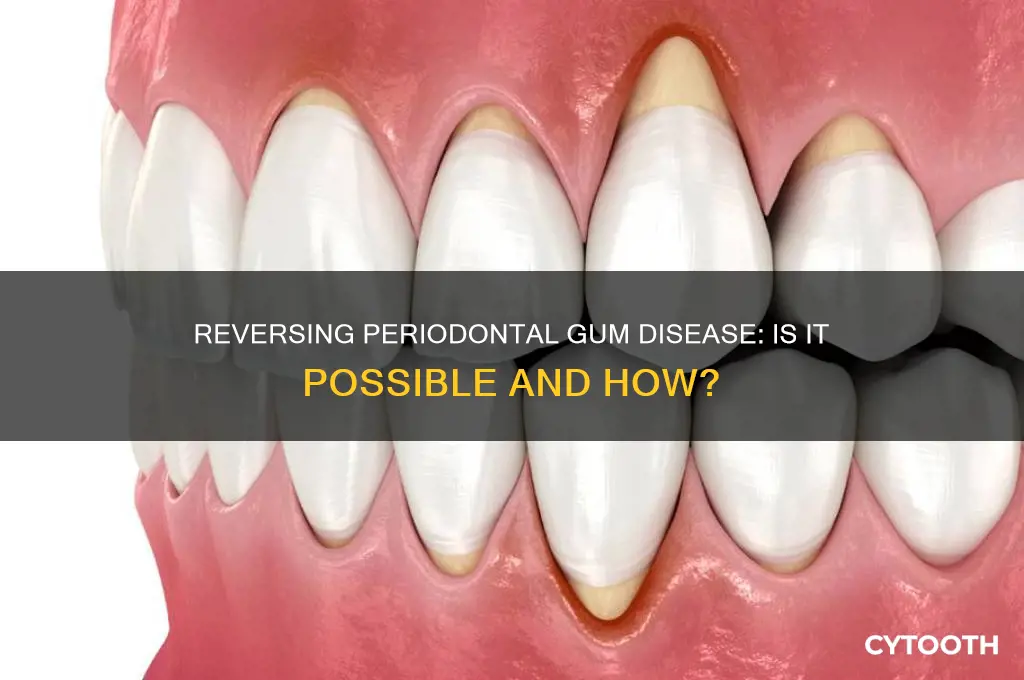
Periodontal gum disease, a common yet serious condition affecting the gums and bone supporting the teeth, often raises questions about its reversibility. In its early stage, known as gingivitis, the disease is indeed reversible with proper oral hygiene practices, such as regular brushing, flossing, and professional dental cleanings. However, if left untreated, it can progress to periodontitis, causing irreversible damage to the gum tissue and underlying bone. While advanced stages cannot be fully reversed, timely intervention and consistent care can help manage the condition, prevent further deterioration, and restore oral health to a stable state. Understanding the importance of early detection and treatment is crucial in addressing periodontal disease effectively.
| Characteristics | Values |
|---|---|
| Reversibility | Early stages (gingivitis) are reversible with proper oral hygiene and care. |
| Advanced Stages | Periodontitis (advanced gum disease) is not fully reversible but manageable. |
| Treatment Options | Professional dental cleaning, scaling, root planing, and improved oral care. |
| Prevention | Regular brushing, flossing, and dental check-ups prevent progression. |
| Bone and Tissue Loss | Irreversible in advanced stages; treatment focuses on preventing further damage. |
| Long-Term Management | Requires ongoing maintenance to control disease and prevent recurrence. |
| Lifestyle Factors | Smoking cessation, healthy diet, and managing diabetes improve outcomes. |
| Prognosis | Better prognosis with early intervention and consistent care. |
| Complications | If untreated, can lead to tooth loss, systemic health issues, and chronic inflammation. |
| Professional Intervention | Essential for diagnosing and treating periodontal disease effectively. |
What You'll Learn

Early Gingivitis Reversal
Gingivitis, the earliest stage of gum disease, is a common yet reversible condition if addressed promptly and effectively. Unlike advanced periodontal disease, which can lead to irreversible damage like bone loss, gingivitis primarily affects the gum tissue and can be halted with proper care. The key lies in recognizing the early signs—bleeding gums during brushing, redness, swelling, or persistent bad breath—and taking immediate action. Ignoring these symptoms allows the condition to progress, making reversal more challenging.
Reversing early gingivitis begins with a rigorous oral hygiene routine. Brush twice daily with a fluoride toothpaste, ensuring you clean all surfaces of the teeth and along the gumline. Flossing daily is non-negotiable, as it removes plaque and debris from areas your toothbrush can’t reach. For added protection, incorporate an antimicrobial mouthwash containing chlorhexidine (0.12% concentration) or essential oils, used once daily for 30 seconds after brushing. However, avoid long-term use of chlorhexidine without dental advice, as it can cause staining or alter taste perception.
Dietary adjustments play a pivotal role in supporting gum health. Reduce sugar intake, as it fuels the bacteria responsible for plaque formation. Increase consumption of crunchy fruits and vegetables like apples, carrots, and celery, which act as natural teeth cleaners. Vitamin C-rich foods such as oranges, strawberries, and bell peppers strengthen gum tissue and promote healing. Staying hydrated is equally important, as saliva helps neutralize acids and wash away food particles.
Professional intervention is a critical component of early gingivitis reversal. Schedule a dental cleaning every six months, or more frequently if recommended by your dentist. During this visit, a hygienist will remove tartar buildup—hardened plaque that cannot be eliminated by brushing alone. Your dentist may also recommend a deep cleaning procedure called scaling and root planing if gingivitis has progressed slightly. This involves removing plaque and tartar from below the gumline and smoothing the tooth roots to prevent further bacterial accumulation.
Consistency is the linchpin of success. Even after symptoms subside, maintaining the habits outlined above is essential to prevent recurrence. Monitor your gums for any signs of inflammation and adjust your routine as needed. Early gingivitis reversal is not just about treating a condition—it’s about adopting a lifestyle that prioritizes oral health, ensuring your gums remain healthy for years to come.
Understanding the Timeline: How Periodontal Disease Progresses Over Time
You may want to see also
Professional Deep Cleaning Benefits
Periodontal gum disease, if caught early, can often be reversed with proper care. One of the most effective treatments for halting its progression and restoring oral health is professional deep cleaning, also known as scaling and root planing. This procedure goes beyond a standard dental cleaning to target the root cause of gum disease: plaque and tartar buildup below the gumline.
Unlike regular cleanings, which focus on the visible surfaces of teeth, deep cleaning involves two crucial steps. Scaling removes hardened plaque and tartar from tooth surfaces and periodontal pockets, while root planing smooths the roots of teeth, discouraging further bacterial accumulation. This meticulous process disrupts the environment that allows harmful bacteria to thrive, giving your gums a chance to heal and reattach to your teeth.
Imagine your gums as a protective barrier around your teeth. When plaque and tartar build up, they irritate and inflame this barrier, causing it to pull away from the teeth, forming pockets. These pockets become breeding grounds for bacteria, leading to further inflammation, bone loss, and eventually tooth loss. Deep cleaning acts like a reset button, removing the source of irritation and allowing the gums to heal and reattach, effectively shrinking these pockets and preventing further damage.
While deep cleaning is a powerful tool, it's not a one-time fix. Maintaining good oral hygiene at home is crucial for long-term success. Brushing twice daily with fluoride toothpaste, flossing regularly, and using antimicrobial mouthwash as recommended by your dentist are essential for preventing plaque buildup and keeping gum disease at bay.
Think of professional deep cleaning as a vital investment in your oral health. By addressing the underlying cause of gum disease, it can help you avoid more invasive and costly treatments down the line, such as gum surgery or tooth extraction. Remember, early intervention is key. If you notice signs of gum disease like bleeding gums, bad breath, or receding gums, don't delay – schedule a dental appointment promptly. With timely professional care and diligent home hygiene, you can effectively combat periodontal disease and enjoy a healthy, confident smile.
Reversing Gum Disease: Understanding the Timeline for Healthy Gums
You may want to see also
Home Care Importance
Periodontal gum disease, if caught early, can often be reversed with diligent home care and professional intervention. However, the success of this reversal hinges significantly on the consistency and effectiveness of daily oral hygiene practices. Home care is not merely a supplement to professional treatment; it is the foundation upon which long-term oral health is built. Without it, even the most advanced dental procedures may fail to yield lasting results.
Consider the analogy of a garden: just as weeds must be regularly removed to prevent them from overtaking the plants, plaque and bacteria must be consistently cleared from teeth and gums to halt the progression of periodontal disease. Brushing twice daily with a soft-bristled toothbrush and fluoride toothpaste is the cornerstone of this routine. Ensure each session lasts at least two minutes, covering all surfaces of the teeth and the gumline. Flossing daily is equally critical, as it removes debris from areas a toothbrush cannot reach. For those with dexterity challenges, interdental brushes or water flossers can be effective alternatives.
Beyond mechanical cleaning, incorporating antimicrobial mouthwash into your routine can provide an additional layer of protection. Look for products containing chlorhexidine or essential oils, which have been shown to reduce plaque and gingivitis. However, chlorhexidine should be used for no longer than two weeks at a time due to potential side effects like tooth staining. Natural remedies, such as oil pulling with coconut oil or using a saltwater rinse, can also complement your regimen, though they should not replace evidence-based treatments.
Diet plays a pivotal role in home care as well. Sugary and acidic foods create an environment conducive to bacterial growth, accelerating gum disease. Instead, opt for a diet rich in fiber, vitamins, and minerals—think crunchy vegetables, lean proteins, and dairy products. Staying hydrated is equally important, as saliva helps neutralize acids and wash away food particles. Avoid tobacco in any form, as it impairs healing and increases the risk of severe periodontal issues.
Finally, self-monitoring is essential. Regularly inspect your gums for signs of inflammation, bleeding, or recession. If symptoms persist despite rigorous home care, consult a dentist promptly. Early detection and adjustment of your routine can prevent minor issues from escalating. Remember, home care is not a one-time effort but a lifelong commitment to preserving your oral health. By integrating these practices into your daily life, you empower yourself to reverse early-stage periodontal disease and maintain a healthy smile.
Effective Home Remedies to Treat Gum Disease Without Dental Visits
You may want to see also
Advanced Periodontitis Challenges
Advanced periodontitis, the most severe form of gum disease, presents unique challenges that complicate its reversibility. Unlike earlier stages, where professional cleaning and improved oral hygiene can often restore gum health, advanced periodontitis involves irreversible damage to the periodontal ligaments and alveolar bone. This structural loss creates pockets around the teeth that deepen over time, harboring bacteria and accelerating disease progression. Even with aggressive treatment, these pockets may not fully resolve, leaving patients vulnerable to recurring infections and further bone loss.
One of the primary challenges in managing advanced periodontitis is the complexity of treatment. Surgical interventions, such as flap surgery or bone grafts, are often necessary to reduce pocket depth and regenerate lost tissue. However, these procedures are invasive, require significant recovery time, and do not guarantee complete restoration of gum health. For instance, flap surgery involves lifting back the gums to remove tartar and reshape the bone, but success depends on factors like patient compliance, overall health, and the extent of prior damage. Without meticulous post-operative care, including regular deep cleanings and strict oral hygiene, the disease can resurge.
Another critical challenge is the systemic impact of advanced periodontitis. Research shows a strong link between severe gum disease and conditions like diabetes, cardiovascular disease, and respiratory issues. For example, periodontal bacteria can enter the bloodstream, triggering inflammation that exacerbates existing health problems. Managing advanced periodontitis in patients with comorbidities requires a multidisciplinary approach, coordinating care with physicians to address both oral and systemic health. This adds layers of complexity to treatment, as medications or underlying conditions may hinder healing or increase infection risk.
Despite these challenges, advancements in periodontal therapy offer hope for managing advanced periodontitis. Laser therapy, for instance, provides a less invasive alternative to traditional surgery, reducing pain and recovery time. Antibiotic therapies, such as localized Arestin (minocycline) or oral antibiotics like amoxicillin (500 mg, 3 times daily for 7–10 days), can target persistent infections. However, these treatments are not curative—they aim to control the disease rather than reverse it. Patients must commit to lifelong maintenance, including professional cleanings every 3–4 months and daily oral care routines, to prevent progression.
In conclusion, while advanced periodontitis cannot be fully reversed, its challenges can be mitigated with early intervention, comprehensive treatment, and patient dedication. The key lies in halting further damage and preserving remaining tooth-supporting structures. For those over 40, who are at higher risk, proactive measures like annual periodontal evaluations and addressing risk factors (e.g., smoking cessation, glycemic control for diabetics) are essential. While the road is arduous, managing advanced periodontitis effectively can stabilize oral health and improve overall quality of life.
Cost of Gum Disease Treatment: What to Expect and Budget For
You may want to see also
Role of Lifestyle Changes
Periodontal gum disease, a prevalent oral health issue, often raises concerns about its reversibility. While advanced stages may require professional intervention, early-stage gingivitis can be effectively managed and even reversed through targeted lifestyle changes. This approach not only addresses the symptoms but also tackles the underlying causes, promoting long-term oral health.
The Power of Oral Hygiene: A Daily Ritual
One of the most crucial lifestyle adjustments is the adoption of a rigorous oral hygiene routine. Brushing twice daily with a soft-bristled toothbrush and fluoride toothpaste is essential. Ensure you brush for at least two minutes, covering all surfaces of the teeth and along the gum line. Flossing daily is equally vital, as it removes plaque and food particles from between the teeth, where a toothbrush might not reach. For those with dexterity issues or braces, interdental brushes or water flossers can be effective alternatives. Incorporating an antibacterial mouthwash into your routine can further reduce plaque and gingivitis, but it should complement, not replace, brushing and flossing.
Dietary Modifications: Fueling Oral Health
Nutrition plays a significant role in gum disease prevention and reversal. A diet rich in vitamins and minerals can strengthen the body's ability to fight infection and promote gum health. Increase your intake of vitamin C, found in citrus fruits, berries, and leafy greens, as it is essential for collagen production and maintaining healthy gums. Vitamin D, obtained from fatty fish, egg yolks, and fortified foods, or through safe sun exposure, supports bone and gum health. Additionally, incorporate foods high in antioxidants, such as nuts, seeds, and colorful vegetables, to reduce inflammation. Conversely, limit sugary and acidic foods and beverages, as they contribute to plaque formation and tooth decay.
Habits to Break: Kicking the Harmful Practices
Certain lifestyle habits can exacerbate gum disease and hinder its reversal. Smoking is a significant risk factor, as it weakens the immune system, making it harder to fight gum infections. It also restricts blood flow to the gums, impairing healing. Quitting smoking is crucial for oral and overall health. Similarly, excessive alcohol consumption can irritate the gums and reduce saliva production, which is essential for neutralizing acids and remineralizing teeth. Moderation is key; limit alcohol intake to recommended guidelines.
Stress Management: A Holistic Approach
Chronic stress can negatively impact oral health, as it may lead to teeth grinding (bruxism) and a weakened immune response, making gums more susceptible to disease. Incorporating stress management techniques such as meditation, yoga, or regular exercise can be beneficial. These practices not only reduce stress but also promote better sleep, which is essential for the body's healing processes. Adequate sleep allows the body to repair and regenerate tissues, including those in the gums.
In summary, reversing periodontal gum disease, especially in its early stages, is achievable through dedicated lifestyle changes. A comprehensive approach, including meticulous oral hygiene, a balanced diet, breaking harmful habits, and managing stress, empowers individuals to take control of their oral health. These changes not only address gum disease but also contribute to overall well-being, demonstrating the interconnectedness of oral and systemic health. With consistency and commitment, these lifestyle modifications can lead to healthier gums and a brighter smile.
Understanding the Timeline: How Long Does Gum Disease Develop?
You may want to see also
Frequently asked questions
Early-stage periodontal disease, known as gingivitis, is reversible with proper oral hygiene and professional dental care. However, advanced stages, such as periodontitis, cannot be fully reversed but can be managed to prevent further damage.
To reverse gingivitis, maintain excellent oral hygiene by brushing twice daily, flossing regularly, and using an antiseptic mouthwash. Additionally, visit your dentist for professional cleanings and follow their recommendations for care.
Yes, periodontal disease can recur if proper oral hygiene is not maintained. Regular dental check-ups, consistent home care, and addressing risk factors like smoking are essential to prevent its return.