Samantha Blake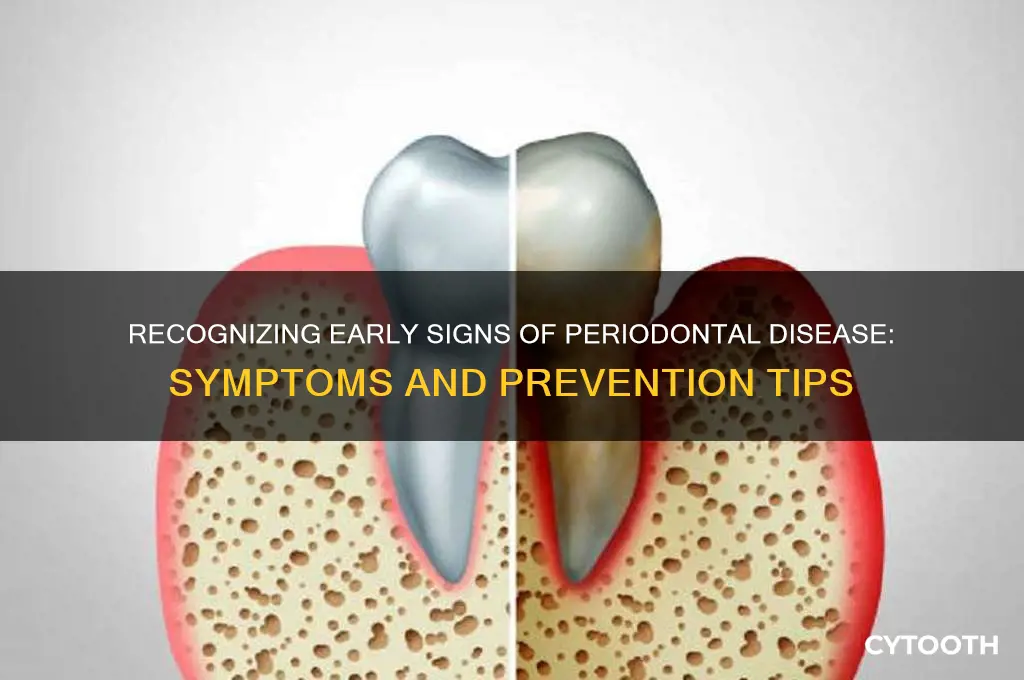
Periodontal disease, commonly known as gum disease, is a prevalent oral health issue that affects the tissues supporting the teeth, including the gums, periodontal ligament, and alveolar bone. Recognizing the early signs of this condition is crucial for timely intervention and prevention of severe complications. Symptoms often begin subtly, with initial indicators such as red, swollen, or tender gums, and may progress to more noticeable signs like bleeding gums during brushing or flossing, persistent bad breath, and receding gum lines. As the disease advances, individuals might experience increased tooth sensitivity, loose teeth, or even tooth loss, underscoring the importance of early detection and treatment to maintain oral health and overall well-being.
What You'll Learn
- Gum Inflammation: Red, swollen, tender gums that bleed easily during brushing or flossing
- Receding Gums: Gums pulling away from teeth, making teeth appear longer
- Bad Breath: Persistent halitosis despite regular oral hygiene practices
- Loose Teeth: Teeth feeling unstable or shifting due to bone loss
- Pus Discharge: Presence of pus between gums and teeth, indicating infection

Gum Inflammation: Red, swollen, tender gums that bleed easily during brushing or flossing
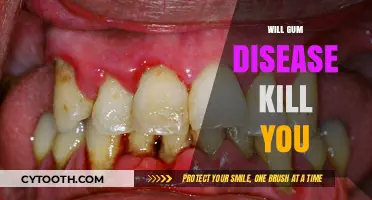
Healthy gums are firm, pale pink, and snugly wrap around each tooth. When you notice redness, swelling, tenderness, or bleeding during routine oral care, it’s a clear signal your gums are inflamed—a hallmark of early periodontal disease, known as gingivitis. This inflammation occurs when plaque, a sticky film of bacteria, builds up along the gum line, triggering an immune response. While occasional bleeding might seem minor, it’s your body’s alarm system, warning of potential damage to gum tissue and underlying bone if left unchecked.
To address gum inflammation effectively, start with meticulous oral hygiene. Brush twice daily with a soft-bristled toothbrush, using gentle circular motions to avoid further irritation. Floss daily, but if swollen gums make this painful, try a water flosser or interdental brush. Incorporate an antimicrobial mouthwash containing chlorhexidine (0.12% concentration) or essential oils to reduce plaque and soothe inflammation. However, avoid long-term use of alcohol-based rinses, as they can dry out tissues and worsen sensitivity. For adults over 40 or those with persistent symptoms, consult a dentist to rule out advanced periodontal disease or other systemic issues like diabetes, which can exacerbate gum problems.
Comparing gum inflammation to other oral issues highlights its urgency. Unlike a temporary irritation from a sharp chip in a tooth, inflamed gums are a progressive condition. While a canker sore or minor cut inside the mouth typically heals within a week, untreated gingivitis can advance to periodontitis, leading to irreversible bone loss and tooth mobility. The key difference? Gum inflammation is preventable and reversible with early intervention, whereas advanced periodontal disease requires intensive treatment, including deep cleaning (scaling and root planing) or surgery.
For practical relief, consider these tips: rinse with warm salt water (1/2 teaspoon salt in 8 ounces of water) twice daily to reduce swelling and kill bacteria. Avoid sugary or acidic foods that fuel bacterial growth, and increase your vitamin C intake (found in citrus fruits, bell peppers, or supplements of 500–1,000 mg daily) to strengthen gum tissue. If symptoms persist after two weeks of diligent care, seek professional treatment. Remember, gum inflammation isn’t just a local issue—it’s linked to systemic health risks like heart disease and diabetes, making early management critical for overall well-being.
Cost of Gum Disease Treatment: What to Expect and Budget For
You may want to see also
Receding Gums: Gums pulling away from teeth, making teeth appear longer
Receding gums, a hallmark of periodontal disease, manifest as the gum tissue pulls away from the teeth, exposing more of the tooth’s surface and even its root. This condition not only alters the appearance of your smile, making teeth seem unnaturally long, but also compromises oral health by creating pockets where bacteria thrive. Unlike minor gum inflammation, recession is irreversible and signals advanced gum disease if left untreated. Early detection is critical, as the process is often painless and progresses silently until significant damage occurs.
Analyzing the causes reveals a combination of factors, including aggressive brushing, hormonal changes, and genetic predisposition. Poor oral hygiene exacerbates the issue, allowing plaque to harden into tartar, which further irritates the gums. Interestingly, tobacco users are at a significantly higher risk, as smoking impairs blood flow to the gums, hindering their ability to heal. Even clenching or grinding teeth can contribute, placing excessive force on the gums and accelerating recession. Understanding these triggers is the first step in preventing or managing this condition.
To address receding gums, start with a gentle oral care routine. Use a soft-bristled toothbrush and fluoride toothpaste, brushing at a 45-degree angle to the gum line. Incorporate antimicrobial mouthwash to reduce bacterial buildup, and floss daily to remove debris between teeth. For those with persistent issues, a dentist may recommend a deep cleaning procedure called scaling and root planing to remove tartar and smooth the tooth root, promoting gum reattachment. In severe cases, surgical options like gum grafting can restore lost tissue and protect exposed roots.
Comparing receding gums to other periodontal symptoms highlights its unique impact. While bad breath and bleeding gums are early warnings, recession indicates deeper structural damage. Unlike tooth sensitivity, which can stem from various causes, gum recession is specifically tied to gum disease progression. This distinction underscores the need for targeted intervention, as ignoring it can lead to tooth mobility and eventual loss. Regular dental check-ups are essential, as professionals can measure gum pockets and track changes over time.
Practically, prevention is key. Limit sugary foods and beverages, which fuel bacterial growth, and stay hydrated to maintain saliva production, a natural protector against plaque. For adults over 40, who are more susceptible due to age-related wear, incorporating a gum stimulator into daily care can improve circulation. Pregnant women, prone to hormonal gingivitis, should be vigilant about oral hygiene and consult their dentist for tailored advice. By combining proactive habits with professional care, you can halt recession’s advance and preserve your oral health.
Understanding the Timeline: How Long Does Gum Disease Develop?
You may want to see also
Bad Breath: Persistent halitosis despite regular oral hygiene practices
Persistent bad breath, or halitosis, can be more than just an embarrassing social issue—it may signal an underlying problem like periodontal disease. Even individuals who brush twice daily, floss regularly, and use mouthwash can experience chronic halitosis if gum disease is present. This occurs because periodontal disease involves bacterial growth and inflammation in the gums, which release volatile sulfur compounds (VSCs) responsible for foul odors. Unlike transient bad breath caused by food or drink, this type lingers despite meticulous oral care, making it a red flag for deeper issues.
To address persistent halitosis linked to periodontal disease, a multi-pronged approach is necessary. First, ensure your oral hygiene routine is comprehensive: use an antibacterial mouthwash containing chlorhexidine (0.12% concentration, twice daily) to reduce bacterial load, and consider a tongue scraper to remove debris and bacteria from the tongue’s surface. Second, schedule a dental checkup to assess gum health; professional cleanings can remove plaque and tartar buildup that contribute to both halitosis and periodontal progression. Ignoring these steps may allow the disease to advance, leading to irreversible damage like tooth loss or systemic health complications.
Comparatively, while over-the-counter breath fresheners mask odors temporarily, they do not address the root cause of periodontal-related halitosis. For instance, chewing gum or mints may provide short-term relief, but they lack the antibacterial properties needed to combat gum disease. Instead, focus on long-term solutions like dietary modifications—reducing sugar intake and increasing water consumption can limit bacterial growth and maintain saliva production, which naturally cleanses the mouth. This proactive approach not only manages bad breath but also supports overall gum health.
Finally, persistent halitosis should prompt a closer look at lifestyle factors that exacerbate periodontal disease. Smoking, for example, not only worsens bad breath but also impairs gum tissue healing and increases infection risk. Similarly, stress and poor sleep can weaken the immune system, making it harder for the body to fight off gum infections. By addressing these contributors alongside professional dental care, individuals can effectively tackle both the symptom of bad breath and its underlying periodontal cause, restoring oral and overall health.
Gum Disease Treatment Costs: What to Expect and How to Budget
You may want to see also
Loose Teeth: Teeth feeling unstable or shifting due to bone loss
One of the most alarming signs of periodontal disease is the sensation of loose teeth. This instability isn’t merely a feeling; it’s a physical manifestation of bone loss in the jaw. As periodontal disease progresses, the bacteria and inflammation erode the bone that anchors your teeth, causing them to shift or feel wobbly. Adults, especially those over 40, should take note: loose teeth are not a normal part of aging but a red flag requiring immediate dental attention. Ignoring this symptom can lead to irreversible damage, including tooth loss.
To assess whether your teeth are loosening due to periodontal disease, perform a simple self-check. Gently press on your teeth with your tongue or fingers. If they move more than a millimeter or feel unsteady, it’s time to consult a dentist. Compare this to the stability of your teeth a year ago—has there been a noticeable change? Keep a journal to track symptoms, noting any progression. Early detection can halt bone loss through treatments like deep cleaning, antibiotic therapy, or surgical intervention.
Persuasively, addressing loose teeth isn’t just about saving your smile—it’s about preserving your overall health. Periodontal disease is linked to systemic conditions like heart disease and diabetes, making it a symptom you cannot afford to ignore. For instance, studies show that individuals with untreated periodontal disease are nearly twice as likely to develop coronary artery disease. By prioritizing oral health, you’re investing in your body’s well-being. Start with daily habits: brush twice a day with fluoride toothpaste, floss regularly, and use an antimicrobial mouthwash to reduce bacterial buildup.
Descriptively, imagine your jawbone as the foundation of a house. Just as a weakened foundation causes walls to shift, bone loss in the jaw destabilizes your teeth. Over time, this can lead to gaps between teeth, changes in bite alignment, or even teeth falling out. Practical tips include incorporating calcium-rich foods like dairy, leafy greens, and almonds into your diet to support bone health. Avoid habits like smoking or excessive alcohol consumption, which accelerate bone loss. Regular dental check-ups every six months are non-negotiable for monitoring and managing periodontal disease.
In conclusion, loose teeth are a critical warning sign of advanced periodontal disease, signaling significant bone loss. By recognizing this symptom early, adopting preventive measures, and seeking professional care, you can protect your teeth and overall health. Don’t wait for the problem to worsen—act now to secure your smile for years to come.
Apple Cider Vinegar Remedies for Gum Disease: A Natural Guide
You may want to see also
Pus Discharge: Presence of pus between gums and teeth, indicating infection
Pus discharge between the gums and teeth is a stark indicator of periodontal disease, signaling an active infection that demands immediate attention. This symptom, often accompanied by a foul taste or odor, occurs when bacteria invade the gum tissue, triggering an immune response. The body’s attempt to fight the infection results in the accumulation of pus, a thick, yellowish fluid composed of white blood cells, dead tissue, and bacteria. Ignoring this sign can lead to deeper tissue damage, bone loss, and potential tooth mobility. If you notice pus, it’s not merely a localized issue—it’s a red flag for systemic inflammation that may affect overall health.
To address pus discharge effectively, start by improving oral hygiene practices. Brush twice daily with a soft-bristled toothbrush and fluoride toothpaste, ensuring you clean along the gumline where bacteria thrive. Floss daily to remove plaque and debris between teeth, and consider using an antimicrobial mouthwash to reduce bacterial load. However, self-care alone may not suffice. Schedule an appointment with a dentist or periodontist promptly. They may perform a deep cleaning (scaling and root planing) to remove plaque and tartar below the gumline, followed by antibiotic therapy if necessary. Delaying treatment risks progression to advanced periodontitis, which may require surgical intervention.
Comparatively, pus discharge is more than just a symptom of poor oral hygiene—it’s a warning of a deeper, systemic issue. Research shows a strong link between periodontal disease and conditions like diabetes, cardiovascular disease, and respiratory infections. The bacteria causing the infection can enter the bloodstream, exacerbating inflammation elsewhere in the body. For instance, individuals with diabetes are more susceptible to periodontal infections and may experience slower healing, making early intervention critical. Conversely, treating periodontal disease can improve glycemic control in diabetic patients, highlighting the interconnectedness of oral and systemic health.
Practically, prevention is key to avoiding pus discharge and its complications. Limit sugar intake, as it fuels bacterial growth, and quit smoking, as tobacco use impairs gum tissue healing. Incorporate foods rich in vitamin C, such as oranges and bell peppers, to strengthen gum tissue. For those with braces or dental prosthetics, ensure proper cleaning around these appliances to prevent plaque buildup. Regular dental check-ups every six months allow for early detection and management of periodontal issues. Remember, pus discharge is not a normal occurrence—it’s a call to action to protect your oral and overall health.
Effective Home Remedies to Treat Gum Disease Without Dental Visits
You may want to see also
Frequently asked questions
Early signs include red, swollen, or tender gums, bleeding while brushing or flossing, persistent bad breath, and gum recession.
Yes, loose or shifting teeth can indicate advanced periodontal disease, as the infection weakens the bone and tissues supporting the teeth.
While early stages may be painless, advanced periodontal disease can cause tooth sensitivity, pain while chewing, or discomfort due to infection and inflammation.