Hailey Morgan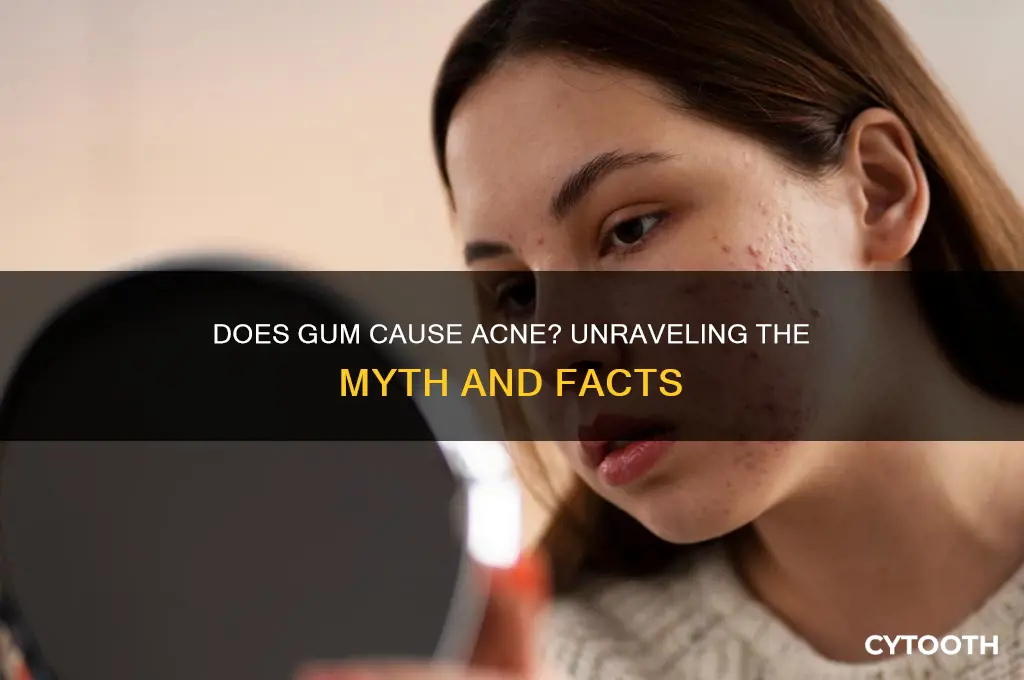
The relationship between gum chewing and acne has sparked curiosity, with some speculating that certain ingredients in gum, such as sugar or artificial sweeteners, might contribute to skin issues. While there is no definitive scientific evidence directly linking gum consumption to acne, it is believed that factors like increased sugar intake, which can elevate insulin levels and potentially trigger inflammation, or sensitivity to specific additives like xylitol or aspartame, could indirectly affect skin health. Additionally, the habit of touching the face while chewing gum might introduce bacteria or irritants to the skin, potentially exacerbating acne. However, individual responses vary, and maintaining a balanced diet, proper skincare routine, and awareness of personal sensitivities remains key in managing skin conditions.
| Characteristics | Values |
|---|---|
| Direct Link to Acne | No conclusive evidence that gum directly causes acne. |
| Sugar Content | High-sugar gums may indirectly contribute to acne by spiking blood sugar and insulin levels, potentially increasing oil production and inflammation. |
| Artificial Sweeteners | Some artificial sweeteners (e.g., aspartame) have been anecdotally linked to skin issues, but scientific evidence is limited. |
| Chewing Habit | Frequent chewing may increase jawline acne due to friction or transfer of bacteria from hands to face. |
| Xylitol | Xylitol, a sugar substitute in some gums, is generally considered safe and not linked to acne. |
| Hormonal Impact | No evidence suggests gum affects hormones in a way that causes acne. |
| Oral Hygiene | Sugar-free gum can improve oral health by stimulating saliva production, which may indirectly benefit skin health. |
| Individual Sensitivity | Some individuals may experience skin reactions to specific gum ingredients, but this is rare. |
| Scientific Consensus | Current research does not support gum as a direct cause of acne. |
What You'll Learn

Sugar Content in Gum
Chewing gum often contains sugar, a known contributor to various health issues, including skin problems like acne. The sugar content in gum can vary widely, with some brands containing up to 2-3 grams of sugar per stick. This might seem insignificant, but frequent consumption can lead to a cumulative intake that exceeds recommended daily limits. For context, the American Heart Association suggests no more than 25 grams of added sugar per day for women and 36 grams for men. If you chew multiple pieces of sugary gum daily, you could unknowingly surpass these limits, potentially triggering inflammation and insulin spikes that are linked to acne development.
Analyzing the connection between sugar and acne reveals a clear mechanism. High sugar intake causes a rapid increase in blood sugar levels, prompting the release of insulin. This, in turn, can stimulate the production of androgens, hormones that increase oil production in the skin. Excess oil clogs pores, creating an environment where acne-causing bacteria thrive. Sugar also promotes inflammation, another key factor in acne formation. While gum is not the sole culprit, its sugar content can contribute to these processes, especially when combined with other sugary foods in your diet.
If you’re concerned about acne and chew gum regularly, consider switching to sugar-free alternatives. Sugar-free gum typically uses sweeteners like xylitol, sorbitol, or aspartame, which have minimal impact on blood sugar levels. However, be cautious with excessive consumption of sugar alcohols like sorbitol, as they can cause digestive issues in some individuals. Moderation is key—limit chewing gum to a few pieces per day, regardless of its sugar content, to avoid potential side effects like jaw discomfort or over-reliance on artificial sweeteners.
For those who prefer natural options, herbal gums or those sweetened with stevia or monk fruit can be excellent choices. These alternatives avoid the blood sugar spikes associated with traditional gum while still providing the oral health benefits of chewing, such as increased saliva production and reduced plaque buildup. Pairing sugar-free gum with a balanced diet low in refined sugars can further support skin health, as dietary choices play a significant role in acne management. Always read labels to ensure you’re making an informed choice, as some "sugar-free" products may still contain hidden sugars or additives.
Dry Mouth and Gum Recession: Uncovering the Surprising Connection
You may want to see also
Artificial Sweeteners Impact
Artificial sweeteners, commonly found in sugar-free gum, have been scrutinized for their potential role in acne development. While they offer a low-calorie alternative to sugar, their impact on skin health remains a topic of debate. Research suggests that certain artificial sweeteners, such as aspartame and sucralose, may influence insulin levels and gut microbiota, both of which are linked to acne. For instance, a study published in the *Journal of the Academy of Nutrition and Dietetics* found that high consumption of aspartame could disrupt insulin sensitivity, potentially triggering inflammation and sebum production—key factors in acne formation.
To minimize risk, consider limiting daily intake of sugar-free gum to 2–3 sticks, especially if you’re prone to acne. Opt for gums sweetened with xylitol or stevia, which have a milder impact on blood sugar and gut health. Additionally, pair gum chewing with a balanced diet rich in anti-inflammatory foods like leafy greens, fatty fish, and nuts to counteract potential negative effects.
A comparative analysis reveals that artificial sweeteners in gum may not directly cause acne but can exacerbate existing conditions. Unlike sugar, which has a clear link to acne due to its inflammatory properties, artificial sweeteners operate through subtler mechanisms. For example, sucralose has been shown to alter gut bacteria, leading to increased skin inflammation in some individuals. However, this effect varies widely based on dosage and individual tolerance.
For practical application, monitor your skin’s response after consuming sugar-free gum regularly. If breakouts occur, reduce intake or switch to natural sweeteners. Teens and young adults, who are more susceptible to acne, should be particularly cautious, as their bodies may react more strongly to artificial additives. Pairing gum consumption with adequate hydration can also help flush out toxins and reduce skin irritation.
In conclusion, while artificial sweeteners in gum are not definitive acne culprits, their indirect effects on insulin and gut health warrant attention. By moderating intake, choosing smarter alternatives, and observing personal reactions, individuals can enjoy gum without compromising skin health. Always remember: moderation and awareness are key to navigating the complex relationship between diet and acne.
Coffee and Gum Recession: Uncovering the Surprising Connection
You may want to see also
Chewing and Hormonal Effects
Chewing gum, particularly sugar-free varieties containing artificial sweeteners like aspartame or sorbitol, can stimulate saliva production. While this might seem unrelated to acne, saliva contains hormones, including cortisol and insulin, which are released in response to the act of chewing. Cortisol, often called the stress hormone, can increase oil production in the skin when elevated, potentially exacerbating acne. Insulin, triggered by the sweet taste even in sugar-free gum, can also lead to a spike in blood sugar levels, which in turn may stimulate sebum production and inflammation—both key factors in acne development.
Consider the frequency and duration of gum chewing. Habitual chewers, especially those who chew multiple sticks daily for extended periods, may experience a cumulative hormonal effect. For instance, chewing gum for more than 30 minutes at a time can lead to a sustained release of cortisol and insulin, potentially disrupting hormonal balance. Teenagers and young adults, already prone to hormonal fluctuations, should be particularly mindful of this, as their skin is more sensitive to hormonal changes. Reducing chewing time to 10–15 minutes per session and limiting intake to 1–2 sticks daily could mitigate these effects.
From a comparative perspective, chewing gum’s hormonal impact differs from that of other oral habits, such as eating or drinking. Unlike solid food, gum provides no nutritional benefit but triggers a hormonal response akin to consuming sugar. For example, drinking water or herbal tea stimulates saliva without the hormonal side effects. If you’re concerned about acne, swapping gum for sugar-free mints or cinnamon sticks—which have antimicrobial properties—might be a better alternative. However, even these should be used sparingly, as overconsumption can still lead to increased saliva production and potential hormonal disruption.
To minimize the risk of gum-related acne, adopt a mindful chewing strategy. First, opt for gum with natural sweeteners like xylitol, which has a lower impact on insulin levels. Second, limit chewing to post-meal times to aid digestion and reduce unnecessary hormonal stimulation. Third, incorporate stress-reducing practices like deep breathing or meditation to lower baseline cortisol levels, counteracting the gum-induced spike. Finally, monitor your skin’s response over 4–6 weeks; if acne persists or worsens, consider eliminating gum entirely and consult a dermatologist for personalized advice.
Invisalign and Gum Health: Does Clear Aligners Cause Recession?
You may want to see also
Gum Ingredients and Skin
Chewing gum, a ubiquitous habit for fresh breath and stress relief, contains ingredients that may interact with your skin in unexpected ways. Let's delve into the specific components of gum and their potential impact on acne-prone skin.
Sugar and Sweeteners: A Double-Edged Sword
Many gums contain sugar or artificial sweeteners like aspartame and sorbitol. Excessive sugar intake is linked to inflammation, a key driver of acne. A 2018 study published in the *Journal of Clinical and Aesthetic Dermatology* found a significant association between high-glycemic diets and acne severity. While the occasional piece of gum likely won't trigger a breakout, frequent consumption of sugary gum could contribute to systemic inflammation, potentially exacerbating acne. Artificial sweeteners, though calorie-free, may also disrupt gut microbiota, which plays a role in skin health.
Titanium Dioxide: A Whitening Agent with Questionable Effects
The pearly white appearance of many gums comes from titanium dioxide, a common food additive. While generally recognized as safe by the FDA, some studies suggest titanium dioxide nanoparticles can penetrate the skin and induce oxidative stress, potentially triggering inflammation. A 2017 review in *Nanotoxicology* highlights the need for further research on the long-term effects of titanium dioxide exposure, particularly in individuals with sensitive skin.
Latex and Flavorings: Allergenic Potential
Natural rubber latex, used in some gum bases, can cause allergic reactions in susceptible individuals. Symptoms range from mild skin irritation to more severe anaphylactic responses. Additionally, artificial flavorings, often derived from petroleum products, may contain allergens or irritants that could trigger skin reactions in some people.
Practical Tips for Gum Lovers
If you're concerned about gum's potential impact on your skin:
- Choose sugar-free gum with xylitol or erythritol: These natural sweeteners have a lower glycemic index and may be less likely to contribute to inflammation.
- Opt for latex-free gum: Look for brands that explicitly state "latex-free" on the packaging.
- Limit consumption: Enjoy gum in moderation, especially if you have acne-prone skin or sensitivities.
- Prioritize overall skin health: A balanced diet, regular cleansing, and a consistent skincare routine are fundamental for managing acne.
Remember, while gum ingredients may play a minor role in skin health, they are unlikely to be the sole cause of acne. By making informed choices and prioritizing overall wellness, you can enjoy gum responsibly while maintaining healthy skin.
Brushing Too Hard: A Hidden Cause of Receding Gums?
You may want to see also
Stress from Chewing Gum
Chewing gum, often touted as a stress reliever, may paradoxically induce stress through jaw tension and hormonal fluctuations. The repetitive motion of chewing can strain the temporomandibular joint (TMJ), leading to discomfort or pain. This physical stress triggers the release of cortisol, a hormone linked to inflammation and acne breakouts. For individuals prone to skin issues, the increased cortisol levels from prolonged gum chewing could exacerbate existing conditions. Limiting chewing sessions to 10–15 minutes and opting for sugar-free gum can mitigate this risk, as excessive sugar intake further aggravates inflammation.
Consider the mechanics of chewing gum: it simulates eating, prompting the stomach to produce digestive acids in anticipation of food. When no nutrients arrive, this process becomes a source of internal stress. Over time, this can disrupt gut health, which is closely tied to skin clarity. Studies suggest that gut imbalances contribute to acne, making the act of chewing gum a potential indirect trigger. To counteract this, pair gum chewing with mindful practices like deep breathing or consume a small, healthy snack afterward to balance stomach acidity.
From a behavioral standpoint, chewing gum as a stress-relief habit can backfire. The act often becomes compulsive, especially in high-pressure environments, leading to over-reliance and heightened anxiety when gum isn’t available. This psychological stress, combined with the physical strain on the jaw, creates a double-edged sword for acne-prone individuals. Replacing gum with alternative stress relievers, such as herbal tea or short walks, can break this cycle. For those unwilling to quit, setting a daily limit of 2–3 pieces can reduce both stress and potential skin irritation.
Finally, the type of gum matters. Sugar-laden varieties spike blood sugar levels, triggering insulin release and subsequent inflammation—a known acne culprit. Even sugar-free options containing artificial sweeteners like sorbitol or xylitol can cause digestive stress in some individuals, indirectly affecting skin health. Opting for natural, ingredient-conscious brands or exploring alternatives like fennel seeds or mint leaves provides a gentler option. By addressing the stress factors tied to gum chewing, individuals can enjoy the habit without compromising their skin’s well-being.
Zyns and Gum Health: Uncovering the Truth About Potential Damage
You may want to see also
Frequently asked questions
There is no scientific evidence directly linking chewing gum to acne. However, some ingredients in gum, like sugar or artificial sweeteners, may indirectly affect skin health if consumed excessively.
High sugar intake can spike blood sugar levels, potentially leading to inflammation and acne. If gum contains sugar, excessive consumption might indirectly worsen acne-prone skin.
Artificial sweeteners in gum are not proven to cause acne, but individual sensitivities may trigger skin reactions in some people.
Chewing gum itself does not affect hormones, but stress reduction from chewing might indirectly benefit skin health. However, this is not a direct cause of acne.
There’s no need to avoid gum specifically for acne. Focus on overall diet, hydration, and skincare. If you suspect gum is affecting your skin, consider reducing intake and monitoring changes.