Hailey Morgan
The relationship between coffee consumption and gum recession is a topic of growing interest in oral health discussions. While coffee is a beloved daily ritual for millions, its potential impact on gum health raises concerns. Gum recession, characterized by the gradual exposure of tooth roots due to gum tissue loss, can lead to sensitivity, decay, and even tooth loss. Some studies suggest that the acidity in coffee may contribute to enamel erosion, indirectly affecting gum health, while others explore the role of caffeine in reducing blood flow to the gums. Additionally, habits like adding sugar or brushing teeth immediately after drinking coffee might exacerbate the risk. Understanding whether coffee directly causes gum recession or if other factors play a more significant role is essential for maintaining optimal oral health.
| Characteristics | Values |
|---|---|
| Direct Cause of Gum Recession | No, coffee is not a direct cause of gum recession. Gum recession is primarily caused by factors like poor oral hygiene, aggressive brushing, periodontal disease, genetic predisposition, and aging. |
| Indirect Contribution | Coffee can indirectly contribute to gum recession if consumed excessively or in ways that harm oral health, such as staining teeth, increasing acidity in the mouth, or causing dehydration, which reduces saliva production. |
| Acidity | Coffee is acidic (pH around 4.85–5.10), which can erode tooth enamel over time, potentially making gums more susceptible to recession if enamel is weakened. |
| Staining | Coffee stains teeth, which may lead to more aggressive brushing, indirectly contributing to gum recession. |
| Dehydration | Coffee is a diuretic and can cause dehydration, reducing saliva flow. Saliva helps neutralize acids and protect gums, so decreased saliva can increase the risk of gum issues. |
| Sugar and Additives | Adding sugar or flavored syrups to coffee can increase the risk of tooth decay and gum disease, which may lead to gum recession. |
| Temperature | Hot coffee can irritate gums, especially if consumed frequently, potentially causing temporary inflammation or sensitivity. |
| Moderation and Prevention | Moderate coffee consumption (1–2 cups per day) is generally safe. Maintaining good oral hygiene, using a straw to minimize contact with teeth, and rinsing with water after consumption can mitigate risks. |
| Scientific Consensus | Current research does not establish coffee as a direct cause of gum recession. However, its indirect effects on oral health should be managed through proper care. |
What You'll Learn

Coffee's acidity impact on gums
Coffee's acidity, typically ranging between pH 4.5 and 5.5, places it squarely in the category of acidic beverages. This acidity, primarily from chlorogenic acids, can soften tooth enamel over time, making gums more susceptible to recession. Enamel erosion weakens the protective barrier between teeth and gums, allowing bacteria to penetrate deeper, potentially leading to gum inflammation and recession. For context, a pH below 5.5 is considered erosive to dental health, and coffee’s acidity level falls within this range.
Consider the frequency and method of coffee consumption as critical factors. Drinking coffee 3–4 times daily, especially without water rinsing afterward, increases acid exposure to gums. Adding sugar or flavored syrups exacerbates the issue by feeding oral bacteria, which produce acids that further degrade enamel and gum tissue. Cold brew coffee, however, has a lower acidity (pH 5.0–5.1) due to its brewing method, offering a less erosive alternative for those concerned about gum health.
To mitigate coffee’s acidic impact, adopt practical habits. Wait 30 minutes after drinking coffee before brushing teeth to avoid scrubbing softened enamel. Instead, rinse with water immediately after consumption to neutralize acids. Using a straw bypasses direct contact with teeth and gums, reducing acid exposure. For those over 40, whose enamel naturally thins with age, these precautions are particularly vital, as older adults are more prone to gum recession.
Comparatively, coffee’s acidity is milder than sodas (pH 2.5–3.5) but more persistent in daily routines, making its cumulative effect noteworthy. Unlike tea, which contains tannins that can stain teeth but has a higher pH, coffee’s acidity directly challenges gum integrity. Pairing coffee with dairy or plant-based milk can buffer its acidity, offering a simple yet effective solution to minimize enamel and gum damage.
Ultimately, while coffee’s acidity alone doesn’t cause gum recession, it accelerates the process when combined with poor oral hygiene or frequent consumption. Awareness of these factors empowers individuals to enjoy coffee without compromising gum health. Moderation, mindful consumption, and proactive dental care are key to preserving gums in the face of coffee’s acidic nature.
Braces and Gum Recession: Uncovering the Truth Behind the Myth
You may want to see also
Caffeine and blood flow to gums
Caffeine, a staple in coffee, is known to constrict blood vessels, potentially reducing blood flow to the gums. This vasoconstrictive effect can temporarily decrease the delivery of oxygen and nutrients to gum tissues, which are crucial for maintaining their health and resilience. While moderate caffeine intake (up to 400 mg per day, roughly 4 cups of brewed coffee) is generally considered safe, excessive consumption may exacerbate gum issues, particularly in individuals already prone to gum recession. Understanding this mechanism is key to evaluating whether coffee could contribute to gum problems.
Consider the role of blood flow in gum health: adequate circulation supports tissue repair, immune function, and the removal of waste products. When caffeine restricts this flow, even mildly, it may hinder the gums’ ability to recover from daily wear and tear or minor injuries. For older adults or those with pre-existing gum disease, this effect could be more pronounced. For instance, a 50-year-old coffee enthusiast consuming 6–8 cups daily might notice increased gum sensitivity or slower healing after dental procedures due to compromised blood flow.
To mitigate caffeine’s impact on gum blood flow, practical adjustments can be made. First, limit coffee intake to 2–3 cups per day, especially if you’re over 40 or have gum concerns. Second, incorporate caffeine-free periods into your routine; avoid coffee at least 2 hours before bedtime to allow blood vessels to dilate naturally. Third, pair coffee consumption with hydration—drink a glass of water with each cup to maintain saliva production, which helps neutralize acids and support gum health.
Comparing caffeine’s effects to other vasoconstrictors, such as nicotine, highlights its relatively mild but cumulative impact. While a single cup of coffee may have minimal effect, chronic high intake can lead to persistent reduced blood flow, similar to how smoking exacerbates gum disease. Unlike nicotine, however, caffeine’s effects are reversible—reducing intake can quickly restore normal circulation. This distinction underscores the importance of moderation and awareness in coffee consumption for gum health.
Finally, while caffeine’s role in gum recession is not definitive, its influence on blood flow cannot be ignored. For those concerned about gum health, monitoring caffeine intake and adopting supportive habits—like regular flossing, using a soft-bristled toothbrush, and scheduling dental check-ups—can help counteract potential risks. By balancing enjoyment of coffee with mindful practices, individuals can maintain both their caffeine habit and their gum health.
Invisalign and Gum Health: Does Clear Aligners Cause Recession?
You may want to see also
Staining effects on gum health
Coffee's deep hue isn't just a visual characteristic; it's a potential contributor to gum staining, a concern for oral health enthusiasts and aesthetic-conscious individuals alike. The staining effect of coffee on teeth is well-documented, but its impact on gum health is a nuanced topic. When coffee's dark pigments come into contact with the gums, they can leave behind a subtle discoloration, particularly in areas where the gums are more porous or have receded. This staining is more than a cosmetic issue; it can serve as a visual indicator of gum health and hygiene practices.
The Science Behind Staining
The primary culprits behind coffee's staining power are chromogens, intensely colored molecules that adhere to the dental pellicle, a thin protein film on tooth enamel. However, this pellicle also extends to the gum line, making it susceptible to staining. When coffee is consumed regularly, especially without proper oral hygiene, these chromogens can accumulate, leading to noticeable discoloration. Interestingly, the acidity of coffee plays a dual role; while it can contribute to enamel erosion, it may also make the gums more receptive to staining by altering the oral pH.
Practical Tips for Prevention
To mitigate the staining effects of coffee on gum health, consider the following strategies:
- Rinse and Brush: After enjoying your coffee, rinse your mouth with water to dilute the acids and pigments. Wait for 30 minutes before brushing to avoid damaging the enamel, then use a soft-bristled toothbrush and fluoride toothpaste to clean your teeth and gums gently.
- Moderation and Timing: Limit coffee consumption to 1-2 cups per day, and avoid sipping it throughout the day. Instead, consume it in one sitting to minimize prolonged exposure.
- Add Milk, Not Sugar: Milk can reduce the staining potential of coffee by binding to the chromogens, making them less likely to adhere to oral surfaces. Avoid adding sugar, as it can contribute to plaque formation and gum issues.
Comparative Analysis: Coffee vs. Other Beverages
Compared to other popular beverages, coffee's staining potential is moderate. Tea, especially black tea, contains similar chromogens and can cause comparable staining. Red wine, with its deep color and acidity, is another significant stain culprit. In contrast, white wine and clear spirits have a lower staining risk. Interestingly, some studies suggest that coffee's staining effect might be less severe than tea's due to differences in tannin content and molecular structure.
Long-Term Considerations
While gum staining from coffee is generally reversible with proper care, it can be a warning sign for more severe issues. Persistent staining, especially when accompanied by gum recession or sensitivity, may indicate poor oral hygiene or underlying gum disease. Regular dental check-ups are essential to monitor gum health and address any concerns promptly. For individuals with existing gum issues, reducing coffee intake and adopting a rigorous oral care routine can significantly improve gum health and aesthetics.
Incorporating these insights into your daily routine can help maintain healthy gums and a bright smile, even for coffee enthusiasts. Remember, moderation and proper oral hygiene are key to enjoying your favorite brew without compromising gum health.
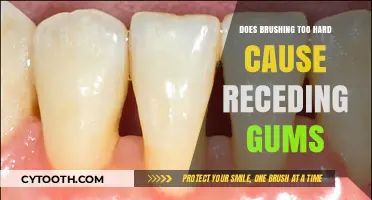
Brushing Too Hard: A Hidden Cause of Receding Gums?
You may want to see also
Coffee grinding habits and gums
Coffee grinding habits may seem unrelated to gum health, but the connection lies in the acidity and coarseness of your brew. Finely ground coffee, often used in espresso, has a higher surface area, which can lead to a more acidic extraction. This acidity, when consumed in excess, can erode tooth enamel and potentially contribute to gum recession over time. For instance, a study published in the *Journal of Periodontology* suggests that prolonged exposure to acidic beverages can weaken the gums’ protective barrier. If you’re a daily espresso drinker, consider switching to a coarser grind for drip coffee, which tends to be less acidic and gentler on your gums.
The temperature of your coffee also plays a role in gum health, especially when paired with grinding habits. Finely ground coffee, when brewed at high temperatures, can retain more heat, increasing the risk of thermal burns to the gums. This is particularly relevant for older adults or individuals with sensitive gums, who may already be prone to recession. To mitigate this, allow your coffee to cool slightly before sipping, and opt for a medium or coarse grind, which typically brews at lower temperatures. Pairing this with a straw can further reduce direct contact with your gums.
Grinding your coffee beans at home gives you control over particle size, a factor that indirectly affects gum health through staining. Finer grinds release more tannins, compounds responsible for coffee’s dark color, which can adhere to teeth and gums, leading to discoloration. Over time, this staining can make gums appear less healthy and more receded. If aesthetics are a concern, experiment with a slightly coarser grind to reduce tannin extraction. Additionally, rinsing your mouth with water after drinking coffee can help minimize staining and maintain gum integrity.
Lastly, the frequency of your coffee consumption, combined with grinding habits, can amplify its impact on gums. For example, drinking multiple cups of finely ground, highly acidic coffee daily can create a hostile environment for gum tissue. A practical tip is to limit your intake to 2–3 cups per day and alternate with non-acidic beverages like herbal tea. If you’re a heavy coffee drinker, consider investing in a burr grinder, which allows precise control over grind size, enabling you to experiment with coarser settings to reduce acidity and potential harm to your gums.
In summary, your coffee grinding habits—from particle size to brewing temperature—can subtly influence gum health. By making small adjustments, such as opting for a coarser grind or moderating consumption, you can enjoy your coffee while safeguarding your gums from recession and other issues.
Zyns and Gum Health: Uncovering the Truth About Potential Damage
You may want to see also
Role of sugar in coffee recession
Sugar in coffee isn't just a taste enhancer—it's a silent contributor to gum recession. When you add sugar to your daily brew, you're not just spiking your drink with extra calories; you're creating an environment ripe for bacterial growth. These bacteria feed on sugar, producing acids that erode tooth enamel and irritate gum tissue. Over time, this irritation can lead to gum recession, exposing sensitive tooth roots and increasing the risk of decay. If you're sipping multiple sugary coffees daily, especially without proper oral hygiene, you're accelerating this process.
Consider this: a single teaspoon of sugar (about 4 grams) in your coffee might seem harmless, but compounded over several cups and days, it becomes a significant factor. Studies show that individuals who consume more than 50 grams of sugar daily (roughly 12 teaspoons) are 30% more likely to experience gum issues, including recession. For context, a typical flavored latte from a coffee shop can contain upwards of 20 grams of sugar. Pair this with poor brushing habits, and you've got a recipe for receding gums. The takeaway? Mind your sugar intake, especially in liquid form, as it’s easier to overlook.
To mitigate sugar's role in gum recession, start by gradually reducing the amount you add to your coffee. If you’re used to two teaspoons, cut down to one, then switch to half. Alternatively, explore natural sweeteners like stevia or monk fruit, which don’t feed harmful bacteria. Another practical tip is to rinse your mouth with water after drinking sugary coffee. This simple step dilutes acids and reduces their contact with your teeth and gums. For those over 40, whose gums are naturally more vulnerable, this habit is especially critical.
Comparing sugar’s impact to other factors, like coffee’s acidity, reveals a compounding effect. While coffee’s natural acidity can soften enamel, sugar amplifies the damage by fueling bacterial activity. This dual assault makes sugary coffee a more potent threat than black coffee alone. For instance, a study in the *Journal of Periodontology* found that participants who consumed acidic, sugary beverages had twice the rate of gum recession compared to those who drank unsweetened options. The lesson? If you can’t give up coffee, at least reconsider how you sweeten it.
Finally, let’s address a common misconception: brushing immediately after drinking sugary coffee. While it might seem logical, brushing right away can actually harm enamel weakened by acids. Instead, wait at least 30 minutes before brushing, and use a soft-bristled toothbrush to avoid further gum irritation. Pair this with regular flossing and biannual dental check-ups, and you’ll significantly reduce sugar’s role in gum recession. Remember, it’s not just about enjoying your coffee—it’s about enjoying it responsibly.
Smoking and Oral Health: Do Cigarettes Cause Gum Disease?
You may want to see also
Frequently asked questions
Coffee itself does not directly cause gum recession, but excessive consumption, especially when hot, can irritate gums and contribute to inflammation, potentially worsening existing gum issues.
The acidity in coffee can temporarily soften tooth enamel, making teeth more susceptible to damage. Over time, this may indirectly contribute to gum recession if oral hygiene is poor.
Adding sugar to coffee can promote bacterial growth, leading to plaque buildup and gum disease, which are primary causes of gum recession.
Using a straw can minimize coffee’s contact with teeth and gums, reducing the risk of irritation and acid exposure, which may help prevent gum recession.