Olivia Bennett
A dead tooth, also known as a non-vital tooth, occurs when the pulp inside the tooth, which contains nerves and blood vessels, becomes damaged or infected, leading to its death. Dentists treat a dead tooth primarily through a procedure called root canal therapy, which involves removing the infected or damaged pulp, cleaning and disinfecting the root canal system, and sealing it to prevent further infection. After the root canal, the tooth is typically restored with a crown to protect it and restore its function. This treatment not only alleviates pain and prevents the spread of infection but also saves the natural tooth, avoiding the need for extraction. Early diagnosis and treatment are crucial to ensure the best possible outcome.
| Characteristics | Values |
|---|---|
| Diagnosis | Dentist examines the tooth, checks for symptoms (pain, discoloration), and may take X-rays to confirm pulp death. |
| Root Canal Therapy (RCT) | Most common treatment; removes infected or dead pulp, cleans and disinfects the root canal, and seals it with a filling material (gutta-percha). |
| Tooth Extraction | Considered if the tooth is severely damaged or infected beyond repair. |
| Discoloration Management | Internal bleaching or placement of a dental crown to improve appearance. |
| Post-Treatment Restoration | A dental crown is often placed after RCT to strengthen and protect the treated tooth. |
| Antibiotics | Prescribed if there is a severe infection or abscess. |
| Symptom Relief | Pain management with over-the-counter or prescribed medications during treatment. |
| Follow-Up Care | Regular check-ups to ensure the tooth remains healthy and functional. |
| Duration of Treatment | Typically 1-2 sessions for RCT, depending on complexity. |
| Success Rate | High success rate (over 90%) for root canal therapy when performed correctly. |
What You'll Learn
- Root Canal Therapy: Removes infected pulp, cleans, fills, and seals the tooth to prevent further infection
- Pulp Removal: Extracts dead nerve tissue to eliminate pain and stop bacterial spread
- Crown Placement: Restores tooth structure and function with a custom-fitted protective cap
- Antibiotic Treatment: Prescribes medication to address infection before or after root canal procedures
- Extraction Option: Removes the dead tooth if it’s irreparable, followed by replacement solutions

Root Canal Therapy: Removes infected pulp, cleans, fills, and seals the tooth to prevent further infection
A dead tooth, often the result of untreated decay or trauma, can become a breeding ground for bacteria, leading to infection and potential systemic health issues. Root canal therapy is the gold standard treatment in such cases, designed to eliminate infection, preserve the tooth, and restore function. This procedure involves a series of precise steps: removing the infected pulp, cleaning and disinfecting the root canal system, filling it with a biocompatible material, and sealing the tooth to prevent reinfection. By addressing the source of the problem, root canal therapy not only alleviates pain but also prevents the need for tooth extraction, maintaining the integrity of the patient’s natural dentition.
The process begins with a thorough examination, often including X-rays, to assess the extent of the infection and determine the appropriate treatment plan. Local anesthesia is administered to ensure patient comfort, followed by the placement of a dental dam to isolate the affected tooth. The dentist then creates a small opening in the crown of the tooth to access the pulp chamber and root canals. Using specialized instruments, the infected pulp is carefully removed, and the canals are cleaned and shaped to prepare them for filling. This step is critical, as residual bacteria or debris can lead to treatment failure. Sodium hypochlorite, a powerful disinfectant, is often used to irrigate the canals and ensure thorough debridement.
Once the canals are clean and dry, they are filled with gutta-percha, a rubber-like material that conforms to the shape of the canals and provides a stable foundation. A sealer is applied to enhance the bond between the gutta-percha and the canal walls, ensuring a tight seal. The final step involves restoring the tooth’s structure, typically with a dental crown, to protect it from future damage and restore its function and appearance. This comprehensive approach not only saves the tooth but also prevents the spread of infection to surrounding tissues and the bloodstream.
While root canal therapy is highly effective, success depends on patient compliance and proper aftercare. Patients should avoid chewing on the treated tooth until the final restoration is placed, typically within a few weeks of the procedure. Maintaining good oral hygiene, including regular brushing, flossing, and dental check-ups, is essential to prevent reinfection and ensure long-term success. Contrary to common misconceptions, root canal therapy is no more uncomfortable than getting a filling, thanks to modern techniques and anesthesia. In fact, it is often the solution to relieving the severe pain associated with an infected tooth.
For those concerned about the longevity of a treated tooth, studies show that teeth restored with root canal therapy can last a lifetime with proper care. However, delays in treatment can lead to complications, such as abscess formation or bone loss, which may compromise the outcome. Early intervention is key, and patients experiencing symptoms like persistent pain, sensitivity to temperature, or swelling should seek dental care promptly. Root canal therapy is not just a treatment—it’s a commitment to preserving oral health and avoiding the cascading effects of tooth loss, from aesthetic concerns to functional impairments.
Understanding Dental Tooth Numbering: A Comprehensive Guide for Patients
You may want to see also
Pulp Removal: Extracts dead nerve tissue to eliminate pain and stop bacterial spread
A dead tooth, devoid of blood supply, becomes a breeding ground for bacteria within its pulp chamber. This necrotic tissue, once the tooth's lifeline, now poses a threat, causing pain, infection, and potential systemic health risks. Pulp removal, a procedure known as a pulpectomy, directly addresses this issue by extracting the source of the problem.
Unlike a root canal, which aims to save the tooth's vitality, pulpectomy acknowledges the irreversible damage and focuses on preventing further complications.
Imagine a decaying fruit at the core of an otherwise healthy apple. Removing the rotten part prevents the spoilage from spreading, saving the rest of the fruit. Similarly, pulpectomy involves meticulously accessing the pulp chamber, often under local anesthesia, and carefully extracting the dead nerve tissue, along with any debris and infected material. This process, performed with precision instruments, ensures complete removal, leaving behind a clean, disinfected space.
Think of it as a surgical cleaning, eliminating the source of infection and creating a sterile environment for further treatment.
Following pulp removal, the empty chamber is filled with a biocompatible material, often a combination of gutta-percha and sealer, acting as a barrier against bacterial re-entry. This step is crucial, akin to sealing a wound to prevent further infection. In some cases, a stainless steel crown may be placed over the treated tooth, providing additional strength and protection, especially in children. This two-pronged approach – removal and sealing – effectively eliminates pain, halts bacterial spread, and prepares the tooth for long-term restoration.
While pulpectomy is a highly effective solution, it's important to remember that it's not a standalone cure. Regular dental checkups and good oral hygiene practices remain essential to prevent future dental issues. Think of pulpectomy as a crucial step in a comprehensive treatment plan, ensuring the longevity and health of the treated tooth and the overall well-being of the patient.
Replacing Missing Teeth: Dental Solutions for a Complete Smile
You may want to see also
Crown Placement: Restores tooth structure and function with a custom-fitted protective cap
A dead tooth, devoid of blood flow and nerve function, is a vulnerable structure. Left untreated, it can become brittle, prone to fracture, and a breeding ground for infection. Crown placement emerges as a cornerstone treatment, offering a robust solution to restore both the tooth's structural integrity and its functional role in the mouth.
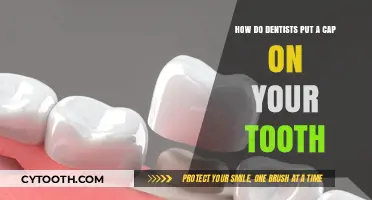
Imagine a custom-made, tooth-shaped cap, meticulously crafted to fit seamlessly over the prepared dead tooth. This cap, typically made from durable materials like porcelain, ceramic, or even gold, acts as a protective shield, safeguarding the weakened tooth from further damage.
The process begins with a thorough examination and preparation. The dentist removes any decayed tissue and shapes the remaining tooth structure to accommodate the crown. Impressions are then taken, serving as blueprints for the dental lab to create a crown that perfectly matches the size, shape, and color of the surrounding teeth. This customization ensures a natural-looking and comfortable fit.
Once the custom crown is ready, the dentist permanently cements it onto the prepared tooth. This final step transforms the once-vulnerable dead tooth into a strong, functional unit, capable of withstanding the rigors of chewing and biting.
Crown placement offers a multitude of benefits. It prevents further deterioration of the tooth, eliminating the risk of painful fractures and potential tooth loss. It restores the tooth's natural shape and size, improving aesthetics and bite alignment. Moreover, the crown's durable material provides a long-lasting solution, often lasting for many years with proper care.
While crown placement is a highly effective treatment, it's important to remember that it addresses the symptoms of a dead tooth, not the underlying cause. Root canal therapy, a procedure to remove the infected pulp and seal the root canal, is often necessary before crown placement to ensure the long-term success of the restoration.
How Dentists Perform Root Canals to Remove Infected Tooth Nerves
You may want to see also
Antibiotic Treatment: Prescribes medication to address infection before or after root canal procedures
In the realm of endodontic therapy, antibiotic treatment plays a pivotal role in managing infections associated with dead teeth. When a tooth dies due to decay, trauma, or other factors, bacteria can infiltrate the pulp chamber and multiply, leading to abscess formation and potential systemic complications. Dentists often prescribe antibiotics as a prophylactic measure before root canal procedures or as a therapeutic intervention post-treatment to eliminate residual infection. Commonly prescribed antibiotics include amoxicillin (500 mg, three times daily for adults) and clindamycin (300 mg, four times daily for those allergic to penicillin). These medications target gram-positive and gram-negative bacteria, ensuring comprehensive coverage of the microbial flora typically found in dental infections.
The decision to administer antibiotics hinges on several factors, including the severity of the infection, the patient’s overall health, and the presence of systemic symptoms like fever or swelling. For localized infections without systemic involvement, antibiotics may not be necessary, as the root canal procedure itself can effectively eliminate the infection. However, in cases of acute abscesses or cellulitis, antibiotics are indispensable. Patients with compromised immune systems, such as diabetics or those undergoing chemotherapy, are particularly vulnerable to complications and often require antibiotic coverage. Adherence to the prescribed regimen is critical; incomplete courses can lead to antibiotic resistance, rendering future treatments less effective.
A comparative analysis of antibiotic use in endodontics reveals that while they are beneficial, their overuse poses significant risks. Over-reliance on antibiotics without clinical justification contributes to the global crisis of antimicrobial resistance. Dentists must exercise judicious prescribing practices, reserving antibiotics for cases where the benefits clearly outweigh the risks. Alternatives, such as drainage of abscesses or the use of antiseptic irrigants during root canal therapy, can sometimes mitigate the need for systemic antibiotics. Patient education is equally important; individuals must understand that antibiotics are not a substitute for definitive treatment but rather a supportive measure to control infection.
From a practical standpoint, patients prescribed antibiotics should be aware of potential side effects, such as gastrointestinal upset, allergic reactions, or secondary infections like oral thrush. Taking probiotics concurrently can help maintain a healthy gut flora and reduce the risk of antibiotic-associated diarrhea. It’s also advisable to avoid alcohol while on antibiotics, as it can exacerbate side effects and interfere with the medication’s efficacy. For pediatric patients, liquid formulations or chewable tablets are often preferred to ensure accurate dosing. Parents should closely monitor children to ensure they complete the full course, as incomplete treatment can lead to recurrent infections.
In conclusion, antibiotic treatment is a critical component of managing infections in dead teeth, particularly in conjunction with root canal procedures. While effective, their use must be tailored to individual patient needs and guided by clinical evidence. By balancing the benefits of infection control with the risks of antibiotic resistance, dentists can optimize outcomes and safeguard public health. Patients, too, play a vital role in this process by adhering to prescribed regimens and being vigilant about potential side effects. When used appropriately, antibiotics remain a valuable tool in the dentist’s arsenal for treating dead teeth and preventing complications.
Understanding Dead Teeth: Causes, Symptoms, and Treatment Options Explained
You may want to see also
Extraction Option: Removes the dead tooth if it’s irreparable, followed by replacement solutions
A dead tooth, devoid of blood supply and nerve function, often necessitates extraction if it's beyond repair. This decision hinges on factors like infection severity, structural integrity, and potential impact on surrounding teeth. While root canal therapy can sometimes salvage a compromised tooth, extensive decay or fracture may render it unsalvageable. In such cases, extraction becomes the most prudent course of action to prevent further complications like abscesses or bone loss.
The extraction process itself is typically straightforward, performed under local anesthesia to ensure patient comfort. Dentists use specialized instruments to gently loosen the tooth before removing it from its socket. Post-extraction, the focus shifts to replacement solutions to restore function and aesthetics. Common options include dental implants, which offer a permanent, natural-looking solution by fusing with the jawbone. Alternatively, bridges or dentures provide viable alternatives, each with its own set of advantages and considerations.
When opting for a dental implant, patients undergo a surgical procedure where a titanium post is inserted into the jawbone to serve as a replacement root. Over time, the bone fuses with the implant in a process called osseointegration, providing a sturdy foundation for a custom-made crown. This process typically takes several months, requiring patience but yielding long-term benefits in terms of durability and aesthetics. Proper oral hygiene and regular dental check-ups are essential to ensure the implant's success and longevity.
For those considering bridges or dentures, the decision often comes down to factors like cost, convenience, and personal preference. Bridges involve anchoring a prosthetic tooth to adjacent healthy teeth, offering a fixed solution without the need for surgery. However, this option may compromise the integrity of neighboring teeth. Dentures, on the other hand, are removable appliances that replace multiple missing teeth, providing a more affordable but less permanent solution. Both options require careful consideration of lifestyle, oral health, and long-term maintenance needs.
In conclusion, while extraction of a dead tooth may seem daunting, it opens the door to transformative replacement solutions. Whether opting for the permanence of implants, the convenience of bridges, or the affordability of dentures, patients can regain functionality and confidence in their smile. Consulting with a dentist to explore these options ensures a tailored approach that addresses individual needs and preferences, ultimately leading to a healthier, happier mouth.
Understanding the Dental Crown Procedure: How Dentists Cap a Tooth
You may want to see also
Frequently asked questions
A dead tooth, or non-vital tooth, occurs when the dental pulp (the inner part containing nerves and blood vessels) dies due to trauma, decay, or infection. This can lead to pain, discoloration, and potential infection if left untreated.
Dentists diagnose a dead tooth through a combination of visual examination, X-rays, and tests like thermal or electric pulp testing to check for nerve response. Discoloration and lack of sensitivity are common indicators.
The primary treatment for a dead tooth is a root canal procedure. This involves removing the infected or dead pulp, cleaning and disinfecting the root canal system, and sealing it to prevent further infection.
Yes, a dental crown is often recommended after a root canal to restore the tooth's strength, shape, and appearance. A dead tooth becomes brittle and prone to fracture, making a crown essential for long-term protection.
If left untreated, a dead tooth can lead to severe infection, abscess formation, bone loss, and even systemic health issues. Prompt treatment is crucial to prevent complications and preserve oral health.