Ethan Brooks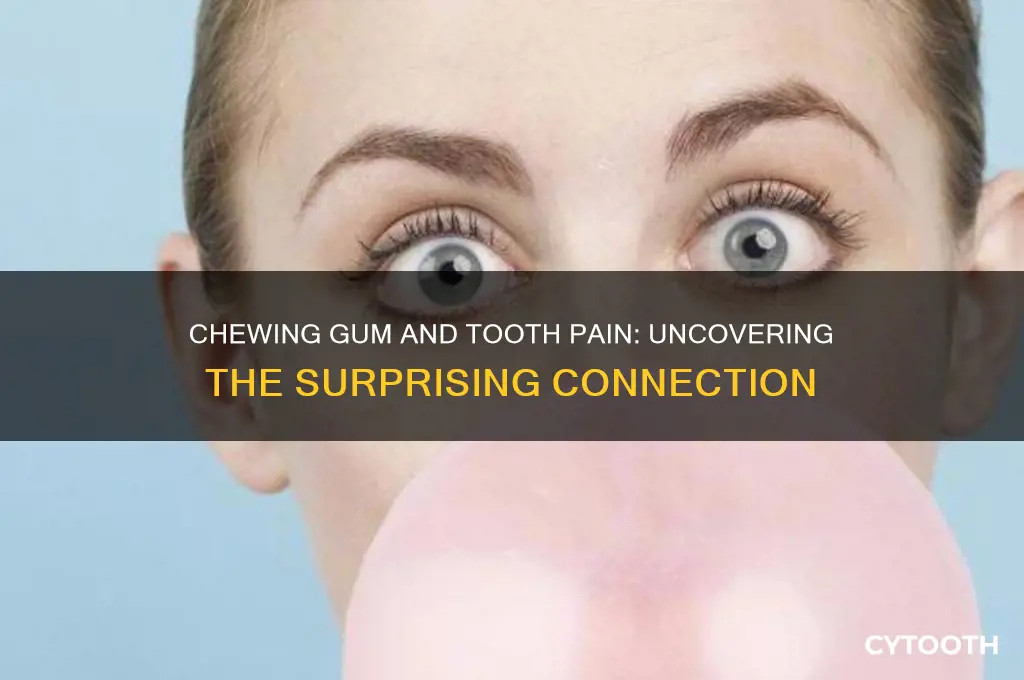
Chewing gum can sometimes cause discomfort or pain in your teeth due to several factors. If you have sensitive teeth, the repetitive motion of chewing can exacerbate sensitivity, especially if the gum is sugary or acidic, which can irritate exposed dentin. Additionally, chewing gum too vigorously or for extended periods can strain your jaw muscles and temporomandibular joint (TMJ), leading to tooth pain or headaches. For individuals with existing dental issues like cavities, loose fillings, or gum disease, the pressure from chewing gum can aggravate these conditions, causing discomfort. Lastly, sugar-free gums containing sugar alcohols like xylitol or sorbitol may trigger tooth sensitivity in some people. If the pain persists, it’s advisable to consult a dentist to rule out underlying dental problems.
| Characteristics | Values |
|---|---|
| Jaw Muscle Fatigue | Prolonged chewing can strain jaw muscles, leading to discomfort or pain. |
| TMJ (Temporomandibular Joint) Stress | Excessive gum chewing can aggravate the TMJ, causing teeth or jaw pain. |
| Tooth Sensitivity | Chewing gum can exacerbate sensitivity in teeth with exposed dentin or enamel erosion. |
| Existing Dental Issues | Cavities, cracks, or loose fillings may worsen with the pressure of chewing gum. |
| Sugar-Free Gum Side Effects | Sugar alcohols (e.g., sorbitol, xylitol) in sugar-free gum can cause bloating or digestive discomfort, indirectly affecting oral health. |
| Bruxism (Teeth Grinding) | Habitual gum chewing may mimic grinding behavior, leading to tooth wear or pain. |
| Gum Hardness | Hard or stale gum can physically irritate teeth or gums during chewing. |
| Acidic Ingredients | Some gums contain acids that may erode enamel, increasing sensitivity. |
| Frequency of Chewing | Chewing gum for extended periods daily can overwork oral structures. |
| Psychological Factors | Stress-related jaw clenching while chewing gum may contribute to discomfort. |
What You'll Learn

Jaw Pain and TMJ Issues
Chewing gum can exacerbate jaw pain and TMJ (temporomandibular joint) issues by overworking the muscles and joints responsible for jaw movement. The repetitive motion of chewing, especially with gum, places constant stress on the TMJ, which connects the jawbone to the skull. This can lead to inflammation, discomfort, and even long-term damage if not addressed. For individuals already experiencing TMJ disorders, such as clicking, popping, or locking of the jaw, chewing gum can intensify these symptoms, making it a habit worth reconsidering.
To mitigate jaw pain associated with TMJ issues, consider reducing or eliminating gum chewing altogether. Instead, opt for sugar-free mints or lozenges that dissolve without requiring prolonged jaw movement. If you must chew, limit sessions to 5–10 minutes at a time and take frequent breaks. Applying a warm compress to the jaw area for 10–15 minutes daily can help relax tense muscles and alleviate discomfort. Additionally, practicing jaw exercises, such as gently opening and closing the mouth or moving the jaw side to side, can improve flexibility and reduce strain.
A comparative analysis reveals that while chewing gum may temporarily stimulate saliva production and freshen breath, the risks to jaw health often outweigh these benefits for TMJ sufferers. Alternatives like oil pulling with coconut oil or using alcohol-free mouthwash can achieve similar oral health benefits without the mechanical stress. It’s also crucial to address underlying causes of TMJ issues, such as teeth grinding or poor posture, which may require interventions like a night guard or ergonomic adjustments.
For those experiencing persistent jaw pain, consulting a dentist or physical therapist is essential. They can provide personalized treatments, such as ultrasound therapy or manual manipulation, to target TMJ dysfunction. Over-the-counter pain relievers like ibuprofen (200–400 mg every 4–6 hours) can offer temporary relief, but long-term reliance should be avoided. By combining lifestyle changes with professional guidance, individuals can effectively manage TMJ-related jaw pain and prevent further complications from habits like chewing gum.
Mastering Mastic Gum: A Step-by-Step Guide to Proper Chewing Techniques
You may want to see also
Sensitive Teeth and Enamel Wear
Chewing gum can exacerbate tooth sensitivity, a condition often linked to enamel wear. Enamel, the protective outer layer of your teeth, can erode over time due to acidic foods, aggressive brushing, or frequent gum chewing. When this happens, the underlying dentin becomes exposed, leading to discomfort or pain when chewing gum or consuming hot, cold, or sweet substances. If you notice a sharp, temporary pain while enjoying your favorite gum, enamel wear might be the culprit.
To mitigate this, consider switching to sugar-free gum, as sugar accelerates enamel erosion by feeding harmful bacteria in your mouth. Additionally, limit gum-chewing sessions to 10–15 minutes at a time to reduce mechanical stress on your teeth. If sensitivity persists, consult a dentist; they may recommend fluoride treatments or desensitizing toothpaste to strengthen enamel and alleviate discomfort.
A comparative analysis reveals that not all gums are created equal. Chewing gums containing xylitol, a natural sweetener, can actually promote oral health by inhibiting bacterial growth. However, even xylitol-sweetened gums should be consumed in moderation, as excessive chewing can still strain your jaw and teeth. For those with existing sensitivity, opting for softer gums or avoiding gum altogether may be the wisest choice.
Practically, incorporating enamel-protecting habits into your routine can make a significant difference. After chewing gum, rinse your mouth with water to neutralize acids and remove debris. Avoid brushing your teeth immediately after consumption, as this can further wear down weakened enamel. Instead, wait at least 30 minutes before brushing with a soft-bristled toothbrush and fluoride toothpaste. These small adjustments can help preserve your enamel and reduce gum-related tooth pain.
Chewing Gum and Dental Health: Myth or Harmful Habit?
You may want to see also
Sugar Content and Cavities
Chewing gum can be a refreshing habit, but if it’s causing tooth pain, sugar content is likely the culprit. Sugar feeds oral bacteria, which produce acids that erode enamel, the protective outer layer of your teeth. This process, known as demineralization, weakens teeth and makes them more susceptible to cavities. Even gums labeled as "sugar-free" often contain alternative sweeteners like maltitol or sorbitol, which can still ferment and contribute to acid production if consumed in excess. The frequency and duration of gum-chewing matter too—prolonged exposure to any sugary or fermentable substance increases the risk of enamel damage.
Consider this scenario: a 30-year-old who chews two pieces of gum daily, each containing 10 grams of sugar. Over a week, that’s 140 grams of sugar directly interacting with their teeth. The American Dental Association recommends limiting daily sugar intake to 25 grams for women and 36 grams for men to reduce cavity risk. Chewing gum with high sugar content can easily push you past this threshold, accelerating tooth decay. Even if you brush twice daily, the constant acid attacks from sugar can outpace your teeth’s natural remineralization process, leading to irreversible damage over time.
To minimize harm, opt for sugar-free gum with non-fermentable sweeteners like xylitol or erythritol. Xylitol, in particular, has been shown to inhibit bacterial growth and promote saliva production, which helps neutralize acids and strengthen enamel. However, moderation is key—chewing more than 4–6 pieces of xylitol gum daily can cause digestive discomfort like bloating or diarrhea. Pairing gum-chewing with proper oral hygiene, such as brushing with fluoride toothpaste and flossing, further protects your teeth from cavity-causing acids.
A comparative analysis reveals that while sugar-free gum is safer, it’s not a substitute for a low-sugar diet. For instance, a piece of gum with 2 grams of sugar may seem insignificant, but chewing it multiple times a day adds up. In contrast, sugar-free gum with xylitol can actively support dental health when used correctly. The takeaway? If chewing gum hurts your teeth, evaluate its sugar content and adjust your habits accordingly. Prioritize sugar-free options, limit chewing duration, and maintain a consistent oral care routine to keep cavities at bay.
Chewing Gum for Denture Wearers: Non-Stick Options and Tips
You may want to see also
Clenching or Grinding Habits
Chewing gum can exacerbate clenching or grinding habits, turning a seemingly harmless activity into a source of dental discomfort. These habits, known as bruxism, often occur unconsciously, especially during sleep or periods of stress. When you chew gum, your jaw muscles activate in a repetitive motion, which can trigger or intensify clenching or grinding behaviors. Over time, this places excessive pressure on your teeth, leading to soreness, enamel wear, and even jaw pain. If you notice tenderness after chewing gum, bruxism might be the culprit.
To mitigate the effects of clenching or grinding while chewing gum, start by limiting gum-chewing sessions to 10–15 minutes at a time. Prolonged chewing can overwork your jaw muscles, increasing the likelihood of bruxism. Additionally, opt for sugar-free gum to reduce the risk of cavities, as sugar can exacerbate dental issues already heightened by grinding. If you suspect bruxism, consider wearing a mouthguard at night to protect your teeth from unconscious grinding. Consult a dentist for a custom-fitted guard for optimal protection.
A comparative analysis reveals that individuals who chew gum frequently are more likely to develop or worsen bruxism compared to non-gum chewers. Stress plays a significant role here, as both gum chewing and grinding are often stress-induced behaviors. While chewing gum can temporarily relieve stress, it may inadvertently train your jaw to clench more frequently. Mindfulness techniques, such as deep breathing or meditation, can address stress at its root, reducing the urge to chew gum or grind teeth. Combining these practices with limited gum use can help break the cycle.
For practical relief, apply a warm compress to your jaw for 10–15 minutes daily to relax tense muscles. Avoid hard or chewy foods that further strain your jaw, and stay hydrated to maintain muscle flexibility. If pain persists, over-the-counter pain relievers like ibuprofen (200–400 mg every 4–6 hours) can provide temporary relief. However, these measures are symptomatic treatments—addressing the underlying bruxism through behavioral changes or professional intervention is crucial for long-term dental health.
Healthy Alternatives to Chewing Gum: What to Chew Instead
You may want to see also
Gum Hardness and Tooth Pressure
Chewing gum can exert significant pressure on teeth, and the hardness of the gum plays a critical role in determining how much stress your teeth endure. Softer gums distribute pressure more evenly, reducing the risk of discomfort or damage. Harder gums, on the other hand, concentrate force on specific areas, potentially leading to soreness or even microfractures in tooth enamel over time. This is especially true if you chew vigorously or for extended periods. For instance, a study published in the *Journal of Oral Rehabilitation* found that harder gums increased occlusal load by up to 20% compared to softer alternatives, highlighting the direct correlation between gum hardness and tooth strain.
To minimize tooth pressure, consider opting for gums labeled as "soft" or "gentle," which are designed to be less abrasive. If you prefer sugar-free gum for oral health benefits, look for brands that use xylitol, as these tend to be softer and less sticky. Additionally, be mindful of your chewing technique. Avoid aggressive jaw movements, and take breaks every 10–15 minutes to give your teeth and jaw muscles a rest. For children or individuals with sensitive teeth, limit chewing sessions to 5–10 minutes at a time to prevent overexertion.
A comparative analysis reveals that gum hardness varies widely across brands and types. For example, traditional bubble gum is often harder and chewier, while modern sugar-free gums are formulated to be softer and more pliable. Chewing nicotine gum, commonly used for smoking cessation, tends to be firmer due to its dense composition, which can increase tooth pressure if used frequently. If you’re a regular gum chewer, experiment with different brands to find one that feels comfortable and doesn’t cause discomfort after prolonged use.
Finally, if you experience persistent tooth pain or sensitivity from chewing gum, it may be a sign to reevaluate your habits or consult a dentist. Hard gums can exacerbate existing dental issues, such as cracked teeth or gum recession, so addressing the root cause is essential. As a practical tip, pair gum chewing with proper oral hygiene practices, like brushing twice daily and flossing, to maintain tooth health. Remember, while gum can be a useful tool for freshening breath or stimulating saliva production, it’s not worth compromising your dental well-being. Choose wisely, chew mindfully, and prioritize your teeth’s long-term health.
Chewing Gum Danger: What Happens When Dogs Ingest It?
You may want to see also
Frequently asked questions
Chewing gum can cause discomfort if you clench or grind your teeth excessively, even if it’s sugar-free. This puts pressure on your jaw and teeth, leading to pain or sensitivity.
Chewing gum occasionally is generally safe, but excessive chewing can strain your jaw muscles and teeth, potentially leading to issues like TMJ disorder or tooth wear.
Jaw pain from chewing gum is often due to overworking the jaw muscles. Prolonged or aggressive chewing can cause fatigue or inflammation in the temporomandibular joint (TMJ).
Chewing gum can exacerbate tooth sensitivity if you have underlying issues like enamel erosion, cavities, or gum recession. The repetitive motion may irritate exposed nerves.