Ethan Brooks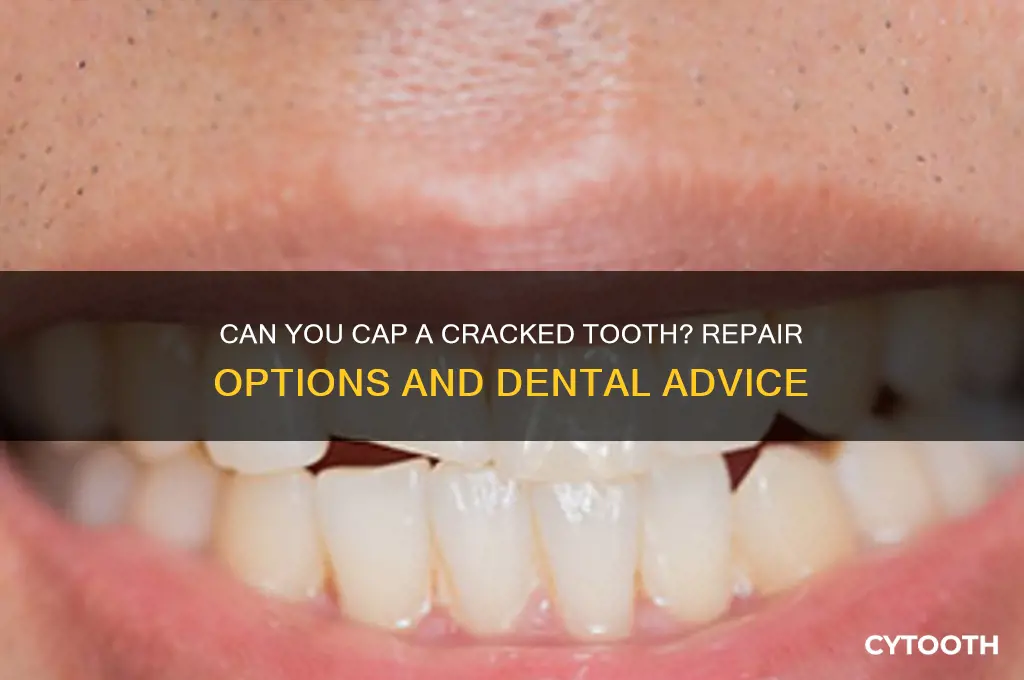
Capping a cracked tooth is a common concern for individuals experiencing dental issues, as a crack can lead to pain, sensitivity, and potential infection if left untreated. The process typically involves a dental crown, which acts as a protective cap to restore the tooth’s shape, size, and strength while preventing further damage. However, the suitability of capping depends on the severity and location of the crack; minor cracks may be treated with bonding or veneers, while deeper fractures might require a root canal or even extraction. Consulting a dentist is essential to determine the best course of action, as early intervention can save the tooth and prevent complications.
| Characteristics | Values |
|---|---|
| Procedure | Dental Crown (Cap) |
| Purpose | To restore a cracked tooth's shape, size, strength, and appearance |
| Eligibility | Depends on the severity and location of the crack; minor cracks may be eligible, while severe cracks or those extending to the root may require extraction |
| Material | Porcelain, ceramic, metal (e.g., gold), or porcelain-fused-to-metal (PFM) |
| Process | 1. Tooth preparation (reshaping and filing) 2. Impression or digital scan 3. Temporary crown placement 4. Permanent crown fabrication and placement |
| Duration | Typically 2-3 visits over 2-3 weeks |
| Anesthesia | Local anesthesia during tooth preparation |
| Recovery | Mild discomfort or sensitivity for a few days; avoid hard or sticky foods initially |
| Cost | $800 - $3,000 per crown (varies by material and location) |
| Insurance | Often partially covered by dental insurance (50-80%) |
| Longevity | 5-15 years, depending on material and oral care |
| Alternatives | Dental bonding, veneers, root canal (if pulp is affected), or extraction (for severe cases) |
| Success Rate | High, especially for minor to moderate cracks |
| Risks | Potential for further tooth damage, nerve exposure, or crown failure if not properly maintained |
What You'll Learn

Emergency Care for Cracked Teeth
A cracked tooth demands immediate attention to prevent further damage and alleviate pain. Emergency care begins with rinsing your mouth gently with warm water to clean the area. Avoid using aspirin or painkillers directly on the gum, as this can cause tissue irritation. If the crack is minor, a temporary solution like covering the sharp edge with dental wax can provide relief until professional help is available. However, this is not a long-term fix and should only serve as a stopgap measure.
The severity of a cracked tooth dictates the urgency of care. For superficial cracks affecting only the enamel, over-the-counter pain relievers like ibuprofen (200–400 mg every 4–6 hours) can manage discomfort. However, deep cracks extending into the dentin or pulp require immediate dental intervention. Symptoms like sharp pain when biting, sensitivity to temperature, or visible fractures indicate a critical situation. In such cases, delaying treatment risks infection, tooth loss, or abscess formation, making prompt action essential.
Emergency dental care often involves stabilizing the tooth to prevent further fracture. A dentist may place a temporary crown or filling to protect the tooth while planning a permanent solution. For extensive damage, root canal therapy might be necessary to remove infected pulp and save the tooth. Post-treatment, patients are advised to avoid hard or chewy foods and maintain oral hygiene with gentle brushing and flossing. Follow-up appointments ensure proper healing and determine if a permanent crown is needed.
While capping a cracked tooth is a common solution, it’s not always immediate in emergency situations. The priority is to address pain, prevent infection, and stabilize the tooth. A permanent crown is typically placed after the tooth has been assessed and any underlying issues resolved. In the interim, patients can use cold compresses (15–20 minutes at a time) to reduce swelling and take prescribed antibiotics if infection is suspected. Understanding these steps empowers individuals to act swiftly and effectively when faced with a dental emergency.
Can Tooth Resorption Be Halted? Understanding Causes and Treatment Options
You may want to see also
Types of Dental Crowns Available
A cracked tooth can be a painful and worrying experience, but capping it with a dental crown is often a viable solution. Dental crowns, also known as caps, are custom-made restorations that fit over the damaged tooth to restore its shape, size, strength, and appearance. The type of crown chosen depends on various factors, including the location of the tooth, the extent of the damage, and the patient’s aesthetic preferences. Here’s a detailed look at the types of dental crowns available.
Material Matters: Choosing the Right Crown for Your Needs
Dental crowns are crafted from several materials, each with unique advantages. Porcelain crowns are highly popular due to their natural appearance, as they can be color-matched to blend seamlessly with surrounding teeth. They are ideal for front teeth but may wear down over time. For molars, which endure heavy chewing forces, gold or metal alloy crowns are often recommended. These are durable and less likely to chip, though their metallic color makes them less suitable for visible areas. Porcelain-fused-to-metal (PFM) crowns offer a compromise, combining the strength of metal with the aesthetics of porcelain, though they may cause the gum line to appear darker over time.
Ceramic and Zirconia: Modern Alternatives for Aesthetics and Strength
Ceramic crowns, made from dental porcelain, are a top choice for those prioritizing appearance. They are biocompatible, meaning they are less likely to cause allergic reactions, and their translucency mimics natural teeth. Zirconia crowns, on the other hand, are a newer option known for their exceptional strength and durability. They are particularly suitable for back teeth due to their ability to withstand heavy biting forces. While zirconia is less translucent than ceramic, advancements in technology have improved its aesthetic qualities, making it a versatile option for both front and back teeth.
Temporary vs. Permanent Crowns: Understanding the Process
The journey to a permanent crown often begins with a temporary one. Temporary crowns are typically made from acrylic or stainless steel and are placed while the permanent crown is being fabricated in a dental lab. These provisional caps protect the tooth from further damage and sensitivity, but they are not as durable or aesthetically pleasing as permanent crowns. Permanent crowns, once cemented in place, can last 5–15 years or more with proper care, including regular brushing, flossing, and dental check-ups.
Practical Tips for Crown Longevity
To maximize the lifespan of your dental crown, avoid habits that can compromise its integrity. Refrain from chewing hard foods like ice or using your teeth as tools, as these actions can crack or dislodge the crown. If you grind your teeth, consider wearing a night guard to protect both your natural teeth and the crown. Regular dental visits are essential for monitoring the crown’s fit and condition, ensuring it remains functional and comfortable. With the right material choice and care, a dental crown can effectively cap a cracked tooth, restoring both function and confidence.
Brushing After a Root Canal: What You Need to Know
You may want to see also
Cost of Capping a Cracked Tooth
Capping a cracked tooth, often referred to as a dental crown, is a common solution to restore both function and aesthetics. However, the cost can vary widely depending on several factors. On average, the price ranges from $800 to $1,700 per tooth in the United States, though it can climb higher in urban areas or with premium materials like porcelain or zirconia. Insurance coverage plays a significant role here; many plans cover 50-80% of the cost, but always verify with your provider to avoid unexpected out-of-pocket expenses.
The material choice is a primary cost driver. Metal crowns, typically made of gold or alloy, are the most durable but least aesthetically pleasing, costing around $600-$2,500. Porcelain-fused-to-metal crowns strike a balance between strength and appearance, averaging $500-$1,500. All-ceramic or zirconia crowns, favored for their natural look, can range from $800-$3,000. Your dentist will recommend the best option based on the tooth's location and your bite force.
Geography also impacts pricing. In metropolitan areas like New York or Los Angeles, costs can be 20-30% higher than in rural regions due to overhead expenses. Dental tourism is an alternative for some, with countries like Mexico or Thailand offering crowns at 50-70% less than U.S. prices, though travel and accommodation must be factored in. Always research the clinic’s reputation and ensure they meet international standards.
Beyond the crown itself, additional procedures can inflate the total cost. If the crack has caused significant damage, a root canal may be necessary, adding $700-$1,500. A dental core build-up, required if the tooth lacks sufficient structure to support the crown, can cost $200-$600. X-rays, impressions, and temporary crowns are often included in the initial quote but confirm this with your dentist to avoid surprises.
To manage costs, consider payment plans or dental savings plans, which offer discounts on procedures. Some dentists provide in-house financing or accept third-party options like CareCredit. Preventive care is the most cost-effective strategy; regular check-ups and addressing cracks early can avoid the need for extensive—and expensive—treatments later. Remember, delaying treatment can lead to more severe issues, potentially requiring extraction and implants, which are far costlier than a crown.
Can a Tooth Implant Be Removed? Understanding the Process and Possibilities
You may want to see also
Procedure for Tooth Capping Explained
A cracked tooth can be a painful and distressing experience, but capping it is often a viable solution to restore both function and appearance. The procedure, known as a dental crown, involves placing a custom-made cap over the damaged tooth to protect it from further harm. This process is not only about aesthetics; it’s a critical measure to prevent infection, alleviate pain, and ensure the tooth’s longevity. Understanding the steps involved can help patients feel more at ease and prepared for what lies ahead.
The first step in capping a cracked tooth is a thorough examination by a dentist. This typically includes X-rays to assess the extent of the damage and determine if the tooth’s pulp is affected. If the crack is minor and the pulp is intact, the procedure can proceed. However, if the pulp is exposed or infected, a root canal may be necessary before the crown is placed. Local anesthesia is administered to ensure the patient remains comfortable throughout the process, making it a virtually painless experience.
Once the tooth is prepared, the dentist files it down to create space for the crown. This step is crucial, as it ensures the crown fits seamlessly without feeling bulky or unnatural. Impressions of the tooth are then taken, either digitally or with a mold, to create a custom crown tailored to the patient’s mouth. Temporary crowns are often placed to protect the tooth while the permanent one is being fabricated in a dental lab. This interim period usually lasts 2–3 weeks, during which patients should avoid sticky or hard foods to prevent damage to the temporary crown.
The final placement of the permanent crown involves checking its fit, color, and bite alignment. Adjustments are made as needed to ensure it blends perfectly with the surrounding teeth. Once approved, the crown is cemented into place using a strong dental adhesive. Patients are advised to follow post-procedure care instructions, such as avoiding chewing on hard objects and maintaining good oral hygiene, to prolong the crown’s lifespan. With proper care, a dental crown can last 10–15 years, effectively capping the cracked tooth and restoring its functionality.
While the procedure is straightforward, it’s essential to address any concerns or questions with your dentist beforehand. Factors like cost, material options (porcelain, metal, or ceramic), and potential risks should be discussed to make an informed decision. Capping a cracked tooth is not just a cosmetic fix; it’s a restorative measure that can significantly improve oral health and quality of life. By understanding the process, patients can approach the procedure with confidence and clarity.
Super Glue for Teeth: Safe Emergency Fix or Dental Disaster?
You may want to see also
Alternatives to Dental Crowns
Dental crowns, while effective, aren’t the only solution for a cracked tooth. Composite resin bonding, for instance, offers a minimally invasive alternative. This procedure involves applying a tooth-colored resin to the damaged area, shaping it to match the natural tooth, and hardening it with a special light. It’s ideal for small cracks or chips, preserving more of the original tooth structure compared to crowns. However, bonding may not be as durable for larger cracks or high-pressure chewing areas, typically lasting 5–7 years before needing repair.
For more extensive damage, inlays or onlays provide a middle ground between bonding and crowns. These custom-made restorations are crafted from porcelain or composite material and fit precisely into or onto the tooth. Inlays are placed within the cusps of the tooth, while onlays cover one or more cusps. They require less tooth reduction than crowns but offer more strength than bonding. A study in the *Journal of Prosthetic Dentistry* found that porcelain inlays and onlays have a success rate of over 90% after 5 years, making them a reliable option for moderate cracks.
When a crack extends below the gum line or weakens the tooth significantly, a root canal with post and core buildup might be necessary before considering alternatives. This procedure removes infected or damaged pulp, stabilizes the tooth with a post, and prepares it for a restoration like a crown. However, in some cases, a temporary filling or sealant can be used instead of a crown, especially if the tooth is not under heavy occlusal stress. This approach is more conservative but requires careful monitoring to prevent further damage.
For patients seeking non-invasive, temporary solutions, dental veneers or partial crowns (3/4 crowns) can be considered. Veneers are thin shells bonded to the front of the tooth, primarily used for cosmetic issues but can sometimes cover minor cracks. Partial crowns, on the other hand, cover only a portion of the tooth, reducing the need for extensive tooth preparation. While these options may not address deep structural damage, they can provide functional and aesthetic relief for less severe cases. Always consult a dentist to determine the most suitable alternative based on the crack’s severity, location, and your oral health history.
Can You Glue a Tooth Back In? Dental Emergency Tips
You may want to see also
Frequently asked questions
Yes, a cracked tooth can often be capped with a dental crown, depending on the severity and location of the crack.
The procedure to cap a cracked tooth is typically not painful, as it is performed under local anesthesia to numb the area.
A dental crown on a cracked tooth can last 10–15 years or more with proper care and regular dental check-ups.
If a cracked tooth is not capped, it can worsen, leading to infection, severe pain, or even tooth loss, requiring more extensive treatment.
Not all cracked teeth can be capped; severe cracks extending into the root may require extraction instead of a crown. A dentist will evaluate the crack to determine the best treatment.