Olivia Bennett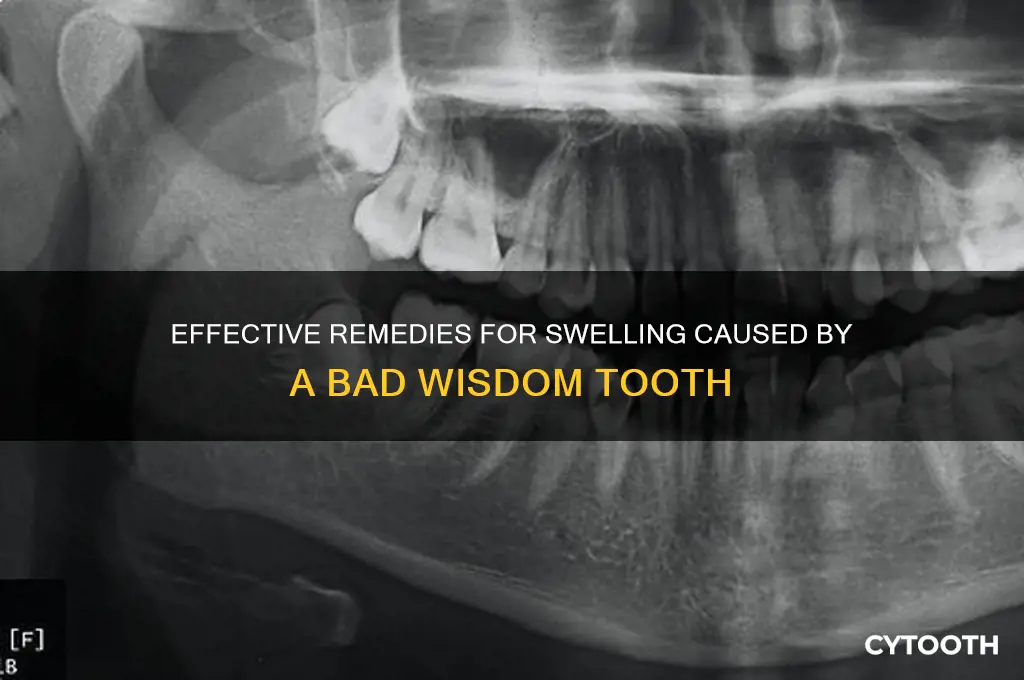
If you're experiencing swelling due to a problematic wisdom tooth, it’s essential to address the issue promptly to prevent further complications. Swelling typically indicates infection or inflammation, often caused by impaction, decay, or gum disease around the wisdom tooth. Immediate remedies include rinsing with warm saltwater to reduce inflammation, applying a cold compress to minimize swelling, and taking over-the-counter pain relievers like ibuprofen. However, these are temporary solutions, and professional dental care is crucial. A dentist or oral surgeon can evaluate the severity of the issue, prescribe antibiotics if infection is present, and recommend extraction if the wisdom tooth is causing persistent problems. Ignoring the swelling can lead to more serious conditions, such as abscesses or damage to adjacent teeth, so seeking timely treatment is vital.
| Characteristics | Values |
|---|---|
| Cold Compress | Apply for 15-20 minutes every 2-3 hours to reduce swelling and pain. |
| Warm Saltwater Rinse | Mix 1/2 teaspoon of salt in 8 oz of warm water; rinse mouth for 30 seconds. |
| Over-the-Counter Pain Relievers | Ibuprofen (e.g., Advil) or acetaminophen (e.g., Tylenol) for pain and swelling. |
| Clove Oil | Apply a small amount to the affected area for natural pain relief. |
| Tea Bags (Black or Green) | Place a cooled, damp tea bag on the swollen area for anti-inflammatory effects. |
| Hydrogen Peroxide Rinse | Mix equal parts 3% hydrogen peroxide and water; rinse for 30 seconds. |
| Soft Diet | Avoid hard, crunchy, or spicy foods to prevent further irritation. |
| Elevated Head Position | Sleep with your head propped up to reduce swelling overnight. |
| Hydration | Drink plenty of water to aid healing and reduce inflammation. |
| Avoid Alcohol and Tobacco | These can worsen swelling and delay healing. |
| Antiseptic Mouthwash | Use a mild, alcohol-free mouthwash to keep the area clean. |
| Turmeric Paste | Apply a small amount of turmeric mixed with water for its anti-inflammatory properties. |
| Aloe Vera Gel | Apply a small amount to the affected area for soothing relief. |
| Consult a Dentist | Seek professional advice if swelling persists or worsens. |
What You'll Learn

Cold Compress Application
A cold compress is one of the simplest yet most effective remedies for reducing swelling associated with a bad wisdom tooth. The principle behind its use lies in vasoconstriction—cold temperatures cause blood vessels to narrow, which decreases blood flow to the affected area, thereby reducing inflammation and pain. This method is particularly useful in the initial stages of swelling, providing immediate relief without the need for medication.
To apply a cold compress, wrap a few ice cubes in a thin cloth or use a gel-based cold pack. Hold it against the swollen area on the outside of your cheek for 15–20 minutes at a time. Repeat this process every 1–2 hours during the first 48 hours of swelling, as this is the critical period for managing inflammation. Avoid applying ice directly to the skin, as it can cause frostbite or discomfort. For children or individuals with sensitive skin, ensure the compress is not too cold and monitor for any adverse reactions.
While a cold compress is generally safe, it’s important to use it judiciously. Overuse can lead to skin irritation or numbness. If swelling persists or worsens after 48 hours, consult a dentist, as this may indicate an infection or other complications. Additionally, combining cold therapy with over-the-counter anti-inflammatory medications like ibuprofen can enhance its effectiveness, but always follow recommended dosages and consult a healthcare professional if unsure.
The beauty of a cold compress lies in its accessibility and ease of use. It requires no special equipment or preparation, making it a go-to solution for immediate relief. However, it’s a symptomatic treatment, not a cure. Addressing the root cause of the wisdom tooth issue—whether through extraction, antibiotics, or other dental interventions—remains essential for long-term resolution. In the meantime, the cold compress serves as a reliable ally in managing discomfort and swelling.
Healed Wisdom Tooth Appearance: What to Expect After Recovery
You may want to see also
Over-the-Counter Pain Relief
Swelling from a problematic wisdom tooth can be intensely uncomfortable, but over-the-counter (OTC) pain relievers offer a readily accessible solution. Nonsteroidal anti-inflammatory drugs (NSAIDs) like ibuprofen (Advil, Motrin) are particularly effective because they reduce both pain and inflammation. For adults, a typical dose is 200–400 mg every 4–6 hours, not exceeding 1200 mg in 24 hours. Acetaminophen (Tylenol) is another option, especially for those who cannot tolerate NSAIDs, with a standard adult dose of 650–1000 mg every 4–6 hours, up to 3000 mg daily. Always follow label instructions and consult a pharmacist if unsure.
While OTC medications provide relief, they are not without limitations. NSAIDs can irritate the stomach, so taking them with food or opting for enteric-coated versions may help. Acetaminophen is gentler on the stomach but can harm the liver if overdosed. Neither addresses the root cause of the swelling, which may require dental intervention. Additionally, these medications are not suitable for everyone—pregnant individuals, those with kidney issues, or children under 2 should consult a healthcare provider before use.
For maximum effectiveness, combine OTC pain relief with cold compresses to reduce swelling and numb the area. Apply an ice pack wrapped in a cloth to the cheek for 15–20 minutes at a time, repeating every hour as needed. Avoid placing ice directly on the skin to prevent frostbite. If swelling persists or worsens despite these measures, it may indicate an infection requiring antibiotics or tooth extraction.
A practical tip is to keep a pain relief journal to track dosage times and symptom changes, ensuring you stay within safe limits and monitor progress. Pairing medication with soft, cool foods like yogurt or applesauce can also soothe the affected area. Remember, OTC remedies are temporary fixes—persistent or severe symptoms warrant professional dental care.
Cavity in Wisdom Tooth? Here’s What to Do Next
You may want to see also
Saltwater Rinse Benefits
A simple saltwater rinse can be a powerful ally when dealing with the discomfort of a swollen wisdom tooth. This age-old remedy has stood the test of time, offering a natural and effective way to alleviate pain and promote healing. The benefits are twofold: it reduces inflammation and acts as a gentle disinfectant, targeting the root causes of your dental woes.
The Science Behind the Solution: Salt, or sodium chloride, is a natural anti-inflammatory agent. When dissolved in warm water, it creates a hypertonic solution, drawing out excess fluid and reducing swelling. This process, known as osmosis, helps shrink the inflamed tissues around the affected tooth, providing much-needed relief. Moreover, salt's antimicrobial properties create an environment hostile to bacteria, preventing further infection and aiding in the healing process.
How to Harness the Power of Saltwater: Creating an effective saltwater rinse is a straightforward process. Start by mixing 1/2 to 1 teaspoon of salt in a glass of warm water (approximately 8 ounces). Ensure the water is not too hot to avoid burning your mouth. Stir until the salt is fully dissolved, creating a clear, slightly salty solution. For optimal results, rinse your mouth with this mixture for 30 seconds to 1 minute, focusing on the affected area. Repeat this process 2-3 times daily, especially after meals, to maintain cleanliness and reduce swelling.
A Gentle, Natural Approach: One of the key advantages of this method is its suitability for a wide range of individuals. Unlike some over-the-counter medications, saltwater rinses are generally safe for children and adults alike. It's a gentle, non-invasive approach that can be particularly beneficial for those seeking natural remedies or as a complementary treatment alongside professional dental care. However, it's important to note that while saltwater rinses can provide significant relief, they may not address the underlying issue of a problematic wisdom tooth. Persistent or severe symptoms should always be assessed by a dental professional.
Practical Tips for Maximum Benefit: Consistency is key when using saltwater rinses. Regular rinsing helps maintain a clean environment, preventing food particles from aggravating the swollen area. Additionally, consider adjusting the salt concentration to your comfort level. Some may prefer a milder solution, especially if sensitivity is an issue. Experimenting with slightly warmer or cooler water temperatures can also enhance the soothing effect. Remember, this remedy is a temporary measure to manage symptoms, and professional dental advice should be sought for long-term solutions.
Pre-Wisdom Tooth Surgery Checklist: Essential Steps for a Smooth Recovery
You may want to see also
Soft Diet Recommendations
Swelling from a problematic wisdom tooth can make eating a painful ordeal, turning every meal into a challenge. A soft diet becomes not just a comfort but a necessity during this time. The goal is to minimize jaw movement and avoid irritating the affected area while still providing essential nutrients. Here’s how to navigate this temporary dietary shift effectively.
Analyzing Soft Diet Staples:
Opt for foods that require minimal chewing, such as mashed potatoes, yogurt, and well-cooked vegetables. Smoothies are an excellent choice, blending fruits, vegetables, and protein sources like Greek yogurt or silken tofu into an easily consumable form. Avoid acidic fruits like oranges or tomatoes, as they can exacerbate inflammation. Instead, lean on bananas, avocados, and mangoes for natural sweetness and nutrients. Soups and broths are another cornerstone, offering hydration and nourishment without strain. Cream-based soups or pureed vegetable blends are ideal, but skip chunky varieties that could aggravate the swollen area.
Practical Tips for Implementation:
Meal preparation is key. Cook foods until they’re tender, and use a blender or food processor to achieve a smooth consistency. For example, steamed carrots or sweet potatoes can be pureed into a creamy side dish. Incorporate protein sources like scrambled eggs, soft-cooked fish, or bean purees to support healing. Stay hydrated with lukewarm or cool fluids, avoiding extreme temperatures that might cause discomfort. Aim for small, frequent meals to maintain energy levels without overwhelming the jaw.
Cautions and Considerations:
While a soft diet is essential, it’s equally important to avoid foods that could worsen swelling or pain. Stay away from crunchy, hard, or sticky items like chips, nuts, and chewy candies. Spicy foods can irritate the inflamed area, so opt for mild seasonings. Be mindful of sugar intake, as it can increase inflammation and risk of infection. If using supplements like protein powders in smoothies, choose unflavored or mildly flavored options to prevent additional irritation.
A soft diet doesn’t have to be bland or restrictive. With creativity and planning, it can be both nourishing and satisfying. Focus on nutrient-dense, easy-to-eat foods that promote healing while alleviating discomfort. This temporary adjustment not only eases the physical burden of a swollen wisdom tooth but also supports overall recovery. By prioritizing gentle, soothing options, you can transform mealtime from a chore into a comforting part of your healing process.
Post-Wisdom Tooth Removal Essentials: What to Pack for Recovery
You may want to see also
When to See a Dentist
Swelling around a wisdom tooth can signal anything from a minor irritation to a serious infection. While home remedies like warm salt rinses or over-the-counter pain relievers (600-800 mg of ibuprofen every 6-8 hours, as needed) may offer temporary relief, they don’t address the root cause. Persistent or worsening swelling, especially when accompanied by fever, difficulty swallowing, or pus discharge, demands immediate professional attention. These symptoms often indicate an abscess or impacted tooth, conditions that can escalate rapidly without intervention.
Delaying a dental visit can turn a manageable issue into a systemic health risk. An untreated infection can spread to the jawbone, nearby tissues, or even the bloodstream, leading to complications like cellulitis or sepsis. Dentists have tools like X-rays to assess the tooth’s position and drainage procedures to alleviate infections. Early intervention not only prevents pain but also reduces the likelihood of needing invasive treatments like bone removal during extraction.
Not all wisdom tooth swelling requires urgent care, but knowing when to act is critical. If swelling persists beyond 48 hours, interferes with eating or speaking, or is accompanied by persistent bad breath, schedule an appointment. Adolescents and young adults, the primary age group for wisdom tooth eruption (ages 17-25), should monitor symptoms closely, as their immune systems may be less equipped to handle infections. Pregnant individuals or those with compromised immunity should seek care at the first sign of swelling, as infections can pose additional risks.
A dentist visit isn’t just about treating symptoms—it’s about prevention. During an exam, your dentist may recommend extraction if the tooth is impacted or likely to cause future issues. While the thought of surgery can be daunting, modern techniques and anesthesia make the process relatively straightforward. Post-extraction, follow care instructions meticulously: avoid smoking, use cold packs for the first 24 hours, and rinse gently with saltwater after meals. Ignoring professional advice can lead to dry socket, a painful complication that prolongs recovery.
Ultimately, swelling with a wisdom tooth isn’t a wait-and-see situation. Home remedies can soothe, but they don’t replace the diagnostic and treatment capabilities of a dentist. Timely intervention not only alleviates discomfort but also safeguards your oral and overall health. If in doubt, err on the side of caution—your body will thank you.
Wisdom Tooth Fell Out? Immediate Steps and Care Tips
You may want to see also
Frequently asked questions
Applying a cold compress or ice pack to the affected area for 15–20 minutes at a time can help reduce swelling and numb the pain.
Yes, non-prescription pain relievers like ibuprofen (Advil) or acetaminophen (Tylenol) can help reduce swelling and manage pain, but follow the recommended dosage.
Yes, rinsing with warm saltwater can reduce inflammation, soothe the area, and promote healing by keeping the mouth clean.
No, a heating pad can increase blood flow and worsen swelling. Stick to cold compresses for the first 48 hours, then switch to heat if needed.
If swelling persists for more than 2–3 days, is severe, or is accompanied by fever, difficulty swallowing, or pus, seek immediate dental care as it may indicate an infection.