Matthew Grant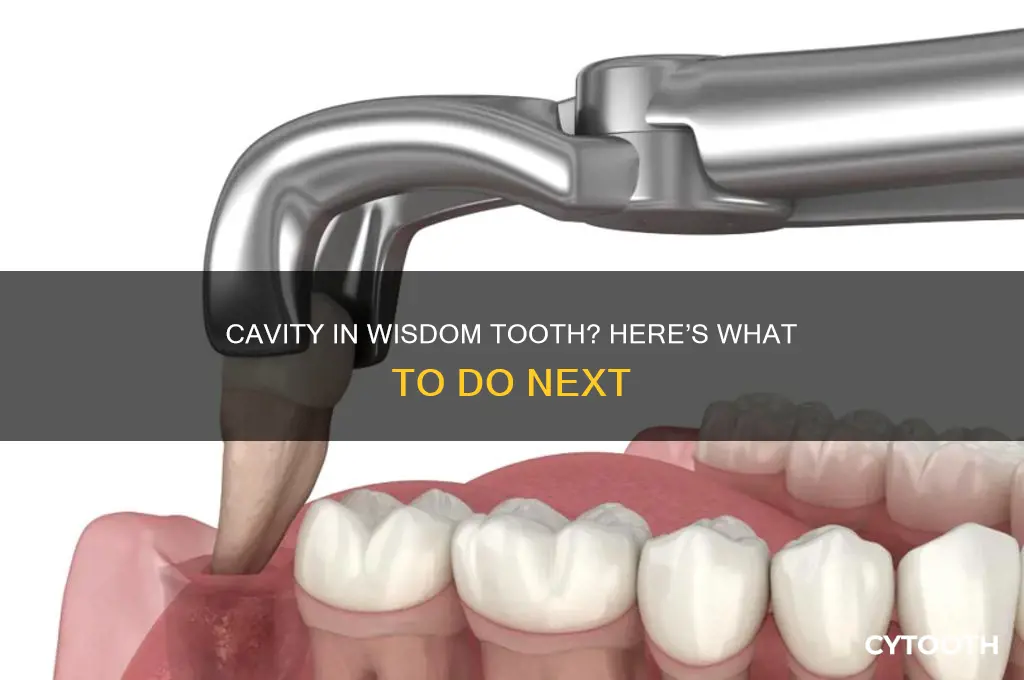
If you suspect your wisdom tooth has a cavity, it’s crucial to act promptly to prevent further complications. Wisdom teeth, often located at the back of the mouth, can be challenging to clean properly, making them more susceptible to decay. Symptoms of a cavity in a wisdom tooth may include toothache, sensitivity to hot or cold, visible holes or dark spots on the tooth, or swelling and tenderness in the gums. The first step is to schedule an appointment with your dentist, who can diagnose the issue through an examination and X-rays. Treatment options may include a filling, root canal, or extraction, depending on the severity of the cavity and the position of the wisdom tooth. Ignoring the problem can lead to infection, abscess, or damage to adjacent teeth, so early intervention is key to maintaining oral health.
| Characteristics | Values |
|---|---|
| Immediate Action | Rinse mouth with warm saltwater to reduce inflammation and clean the area. |
| Pain Management | Use over-the-counter pain relievers like ibuprofen or acetaminophen. |
| Oral Hygiene | Brush gently and floss around the affected tooth to prevent further decay. |
| Dietary Adjustments | Avoid hard, sticky, or sugary foods that can aggravate the cavity. |
| Professional Consultation | Schedule a dental appointment immediately for evaluation and treatment. |
| Treatment Options | Filling, extraction, or root canal depending on cavity severity. |
| Antibiotics | Prescribed if infection is present. |
| Prevention | Maintain regular dental check-ups and cleanings to monitor wisdom teeth. |
| Symptoms to Watch For | Persistent pain, swelling, bad breath, or pus discharge. |
| Home Remedies (Temporary Relief) | Clove oil, cold compress, or numbing gels for pain relief. |
What You'll Learn
- Early Detection Signs: Look for pain, sensitivity, or visible holes around the wisdom tooth area
- Oral Hygiene Tips: Brush gently, floss regularly, and use antiseptic mouthwash to prevent further decay
- Pain Management: Use over-the-counter pain relievers or cold compresses to alleviate discomfort temporarily
- Dietary Adjustments: Avoid sugary or hard foods that can worsen the cavity or cause pain
- Professional Treatment Options: Consult a dentist for fillings, extractions, or other necessary procedures

Early Detection Signs: Look for pain, sensitivity, or visible holes around the wisdom tooth area
Wisdom teeth, often emerging in late adolescence or early adulthood, are prone to cavities due to their hard-to-reach location. Early detection is crucial to prevent complications like infection or tooth loss. The first signs of a cavity in a wisdom tooth are subtle but unmistakable: pain, sensitivity, or visible holes around the tooth area. Ignoring these symptoms can lead to more severe issues, making timely intervention essential.
Pain is often the body’s first alarm bell. If you experience persistent discomfort in the back of your mouth, especially when chewing or applying pressure, it may indicate a cavity. This pain can range from a dull ache to sharp, shooting sensations. Sensitivity to hot, cold, or sweet foods is another red flag. If your wisdom tooth reacts sharply to temperature changes or sugary substances, it’s likely that decay has begun to erode the enamel. These symptoms should prompt an immediate dental check-up to assess the extent of the damage.
Visible holes or dark spots on the wisdom tooth are more advanced signs of decay. These holes, known as dental caries, are areas where the tooth structure has been compromised. While they may not always be visible due to the tooth’s location, using a mirror to inspect the area can reveal early signs of trouble. If you notice any discoloration or pitting, it’s critical to consult a dentist. At this stage, the cavity may require more invasive treatment, such as a filling or crown, to restore the tooth’s integrity.
Early detection hinges on regular self-examination and professional dental care. Adults aged 18–25, the prime age for wisdom tooth emergence, should be particularly vigilant. Practically, incorporate a small, angled mirror into your oral hygiene routine to inspect hard-to-see areas. Additionally, maintain biannual dental visits for cleanings and X-rays, which can detect cavities before they become symptomatic. By staying proactive, you can address wisdom tooth cavities before they escalate into more serious oral health issues.
Wisdom Tooth Woes: Essential Steps for Pain Relief and Recovery
You may want to see also
Oral Hygiene Tips: Brush gently, floss regularly, and use antiseptic mouthwash to prevent further decay
Discovering a cavity in your wisdom tooth can be alarming, but it’s a common issue that often stems from inadequate oral hygiene. The back molars are harder to clean due to their location, making them prone to plaque buildup and decay. To halt the progression of the cavity and prevent further damage, a targeted oral hygiene routine is essential. Start by reassessing how you care for your teeth, focusing on three key practices: brushing gently, flossing regularly, and using antiseptic mouthwash. These steps, when done correctly, can significantly reduce the risk of decay spreading and improve overall dental health.
Brushing gently is more effective than aggressive scrubbing, which can erode enamel and irritate gums. Use a soft-bristled toothbrush at a 45-degree angle to the gum line, employing small circular motions. Spend at least 2 minutes brushing twice daily, ensuring you reach the wisdom tooth area without applying excessive force. For added protection, consider using a fluoride toothpaste, as fluoride strengthens enamel and helps remineralize early decay. Avoid brushing immediately after consuming acidic foods or drinks; wait at least 30 minutes to prevent enamel damage.
Flossing is non-negotiable, especially when dealing with a cavity in a wisdom tooth. Plaque and food particles often get trapped between molars, accelerating decay. Use waxed floss or a floss threader to navigate around the wisdom tooth, gently sliding it up and down the sides of each tooth. Aim to floss once daily, preferably before bedtime, to remove debris that brushing might miss. If traditional floss is challenging to use, consider a water flosser, which can effectively clean hard-to-reach areas with a targeted stream of water.
Incorporating an antiseptic mouthwash into your routine provides an extra layer of protection against decay. Look for a mouthwash containing chlorhexidine or essential oils, which reduce bacteria and inflammation. Rinse with 20 milliliters of mouthwash for 30 seconds daily, but avoid swallowing it. While mouthwash complements brushing and flossing, it’s not a substitute for either. Use it as a final step to ensure a thorough clean and fresh breath. Be mindful that some antiseptic mouthwashes may cause temporary staining if used long-term, so follow the product’s instructions carefully.
Consistency is key to preventing further decay. Combine these oral hygiene practices with regular dental check-ups, especially if you have a cavity. Your dentist may recommend additional treatments, such as fluoride applications or sealants, to protect the affected tooth. By brushing gently, flossing regularly, and using antiseptic mouthwash, you can take control of your dental health and minimize the impact of a wisdom tooth cavity. Remember, early intervention and diligent care can save your tooth and prevent more serious complications down the line.
Post-Wisdom Tooth Surgery: Key Mistakes to Avoid for Smooth Recovery
You may want to see also
Pain Management: Use over-the-counter pain relievers or cold compresses to alleviate discomfort temporarily
Cavities in wisdom teeth can cause significant discomfort, making pain management a priority while you await professional dental care. Over-the-counter (OTC) pain relievers and cold compresses are two effective, accessible methods to temporarily alleviate this pain. These solutions act as a bridge, providing relief until a dentist can address the underlying issue.
OTC Pain Relievers: A Systematic Approach
Non-prescription analgesics like ibuprofen (Advil, Motrin) or acetaminophen (Tylenol) are first-line options for dental pain. Ibuprofen, a nonsteroidal anti-inflammatory drug (NSAID), reduces inflammation and pain, making it particularly effective for toothaches. Adults can take 200–400 mg every 4–6 hours, not exceeding 1,200 mg in 24 hours. Acetaminophen, which targets pain without anti-inflammatory effects, is an alternative for those with NSAID sensitivities. The standard adult dose is 325–650 mg every 4–6 hours, up to 3,000 mg daily. Always follow label instructions and consult a pharmacist if unsure, especially for individuals with liver conditions, pregnant women, or those on other medications.
Cold Compresses: Simple Yet Effective
Cold therapy constricts blood vessels, reducing swelling and numbing the affected area. To apply, wrap an ice pack or a bag of frozen vegetables in a thin cloth to prevent skin damage. Hold it against the cheek near the painful tooth for 15–20 minutes, then remove for the same duration to avoid tissue injury. Repeat as needed throughout the day. This method is particularly useful for immediate relief and can complement OTC medications without risk of drug interactions.
Combining Methods for Optimal Relief
For enhanced comfort, use cold compresses alongside OTC pain relievers. Take the medication as directed, then apply the compress during peak pain periods. This dual approach addresses both inflammation and pain signals, providing more comprehensive relief. However, avoid relying solely on these measures for more than a few days, as persistent pain may indicate infection or worsening decay.
Practical Tips for Maximum Efficacy
When using OTC medications, take the first dose at the onset of pain for better control. Keep a pain journal to track effectiveness and timing. For cold compresses, prepare multiple ice packs in advance to ensure continuous use. If pain persists or intensifies despite these measures, seek dental care promptly, as cavities in wisdom teeth often require intervention such as fillings, extractions, or antibiotics.
By strategically employing OTC pain relievers and cold compresses, you can manage wisdom tooth cavity pain effectively while preparing for professional treatment. These methods are not cures but essential tools to maintain comfort during a critical interim period.
Pre-Wisdom Tooth Surgery Checklist: Essential Steps for a Smooth Recovery
You may want to see also
Dietary Adjustments: Avoid sugary or hard foods that can worsen the cavity or cause pain
Sugar and hard foods are the arch-nemeses of a wisdom tooth with a cavity. These culprits can exacerbate decay by feeding harmful bacteria and creating physical stress on the compromised tooth structure. Imagine a weakened fortress under siege – sugary treats provide ammunition for the enemy, while hard foods batter the walls.
The mechanism is straightforward: sugar fuels the production of acids by oral bacteria, which then erode enamel, deepening the cavity. Hard foods, on the other hand, can crack or chip the already fragile tooth, leading to increased sensitivity and potential infection. A single bite into a jawbreaker or a sticky caramel could turn manageable discomfort into a dental emergency.
To mitigate this, adopt a temporary dietary strategy focused on softness and low sugar content. Opt for foods like yogurt, mashed potatoes, scrambled eggs, and well-cooked vegetables. Soups and smoothies are excellent choices, but beware of hidden sugars in pre-packaged options. If you crave something sweet, reach for fresh fruit purees or a small piece of soft, ripe fruit like a banana or mango.
Beverages matter too. Avoid carbonated drinks, fruit juices, and alcohol, which can irritate the tooth and promote acid production. Stick to water, herbal teas, or milk. If you must have coffee or tea, consume them lukewarm to avoid temperature sensitivity and skip added sugar.
This isn’t about permanent dietary overhaul but a short-term measure to protect your tooth until professional treatment. Think of it as giving your wisdom tooth a vacation from stress while you schedule that dentist appointment. Remember, dietary adjustments alone won’t cure a cavity, but they can prevent further damage and alleviate pain, making the journey to recovery smoother.
Healed Wisdom Tooth Appearance: What to Expect After Recovery
You may want to see also
Professional Treatment Options: Consult a dentist for fillings, extractions, or other necessary procedures
A cavity in a wisdom tooth demands immediate professional attention to prevent further complications. Dentists are equipped with the tools and expertise to assess the extent of decay and recommend the most appropriate treatment. The primary options include fillings, extractions, or other specialized procedures, each tailored to the specific condition of the tooth and the patient’s overall oral health. Ignoring the issue can lead to infection, pain, or damage to adjacent teeth, making timely intervention critical.
Fillings are often the first line of defense against cavities in wisdom teeth, provided the decay is caught early. Composite resin or amalgam fillings are commonly used to restore the tooth’s structure and prevent further decay. The process involves numbing the area, removing the decayed portion, and filling the cavity with the chosen material. While fillings are effective, they may not be suitable for extensive decay or if the tooth’s position makes access difficult. Regular follow-ups are essential to monitor the filling’s integrity and the tooth’s health.
Extraction becomes necessary when the cavity is severe, the tooth is impacted, or its position complicates treatment. Wisdom teeth are often removed if they cause crowding, infection, or recurrent decay. The procedure can range from a simple extraction to a surgical one, depending on the tooth’s accessibility. Local anesthesia or sedation may be used to ensure patient comfort. Post-extraction care is crucial, including avoiding strenuous activity, following a soft diet, and using prescribed pain relievers or antibiotics as directed.
In some cases, alternative procedures may be recommended to address specific issues. For instance, a root canal may be performed if the cavity has reached the pulp, causing infection or severe pain. Crowns or onlays might be used to restore extensively damaged teeth. These treatments aim to preserve the tooth whenever possible, but the dentist will consider factors like the tooth’s location, function, and long-term viability before proceeding.
Consulting a dentist is non-negotiable when dealing with a wisdom tooth cavity. They will conduct a thorough examination, possibly including X-rays, to determine the best course of action. Early intervention not only alleviates discomfort but also prevents complications like abscesses or gum disease. Patients should be prepared to discuss their medical history, any symptoms they’re experiencing, and their preferences regarding treatment options. Remember, wisdom teeth are unique in their positioning and potential impact on oral health, making professional guidance indispensable.
Wisdom Tooth Fell Out? Immediate Steps and Care Tips
You may want to see also
Frequently asked questions
Common signs of a cavity in a wisdom tooth include toothache, sensitivity to hot or cold, visible holes or dark spots on the tooth, and pain when chewing. If you suspect a cavity, consult a dentist for an examination and X-ray.
Yes, if the wisdom tooth is accessible and the cavity is detected early, it can often be treated with a filling or crown. However, if the tooth is impacted, poorly positioned, or difficult to clean, extraction may be recommended to prevent further complications.
If you’re experiencing severe pain, rinse your mouth with warm saltwater to temporarily relieve discomfort and schedule an emergency dental appointment. Avoid over-the-counter pain relievers directly on the gum, as they can cause tissue damage. A dentist will assess the situation and recommend appropriate treatment, such as a filling, root canal, or extraction.