Matthew Grant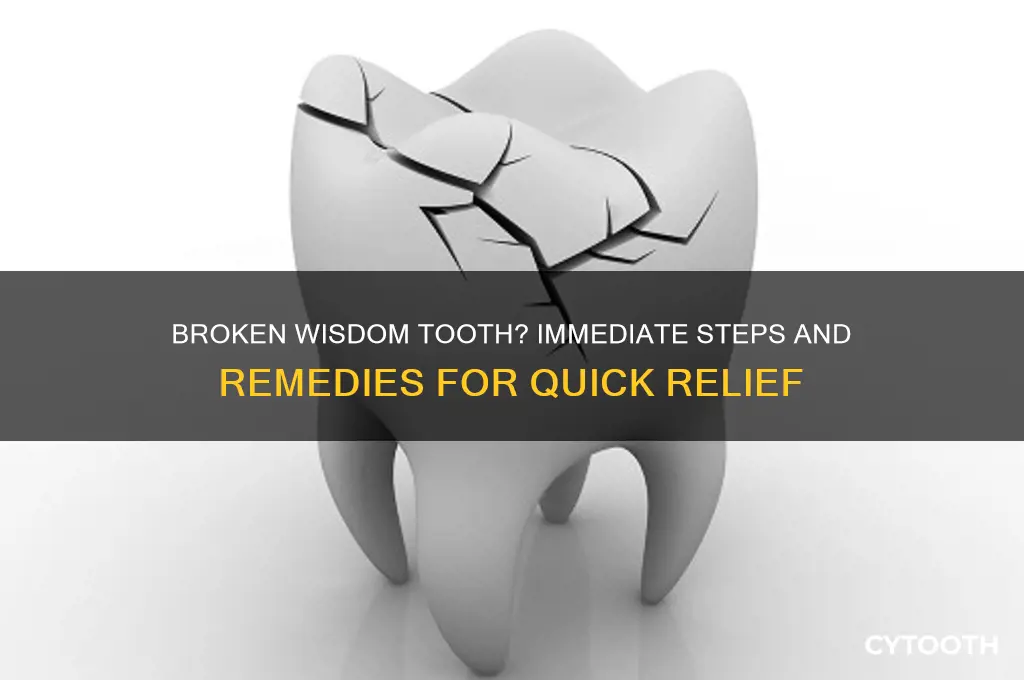
When a wisdom tooth breaks, it can be a painful and concerning experience, often accompanied by symptoms like sharp pain, swelling, or difficulty eating. Immediate steps include rinsing your mouth with warm saltwater to reduce bacteria and applying a cold compress to minimize swelling. Over-the-counter pain relievers can help manage discomfort temporarily, but it’s crucial to see a dentist as soon as possible. A broken wisdom tooth may require extraction, especially if it’s causing infection or damage to surrounding teeth. Delaying treatment can lead to complications, so prompt professional care is essential to address the issue effectively.
| Characteristics | Values |
|---|---|
| Immediate Action | Rinse mouth with warm saltwater to clean the area and reduce bacteria. |
| Pain Management | Take over-the-counter pain relievers like ibuprofen or acetaminophen. |
| Cold Compress | Apply a cold compress to the cheek to reduce swelling and pain. |
| Avoid Irritants | Stay away from hot, spicy, or hard foods that can aggravate the area. |
| Soft Diet | Consume soft foods like yogurt, mashed potatoes, and soups. |
| Keep Area Clean | Gently brush teeth and use antiseptic mouthwash to prevent infection. |
| Save the Fragment | If a piece of the tooth breaks off, save it in milk or saliva (if possible). |
| Emergency Dentist Visit | Contact a dentist immediately for evaluation and treatment. |
| Potential Treatments | Extraction, root canal, or crown placement depending on the damage. |
| Prevent Infection | Follow dentist’s instructions to avoid complications like dry socket. |
| Follow-Up Care | Attend follow-up appointments to monitor healing and address issues. |
What You'll Learn
- Immediate Pain Relief: Apply cold compress, rinse with warm salt water, and take over-the-counter pain medication
- Clean the Area: Gently rinse mouth to remove debris; avoid vigorous cleaning to prevent infection
- Contact a Dentist: Schedule an emergency appointment for assessment and potential extraction
- Soft Diet: Stick to soft foods like yogurt, soups, and smoothies to avoid irritation
- Avoid Irritants: Skip smoking, alcohol, and hot/spicy foods to prevent further discomfort or complications

Immediate Pain Relief: Apply cold compress, rinse with warm salt water, and take over-the-counter pain medication
A broken wisdom tooth can be an excruciating experience, often striking without warning and leaving you desperate for relief. In the critical moments after the break, your priority is to manage the pain and prevent further complications. Immediate pain relief is not just about comfort—it’s about stabilizing the situation until you can see a dentist. Three simple, accessible methods can provide significant relief: applying a cold compress, rinsing with warm salt water, and taking over-the-counter pain medication. These techniques work synergistically to reduce inflammation, clean the affected area, and alleviate discomfort.
Step-by-Step Application: Start with a cold compress, which constricts blood vessels and reduces swelling. Wrap an ice pack or a bag of frozen vegetables in a thin cloth to avoid direct contact with the skin, and apply it to the outside of your cheek near the broken tooth for 15–20 minutes at a time. Repeat this every hour as needed. Next, mix half a teaspoon of salt in a cup of warm water, ensuring it’s not too hot to avoid burns. Gently swish the solution in your mouth for 30–60 seconds, focusing on the affected area, to reduce bacteria and soothe irritation. Perform this rinse every 2–3 hours or after meals to maintain cleanliness.
Medication Dosage and Cautions: Over-the-counter pain relievers like ibuprofen (200–400 mg every 4–6 hours) or acetaminophen (500–1000 mg every 4–6 hours) can be highly effective. Always follow the recommended dosage on the packaging, and avoid exceeding the daily limit. For adults, ibuprofen is often preferred for its anti-inflammatory properties, but acetaminophen is a safer option for those with stomach sensitivities or allergies to NSAIDs. Children under 12 should only take medication under a pediatrician’s guidance, and aspirin should never be given to children due to the risk of Reye’s syndrome.
Comparative Benefits: While a cold compress targets external swelling, warm salt water addresses internal inflammation and infection risk. Pain medication complements these methods by providing systemic relief. Together, they create a multi-pronged approach that tackles pain from different angles. For instance, the cold compress reduces immediate discomfort, the salt water prevents infection, and the medication ensures you can function until professional help is available. This combination is particularly effective in the first 24–48 hours after the tooth breaks, buying you time to schedule a dental appointment.
Practical Tips for Maximum Effectiveness: To enhance the cold compress’s impact, alternate between applying it and removing it for short periods to prevent tissue damage. For the salt water rinse, ensure the water is warm but not hot to avoid aggravating sensitive tissues. If you don’t have salt, a mild antiseptic mouthwash can serve as a temporary substitute. When taking pain medication, pair it with a small meal to minimize stomach irritation. Keep a journal of when you apply the compress, rinse, and take medication to maintain consistency and avoid overuse. These methods are not a long-term solution but a bridge to professional care, making them indispensable in the immediate aftermath of a broken wisdom tooth.
Healed Wisdom Tooth Appearance: What to Expect After Recovery
You may want to see also
Clean the Area: Gently rinse mouth to remove debris; avoid vigorous cleaning to prevent infection
A broken wisdom tooth leaves exposed surfaces vulnerable to infection. Your first line of defense is to clean the area, but this requires a delicate touch. Vigorous swishing or scrubbing can further irritate the wound and introduce bacteria. Think of it like tending to a raw scrape – gentle care is key.
Start with a warm saltwater rinse. Dissolve ½ teaspoon of salt in 8 ounces of warm water. This solution acts as a natural disinfectant, helping to loosen debris and reduce inflammation. Gently swish the solution around your mouth for 30 seconds, focusing on the affected area. Avoid forceful rinsing, as this can dislodge any blood clots that are forming, crucial for healing.
Imagine tiny food particles trapped around the broken tooth – a breeding ground for bacteria. A gentle rinse helps dislodge these particles, preventing them from becoming a festering problem. Think of it as a gentle sweep, not a vigorous scrubbing.
For added protection, consider using an antimicrobial mouthwash after the saltwater rinse. Look for one containing chlorhexidine, a powerful antiseptic that can further reduce the risk of infection. Follow the instructions on the mouthwash bottle for proper dilution and usage. Remember, this is a temporary measure until you can see a dentist.
While cleaning is essential, overdoing it can be counterproductive. Avoid using harsh toothbrushes or dental picks around the broken tooth. These can cause further damage and increase the risk of infection. Stick to gentle rinsing and let the dentist handle any necessary debris removal.
Pre-Wisdom Tooth Surgery Checklist: Essential Steps for a Smooth Recovery
You may want to see also
Contact a Dentist: Schedule an emergency appointment for assessment and potential extraction
A broken wisdom tooth is not a DIY project. Attempting to manage the situation at home with makeshift remedies can lead to infection, prolonged pain, and further complications. The moment you suspect a fracture—whether from acute pain, visible cracks, or a piece of tooth dislodging—your immediate action should be to contact a dentist. Dental professionals are equipped to assess the extent of the damage, from minor chips to severe breaks that expose the pulp, and determine the urgency of intervention. Delaying this step risks turning a manageable issue into an emergency.
Scheduling an emergency appointment is straightforward but requires prompt action. Most dental offices prioritize urgent cases, so call as early as possible to secure a slot. During the call, provide clear details: describe the symptoms (e.g., sharp pain, bleeding, swelling), explain how the break occurred (if known), and mention any recent dental work. This information helps the dentist prepare for your visit and decide whether an extraction or alternative treatment is necessary. If the office is closed, many clinics have after-hours emergency lines or on-call services to guide you until you can be seen.
The assessment process during your appointment is critical. The dentist will likely take X-rays to evaluate the tooth’s position, the extent of the fracture, and the involvement of surrounding structures like nerves or adjacent teeth. Depending on the findings, extraction may be recommended immediately or scheduled for a follow-up visit. Partial breaks might be managed with a crown or filling, but if the tooth is severely compromised or impacted, removal is often the safest option. Local anesthesia ensures the procedure is painless, and sedation options may be available for anxious patients.
Post-extraction care is as important as the procedure itself. Follow the dentist’s instructions meticulously: avoid strenuous activity for 24–48 hours, apply ice packs to reduce swelling, and take prescribed pain relievers (e.g., ibuprofen 600 mg every 6 hours, as directed) to manage discomfort. Rinsing with warm salt water (1/2 teaspoon salt in 8 oz water) after meals helps keep the area clean. Avoid smoking, using straws, or eating hard foods for at least a week to prevent dry socket, a painful complication where the blood clot dislodges. If bleeding persists beyond 24 hours or pain worsens, contact your dentist immediately.
While the idea of an extraction can be daunting, modern techniques and anesthesia make the process far less intimidating than enduring the risks of an untreated broken wisdom tooth. Procrastination often leads to infections like abscesses, which can spread to other parts of the body and require more invasive treatments, including hospitalization. By acting swiftly and trusting a professional, you not only alleviate immediate pain but also prevent long-term oral health issues. Remember, a broken wisdom tooth is a time-sensitive matter—your dentist is your best ally in resolving it safely.
Cavity in Wisdom Tooth? Here’s What to Do Next
You may want to see also
Soft Diet: Stick to soft foods like yogurt, soups, and smoothies to avoid irritation
A broken wisdom tooth can turn every meal into a painful ordeal. The jagged edges and exposed nerves make chewing a risky proposition, increasing the likelihood of irritation, infection, or further damage. This is where a soft diet steps in as your culinary ally. By prioritizing foods that require minimal chewing—think yogurt, soups, and smoothies—you create a protective barrier for the affected area. These options not only reduce physical stress on the tooth but also minimize the risk of food particles getting lodged in the wound, a common culprit for complications.
Consider the mechanics of a soft diet: yogurt, rich in probiotics, soothes the mouth and aids digestion, while its creamy texture glides past the broken tooth without friction. Soups, especially pureed varieties, provide essential nutrients without demanding jaw movement. Smoothies, when packed with soft fruits like bananas or avocados and blended to a silky consistency, offer a nutrient-dense alternative to solid meals. Even temperature matters—opt for lukewarm or cool foods to avoid sensitivity, as extremes can aggravate exposed nerves.
Adopting a soft diet isn’t just about what you eat; it’s about how you eat. Take small sips or bites, allowing the food to coat the mouth gently. Avoid using straws, as the suction can dislodge blood clots in the extraction site or exacerbate pain around a broken tooth. For added comfort, incorporate anti-inflammatory ingredients like turmeric in soups or ginger in smoothies, though consult a dentist if swelling persists. This approach transforms meals from a source of dread into a means of healing.
The duration of a soft diet depends on the severity of the break and your dentist’s advice. Typically, 3–5 days is recommended for minor fractures, while more extensive damage may require up to two weeks. Gradually reintroduce firmer foods as tolerance improves, starting with soft-cooked vegetables or scrambled eggs. Remember, this diet isn’t about deprivation—it’s a strategic pause, giving your mouth the respite it needs to recover. By embracing these temporary adjustments, you safeguard your oral health and pave the way for smoother healing.
Post-Wisdom Tooth Extraction: Foods to Avoid for a Smooth Recovery
You may want to see also
Avoid Irritants: Skip smoking, alcohol, and hot/spicy foods to prevent further discomfort or complications
A broken wisdom tooth is a vulnerable site, exposed to potential infection and prolonged healing. Certain substances and foods can exacerbate the issue, turning a manageable problem into a painful ordeal. Among the chief culprits are smoking, alcohol, and hot or spicy foods, all of which can irritate the exposed area and hinder recovery. Understanding why these irritants should be avoided is the first step in ensuring a smoother healing process.
Smoking, for instance, restricts blood flow to the gums, impairing the delivery of essential nutrients and oxygen needed for healing. Nicotine constricts blood vessels, slowing down tissue repair and increasing the risk of infection. Even secondhand smoke can be detrimental, as the chemicals inhaled can irritate the exposed tooth and surrounding gums. For those who smoke, abstaining for at least 48 to 72 hours post-injury is critical, though extending this period significantly improves healing outcomes. If quitting entirely is not feasible, consider nicotine patches or gum as temporary alternatives, but consult a healthcare provider for personalized advice.
Alcohol, particularly in its undiluted form, acts as an irritant and can cause a stinging sensation when it comes into contact with the broken tooth. Moreover, alcohol dilates blood vessels, potentially leading to increased bleeding and swelling. It also suppresses the immune system, making the body less effective at fighting off bacteria that could enter through the exposed area. Avoiding alcohol for at least 24 hours after the tooth breaks is advisable, with a longer abstinence period recommended if there’s any sign of infection or inflammation. Opt for water or mild herbal teas to stay hydrated without risking further irritation.
Hot and spicy foods introduce a dual threat: temperature extremes and chemical irritants. High temperatures can cause sensitivity and discomfort, while spices like chili or pepper contain capsaicin, which can physically irritate the exposed nerve endings. This not only prolongs pain but can also lead to inflammation, delaying healing. Stick to lukewarm or cool, bland foods such as yogurt, mashed potatoes, or oatmeal. Soft, nutrient-rich options like smoothies (without acidic fruits) or scrambled eggs provide sustenance without aggravating the injury. This dietary adjustment should be maintained for at least 3 to 5 days, or until the area shows signs of healing.
The cumulative effect of avoiding these irritants is a reduction in pain, swelling, and the risk of complications such as dry socket or infection. While it may require temporary lifestyle adjustments, the payoff is a faster, more comfortable recovery. Think of it as creating an optimal environment for your body to heal, where every avoided irritant is a step toward restoring oral health. By prioritizing these precautions, you not only alleviate immediate discomfort but also prevent long-term issues that could arise from neglecting these simple yet impactful measures.
Wisdom Tooth Woes: Essential Steps for Pain Relief and Recovery
You may want to see also
Frequently asked questions
Rinse your mouth gently with warm saltwater to clean the area, apply a cold compress to reduce swelling, and save any broken tooth fragments in milk or saliva if possible. Contact your dentist immediately for an emergency appointment.
It depends on the extent of the break. Minor chips may be repaired with fillings or crowns, but if the tooth is severely damaged or causing infection, extraction may be necessary. Your dentist will assess the situation.
Over-the-counter pain relievers like ibuprofen or acetaminophen can help temporarily. Avoid chewing on the affected side and rinse with warm saltwater to soothe the area. Do not delay seeing a dentist for proper treatment.
Yes, leaving a broken wisdom tooth untreated can lead to infection, abscess, or damage to surrounding teeth. It may also cause prolonged pain and discomfort. Prompt dental care is essential to prevent complications.