Olivia Bennett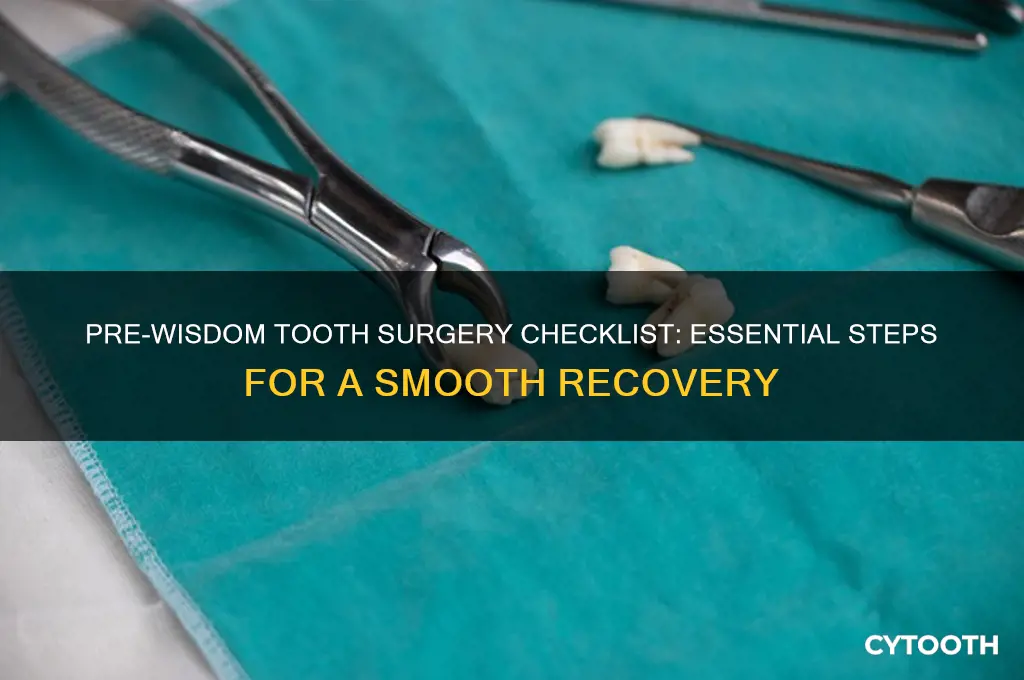
Before undergoing wisdom tooth surgery, it is essential to prepare both physically and mentally to ensure a smooth procedure and recovery. Start by consulting your oral surgeon to understand the specifics of the surgery and any pre-operative instructions, such as fasting requirements or medication adjustments. Arrange for someone to drive you to and from the appointment, as anesthesia will likely be used. Stock up on soft foods, pain relievers, and ice packs to manage post-surgery discomfort. Avoid smoking and limit alcohol consumption in the days leading up to the procedure, as these can hinder healing. Finally, prepare your living space with comfortable pillows, clean gauze, and any prescribed medications to facilitate a restful recovery period.
Pre-Wisdom Tooth Surgery Preparation
| Characteristics | Values |
|---|---|
| Fasting | Follow your dentist's instructions regarding fasting. Typically, you'll need to avoid eating or drinking anything (including water) for 8-12 hours before surgery, especially if you'll be receiving general anesthesia. |
| Clothing | Wear loose, comfortable clothing and avoid wearing jewelry or contact lenses. |
| Transportation | Arrange for someone to drive you to and from the surgery, as you may feel groggy or experience side effects from anesthesia. |
| Medications | Inform your dentist about any medications you're taking, including over-the-counter drugs and supplements. They may advise you to stop taking certain medications, such as blood thinners, before the surgery. |
| Oral Hygiene | Brush and floss your teeth thoroughly before the surgery, but avoid eating or drinking anything afterward. |
| Smoking and Alcohol | Avoid smoking and consuming alcohol for at least 24 hours before the surgery, as they can increase the risk of complications and impair healing. |
| Allergies and Medical Conditions | Inform your dentist about any allergies, medical conditions, or previous surgeries you've had. |
| Anesthesia Options | Discuss anesthesia options with your dentist, including local anesthesia, sedation, or general anesthesia, and choose the one that's best for you. |
| Post-Op Instructions | Ask your dentist for detailed post-operative instructions, including how to manage pain, swelling, and bleeding, and what foods to eat or avoid. |
| Stock Up on Supplies | Prepare your recovery area with soft foods, ice packs, gauze, and any prescribed medications. |
| Plan for Rest | Schedule time off work or school to rest and recover after the surgery, typically 2-3 days. |
| Avoid Strenuous Activity | Refrain from strenuous activity, exercise, or heavy lifting for at least 24-48 hours after the surgery. |
| Stay Hydrated | Drink plenty of fluids before the fasting period begins, and resume drinking water as soon as possible after the surgery. |
| Follow Pre-Op Instructions | Carefully follow all pre-operative instructions provided by your dentist to ensure a smooth and successful surgery. |
What You'll Learn
- Pre-Surgery Consultation: Discuss medical history, medications, and anesthesia options with your oral surgeon
- Fasting Guidelines: Follow instructions on when to stop eating and drinking before surgery
- Arrange Transportation: Plan for someone to drive you home post-surgery due to anesthesia
- Prepare Recovery Space: Set up a comfortable area with pillows, ice packs, and soft foods
- Medications & Hygiene: Take prescribed medications and avoid smoking or alcohol before surgery

Pre-Surgery Consultation: Discuss medical history, medications, and anesthesia options with your oral surgeon
Your pre-surgery consultation isn't just a formality—it's a critical step in ensuring your wisdom tooth extraction goes smoothly. Think of it as a two-way dialogue where you and your oral surgeon align on your health profile, potential risks, and the best anesthesia plan for your needs. This meeting is your chance to ask questions, voice concerns, and gain clarity on what to expect.
During this consultation, your oral surgeon will delve into your medical history, probing for conditions like bleeding disorders, heart problems, or immune system weaknesses that could complicate the procedure. Be transparent about past surgeries, allergies, and even lifestyle factors like smoking or alcohol use, as these can influence healing and anesthesia effectiveness. For instance, if you’re on blood thinners like warfarin or aspirin, your surgeon may advise adjusting the dosage days before surgery to minimize bleeding risks.
Medications are another focal point. Bring a list of all prescriptions, over-the-counter drugs, and supplements you’re taking, including dosages and frequencies. Herbal supplements like fish oil or vitamin E, often dismissed as harmless, can thin your blood and increase bleeding during surgery. Your surgeon may recommend discontinuing these 1–2 weeks prior to the procedure. Similarly, if you’re on medications for chronic conditions like diabetes or hypertension, your surgeon will coordinate with your primary care physician to ensure they’re managed appropriately around surgery.
Anesthesia options are where personalization comes into play. Depending on the complexity of your extraction and your comfort level, your surgeon might offer local anesthesia (numbing the area), sedation (IV or oral medication to relax you), or general anesthesia (fully asleep). For example, if you have severe dental anxiety, sedation or general anesthesia could be a better fit. Discuss side effects, recovery times, and costs—general anesthesia, for instance, typically requires a longer recovery period and involves higher fees due to the involvement of an anesthesiologist.
The takeaway? This consultation is your opportunity to partner with your surgeon in crafting a safe, tailored surgical plan. Come prepared with your medical records, a list of medications, and a notebook to jot down instructions. The more detail you provide, the better your surgeon can anticipate and mitigate potential issues, setting the stage for a successful and stress-free procedure.
Wisdom Tooth Woes: Essential Steps for Pain Relief and Recovery
You may want to see also
Fasting Guidelines: Follow instructions on when to stop eating and drinking before surgery
Fasting before wisdom tooth surgery isn’t just a suggestion—it’s a critical safety measure. Anesthesia, commonly used during the procedure, can cause nausea or vomiting if your stomach isn’t empty. If this happens, there’s a risk of aspiration, where stomach contents enter the lungs, leading to serious complications like pneumonia. To prevent this, surgeons typically instruct patients to stop eating solid foods 8 hours before the procedure and clear liquids (water, broth, juice without pulp) 2–4 hours prior. These guidelines ensure your stomach is sufficiently empty to minimize risks during surgery.
Consider the timing of your surgery when planning your fast. If your procedure is scheduled for the morning, you’ll likely need to stop eating dinner the night before and avoid even a sip of water after midnight. For afternoon surgeries, a light breakfast (think toast or clear broth) might be permissible, but always follow your surgeon’s specific instructions. Ignoring these guidelines, even slightly, can lead to last-minute cancellations or delays, as the surgical team prioritizes your safety above all else.
Children and older adults may face unique challenges with fasting. For younger patients, explain the importance of following the rules in simple terms, and distract them with activities to take their minds off hunger. For older adults, particularly those with diabetes or other health conditions, fasting can disrupt medication schedules or blood sugar levels. In such cases, consult your surgeon or anesthesiologist beforehand to adjust fasting times or medication dosages safely. Always prioritize their guidance over generic advice.
Practical tips can make fasting more manageable. Brush your teeth or rinse with water (and spit it out) to combat dry mouth without breaking the fast. Avoid sugary or acidic drinks before the fasting period begins, as they can irritate your stomach lining. If you’re nervous about hunger, occupy yourself with distractions like reading, light chores, or listening to calming music. Remember, fasting is temporary and a small but vital step in ensuring a smooth and safe recovery.
In summary, fasting guidelines before wisdom tooth surgery are non-negotiable. They protect you from anesthesia-related complications and ensure the procedure goes as planned. Follow your surgeon’s instructions precisely, account for age-specific needs, and use practical strategies to ease the process. By doing so, you’ll contribute to a safer surgery and set the stage for a quicker, more comfortable recovery.
Post-Wisdom Tooth Surgery: Key Mistakes to Avoid for Smooth Recovery
You may want to see also
Arrange Transportation: Plan for someone to drive you home post-surgery due to anesthesia
One of the most overlooked yet critical aspects of preparing for wisdom tooth surgery is arranging transportation home afterward. Anesthesia, whether general or local with sedation, impairs your ability to drive safely. Most oral surgeons and dentists will not perform the procedure unless you have a designated driver. This isn’t merely a suggestion—it’s a non-negotiable safety requirement. The effects of anesthesia can linger for hours, affecting coordination, judgment, and reaction time, making driving as dangerous as operating machinery under the influence.
From a logistical standpoint, planning transportation involves more than just asking a friend or family member to accompany you. Ensure your driver is available for the entire duration of the appointment, which can last anywhere from 45 minutes to 2 hours, depending on the complexity of the extraction. Communicate with them about potential delays, such as post-surgery monitoring or complications. If relying on a ride-sharing service, pre-schedule the pickup to avoid waiting in discomfort or risking cancellation due to limited availability.
A persuasive argument for prioritizing this arrangement lies in the potential consequences of ignoring it. Driving under the influence of anesthesia not only endangers you but also others on the road. Legal repercussions, including fines or license suspension, pale in comparison to the risk of accidents. Additionally, your surgeon may refuse to proceed with the surgery if no transportation plan is in place, delaying necessary treatment. It’s a small effort with a disproportionately large impact on safety and compliance.
Finally, consider practical tips to streamline the process. Bring a pillow or neck support for the ride home, as the position can reduce discomfort from swelling or stitches. Have your driver stop at a pharmacy en route if prescriptions (e.g., pain medication or antibiotics) need to be filled. If you live alone, ask your driver to stay with you for a few hours post-surgery to monitor for excessive bleeding or adverse reactions. These small preparations transform a potentially stressful experience into a smooth, manageable one.
Post-Wisdom Tooth Extraction: Foods to Avoid for a Smooth Recovery
You may want to see also
Prepare Recovery Space: Set up a comfortable area with pillows, ice packs, and soft foods
Creating a dedicated recovery space before wisdom tooth surgery can significantly ease your post-operative experience. Start by choosing a quiet, easily accessible area in your home, ideally with a comfortable chair or bed. Position pillows strategically to support your head and neck, as keeping your head elevated can reduce swelling and discomfort. Consider using a wedge pillow or stacking a few standard pillows to maintain a 45-degree angle while resting. This simple setup not only promotes better blood flow but also minimizes the risk of bleeding complications.
Next, stock your recovery space with ice packs, a crucial tool for managing swelling and pain. Prepare at least two reusable ice packs or bags of frozen vegetables (like peas) wrapped in a thin cloth to avoid direct contact with your skin. Apply ice for 20 minutes on, followed by 10 minutes off, during the first 24–48 hours post-surgery. This regimen helps constrict blood vessels, reducing inflammation and bruising. Keep the ice packs within arm’s reach to avoid unnecessary movement, which could disrupt the healing process.
Equally important is having a selection of soft, nutrient-rich foods readily available. Focus on items that require minimal chewing, such as yogurt, mashed potatoes, smoothies, and applesauce. Avoid hot foods or liquids immediately after surgery, as they can dissolve blood clots and delay healing. Instead, opt for lukewarm or cold options. If you’re preparing meals in advance, portion them into small containers for easy access. Don’t forget to include a straw for beverages, but avoid using it for the first 24 hours to prevent dislodging blood clots.
Finally, personalize your recovery space with items that promote relaxation and distraction. A tablet or laptop for streaming shows, a good book, or calming music can help pass the time as you recover. Ensure charging cables are nearby to avoid interruptions. Adding a small table or tray to hold essentials like pain medication, gauze, and lip balm can also streamline your recovery process. By thoughtfully preparing this space, you’ll create a soothing environment that supports both physical and emotional healing.
Healed Wisdom Tooth Appearance: What to Expect After Recovery
You may want to see also
Medications & Hygiene: Take prescribed medications and avoid smoking or alcohol before surgery
Prescribed medications play a pivotal role in preparing your body for wisdom tooth surgery, ensuring both comfort and safety. Antibiotics, for instance, may be recommended to prevent infection, especially if you have a compromised immune system or a history of infections. Typically, these are taken 1 to 2 hours before the procedure, but always follow your dentist’s specific instructions. Pain relievers or anti-inflammatory drugs might also be prescribed to manage post-operative discomfort, though some dentists prefer to wait until after surgery to assess pain levels. Adhering to the exact dosage and timing is critical—skipping doses or taking more than directed can compromise the surgery’s success or your recovery.
Hygiene is equally vital in the lead-up to surgery, as a clean mouth reduces the risk of complications. Brush and floss gently but thoroughly the night before and the morning of the procedure, avoiding aggressive scrubbing that could irritate gums. Avoid mouthwash unless specifically recommended by your dentist, as some formulas can interfere with surgical conditions. If you’re undergoing sedation, fasting is often required for 6 to 8 hours beforehand, but maintaining oral cleanliness remains essential. A clean mouth not only aids the surgeon but also promotes faster healing by minimizing bacterial presence.
Smoking and alcohol consumption are two habits that must be temporarily abandoned before wisdom tooth surgery. Nicotine constricts blood vessels, reducing blood flow to the surgical site and impairing healing. Dentists typically advise quitting smoking at least 48 hours before the procedure, though longer abstinence—ideally 1 to 2 weeks—yields better results. Alcohol, on the other hand, thins the blood, increasing the risk of excessive bleeding during and after surgery. Avoid alcohol for at least 24 hours prior to the procedure, and longer if you’re taking medications that interact with it. Both habits can also diminish the effectiveness of anesthesia, potentially complicating the surgery.
Practical tips can make adhering to these guidelines easier. Set reminders for medication doses to avoid missing them, and keep a glass of water by your bed to take them if fasting. If you’re a smoker, consider nicotine replacement therapy (under medical advice) to manage cravings during the abstinence period. For alcohol, plan social engagements around your surgery date to avoid temptation. Finally, communicate openly with your dentist about any concerns or difficulties in following these instructions—they’re there to support you, not judge.
In summary, medications and hygiene practices, coupled with avoiding smoking and alcohol, form the cornerstone of pre-surgical preparation for wisdom tooth extraction. These steps aren’t just recommendations—they’re essential measures to ensure a smooth procedure and swift recovery. By prioritizing them, you’re not only safeguarding your oral health but also setting the stage for a complication-free experience.
Frequently asked questions
Prepare by following your dentist’s instructions, arranging for someone to drive you home, wearing comfortable clothing, and avoiding eating or drinking anything (including water) for 8–12 hours before the procedure if you’re having sedation.
If you’re having local anesthesia, you may be allowed to eat a light meal a few hours before. However, if you’re having sedation or general anesthesia, you’ll need to fast for 8–12 hours prior to the surgery.
Avoid blood-thinning medications like aspirin, ibuprofen, or certain supplements (e.g., fish oil, vitamin E) for at least a week before surgery, unless your dentist advises otherwise. Always inform your dentist about any medications you’re taking.
Yes, brush your teeth and rinse with an antibacterial mouthwash the morning of the surgery. This helps reduce bacteria in your mouth and lowers the risk of infection during the procedure.