Logan Hayes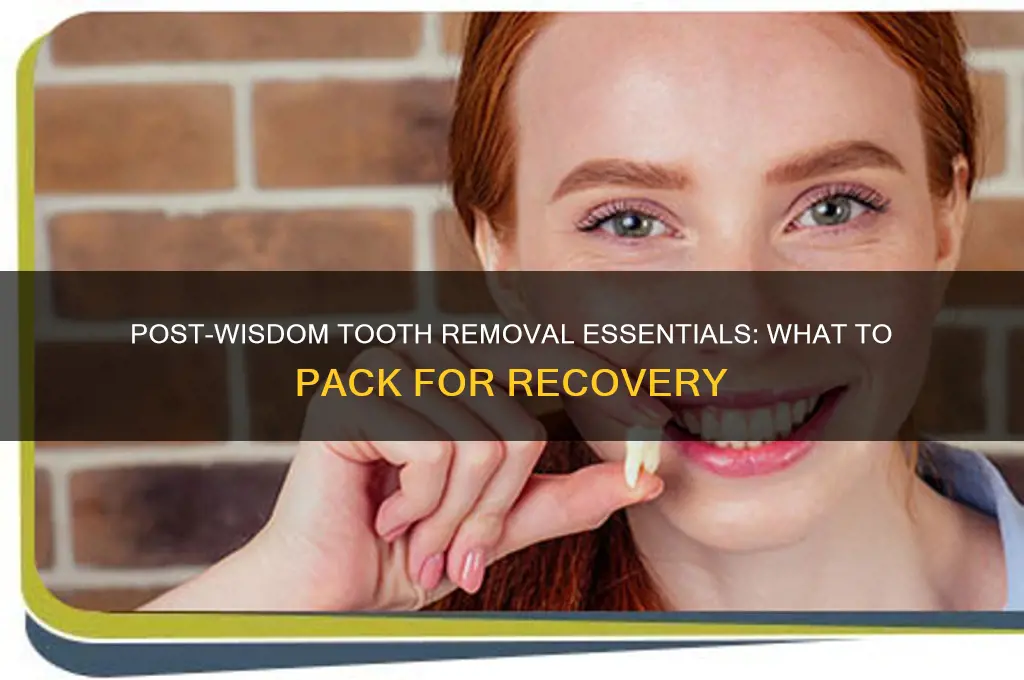
After wisdom tooth removal, it's crucial to prepare a recovery kit to ensure a smooth and comfortable healing process. This includes soft foods like yogurt, mashed potatoes, and smoothies, as well as over-the-counter pain relievers and any prescribed medications from your dentist or oral surgeon. Stock up on gauze, ice packs, and a gentle mouthwash to manage bleeding, swelling, and oral hygiene. Avoid straws, hard or crunchy foods, and strenuous activities for at least 24-48 hours to prevent complications like dry socket. Having these essentials on hand will help minimize discomfort and promote a quicker recovery.
What You'll Learn
- Pain Management: Over-the-counter pain relievers, prescribed medications, and cold compresses for swelling reduction
- Diet Recommendations: Soft foods, avoiding hot, spicy, or hard items to prevent irritation
- Oral Hygiene: Gentle brushing, saltwater rinses, and avoiding the surgical area
- Activity Restrictions: Limiting physical activity, avoiding straws, and no smoking post-surgery
- Monitoring Complications: Watch for excessive bleeding, infection signs, or prolonged pain

Pain Management: Over-the-counter pain relievers, prescribed medications, and cold compresses for swelling reduction
Effective pain management after wisdom tooth removal hinges on a combination of over-the-counter (OTC) pain relievers, prescribed medications, and cold compresses. Each approach serves a distinct purpose, and understanding their roles ensures a smoother recovery. OTC options like ibuprofen (Advil, Motrin) or acetaminophen (Tylenol) are often the first line of defense. Ibuprofen, a nonsteroidal anti-inflammatory drug (NSAID), reduces both pain and swelling, making it a popular choice. Adults can typically take 400–600 mg every 4–6 hours, but always follow the label or a pharmacist’s guidance. Acetaminophen, on the other hand, focuses solely on pain relief and is a safer option for those who cannot tolerate NSAIDs. Dosage for adults is usually 650–1000 mg every 4–6 hours, not exceeding 3000 mg daily.
For more severe pain, dentists may prescribe stronger medications, such as opioids like hydrocodone or oxycodone. These are potent but come with risks, including drowsiness, constipation, and potential for dependency. Prescribed medications should be taken exactly as directed, and patients should avoid driving or operating machinery while under their influence. It’s also crucial to complete the full course of antibiotics if prescribed to prevent infection, even if pain subsides. Always inform your dentist of any allergies or existing medications to avoid adverse interactions.
Cold compresses complement both OTC and prescribed pain management strategies by reducing swelling and numbing the affected area. Apply an ice pack or a bag of frozen vegetables wrapped in a thin cloth to the cheek for 15–20 minutes at a time, with 10-minute breaks in between. This cycle can be repeated for the first 24–48 hours post-surgery, after which switching to warm compresses can aid healing by increasing blood flow. Cold therapy is particularly effective in the initial stages, as it constricts blood vessels, minimizing inflammation and discomfort.
Combining these methods strategically maximizes relief. For instance, taking ibuprofen 30 minutes before applying a cold compress can enhance its anti-inflammatory effects. However, caution is key: avoid applying ice directly to the skin, and never exceed recommended dosages of medications. Pregnant or breastfeeding individuals, those with liver or kidney issues, and children under 12 should consult a healthcare provider before using OTC or prescribed medications. By integrating these approaches thoughtfully, patients can navigate post-extraction pain with greater comfort and confidence.
Wisdom Tooth Woes: Essential Steps for Pain Relief and Recovery
You may want to see also
Diet Recommendations: Soft foods, avoiding hot, spicy, or hard items to prevent irritation
After wisdom tooth removal, your mouth becomes a delicate ecosystem, vulnerable to irritation and infection. The foods you choose play a pivotal role in either soothing or aggravating this sensitive state. Imagine your mouth as a battlefield; soft, cool foods are your allies, while hot, spicy, or hard items are the enemy troops ready to inflame the wound. The first 24–48 hours post-surgery are critical, and adhering to a diet of mashed potatoes, yogurt, and smoothies can significantly reduce discomfort and promote healing. Avoid the temptation to test your recovery with crunchy snacks or piping-hot soup—patience is your best tool here.
Consider the mechanics of chewing: hard or crunchy foods require vigorous jaw movement, which can dislodge blood clots and delay healing. Spicy foods, on the other hand, contain compounds like capsaicin that can irritate exposed nerves and tissues, turning a manageable recovery into a painful ordeal. Even hot foods pose a risk, as they can increase blood flow to the surgical site, potentially causing bleeding or swelling. For instance, swapping your morning coffee for room-temperature tea and opting for lukewarm oatmeal instead of toast can make a noticeable difference in your comfort level.
A persuasive argument for sticking to soft foods lies in the long-term benefits. While it may seem restrictive, this temporary diet ensures that your body can focus its energy on healing rather than fighting inflammation. Incorporate nutrient-rich options like protein shakes, scrambled eggs, and pureed vegetable soups to support tissue repair. For those with a sweet tooth, applesauce or pudding can satisfy cravings without compromising recovery. Remember, this phase is short-lived, and adhering to these guidelines can prevent complications like dry socket, a painful condition that occurs when the blood clot at the extraction site is dislodged.
Comparing post-surgery diets to pre-surgery habits highlights the importance of adaptability. If you’re used to a diet rich in nuts, chips, or steak, this period requires a mindset shift. Think of it as a reset button for your oral health. For example, blending fruits into smoothies instead of biting into a crisp apple not only protects the surgical site but also ensures you still get essential vitamins. Similarly, opting for chilled soups over hot broths reduces the risk of thermal irritation, allowing the extraction site to heal undisturbed.
In practice, planning meals ahead of time can make this transition smoother. Stock your pantry with soft, easy-to-prepare foods before the surgery, and consider preparing meals in advance. A sample day could include oatmeal for breakfast, a protein shake for lunch, and mashed sweet potatoes with avocado for dinner. Stay hydrated with water at room temperature, and avoid using straws, as the suction can dislodge blood clots. By treating this diet as a temporary but essential regimen, you’ll not only ease your recovery but also set the stage for a healthier mouth in the long run.
Pre-Wisdom Tooth Surgery Checklist: Essential Steps for a Smooth Recovery
You may want to see also
Oral Hygiene: Gentle brushing, saltwater rinses, and avoiding the surgical area
Post-wisdom tooth extraction, your mouth is a delicate ecosystem, and oral hygiene becomes a balancing act. Aggressive brushing, a habitual morning ritual, can now disrupt healing tissues and dislodge blood clots, leading to dry socket, a painful complication. Opt for a soft-bristled toothbrush and a gentle, circular motion, avoiding the surgical site entirely for the first 24 hours. Think of it as nurturing a fragile garden, where rough handling can uproot tender shoots.
After meals, when debris inevitably accumulates, saltwater rinses become your allies. Dissolve ½ teaspoon of salt in a cup of warm water, allowing it to cool slightly before swishing gently for 30 seconds. This natural antiseptic reduces inflammation, promotes healing, and dislodges food particles without the trauma of brushing. Imagine a soothing tide, gently cleansing the wound without agitation.
The surgical area, a raw and vulnerable landscape, demands respect. Resist the urge to probe with your tongue or fingers, as this can introduce bacteria and disrupt clot formation. Think of it as a construction site, where curious onlookers can hinder progress and cause accidents. Let the healing process unfold undisturbed, allowing new tissue to form and the wound to seal.
Remember, this delicate phase is temporary. By embracing gentle brushing, saltwater rinses, and respecting the surgical site, you're fostering an environment conducive to healing. Patience and careful oral hygiene will pave the way for a smooth recovery, allowing you to return to your normal routine, minus the wisdom teeth, sooner than you think.
Wisdom Tooth Fell Out? Immediate Steps and Care Tips
You may want to see also
Activity Restrictions: Limiting physical activity, avoiding straws, and no smoking post-surgery
Post-wisdom tooth removal, your body needs time to heal, and certain activities can disrupt this delicate process. One of the most critical restrictions is limiting physical exertion. Strenuous activities like running, weightlifting, or even vigorous yoga can increase blood flow to the surgical site, leading to bleeding, swelling, and prolonged recovery. For the first 24 to 48 hours, stick to light activities like walking or gentle stretching. Gradually reintroduce more intense exercise over the next week, but always listen to your body—if it feels uncomfortable, scale back.
Another seemingly innocuous action that can derail your recovery is using a straw. The suction created by sipping through a straw can dislodge the blood clot forming in the extraction site, a condition known as dry socket. This painful complication can delay healing and require additional treatment. Opt for sipping directly from a glass instead, and avoid carbonated or hot beverages that could further irritate the area. This simple adjustment can make a significant difference in your recovery experience.
Smoking is perhaps the most detrimental habit to avoid after wisdom tooth removal. Nicotine constricts blood vessels, reducing oxygen and nutrient flow to the surgical site, while the act of inhaling can dislodge clots, similar to using a straw. Smoking also weakens the immune system, increasing the risk of infection. If you’re a smoker, consider this a prime opportunity to take a break—even temporarily. Studies show that abstaining from smoking for at least 72 hours post-surgery significantly improves healing outcomes. If quitting entirely feels daunting, nicotine patches or gum (used as directed) can help manage cravings without compromising recovery.
These activity restrictions—limiting physical exertion, avoiding straws, and abstaining from smoking—are not arbitrary. They are grounded in the biology of healing and the mechanics of post-surgical care. By adhering to these guidelines, you actively support your body’s natural recovery processes, reducing the risk of complications and ensuring a smoother, faster return to normalcy. Think of them not as limitations, but as investments in your health—small, manageable changes that yield substantial benefits.
Wisdom Tooth Removal Recovery: What to Expect Post-Extraction
You may want to see also
Monitoring Complications: Watch for excessive bleeding, infection signs, or prolonged pain
After wisdom tooth removal, your body enters a delicate healing phase, and vigilance becomes your best ally. Monitoring for complications isn’t just a precaution—it’s a critical step to ensure a smooth recovery. Excessive bleeding, infection signs, and prolonged pain are red flags that demand immediate attention. Ignoring these symptoms can lead to more severe issues, turning a routine procedure into a prolonged ordeal.
Let’s break it down. Excessive bleeding is one of the first concerns post-extraction. While some oozing is normal for the first 24 hours, persistent or heavy bleeding warrants action. To manage this, apply firm pressure with a clean gauze pad for 30–45 minutes. Avoid spitting, rinsing, or using straws, as these actions can dislodge the blood clot and exacerbate bleeding. If bleeding continues despite these measures, contact your dentist or oral surgeon immediately.
Next, infection signs such as swelling, fever, foul taste, or pus discharge should never be overlooked. Infections can develop within 48–72 hours post-surgery, especially if proper aftercare isn’t followed. To prevent this, adhere strictly to your dentist’s instructions: take prescribed antibiotics as directed (typically 500 mg of amoxicillin every 8 hours for adults, unless allergic), rinse gently with warm salt water after the first 24 hours, and avoid touching the extraction site. If infection symptoms appear, seek medical attention promptly to prevent complications like dry socket or systemic infection.
Prolonged pain beyond 3–4 days is another warning sign. While discomfort is expected, it should gradually subside. Over-the-counter pain relievers like ibuprofen (600–800 mg every 6–8 hours) or acetaminophen (500–1000 mg every 4–6 hours) can manage pain, but if it persists or intensifies, it may indicate nerve damage, dry socket, or another issue. Elevating your head while sleeping, avoiding strenuous activity, and sticking to a soft diet can aid recovery. If pain remains unrelenting, consult your dentist for evaluation and potential intervention.
In summary, monitoring complications after wisdom tooth removal requires a proactive approach. By staying alert for excessive bleeding, infection signs, and prolonged pain, you can address issues early and ensure a healthier recovery. Remember, timely action isn’t just about comfort—it’s about safeguarding your overall well-being.
Soft, Soothing Foods to Eat After Wisdom Tooth Removal: A Guide
You may want to see also
Frequently asked questions
Follow your dentist’s or oral surgeon’s instructions for pain management. Typically, over-the-counter pain relievers like ibuprofen (Advil) or acetaminophen (Tylenol) are recommended. Avoid aspirin, as it can increase bleeding.
Stick to soft, cool foods like yogurt, applesauce, or smoothies for the first 24–48 hours. Gradually reintroduce solid foods as tolerated, avoiding hot, spicy, or crunchy items that can irritate the extraction site.
Apply an ice pack to the affected area for 20 minutes on, then 20 minutes off, during the first 24–48 hours. Keep your head elevated, even while sleeping, to minimize swelling.
Avoid brushing near the extraction site for the first 24 hours. You can gently rinse with warm salt water after meals to keep the area clean. Resume normal brushing after the first day, being careful not to disturb the healing site.