Hailey Morgan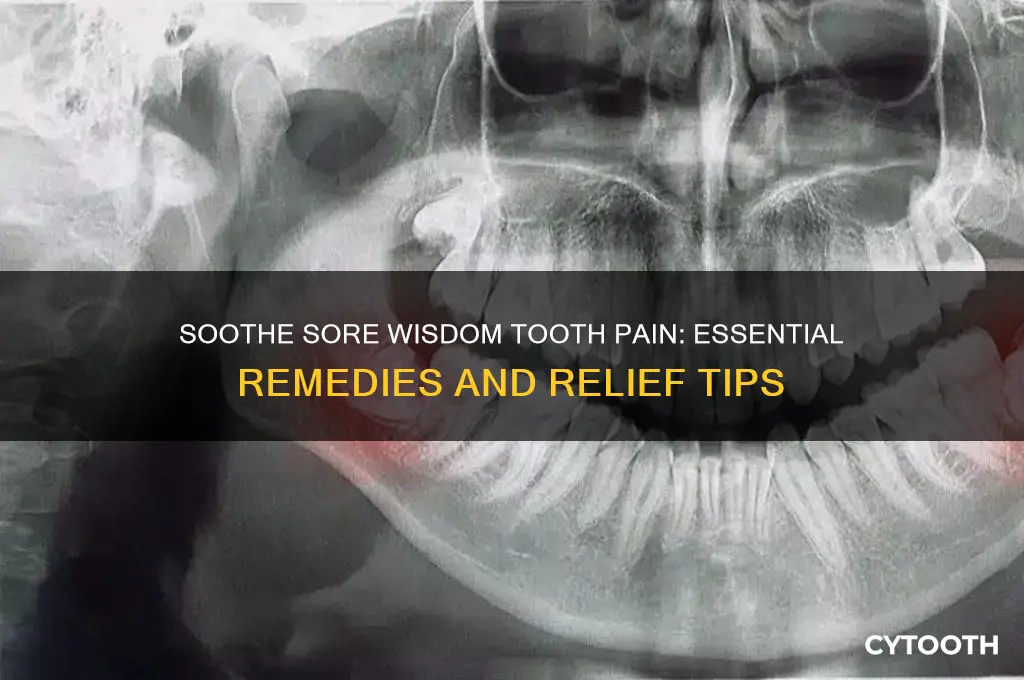
A sore wisdom tooth can be an uncomfortable and distressing experience, often accompanied by pain, swelling, and difficulty eating or speaking. When dealing with this issue, it's essential to know the appropriate remedies and treatments to alleviate discomfort and promote healing. From over-the-counter pain relievers and numbing gels to warm salt water rinses and cold compresses, there are various options to consider. Additionally, maintaining good oral hygiene and avoiding certain foods can help prevent further irritation. In some cases, a visit to the dentist may be necessary to assess the situation and determine if extraction or other interventions are required. Understanding what to take for a sore wisdom tooth can provide much-needed relief and guide you toward the best course of action.
| Characteristics | Values |
|---|---|
| Over-the-Counter Pain Relief | Ibuprofen (e.g., Advil), Acetaminophen (e.g., Tylenol), Naproxen (e.g., Aleve) |
| Topical Anesthetics | Benzocaine-based gels (e.g., Orajel), Clove oil |
| Antiseptic Mouthwash | Chlorhexidine or hydrogen peroxide-based mouthwash |
| Warm Saltwater Rinse | Mix 1/2 teaspoon of salt in 8 ounces of warm water |
| Cold Compress | Apply ice pack wrapped in cloth to the outside of the cheek |
| Soft Diet | Avoid hard, crunchy, or spicy foods; opt for yogurt, mashed potatoes, etc. |
| Hydration | Drink plenty of water to keep the mouth clean and reduce inflammation |
| Herbal Remedies | Peppermint tea bags (cooled), turmeric paste |
| Elevated Head Position | Sleep with head propped up to reduce swelling |
| Avoid Irritants | No smoking, alcohol, or hot beverages |
| Dental Consultation | Visit a dentist if pain persists or worsens |
What You'll Learn
- Over-the-counter pain relievers like ibuprofen or acetaminophen can help reduce inflammation and pain
- Rinse with warm saltwater to soothe the affected area and reduce bacteria
- Apply a cold compress to the cheek to numb pain and decrease swelling
- Use clove oil or diluted peppermint oil for natural numbing and antibacterial effects
- Avoid hard, crunchy, or sticky foods to prevent further irritation of the sore tooth

Over-the-counter pain relievers like ibuprofen or acetaminophen can help reduce inflammation and pain
Sore wisdom teeth can be a real pain—literally. When the discomfort sets in, over-the-counter pain relievers like ibuprofen or acetaminophen are often the first line of defense. These medications work by targeting inflammation and pain at their source, providing temporary relief while you wait for a dental appointment or for the issue to resolve on its own. Ibuprofen, a nonsteroidal anti-inflammatory drug (NSAID), is particularly effective for reducing swelling around the affected area, while acetaminophen focuses primarily on pain management. Both are widely available and can be taken by most adults, though it’s essential to follow dosage guidelines carefully.
For adults, the typical dosage for ibuprofen is 200–400 mg every 4–6 hours, not exceeding 1200 mg in 24 hours. Acetaminophen is generally taken at 500–1000 mg every 4–6 hours, with a maximum daily dose of 3000 mg. It’s crucial to avoid exceeding these limits, as overuse can lead to liver damage (acetaminophen) or stomach issues (ibuprofen). For younger individuals or those with specific health conditions, consulting a pharmacist or healthcare provider is advisable. Pairing these medications with a glass of water and avoiding alcohol can also minimize potential side effects.
While these pain relievers are effective, they’re not a long-term solution. Persistent or worsening pain could indicate an infection or impaction, requiring professional intervention. Think of ibuprofen and acetaminophen as temporary allies, not permanent fixes. Additionally, combining them with other remedies—like a warm saltwater rinse or a cold compress—can enhance their effectiveness. For instance, alternating between a cold pack and ibuprofen can provide dual relief by numbing the area and reducing inflammation simultaneously.
One practical tip is to take the first dose of ibuprofen or acetaminophen as soon as you notice discomfort, rather than waiting for the pain to become unbearable. This proactive approach can prevent the pain from escalating and make the medication more effective. Keep in mind that these drugs take about 30–60 minutes to kick in, so patience is key. If you’re unsure which to choose, consider this: ibuprofen is better for throbbing, inflamed pain, while acetaminophen is ideal for steady, aching discomfort. Always read the label, especially if you’re taking other medications, to avoid interactions.
In summary, over-the-counter pain relievers like ibuprofen and acetaminophen are reliable tools for managing sore wisdom teeth. By understanding their mechanisms, dosages, and limitations, you can use them effectively to ease pain and inflammation. Remember, they’re a stopgap measure—not a substitute for dental care. Use them wisely, and don’t hesitate to seek professional help if the issue persists.
Post-Wisdom Tooth Surgery: Key Mistakes to Avoid for Smooth Recovery
You may want to see also
Rinse with warm saltwater to soothe the affected area and reduce bacteria
A simple yet effective remedy for a sore wisdom tooth is rinsing with warm saltwater. This age-old practice combines the soothing properties of warmth with the antibacterial benefits of salt, offering dual relief for the discomfort and potential infection associated with emerging or inflamed wisdom teeth. The mild osmotic effect of salt draws out fluids, reducing swelling, while its antiseptic qualities help cleanse the area, preventing bacterial growth that could exacerbate pain or lead to complications like gum infections.
To prepare a saltwater rinse, dissolve ½ teaspoon of table salt in 8 ounces of warm water—ensure the temperature is comfortable, not scalding, to avoid tissue irritation. Gently swish the solution around your mouth for 30 seconds, focusing on the affected area, then spit it out. Repeat this process 2–3 times daily, particularly after meals, to maintain oral hygiene and alleviate discomfort. For adolescents and adults, this method is safe and can complement other treatments like over-the-counter pain relievers or topical numbing gels.
While saltwater rinses are generally mild, overuse can lead to temporary tooth sensitivity or dry mouth. Limit rinses to no more than four times daily to avoid disrupting the mouth’s natural pH balance. If symptoms persist or worsen after 48 hours of consistent use, consult a dentist, as this may indicate an underlying issue like an impacted tooth or infection requiring professional intervention.
Compared to commercial mouthwashes, saltwater rinses are cost-effective, free from harsh chemicals, and suitable for individuals with allergies or sensitivities. Their simplicity makes them an accessible first-line defense against wisdom tooth pain, particularly in situations where immediate dental care isn’t available. However, they are not a substitute for proper dental treatment—think of them as a supportive measure, not a cure.
Incorporating this rinse into your oral care routine is straightforward: keep a measuring spoon and salt nearby for convenience, and consider setting reminders to ensure consistency. For added comfort, follow the rinse with a cold compress on the cheek to further reduce inflammation. While it may not eliminate severe pain, this method provides noticeable relief for many, making it a valuable tool in managing the discomfort of a sore wisdom tooth.
Cavity in Wisdom Tooth? Here’s What to Do Next
You may want to see also
Apply a cold compress to the cheek to numb pain and decrease swelling
A cold compress is a simple yet effective remedy for soothing the discomfort of a sore wisdom tooth. The principle behind this method is straightforward: cold temperatures act as a local anesthetic, numbing the affected area and providing temporary relief from pain. Additionally, the cold helps constrict blood vessels, which reduces swelling and inflammation—common symptoms when wisdom teeth emerge or become infected.
To apply a cold compress, wrap a few ice cubes in a thin cloth or use a gel-based cold pack. Ensure the compress is not applied directly to the skin to avoid frostbite or irritation. Instead, gently press it against the cheek near the sore area for 15–20 minutes at a time. Repeat this process every 2–3 hours as needed, especially during the first 48 hours when swelling and pain are most intense. For children or older adults, monitor the application closely to prevent discomfort or skin damage.
Comparatively, a cold compress offers a drug-free alternative to over-the-counter pain relievers, making it ideal for those who prefer natural remedies or are unable to take medication. Unlike numbing gels or oral analgesics, which target only pain, the cold compress addresses both pain and swelling simultaneously. However, it’s important to note that this method provides symptomatic relief and does not treat the underlying cause of the sore wisdom tooth, such as infection or impaction.
For maximum effectiveness, combine the cold compress with other remedies like rinsing with warm salt water or maintaining good oral hygiene. Avoid applying heat to the area, as it can worsen swelling. If pain or swelling persists for more than a few days, consult a dentist, as this may indicate a more serious issue requiring professional intervention. With its ease of use and immediate relief, a cold compress is a practical first step in managing wisdom tooth discomfort.
Wisdom Tooth Removal Recovery: What to Expect Post-Extraction
You may want to see also
Use clove oil or diluted peppermint oil for natural numbing and antibacterial effects
Clove oil has been a go-to natural remedy for dental pain for centuries, and its effectiveness lies in its active compound, eugenol, a potent anesthetic and antibacterial agent. When applied directly to the affected area, clove oil can provide temporary relief from the throbbing pain associated with a sore wisdom tooth. To use, dip a cotton swab into a small amount of clove oil (approximately 2-3 drops) and gently apply it to the gum area surrounding the wisdom tooth. Hold the cotton swab in place for a few minutes, allowing the oil to penetrate and numb the area. This method is particularly useful for those seeking immediate relief without resorting to over-the-counter medications.
In contrast to clove oil, peppermint oil offers a cooling sensation that can help alleviate discomfort and reduce inflammation. Its antibacterial properties, attributed to the presence of menthol, make it an excellent choice for combating oral bacteria that may exacerbate wisdom tooth pain. To harness its benefits, dilute 2-3 drops of peppermint oil in a teaspoon of carrier oil, such as coconut or olive oil, to prevent irritation. Using a clean finger or cotton ball, gently massage the diluted oil onto the affected gum area for 1-2 minutes. This process can be repeated 2-3 times daily, but it's essential to avoid ingesting the oil, as it may cause stomach upset.
While both clove and peppermint oils offer natural numbing and antibacterial effects, their application methods and frequencies differ. Clove oil is best used as a spot treatment, providing targeted relief for short periods, whereas peppermint oil's cooling effect makes it ideal for more frequent applications. It's crucial to note that these remedies are not suitable for children under 12 years old, as their skin and mucous membranes may be more sensitive to essential oils. Pregnant or breastfeeding women should also exercise caution and consult a healthcare professional before use.
A comparative analysis of these two oils reveals that clove oil is more potent and fast-acting, making it an excellent choice for severe pain. Peppermint oil, on the other hand, provides a gentler, longer-lasting effect, suitable for managing mild to moderate discomfort. To maximize their benefits, consider alternating between the two oils, using clove oil for immediate relief and peppermint oil for maintenance. Additionally, maintaining proper oral hygiene, including regular brushing and flossing, is essential to prevent further irritation and promote healing.
In practical terms, incorporating clove or peppermint oil into your wisdom tooth care routine requires minimal effort and expense. These oils are readily available at health food stores, pharmacies, or online retailers. When purchasing, opt for high-quality, pure essential oils to ensure safety and efficacy. Store the oils in a cool, dark place, away from direct sunlight, to preserve their potency. By following these guidelines and using clove or peppermint oil as directed, you can effectively manage wisdom tooth pain and support the healing process, all while embracing a natural, holistic approach to oral care.
Soft, Soothing Foods to Eat After Wisdom Tooth Removal: A Guide
You may want to see also
Avoid hard, crunchy, or sticky foods to prevent further irritation of the sore tooth
A sore wisdom tooth can make every meal a challenge, turning simple acts of eating into painful ordeals. One of the most effective ways to manage this discomfort is by carefully selecting what you eat. Avoiding hard, crunchy, or sticky foods is crucial, as these can exacerbate irritation and prolong healing. Hard foods like nuts or raw carrots can apply excessive pressure on the sensitive area, while sticky treats like caramel or chewing gum can tug at the inflamed gums, worsening the pain. By eliminating these culprits from your diet, you create a safer environment for your mouth to recover.
Consider this: your wisdom tooth is already under stress, whether from emerging through the gums or from an infection. Introducing hard or crunchy foods into the equation is like adding fuel to a fire. For instance, biting into an apple or a crusty piece of bread can cause micro-traumas to the gum tissue, leading to increased swelling and discomfort. Similarly, sticky foods can adhere to the tooth and gums, pulling at the sensitive area every time you chew or swallow. This mechanical stress not only intensifies pain but can also delay the healing process, making it harder for your body to repair the damaged tissue.
To implement this dietary adjustment, start by replacing hard and crunchy foods with softer alternatives. Opt for steamed vegetables instead of raw ones, choose mashed potatoes over crispy fries, and swap whole nuts for nut butter. For sticky foods, be mindful of hidden offenders like dried fruits, toffee, or even overly chewy protein bars. If you’re craving something sweet, go for smooth options like yogurt or pudding. Additionally, cutting food into smaller pieces can reduce the need for excessive chewing, minimizing stress on the sore tooth.
While avoiding these foods is essential, it’s equally important to stay nourished. A balanced diet supports your immune system, aiding in the healing process. Incorporate soft, nutrient-dense foods like scrambled eggs, oatmeal, soups, and smoothies. For hydration, stick to water or lukewarm teas, avoiding hot or cold beverages that can trigger sensitivity. If chewing remains difficult, consider using a blender to create meal replacements that are easy to consume without compromising on nutrition.
In summary, steering clear of hard, crunchy, or sticky foods is a practical and immediate step to alleviate wisdom tooth pain. This simple dietary modification reduces mechanical stress on the affected area, allowing the gums and tooth to heal more efficiently. By prioritizing soft, nourishing foods and being mindful of potential irritants, you can manage discomfort effectively while ensuring your body gets the nutrients it needs to recover. Remember, this isn’t about restricting your diet indefinitely—it’s a temporary measure to ease pain and promote healing during a vulnerable time.
Wisdom Tooth Fell Out? Immediate Steps and Care Tips
You may want to see also
Frequently asked questions
For immediate relief, rinse with warm saltwater, apply a cold compress to reduce swelling, and take over-the-counter pain relievers like ibuprofen or acetaminophen.
Yes, clove oil has natural analgesic and antiseptic properties. Apply a small amount to the affected area using a cotton swab for temporary relief.
Yes, over-the-counter numbing gels containing benzocaine can provide temporary relief by numbing the area around the sore wisdom tooth.
Antibiotics are only necessary if there’s an infection, such as swelling, fever, or pus. Consult a dentist before taking antibiotics.
Avoid hard, chewy, or sticky foods that can aggravate the area. Stick to soft, cool foods like yogurt, mashed potatoes, or smoothies.