Olivia Bennett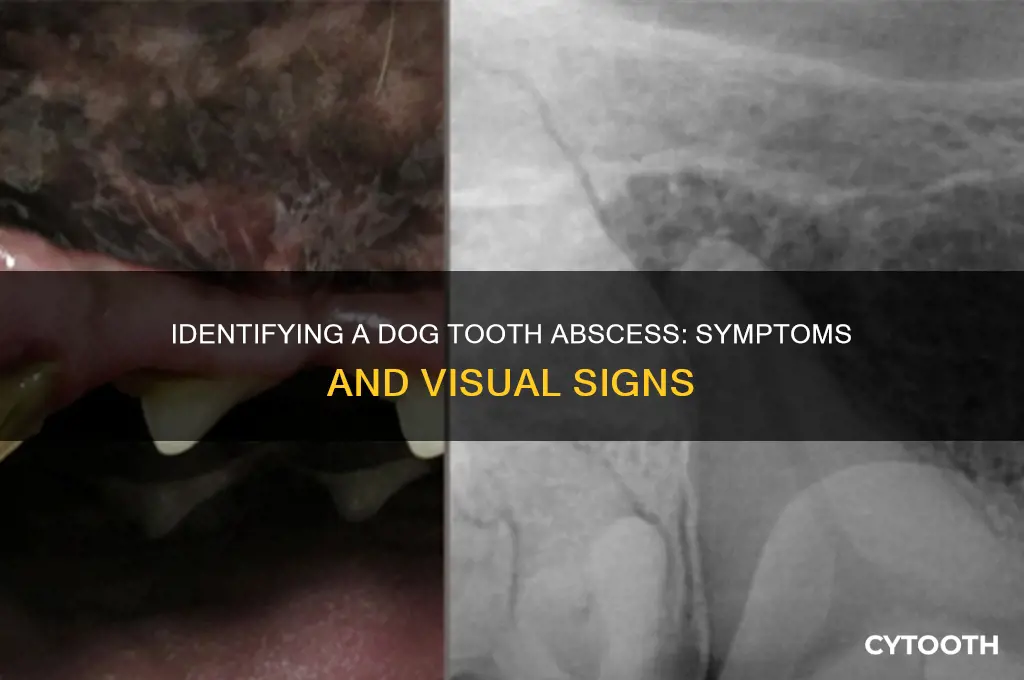
A dental abscess in dogs, often caused by bacterial infections resulting from gum disease, tooth fractures, or oral injuries, can manifest as a painful swelling around the affected tooth. Typically, the area may appear red, inflamed, and sometimes pus-filled, with the gum tissue looking puffy or distorted. Dogs with an abscessed tooth may also exhibit signs of discomfort, such as reluctance to eat, pawing at the mouth, excessive drooling, or bad breath. In severe cases, the swelling might extend to the face or jaw, and the tooth itself may appear discolored or loose. Early detection and veterinary intervention are crucial to prevent further complications and alleviate the dog’s pain.
What You'll Learn

Visible swelling around the affected tooth or gum area
One of the most noticeable signs of a tooth abscess in dogs is visible swelling around the affected tooth or gum area. This swelling, often referred to as a dental abscess, occurs when pus accumulates due to a bacterial infection. The area may appear red, inflamed, and tender to the touch. In severe cases, the swelling can be so pronounced that it distorts the dog’s facial contours, making it easy to spot even without close inspection. If you notice your dog pawing at their face or showing reluctance to eat, this swelling could be the underlying cause.
To identify this symptom, gently lift your dog’s lip to examine their gums and teeth. Look for localized bulging or a pimple-like bump on the gumline, which may ooze pus if ruptured. Smaller breeds and older dogs are particularly susceptible due to their higher incidence of dental disease. However, any dog with poor oral hygiene or a history of tooth fractures is at risk. Early detection is crucial, as untreated abscesses can lead to systemic infections or bone loss in the jaw.
If you suspect your dog has a tooth abscess, avoid attempting to drain the swelling yourself, as this can worsen the infection. Instead, consult a veterinarian immediately. Treatment typically involves a dental procedure under anesthesia to clean the affected area, extract the damaged tooth if necessary, and prescribe antibiotics. Post-treatment, maintaining your dog’s dental health with regular brushing, dental chews, and professional cleanings can prevent recurrence.
Comparing a healthy gumline to one with an abscess highlights the stark difference. Healthy gums are pink and firm, while abscessed gums are swollen, discolored, and may have a foul odor. This visual contrast underscores the importance of routine dental care. For example, using a dog-specific toothbrush and enzymatic toothpaste twice weekly can reduce plaque buildup, a common precursor to abscesses. Additionally, annual veterinary checkups often include a dental exam, allowing early intervention before symptoms escalate.
In summary, visible swelling around a dog’s tooth or gum area is a red flag for a potential abscess. Prompt veterinary care is essential to alleviate pain, prevent complications, and restore oral health. By staying vigilant and prioritizing dental hygiene, pet owners can protect their dogs from this painful and preventable condition.
Effective Treatments: What Doctors Prescribe for Abscessed Tooth Relief
You may want to see also
Red, inflamed gums near the abscessed tooth
One of the most visible signs of a tooth abscess in dogs is the presence of red, inflamed gums surrounding the affected tooth. This inflammation, known as gingivitis, occurs as the body’s immune system responds to the infection. The gums may appear swollen, shiny, and darker pink or red than usual, often with a puffy or raised texture. In severe cases, the gum tissue might bleed easily, even with gentle touch or during regular chewing. This localized redness and swelling are critical indicators that the infection has spread beyond the tooth root and is affecting the surrounding periodontal structures.
To identify red, inflamed gums in your dog, carefully lift their lip to expose the teeth and gums. Compare the color and texture of the gums near the suspected abscessed tooth to those in healthier areas of the mouth. Healthy gums should be a uniform light pink, firm, and free of swelling. If you notice a distinct red patch or a hot, inflamed area, it’s likely associated with an abscess. Additionally, the dog may show discomfort when the area is touched, which can be a behavioral clue to confirm your observation. Early detection of these symptoms is crucial, as untreated gum inflammation can lead to further complications, including tooth loss or systemic infection.
Treating red, inflamed gums in a dog with a tooth abscess requires prompt veterinary intervention. Your veterinarian may prescribe antibiotics to combat the infection and recommend a dental procedure, such as a tooth extraction or root canal, to address the abscess. At home, you can support your dog’s recovery by administering pain relief as directed by your vet and providing soft, palatable food to minimize chewing discomfort. Avoid giving hard treats or toys that could irritate the inflamed gums further. Regular dental care, including brushing your dog’s teeth with pet-safe toothpaste, can help prevent future abscesses, though it’s essential to start slowly and make the process positive for your dog.
Comparing the appearance of healthy gums to those affected by an abscess highlights the importance of vigilance in pet dental care. While occasional redness might be mistaken for minor irritation, persistent or severe inflammation is a red flag. Unlike superficial gum irritation caused by a foreign object or mild injury, abscess-related inflammation is often accompanied by other symptoms, such as facial swelling, bad breath, or reluctance to eat. Recognizing these distinctions ensures that your dog receives timely treatment, reducing the risk of long-term damage to their oral health and overall well-being.
Identifying Tooth Abscess Symptoms: Visual Signs and What to Look For
You may want to see also
Pus discharge or foul odor from the mouth
A telltale sign of a tooth abscess in dogs is the presence of pus discharge or a foul odor emanating from the mouth. This occurs when bacteria invade the tooth’s root, leading to infection and the formation of pus. The discharge may appear as a thick, yellowish fluid, often visible near the affected tooth or along the gumline. If left untreated, the pus can spread, causing systemic issues and worsening the dog’s overall health. Recognizing this symptom early is critical, as it signals a deep-seated infection that requires immediate veterinary attention.
To identify pus discharge, carefully examine your dog’s mouth, focusing on areas where they may show discomfort or swelling. Gently lift the lips to inspect the gums and teeth, using a soft light source to enhance visibility. If you notice a white or yellow discharge, or if the area appears red and inflamed, it’s likely an abscess. Avoid probing the area yourself, as this can exacerbate the infection or cause pain. Instead, document your observations and contact your veterinarian promptly. Early intervention can prevent the abscess from rupturing, which could lead to more severe complications.
The foul odor associated with a tooth abscess is another unmistakable indicator. This smell arises from the breakdown of infected tissue and the presence of bacteria. It’s often described as a pungent, rotting odor that worsens over time. If your dog’s breath suddenly becomes noticeably foul, even after ruling out dietary causes, it’s a red flag. Pairing this symptom with other signs like reluctance to eat, pawing at the face, or visible swelling strengthens the case for an abscess. Addressing the issue promptly not only alleviates your dog’s discomfort but also prevents the infection from spreading to other parts of the body.
Treating a tooth abscess typically involves a combination of veterinary procedures and at-home care. Your vet may perform a dental radiograph to assess the extent of the infection, followed by a tooth extraction or root canal if the tooth is salvageable. Antibiotics are often prescribed to combat the infection, with dosages tailored to your dog’s weight and age. For example, amoxicillin is commonly administered at 5–10 mg per pound of body weight, twice daily for 7–14 days. Pain management, such as anti-inflammatory medications, may also be recommended. Post-treatment, maintain your dog’s oral hygiene by brushing their teeth regularly with pet-safe toothpaste and scheduling routine dental check-ups to prevent future issues.
DIY Remedies for Cracked Tooth Abscess Relief at Home
You may want to see also
Tooth discoloration or darkening due to infection
A dog's tooth affected by an abscess often exhibits noticeable discoloration, ranging from a subtle darkening to a pronounced brown or black hue. This change occurs due to the spread of infection, which can cause blood flow disruption and tissue necrosis within the tooth. The discoloration typically starts at the gum line and may extend to the entire tooth, serving as a visual red flag for underlying dental issues.
Analyzing the cause, tooth discoloration in dogs with abscesses is primarily linked to bacterial invasion and the body's inflammatory response. As bacteria penetrate the tooth's pulp, they release toxins that break down tissues and lead to the accumulation of dark pigments. Additionally, the immune system's attempt to fight the infection can result in increased blood flow, which may contribute to the darkened appearance. Pet owners should monitor for this symptom, as it often indicates advanced dental disease requiring immediate veterinary attention.
For pet owners, identifying tooth discoloration early can prevent further complications. Regularly inspect your dog's teeth, focusing on areas where the gums meet the teeth, as this is where discoloration often begins. If you notice any darkening, especially accompanied by symptoms like bad breath, swelling, or reluctance to eat, consult a veterinarian promptly. Early intervention, such as dental cleanings or extractions, can halt the infection's progression and preserve your dog's oral health.
Comparatively, tooth discoloration in dogs differs from that in humans, where staining is often cosmetic and caused by external factors like food or beverages. In dogs, discoloration is almost always a sign of infection or disease, making it a critical indicator of deeper health issues. Unlike humans, dogs cannot communicate discomfort verbally, so visual cues like darkened teeth become essential for diagnosis. This distinction underscores the importance of proactive dental care in canine companions.
Practically, preventing tooth discoloration and abscesses involves a consistent oral hygiene routine. Brush your dog's teeth daily using a veterinarian-approved toothpaste and toothbrush, and provide dental chews or toys designed to reduce plaque buildup. For dogs prone to dental issues, consider incorporating dental diets or water additives that help control bacteria. Regular veterinary check-ups, including professional dental cleanings, are crucial for catching and addressing potential problems before they escalate into infections causing discoloration.
Abscessed Tooth Treatment: What to Expect and How to Heal
You may want to see also
Pain or sensitivity when touching the infected area
A dog with a dental abscess will often flinch or pull away when the affected area is touched, a clear sign of pain or sensitivity. This reaction is a critical indicator that something is wrong, as dogs typically tolerate handling around their mouths unless discomfort is present. The sensitivity can be so pronounced that even gentle pressure near the abscessed tooth causes the dog to retreat or vocalize, such as whining or growling. This behavior is not just a minor inconvenience; it’s a distress signal that warrants immediate attention.
To assess this sensitivity, approach the examination with caution. Start by gently lifting the dog’s lip to expose the teeth, avoiding sudden movements that could startle or aggravate the animal. Use a gloved hand and observe for signs of discomfort, such as head turning, ear pinning, or attempted biting. If the dog reacts sharply to touch near a specific tooth, it’s likely the site of the abscess. Note that the sensitivity may extend beyond the tooth itself, as swelling and infection can affect the surrounding gum tissue and jawbone.
Comparatively, a healthy dog’s mouth should be free of pain during routine handling. For instance, during teeth brushing or treat retrieval, a dog without dental issues will remain calm and cooperative. In contrast, a dog with an abscess will exhibit marked sensitivity, often refusing to chew on one side of the mouth or dropping food due to pain. This behavioral change is a key differentiator and should prompt a closer inspection of the oral cavity.
When addressing pain or sensitivity in a dog with a suspected abscess, avoid home remedies or over-the-counter pain relievers, as these can be ineffective or harmful. Instead, consult a veterinarian promptly. The vet may prescribe a safe pain reliever, such as a veterinary-approved dose of meloxicam (0.1 mg/kg once daily), but this should only be administered under professional guidance. The primary treatment will involve draining the abscess, cleaning the area, and potentially extracting the affected tooth to prevent recurrence.
In conclusion, pain or sensitivity when touching the infected area is a telltale sign of a dental abscess in dogs. This symptom, combined with observable behaviors like flinching or avoiding chewing, provides critical clues for diagnosis. Early intervention is essential to alleviate the dog’s discomfort and prevent complications such as systemic infection or bone loss. Always prioritize professional veterinary care to ensure the dog receives appropriate treatment and relief.
Effective Dental Treatments to Eliminate Tooth Abscess and Restore Oral Health
You may want to see also
Frequently asked questions
An abscessed tooth in a dog may appear as a swollen, red, or inflamed area around the gum line, often accompanied by a visible pocket of pus or a pimple-like bump on the gums. The affected tooth may also look discolored or loose.
While the tooth itself may not always be visibly damaged, the surrounding gums will typically show signs of inflammation, swelling, or discharge. In some cases, the tooth may appear darker or have visible cracks or fractures.
Not always. While pus or discharge is a common sign, some abscesses may be internal or deep within the gum tissue, making them less visible. Other symptoms like facial swelling, bad breath, or difficulty eating may be more noticeable.
An abscessed tooth often presents with more severe and localized symptoms, such as a distinct swelling, pus-filled bump, or a hot, painful area. Regular gum inflammation may appear as generalized redness or mild swelling without the presence of pus or a visible abscess.