Samantha Blake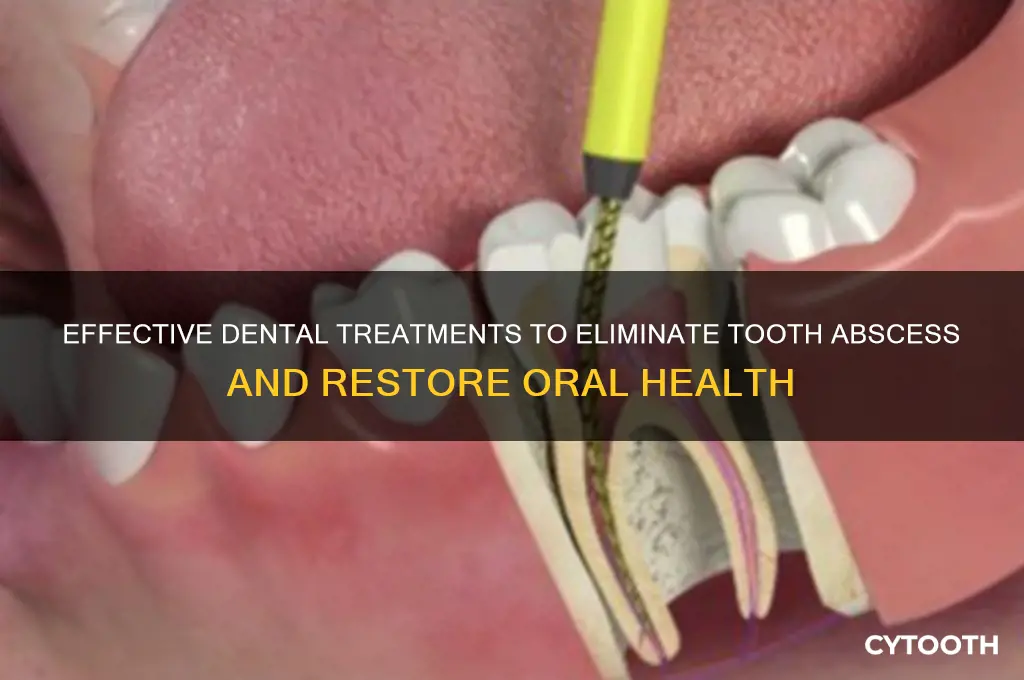
Dentists employ several methods to eliminate a tooth abscess, a painful infection at the root of a tooth or between the gum and a tooth. The primary goal is to drain the pus, eliminate the infection, and prevent further complications. Treatment typically begins with a thorough examination, including X-rays, to determine the extent of the infection. The dentist may then perform a root canal procedure to remove infected pulp and clean the inside of the tooth, followed by sealing and capping it to prevent reinfection. In some cases, a small incision may be made in the gum to drain the abscess directly. Antibiotics are often prescribed to combat the infection, especially if it has spread beyond the affected area. Additionally, the dentist may recommend pain management strategies and advise on proper oral hygiene practices to prevent future abscesses. Early intervention is crucial to avoid more serious health issues, such as the spread of infection to other parts of the body.
| Characteristics | Values |
|---|---|
| Drainage of Abscess | Dentists perform incision and drainage to remove pus and relieve pressure. |
| Antibiotic Prescription | Prescribe antibiotics to control infection, especially if it has spread. |
| Root Canal Therapy | Remove infected pulp, clean the canal, and seal it to save the tooth. |
| Tooth Extraction | Extract the tooth if it is severely damaged or untreatable. |
| Pain Management | Provide pain relief through medications or local anesthesia during procedures. |
| Cleaning and Disinfection | Thoroughly clean the affected area to remove bacteria and debris. |
| X-rays and Diagnosis | Use X-rays to assess the extent of infection and plan treatment. |
| Follow-Up Care | Schedule follow-up visits to monitor healing and prevent recurrence. |
| Oral Hygiene Guidance | Educate patients on proper oral hygiene to prevent future abscesses. |
| Temporary Dressing | Apply temporary dressings or medications to the affected area post-procedure. |
| Referral to Specialist | Refer to an endodontist or oral surgeon for complex cases. |
What You'll Learn
- Drainage Procedure: Dentists incision and drain pus to relieve pressure and remove infection
- Antibiotic Therapy: Prescribe antibiotics to control bacterial spread and prevent further complications
- Root Canal Treatment: Remove infected pulp, clean, and seal the tooth to save it
- Tooth Extraction: Extract severely damaged or non-restorable teeth to eliminate infection source
- Pain Management: Provide analgesics or numbing agents to alleviate discomfort during and after treatment

Drainage Procedure: Dentists incision and drain pus to relieve pressure and remove infection
A tooth abscess is a painful condition caused by a bacterial infection, often leading to a buildup of pus within the tooth or surrounding tissues. One of the most immediate and effective ways dentists address this issue is through a drainage procedure. This involves making a small incision to release the accumulated pus, thereby relieving pressure and eliminating the source of infection. The process is straightforward but requires precision and expertise to ensure it is done safely and effectively.
The drainage procedure begins with a thorough examination, often aided by X-rays, to determine the exact location and extent of the abscess. Once identified, the dentist administers a local anesthetic to numb the area, ensuring the patient remains comfortable throughout the process. Using a sterile scalpel, the dentist makes a small incision directly over the abscess, allowing the pus to drain freely. This immediate release not only alleviates pain but also reduces swelling and prevents further spread of the infection. The area is then thoroughly cleaned with an antiseptic solution to minimize the risk of recurrence.
While the procedure itself is relatively quick, typically taking less than 30 minutes, its impact is significant. Patients often experience immediate relief from the intense pain associated with an abscess. However, drainage is not a standalone cure. Dentists usually prescribe a course of antibiotics, such as amoxicillin (500 mg every 8 hours for adults) or clindamycin (300 mg every 6 hours for those allergic to penicillin), to combat any remaining bacteria. Pain management is also addressed with medications like ibuprofen (600 mg every 6 hours) or acetaminophen (1000 mg every 6 hours), depending on the patient’s needs.
It’s important to note that while drainage provides rapid symptom relief, it is often a preliminary step. The underlying cause of the abscess, such as tooth decay or gum disease, must be addressed to prevent future infections. Dentists may recommend follow-up treatments like root canal therapy, tooth extraction, or periodontal care. Patients are advised to maintain good oral hygiene, including regular brushing, flossing, and dental check-ups, to reduce the risk of recurrence. For those with recurring abscesses, a consultation with an endodontist or periodontist may be necessary to explore more specialized solutions.
In summary, the drainage procedure is a critical intervention for managing tooth abscesses, offering immediate relief and halting the progression of infection. While it is a relatively simple process, it requires professional execution and is often part of a broader treatment plan. Patients should follow their dentist’s post-procedure instructions carefully, including completing any prescribed medications and attending follow-up appointments, to ensure a full recovery and prevent future complications.
DIY Remedies for Cracked Tooth Abscess Relief at Home
You may want to see also
Antibiotic Therapy: Prescribe antibiotics to control bacterial spread and prevent further complications
Antibiotics play a pivotal role in managing tooth abscesses by targeting the bacterial infection at its core. When a tooth abscess forms, bacteria multiply within the confined space, leading to swelling, pain, and potential systemic spread. Dentists often prescribe antibiotics like amoxicillin (500 mg every 8 hours for adults) or clindamycin (300 mg every 6 hours for those allergic to penicillin) to halt bacterial proliferation. These medications penetrate infected tissues, reducing the bacterial load and preventing the infection from worsening. However, antibiotics alone cannot resolve the abscess; they are a temporary measure to control the infection until definitive treatment, such as drainage or root canal therapy, can be performed.
The decision to prescribe antibiotics is not arbitrary but based on specific clinical criteria. Dentists assess factors like the presence of fever, swelling extending beyond the local area, or signs of systemic involvement (e.g., elevated white blood cell count). For immunocompromised patients or those with severe infections, antibiotics are often non-negotiable. It’s crucial to complete the full course of antibiotics as prescribed, even if symptoms improve quickly, to avoid antibiotic resistance and recurrence of the infection. Patients should also be aware of potential side effects, such as gastrointestinal upset or allergic reactions, and report them immediately.
Comparing antibiotic therapy to other treatments highlights its limitations and strengths. Unlike incision and drainage, which provide immediate relief by removing pus, antibiotics act systemically and take time to show effects. They are particularly useful in cases where drainage is not immediately feasible or when the infection has spread beyond the tooth. However, overuse of antibiotics can disrupt the oral microbiome, potentially leading to secondary infections like thrush. Dentists must balance the benefits of antibiotics with the risks, often reserving them for cases where the infection poses a significant threat to the patient’s health.
Practical tips for patients undergoing antibiotic therapy include taking the medication with food to minimize stomach irritation and avoiding alcohol, which can interfere with the drug’s effectiveness. For children, liquid formulations or chewable tablets may be prescribed, with dosages adjusted based on weight (e.g., 20–40 mg/kg/day of amoxicillin). Patients should also maintain oral hygiene to support the antibiotics’ action, though aggressive brushing or flossing near the abscessed tooth should be avoided to prevent further irritation. Ultimately, antibiotics are a critical tool in the dentist’s arsenal, but they are just one part of a comprehensive treatment plan for eliminating a tooth abscess.
Treating Abscessed Teeth: Dentists' Role in Diagnosis and Relief
You may want to see also
Root Canal Treatment: Remove infected pulp, clean, and seal the tooth to save it
A tooth abscess is a painful infection at the root of a tooth, often caused by untreated decay or trauma. Left unchecked, it can lead to serious complications, including bone loss and systemic infection. Root canal treatment is a highly effective solution, offering a way to eliminate the infection while preserving the natural tooth. This procedure involves removing the infected pulp, cleaning and disinfecting the interior of the tooth, and sealing it to prevent future infection. By addressing the root cause of the abscess, root canal treatment not only alleviates pain but also saves the tooth from extraction, maintaining the integrity of the patient’s bite and smile.
The process begins with a thorough examination, often including X-rays, to assess the extent of the infection. Once diagnosed, the dentist administers local anesthesia to ensure the patient remains comfortable throughout the procedure. Using specialized instruments, the dentist accesses the pulp chamber, carefully removing the infected tissue and debris. This step is critical, as it eliminates the source of the abscess and prevents further spread of bacteria. The canals are then meticulously cleaned and shaped to prepare them for filling. Irrigation solutions, such as sodium hypochlorite, are used to disinfect the area, ensuring all bacteria are eradicated.
After cleaning, the canals are filled with a biocompatible material called gutta-percha, which seals the space and prevents recontamination. In some cases, a medicated cement may be used to enhance the antimicrobial effect. The final step involves restoring the tooth’s structure, often with a dental crown, to protect it from future damage and restore its function. This comprehensive approach not only eliminates the abscess but also strengthens the tooth, allowing it to function normally for years to come.
While root canal treatment is highly successful, patient compliance plays a crucial role in its outcome. Post-procedure care is essential, including avoiding hard or chewy foods for a few days and maintaining good oral hygiene. Regular follow-ups with the dentist ensure the tooth remains healthy and free from infection. Contrary to common misconceptions, modern root canal procedures are no more uncomfortable than a routine filling, thanks to advancements in anesthesia and techniques. For those concerned about cost, it’s important to note that saving a natural tooth through root canal treatment is often more cost-effective in the long run than extraction and replacement options like implants or bridges.
In summary, root canal treatment is a precise and effective method to eliminate a tooth abscess while preserving the natural tooth. By removing infected pulp, thoroughly cleaning the canals, and sealing the tooth, dentists can halt the infection and restore oral health. This procedure not only provides immediate relief from pain but also offers a long-term solution, ensuring the tooth remains functional and aesthetically pleasing. With proper care, a tooth treated with a root canal can last a lifetime, making it a valuable investment in one’s oral and overall health.
Tooth Extraction: Extract severely damaged or non-restorable teeth to eliminate infection source
A tooth abscess is a painful infection at the root of a tooth or between the gum and a tooth, often caused by severe decay, trauma, or gum disease. When the infection becomes untreatable through root canals, antibiotics, or other conservative methods, tooth extraction emerges as a critical intervention. This procedure involves removing the entire tooth, including the root, to eliminate the source of infection and prevent further complications such as bone loss or systemic health issues. While extraction is a last resort, it is sometimes the most effective way to restore oral health and alleviate pain.
The process of extracting a severely damaged or non-restorable tooth begins with a thorough examination, often including X-rays, to assess the extent of the damage and infection. Local anesthesia is administered to numb the area, ensuring the patient remains comfortable during the procedure. Using specialized instruments, the dentist carefully loosens the tooth from its socket and removes it. In cases of extensive decay or fracture, the extraction may require surgical techniques to access and remove the tooth safely. Post-extraction, the socket is cleaned to remove any remaining infected tissue, and the wound is often sutured to promote healing.
One of the key advantages of tooth extraction in treating abscesses is its immediacy in resolving infection. Unlike root canals or antibiotics, which may take time to work or fail in severe cases, extraction provides instant relief by removing the infected tooth entirely. This is particularly crucial for patients with compromised immune systems, diabetes, or other conditions that increase the risk of infection spreading. However, extraction is not without drawbacks. It creates a gap in the dental arch, which can lead to shifting teeth, bite misalignment, or difficulty chewing if not addressed with a replacement option like a bridge or implant.
Patients undergoing tooth extraction for an abscess should follow specific aftercare instructions to ensure proper healing. These include avoiding strenuous activity for 24–48 hours, refraining from smoking or using straws (which can dislodge blood clots), and rinsing gently with warm salt water after meals. Pain management typically involves over-the-counter medications like ibuprofen, though dentists may prescribe stronger analgesics if needed. A soft diet is recommended for the first few days, gradually reintroducing harder foods as the extraction site heals. Regular follow-up appointments are essential to monitor healing and discuss tooth replacement options.
While tooth extraction is a straightforward solution for eliminating the source of an abscess, it is not a decision made lightly. Dentists always consider the long-term implications for the patient’s oral health and aesthetics. For instance, younger patients or those with strategic tooth loss may benefit from implants, while others might opt for partial dentures or bridges. The goal is not just to remove the infection but to restore function and appearance, ensuring the patient’s quality of life is maintained. In this way, extraction serves as both a treatment and a stepping stone to comprehensive dental care.
Pain Management: Provide analgesics or numbing agents to alleviate discomfort during and after treatment
Effective pain management is a cornerstone of treating tooth abscesses, ensuring patient comfort during invasive procedures and promoting adherence to post-treatment care. Dentists employ a combination of analgesics and numbing agents tailored to the severity of the abscess and the patient’s pain threshold. Local anesthetics, such as lidocaine or articaine, are administered via injection to numb the affected area before drainage or root canal therapy. These agents block nerve signals, providing immediate relief during treatment. For instance, a 2% lidocaine solution with 1:100,000 epinephrine is commonly used for its vasoconstrictive properties, which prolong the numbing effect and minimize bleeding.
Post-treatment pain management is equally critical, as discomfort can persist for days after drainage or surgical intervention. Dentists often prescribe nonsteroidal anti-inflammatory drugs (NSAIDs) like ibuprofen (400–600 mg every 6 hours) or acetaminophen (500–1000 mg every 4–6 hours) to reduce inflammation and alleviate pain. For severe cases, opioids such as hydrocodone or oxycodone may be prescribed, but these are reserved for short-term use due to their potential for dependency. Patients are advised to take medications as directed, avoiding alcohol and activities that exacerbate pain, such as chewing on the affected side.
Children and elderly patients require special consideration in pain management. Pediatric doses of analgesics are weight-based, with ibuprofen typically given at 10 mg/kg every 6–8 hours. Topical numbing agents, like benzocaine gels, can be used for milder discomfort, though caution is advised due to the risk of methemoglobinemia in children under 2. Elderly patients, particularly those with comorbidities, may benefit from lower doses of NSAIDs to avoid gastrointestinal or renal complications. Dentists often recommend alternating acetaminophen and ibuprofen for synergistic pain relief in this demographic.
Practical tips enhance the efficacy of pain management strategies. Applying a cold compress to the cheek for 20 minutes at a time reduces swelling and numbs the area naturally. Patients should avoid hot foods and beverages, which can increase blood flow to the site and intensify pain. Soft, lukewarm meals are recommended to minimize pressure on the treated tooth. Finally, maintaining oral hygiene with gentle saltwater rinses aids healing and prevents infection recurrence, indirectly reducing pain. By combining pharmacological and non-pharmacological approaches, dentists ensure comprehensive pain relief throughout the abscess treatment process.
Frequently asked questions
A tooth abscess is a bacterial infection causing a pocket of pus in the tooth or gums. Dentists typically treat it by draining the abscess, performing a root canal to remove infected tissue, or extracting the tooth if necessary, followed by antibiotics to clear the infection.
In some cases, yes. Dentists may prescribe antibiotics to control the infection and perform a root canal to clean and seal the infected tooth, avoiding extraction. However, drainage or surgical intervention may still be needed for severe cases.
Dentists drain a tooth abscess by making a small incision in the gum or tooth to allow the pus to escape. This procedure is often done under local anesthesia to minimize discomfort, followed by cleaning the area to prevent further infection.
Dentists address the underlying cause, such as decay or gum disease, by performing procedures like fillings, root canals, or deep cleanings. They also emphasize good oral hygiene practices and regular dental check-ups to prevent future infections.