Matthew Grant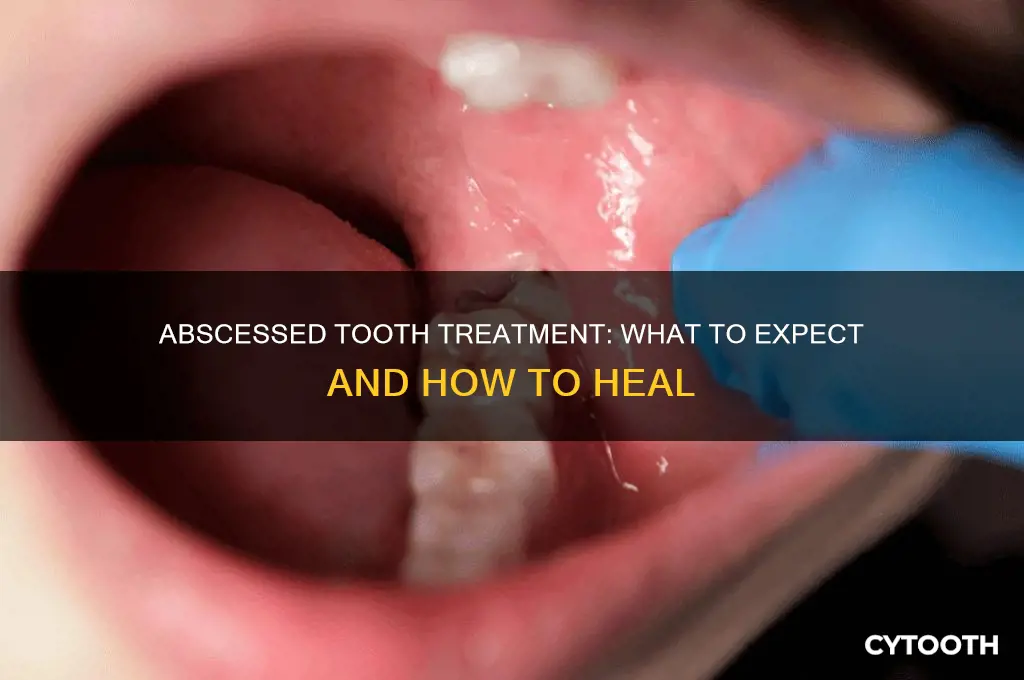
An abscessed tooth is a painful condition caused by a bacterial infection that leads to the accumulation of pus in the gums or around the tooth root. When seeking treatment, dental professionals typically prescribe a combination of antibiotics to combat the infection and reduce swelling. Pain management is also crucial, so over-the-counter or prescription pain relievers may be recommended. In some cases, a dentist might perform a drainage procedure to remove the abscess, followed by a root canal to save the tooth or an extraction if the tooth is severely damaged. Additionally, warm salt water rinses and proper oral hygiene can help alleviate symptoms and prevent further complications. Early intervention is key to avoiding more serious health issues, so consulting a dentist promptly is essential.
| Characteristics | Values |
|---|---|
| Antibiotics | Prescribed if infection has spread (e.g., amoxicillin, clindamycin, metronidazole) |
| Pain Relief | Over-the-counter painkillers (e.g., ibuprofen, acetaminophen) or prescription opioids (e.g., hydrocodone) |
| Drainage | Incision and drainage to remove pus and relieve pressure |
| Root Canal Therapy | Performed to remove infected pulp and save the tooth |
| Tooth Extraction | Recommended if the tooth is severely damaged and cannot be saved |
| Warm Saltwater Rinses | Home remedy to reduce pain and draw out pus |
| Topical Anesthetics | Gels or ointments (e.g., benzocaine) for temporary pain relief |
| Corticosteroids | Prescribed in severe cases to reduce facial swelling and inflammation |
| Follow-Up Care | Regular dental check-ups to monitor healing and prevent recurrence |
| Oral Hygiene Instructions | Guidance on proper brushing, flossing, and mouthwash use to prevent future infections |
What You'll Learn

Antibiotics to fight infection
Antibiotics are a cornerstone in managing abscessed teeth, targeting the bacterial infection at its core. When a tooth abscess forms, bacteria multiply within the confined space, leading to swelling, pain, and potential systemic complications. Prescribing antibiotics is often the first line of defense, but their use is not universal. Dentists evaluate the severity of the infection, the patient’s overall health, and the risk of spreading before deciding on a course of action. Common antibiotics include amoxicillin, clindamycin, or metronidazole, chosen based on the suspected bacteria and the patient’s medical history.
For adults, amoxicillin is frequently prescribed at a dosage of 500 mg every 8 hours for 7–10 days. If the patient is allergic to penicillin, clindamycin (300 mg every 6 hours) or metronidazole (500 mg every 8 hours) may be alternatives. Children’s dosages are weight-based, typically ranging from 20–50 mg/kg/day of amoxicillin, divided into doses every 8–12 hours. It’s crucial to complete the full course of antibiotics, even if symptoms improve, to prevent antibiotic resistance and recurrence of the infection.
While antibiotics combat the infection, they do not address the underlying dental issue. A tooth abscess often requires drainage or a root canal to remove the source of infection. Relying solely on antibiotics without dental intervention can lead to persistent or worsening symptoms. Patients should schedule a follow-up appointment with a dentist within 24–48 hours of starting antibiotics to ensure proper treatment planning.
Practical tips for managing an abscessed tooth alongside antibiotics include maintaining oral hygiene, rinsing with warm salt water to reduce inflammation, and avoiding hot or cold foods that may exacerbate pain. Over-the-counter pain relievers like ibuprofen can help manage discomfort, but they should not replace professional care. Always inform your dentist or doctor of any allergies, existing medications, or medical conditions to ensure safe and effective antibiotic use.
In summary, antibiotics play a vital role in fighting the infection associated with an abscessed tooth, but they are not a standalone solution. Proper dosage, adherence to the full course, and concurrent dental treatment are essential for effective management. By combining antibiotics with professional dental care, patients can alleviate symptoms, prevent complications, and restore oral health.
Effective Treatments for Tooth Abscess: What Dentists Do to Relieve Pain
You may want to see also
Pain relief medications prescribed
Antibiotics often take center stage in treating abscessed teeth, but pain relief is equally crucial. Dentists typically prescribe medications to manage the intense discomfort while addressing the underlying infection. The choice of pain reliever depends on the severity of pain, patient factors, and potential interactions with other medications.
Nonsteroidal anti-inflammatory drugs (NSAIDs) like ibuprofen (Motrin, Advil) are frequently the first line of defense. These medications reduce inflammation and pain by inhibiting prostaglandin production. A typical adult dose is 400-600 mg every 6-8 hours, not exceeding 2400 mg daily. It's important to take NSAIDs with food to minimize stomach irritation. For those unable to take NSAIDs due to allergies or kidney issues, acetaminophen (Tylenol) is a viable alternative. The recommended dose is 650-1000 mg every 4-6 hours, up to 3000 mg per day.
In cases of severe pain, dentists may prescribe opioids like hydrocodone or oxycodone. These powerful medications bind to opioid receptors in the brain, altering pain perception. However, their use is carefully considered due to the risk of addiction and side effects like nausea, constipation, and drowsiness. Opioids are typically prescribed for short durations, often 3-5 days, and should be taken exactly as directed. Patients must avoid alcohol and driving while under the influence of these medications.
For localized pain relief, topical anesthetics like benzocaine (Orajel) can be applied directly to the affected area. These numbing agents provide temporary relief but should be used sparingly, as excessive application can lead to tissue irritation or allergic reactions. It's essential to follow the product instructions and consult a dentist if symptoms persist.
Combining pain relief strategies can enhance effectiveness. For instance, alternating ibuprofen and acetaminophen every 3-4 hours can provide more consistent pain control than either medication alone. However, this approach should be discussed with a healthcare provider to ensure safety and avoid exceeding recommended dosages.
Ultimately, pain relief medications are a critical component of managing an abscessed tooth, but they are not a cure. Prompt dental treatment, including drainage of the abscess and addressing the underlying cause, is essential for long-term resolution. Patients should communicate openly with their dentist about pain levels and medication effectiveness to ensure optimal care.
Tooth Abscess Treatment: Immediate Steps and When to See a Dentist
You may want to see also
Drainage procedure for pus removal
A dental abscess is a pocket of pus that forms in the mouth as a result of a bacterial infection. When left untreated, the infection can spread, causing severe pain, swelling, and potential systemic complications. One of the most immediate and effective treatments for an abscessed tooth is the drainage procedure for pus removal. This intervention not only provides rapid relief from pain but also prevents the infection from worsening.
Steps Involved in the Drainage Procedure
The drainage procedure begins with a thorough examination by a dentist or oral surgeon to confirm the presence and location of the abscess. Local anesthesia is administered to numb the affected area, ensuring patient comfort during the process. Using a sterile scalpel or incision tool, a small cut is made into the abscess to allow the pus to drain. The area is then irrigated with saline solution to remove debris and reduce bacterial load. In some cases, a small rubber drain may be placed to facilitate continuous drainage. The entire procedure typically takes 15–30 minutes, depending on the complexity of the abscess.
Cautions and Considerations
While drainage is highly effective, it is not without risks. Patients with compromised immune systems, such as those with diabetes or HIV, may require additional precautions to prevent complications. Allergic reactions to local anesthetics, though rare, are possible and should be discussed with the dentist beforehand. After the procedure, patients must follow post-operative care instructions, including avoiding hot foods, strenuous activity, and maintaining oral hygiene to prevent reinfection. Antibiotics may be prescribed if the infection has spread beyond the localized area.
Comparative Analysis: Drainage vs. Other Treatments
Compared to alternatives like root canal therapy or tooth extraction, drainage is often the first-line treatment for acute abscesses due to its immediacy and minimally invasive nature. While root canals address the underlying cause by removing infected pulp, they are time-consuming and may require multiple visits. Extraction, though definitive, results in tooth loss and necessitates replacement options like implants or bridges. Drainage, however, provides quick symptom relief and buys time for further treatment planning. It is particularly advantageous for patients seeking immediate pain management without committing to extensive dental work.
Practical Tips for Patients
After undergoing drainage, patients should rinse their mouths gently with warm saltwater (1/2 teaspoon of salt in 8 ounces of water) every 2–3 hours to keep the area clean. Over-the-counter pain relievers like ibuprofen (600–800 mg every 6–8 hours) can help manage residual discomfort. Avoid smoking or consuming alcohol for at least 48 hours, as these can delay healing and increase infection risk. Follow-up appointments are crucial to monitor healing and determine if additional treatments, such as root canal therapy, are necessary. With proper care, most patients experience significant improvement within 24–48 hours of the drainage procedure.
Tooth Abscess Popped? Immediate Steps to Take for Relief and Recovery
You may want to see also
Root canal therapy option
Root canal therapy is a definitive treatment for an abscessed tooth, addressing the infection at its source by removing the damaged pulp and sealing the tooth to prevent further issues. Unlike temporary solutions like antibiotics or pain relievers, this procedure eliminates the need for extraction, preserving the natural tooth structure. It’s a multi-step process typically completed in one or two visits, depending on the severity of the infection and the patient’s response to treatment.
The first step involves administering local anesthesia to ensure the patient remains comfortable throughout the procedure. Once the area is numb, the dentist creates a small opening in the crown of the tooth to access the pulp chamber. Using specialized instruments, the infected pulp, bacteria, and related debris are meticulously removed. This step is critical, as it directly targets the source of the abscess, providing immediate relief from pain and pressure. The canals are then shaped and cleaned to prepare them for filling.
After cleaning, the canals are filled with a biocompatible material called gutta-percha, which seals the space and prevents reinfection. In some cases, a temporary filling is placed to protect the tooth between visits. Once the tooth is fully sealed, a permanent crown is often recommended to restore its strength and functionality. This final step is crucial, as a tooth without its pulp can become brittle over time, making it susceptible to fractures.
While root canal therapy has a success rate of over 95%, proper aftercare is essential to ensure long-term results. Patients should avoid chewing on the treated tooth until the final restoration is complete. Over-the-counter pain relievers like ibuprofen (400–600 mg every 6 hours) can manage post-procedure discomfort, though severe pain should be reported to the dentist immediately. Maintaining good oral hygiene and attending regular follow-up appointments are key to preserving the treated tooth and preventing future abscesses.
For those hesitant about the procedure, it’s important to weigh the alternatives. Extraction may seem simpler, but it leads to additional costs and complications, such as the need for dental implants or bridges. Root canal therapy, on the other hand, is a cost-effective, minimally invasive solution that saves the natural tooth, maintaining proper chewing function and preventing adjacent teeth from shifting. With modern techniques and anesthesia, the procedure is no more uncomfortable than getting a filling, making it a practical and preferred choice for treating an abscessed tooth.
Tooth Abscess Burst: Immediate Steps and Emergency Care Guide
You may want to see also
Tooth extraction if necessary
In severe cases of an abscessed tooth, extraction may be the only viable solution to prevent further complications. This decision is typically made when the infection has caused irreversible damage to the tooth's structure, or when the risk of systemic infection outweighs the benefits of preserving the tooth. Dentists consider factors such as the tooth's strategic location, the patient's overall health, and the potential for successful root canal treatment before recommending extraction. For instance, a molar with extensive decay and a large abscess might require removal if the infection has spread to the surrounding bone, making it impossible to save the tooth.
The extraction process begins with a thorough examination, often involving X-rays to assess the extent of the damage. Local anesthesia is administered to numb the area, ensuring the procedure is as painless as possible. For patients with severe anxiety or complex cases, sedation options like nitrous oxide or intravenous sedation may be offered. Post-extraction, patients are typically prescribed antibiotics to clear any remaining infection and pain relievers such as ibuprofen (600–800 mg every 6–8 hours) or acetaminophen (500–1000 mg every 4–6 hours) to manage discomfort. It’s crucial to follow the dentist’s aftercare instructions, including avoiding strenuous activity for 24–48 hours and rinsing gently with warm salt water to promote healing.
Comparing extraction to other treatments, such as root canal therapy, highlights its role as a last resort. While root canals aim to save the tooth by removing infected pulp and sealing the canal, extraction eliminates the source of infection entirely. However, extraction comes with its own set of considerations, such as the need for a dental implant or bridge to replace the missing tooth and prevent shifting of adjacent teeth. For example, a study published in the *Journal of Oral and Maxillofacial Surgery* found that patients who underwent extraction without subsequent tooth replacement experienced a 20% increase in bite misalignment within five years.
Practical tips for those facing a potential extraction include scheduling the procedure promptly to avoid worsening symptoms and preparing for a soft-food diet during recovery. Patients should also arrange for transportation home, as the effects of anesthesia can impair coordination. For children or elderly patients, caregivers should monitor for signs of excessive bleeding or infection, such as fever or persistent pain, and contact the dentist immediately if these occur. While tooth extraction is a significant decision, it can provide relief from severe pain and prevent the spread of infection, making it a necessary intervention in certain cases.
Treating Abscessed Teeth: Dentists' Role in Diagnosis and Relief
You may want to see also
Frequently asked questions
Antibiotics are commonly prescribed to treat the infection, along with pain relievers to manage discomfort.
Yes, draining the abscess is often necessary to remove pus and relieve pressure, which is done by making a small incision or performing a root canal.
In mild cases, drainage alone may suffice, but antibiotics are usually recommended to prevent the infection from spreading.
Over-the-counter pain relievers like ibuprofen or acetaminophen can help, but a dentist may prescribe stronger medication if needed.