Olivia Bennett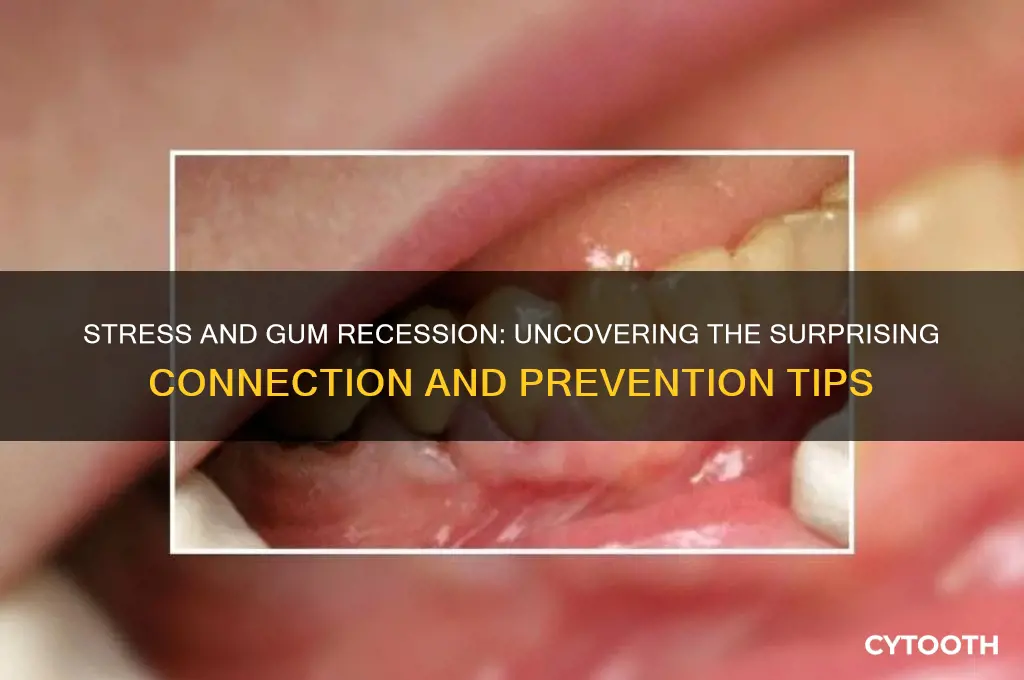
Stress is increasingly recognized as a contributing factor to various health issues, including oral health problems such as gum recession. While gum recession is primarily associated with factors like poor oral hygiene, periodontal disease, and aggressive tooth brushing, emerging research suggests that chronic stress may exacerbate these conditions. Stress can weaken the immune system, making it harder for the body to fight off infections, including those affecting the gums. Additionally, stress-related habits, such as teeth grinding (bruxism) or neglecting oral care routines, can further accelerate gum recession. Understanding the potential link between stress and gum recession highlights the importance of managing stress alongside maintaining good oral hygiene to preserve gum health and overall well-being.
| Characteristics | Values |
|---|---|
| Direct Causation | Stress does not directly cause gum recession, but it can exacerbate existing conditions. |
| Indirect Effects | Stress weakens the immune system, making gums more susceptible to bacterial infections like gingivitis, which can lead to recession. |
| Bruxism (Teeth Grinding) | Stress often leads to teeth clenching or grinding, which can cause gum inflammation and recession over time. |
| Poor Oral Hygiene | Stress may lead to neglect of oral care routines, increasing the risk of gum disease and recession. |
| Hormonal Changes | Stress-induced hormonal fluctuations can affect gum health, potentially contributing to recession. |
| Inflammatory Response | Chronic stress increases inflammation in the body, which can negatively impact gum tissue. |
| Lifestyle Factors | Stress may lead to unhealthy habits like smoking or poor diet, both of which are risk factors for gum recession. |
| Existing Gum Disease | Stress can worsen symptoms of existing gum diseases (e.g., periodontitis), accelerating recession. |
| Saliva Production | Stress reduces saliva production, decreasing natural protection against bacteria and increasing recession risk. |
| Psychological Impact | Stress-related anxiety or depression may reduce motivation for proper oral care, indirectly contributing to recession. |
What You'll Learn

Stress weakens immune response, increasing gum disease risk
Stress doesn't just fray your nerves; it undermines your body's defense system. When stressed, the body releases cortisol, a hormone that, in excess, suppresses immune function. This suppression reduces the body's ability to fight off infections, including those in the mouth. Gum disease, or periodontal disease, thrives in such conditions, as harmful bacteria multiply unchecked, leading to inflammation and tissue damage.
Consider this: a study published in the *Journal of Periodontology* found that individuals with high stress levels were more likely to have severe gum disease, even when controlling for oral hygiene habits. The link is clear—stress weakens the immune response, creating an environment where gum disease can flourish. For instance, a 35-year-old professional experiencing chronic work stress might notice bleeding gums or increased sensitivity, symptoms often overlooked but indicative of a compromised immune system.
To mitigate this risk, incorporate stress-reducing practices into your daily routine. Mindfulness meditation, for example, has been shown to lower cortisol levels. Aim for 10–15 minutes daily, focusing on deep breathing and present-moment awareness. Additionally, regular exercise, such as a 30-minute brisk walk, can reduce stress hormones while boosting immune function. Pair these practices with a balanced diet rich in vitamin C and antioxidants, which support gum health and immune strength.
However, beware of relying solely on quick fixes like caffeine or sugar to combat stress, as these can exacerbate inflammation and harm oral health. Instead, prioritize sleep—7–9 hours per night—as inadequate rest further weakens immunity. For those in high-stress environments, consider consulting a healthcare provider for tailored stress management strategies, such as cognitive-behavioral therapy or adaptogenic supplements like ashwagandha, which has been shown to reduce cortisol levels by up to 30% in clinical trials.
In conclusion, stress’s impact on immune function is a critical yet often overlooked factor in gum disease risk. By addressing stress through proven methods and maintaining vigilant oral care, you can protect both your mental well-being and your gums. Remember, a healthy immune system is your first line of defense—don’t let stress compromise it.
Invisalign and Gum Health: Does Clear Aligners Cause Recession?
You may want to see also
Cortisol levels rise, affecting oral health negatively
Chronic stress triggers a cascade of hormonal changes, notably the release of cortisol, often dubbed the "stress hormone." While cortisol plays a vital role in regulating blood pressure, metabolism, and immune response, its prolonged elevation can wreak havoc on the body, including oral health. Cortisol's impact on the gums is particularly concerning, as it weakens the body's ability to fight off bacterial infections and slows down tissue repair. This creates a fertile ground for gum disease, a leading cause of gum recession.
Imagine your gums as a protective fortress surrounding your teeth. Cortisol, in excess, acts like a traitor within the walls, weakening the defenses and allowing bacterial invaders to breach the barrier.
The link between cortisol and gum recession isn't merely theoretical. Studies have shown a strong correlation between high cortisol levels and increased severity of gum disease, including gingivitis and periodontitis. Individuals with chronically elevated cortisol, often due to prolonged stress, are more susceptible to gum inflammation, bleeding, and eventual recession. This recession exposes the tooth's root, leading to sensitivity, increased risk of decay, and even tooth loss.
Think of it as a domino effect: stress -> elevated cortisol -> weakened immune response -> gum inflammation -> gum recession -> compromised oral health.
Combating the negative effects of cortisol on oral health requires a multi-pronged approach. Firstly, addressing the root cause of stress through techniques like meditation, exercise, and therapy is crucial. Secondly, maintaining impeccable oral hygiene practices, including twice-daily brushing, flossing, and regular dental checkups, becomes even more critical for individuals under chronic stress. Finally, incorporating stress-reducing dietary choices, such as limiting sugary and acidic foods and increasing intake of vitamin C-rich fruits and vegetables, can help bolster the body's natural defenses against the damaging effects of cortisol.
While completely eliminating stress may be unrealistic, understanding the connection between cortisol and gum recession empowers individuals to take proactive steps to mitigate its impact. By managing stress levels, prioritizing oral hygiene, and adopting a gum-friendly diet, individuals can build resilience against the detrimental effects of cortisol and safeguard their oral health for years to come. Remember, a healthy smile is not just about aesthetics; it's a reflection of overall well-being, and managing stress plays a vital role in achieving both.
Gum Disease and Dry Mouth: Unraveling the Connection and Solutions
You may want to see also
Stress-induced habits like teeth grinding worsen recession
Stress doesn’t directly erode gums, but it orchestrates a symphony of habits that accelerate recession. Chief among these is bruxism—teeth grinding or clenching, often unconscious, exacerbated during sleep or high-tension moments. The repetitive force exerted on teeth stretches the periodontal ligament, gradually loosening the gum tissue’s grip on the tooth root. Over time, this mechanical stress exposes more root surface, leaving it vulnerable to bacterial invasion and recession. Studies show that 8% of adults grind their teeth nightly, with stress being a primary trigger, making bruxism a silent but potent contributor to gum deterioration.
Consider the anatomy of damage: enamel covers the crown of the tooth, but roots are protected only by a thin layer of cementum and gums. When bruxism persists, the alveolar bone supporting the teeth can resorb, further destabilizing the gumline. This isn’t just a cosmetic issue—exposed roots heighten sensitivity to hot, cold, and sweets, and create entry points for decay. For instance, a 2020 study in the *Journal of Periodontology* linked chronic bruxism to a 30% higher risk of gum recession in adults over 40. The takeaway? Addressing stress-induced grinding isn’t optional—it’s critical for preserving oral health.
To mitigate this, start with a nocturnal guard, a custom-fitted dental appliance worn during sleep to cushion teeth from grinding forces. While over-the-counter options exist, a dentist-prescribed guard ensures proper fit and effectiveness. Pair this with stress-reduction techniques: mindfulness meditation, progressive muscle relaxation, or even a warm Epsom salt bath before bed. For daytime clenching, set hourly reminders to check jaw tension—place a sticky note on your desk or use a phone alert. If stress feels unmanageable, cognitive-behavioral therapy (CBT) can help reframe triggers and reduce bruxism episodes by up to 50%, according to a 2018 study in *Behavioral Sleep Medicine*.
However, beware of quick fixes. Chewing gum to “release tension” can worsen bruxism by training jaw muscles to stay active. Similarly, alcohol before bed might relax you but increases grinding intensity during sleep. Instead, focus on consistency: wear your guard nightly, even if grinding seems less frequent, and track progress with a journal. Note stress levels, jaw soreness, and any gum sensitivity to identify patterns. For severe cases, Botox injections into the masseter muscle can temporarily paralyze overactive jaw muscles, reducing grinding force by 70%, though this requires professional assessment.
The ultimate goal is breaking the stress-grinding-recession cycle. While stress itself is inevitable, its physical manifestations are manageable. By combining dental interventions with lifestyle adjustments, you can protect gums from the unseen wear and tear of bruxism. Remember, recession is often irreversible, but progression is preventable—act before roots become ruins.
Anemia and Bleeding Gums: Uncovering the Surprising Connection and Risks
You may want to see also
Poor oral hygiene under stress accelerates gum issues
Stress doesn't directly erode gums, but it creates a perfect storm for neglect. When overwhelmed, brushing and flossing often fall by the wayside. A 2017 study in the *Journal of Periodontology* found a significant link between high stress levels and poor oral hygiene compliance. This neglect allows plaque to build up, hardening into tartar, which irritates gums and leads to gingivitis, the precursor to recession. Think of it as a domino effect: stress triggers neglect, neglect fuels plaque, plaque causes inflammation, and inflammation eats away at gum tissue.
Stress hormones like cortisol, while essential for fight-or-flight responses, can also suppress the immune system. This makes it harder for your body to fight off the bacteria causing gum disease. Imagine your gums as a fortress under siege. Stress weakens the guards (your immune system), allowing the enemy (bacteria) to breach the walls and cause damage.
Let's be practical. When stressed, prioritize a 2-minute brush twice daily, focusing on the gum line. Floss at least once, even if it's just a few teeth at a time. Keep travel-sized oral care kits handy for busy days. Consider a soft-bristled toothbrush to avoid further irritation. If stress is chronic, explore stress management techniques like meditation, exercise, or therapy. Remember, addressing the root cause of stress is crucial for long-term oral health.
Don't wait for pain to signal a problem. Bleeding gums, sensitivity, and receding gum lines are red flags. Regular dental checkups are essential, especially during stressful periods. Dentists can detect early signs of gum disease and provide professional cleaning to remove stubborn tartar. Think of these visits as preventative maintenance for your oral health, just like servicing your car to avoid breakdowns.
Flossing and Gum Recession: Separating Fact from Fiction
You may want to see also
Stress reduces blood flow, impairing gum tissue repair
Stress triggers the body's fight-or-flight response, releasing cortisol and adrenaline. While these hormones are essential for short-term survival, chronic stress prolongs their presence, leading to vasoconstriction—the narrowing of blood vessels. This reduction in blood flow limits the delivery of oxygen and nutrients to tissues, including the gums. Without adequate nourishment, gum tissue becomes more susceptible to damage and slower to heal, setting the stage for recession.
Consider the gums as a garden that requires consistent watering and sunlight to thrive. Stress acts like a drought, depriving the garden of essential resources. Over time, plants wither and die, much like gum tissue weakens and recedes. Studies show that individuals with high-stress levels often exhibit poorer periodontal health, even when oral hygiene practices remain consistent. This isn’t merely coincidence; it’s a direct consequence of stress-induced vascular changes.
To mitigate this, incorporate stress-reduction techniques into your daily routine. Practices like mindfulness meditation, deep breathing exercises, or even 30 minutes of moderate exercise can lower cortisol levels and improve blood flow. For instance, a 2019 study found that participants who meditated for 10 minutes daily experienced a 15% reduction in stress markers, correlating with improved gum health. Pair these habits with a diet rich in antioxidants (think berries, leafy greens, and nuts) to support vascular health and tissue repair.
However, stress management alone isn’t a cure-all. Regular dental check-ups are crucial for early detection of gum recession. Dentists can recommend targeted treatments, such as scaling and root planing, to remove plaque buildup and stimulate healing. For severe cases, surgical interventions like gum grafting may be necessary. Remember, addressing stress is a proactive step, but professional care remains indispensable in preserving oral health.
Finally, monitor your body’s response to stress by tracking symptoms like fatigue, irritability, or changes in oral health. If you notice gum sensitivity or recession, consult a dentist promptly. Combining stress reduction, proper nutrition, and professional care creates a holistic approach to preventing and managing gum recession. After all, healthy gums are a reflection of a healthy body—and a stress-managed mind.
Smoking and Oral Health: Do Cigarettes Cause Gum Disease?
You may want to see also
Frequently asked questions
Stress itself does not directly cause gum recession, but it can contribute to behaviors and conditions that increase the risk, such as teeth grinding, poor oral hygiene, and weakened immune responses.
Stress-related teeth grinding (bruxism) can exert excessive force on the teeth and gums, leading to tissue damage and accelerated gum recession over time.
Yes, chronic stress weakens the immune system, making it harder for the body to fight off gum infections like gingivitis, which can progress to periodontitis and cause gum recession.
Stress can lead to neglect of oral hygiene routines, such as brushing and flossing, increasing plaque buildup and the risk of gum disease, which is a primary cause of gum recession.
Yes, managing stress through techniques like mindfulness, exercise, and adequate sleep can reduce harmful behaviors like teeth grinding and improve overall oral health, indirectly helping to prevent gum recession.