Ethan Brooks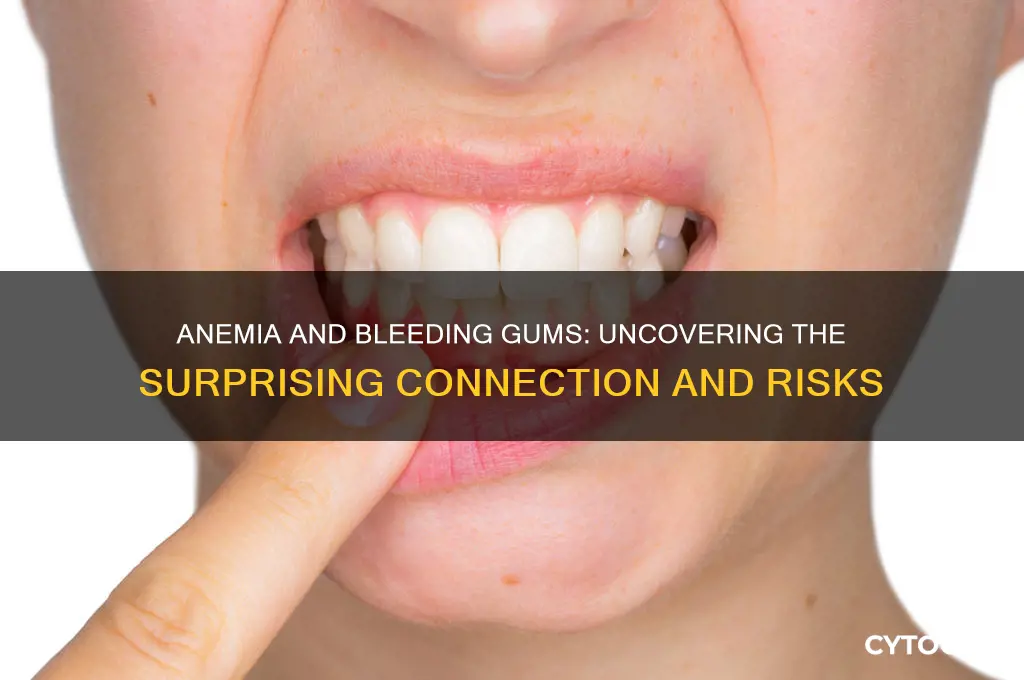
Anemia, a condition characterized by a deficiency in red blood cells or hemoglobin, is often associated with various symptoms, and one question that arises is whether it can cause bleeding gums. While anemia itself does not directly lead to gum bleeding, the underlying causes or complications of certain types of anemia might contribute to oral health issues. For instance, iron-deficiency anemia can sometimes result in a swollen and inflamed tongue, but its link to bleeding gums is not well-established. However, it is essential to consider that anemia can be a symptom of other health problems, such as vitamin deficiencies or chronic diseases, which could potentially impact oral health and gum bleeding. Understanding the relationship between anemia and oral symptoms requires exploring the specific type of anemia and its associated factors.
| Characteristics | Values |
|---|---|
| Direct Causation | Anemia itself does not directly cause bleeding gums. |
| Indirect Association | Certain types of anemia (e.g., iron deficiency anemia) can contribute to gum bleeding due to reduced oxygen delivery to tissues, including gums. |
| Underlying Mechanism | Iron deficiency weakens the immune system and reduces collagen production, making gums more susceptible to inflammation and bleeding. |
| Common Symptoms | Bleeding gums, pale skin, fatigue, weakness, and brittle nails in iron deficiency anemia. |
| Related Conditions | Gum bleeding is often linked to gingivitis, vitamin deficiencies (e.g., vitamin C, vitamin K), or other systemic conditions rather than anemia alone. |
| Diagnostic Approach | Bleeding gums in anemia patients should prompt evaluation for iron deficiency, vitamin deficiencies, or other underlying causes. |
| Treatment Focus | Addressing the underlying anemia (e.g., iron supplementation) and improving oral hygiene to manage gum bleeding. |
| Prevention | Maintaining a balanced diet rich in iron, vitamins, and minerals, along with regular dental care, can prevent both anemia and gum issues. |
| Medical Advice | Consult a healthcare provider for persistent bleeding gums, especially if accompanied by anemia symptoms. |
What You'll Learn

Anemia Types and Gum Health
Bleeding gums are often linked to poor oral hygiene, but they can also signal underlying health issues, including anemia. Anemia, a condition characterized by a deficiency of red blood cells or hemoglobin, manifests in various types, each with distinct causes and effects on the body. Understanding the relationship between anemia types and gum health is crucial for identifying and addressing this often-overlooked symptom.
Iron-Deficiency Anemia and Gum Health
Iron-deficiency anemia, the most common type, occurs when the body lacks sufficient iron to produce hemoglobin. This deficiency reduces oxygen delivery to tissues, including the gums, making them more susceptible to inflammation and bleeding. Studies show that individuals with iron- deficiency anemia often experience gingivitis, a condition marked by red, swollen, and bleeding gums. To mitigate this, adults should aim for a daily iron intake of 8–18 mg, depending on age and sex. Pairing iron-rich foods (e.g., spinach, lentils) with vitamin C sources (e.g., oranges) enhances absorption, while avoiding tea or coffee with meals can prevent iron inhibition.
Vitamin Deficiency Anemias: Beyond Iron
While iron deficiency is a frequent culprit, vitamin deficiency anemias—such as those caused by inadequate vitamin B12 or folate—also impact gum health. These vitamins are essential for red blood cell production and tissue repair. A lack of B12 or folate can lead to a condition called megaloblastic anemia, where gums may become pale, swollen, and prone to bleeding. Adults require 2.4 mcg of B12 and 400 mcg of folate daily. Fortified cereals, dairy products, and leafy greens are excellent dietary sources. For those with absorption issues, sublingual B12 supplements (1000 mcg daily) or folic acid tablets (800–1000 mcg) may be recommended under medical supervision.
Hemolytic Anemia and Oral Symptoms
Hemolytic anemia, where red blood cells are destroyed faster than they’re produced, presents unique challenges for gum health. This type of anemia often causes jaundice, fatigue, and, surprisingly, gum inflammation. The rapid breakdown of red blood cells releases hemoglobin, which can deposit in the gums, leading to discoloration and bleeding. While dietary changes alone cannot treat hemolytic anemia, maintaining good oral hygiene—brushing twice daily with a soft-bristled toothbrush and flossing gently—can help manage symptoms. Regular dental check-ups are essential for monitoring gum health in these cases.
Practical Tips for Managing Anemia-Related Gum Issues
Regardless of anemia type, certain practices can alleviate gum bleeding. Avoid aggressive brushing, as it can exacerbate gum irritation. Instead, use an antimicrobial mouthwash to reduce inflammation. Stay hydrated to prevent dry mouth, which can worsen gum problems. If bleeding persists despite these measures, consult a healthcare provider to address the underlying anemia. For instance, iron supplements should be taken on an empty stomach for optimal absorption, while B12 injections may be necessary for severe deficiencies.
In summary, anemia types vary in their causes and effects on gum health, but all can contribute to bleeding gums if left unaddressed. Tailoring dietary and lifestyle interventions to the specific anemia type ensures effective management of both the condition and its oral symptoms. Early detection and treatment are key to preventing complications and maintaining overall well-being.
Zyns and Gum Health: Uncovering the Truth About Potential Damage
You may want to see also
Iron Deficiency Impact on Gums
Iron deficiency, a hallmark of anemia, can significantly compromise the health of your gums, leading to bleeding, inflammation, and increased susceptibility to infection. This occurs because iron plays a critical role in maintaining the integrity of oral tissues and supporting the immune system. When iron levels drop, the body’s ability to produce collagen—a protein essential for gum strength—is impaired. As a result, gums become fragile and prone to bleeding, even during routine activities like brushing or flossing. Studies show that individuals with iron deficiency anemia are more likely to experience gingival bleeding compared to those with normal iron levels, highlighting the direct link between systemic iron status and oral health.
To address this issue, increasing iron intake through diet or supplementation is crucial. Foods rich in iron, such as spinach, lentils, red meat, and fortified cereals, can help restore optimal levels. For those with severe deficiency, oral iron supplements (typically 60–120 mg of elemental iron daily) may be recommended, but dosage should always be guided by a healthcare professional to avoid side effects like constipation or nausea. Pairing iron-rich foods with vitamin C sources, like oranges or bell peppers, enhances absorption, ensuring the body can effectively utilize the nutrient. However, relying solely on dietary changes may not suffice for individuals with chronic anemia, underscoring the need for a tailored approach.
Beyond iron supplementation, maintaining proper oral hygiene is essential to mitigate gum issues associated with anemia. Brushing twice daily with a soft-bristled toothbrush and flossing gently can reduce irritation and prevent further damage to weakened gums. Avoiding harsh mouthwashes or aggressive brushing techniques is equally important, as these can exacerbate bleeding. Regular dental check-ups are also vital, as dentists can detect early signs of gum disease and provide targeted treatments, such as scaling or root planing, to address inflammation.
Comparatively, while other forms of anemia (e.g., vitamin B12 or folate deficiency) can also impact oral health, iron deficiency stands out due to its direct role in collagen synthesis and tissue repair. For instance, vitamin B12 deficiency primarily causes glossitis (inflamed tongue) rather than gum bleeding, illustrating the unique relationship between iron and gum integrity. This distinction emphasizes the importance of identifying the specific type of anemia to implement effective interventions.
In conclusion, iron deficiency anemia is not merely a systemic issue but a condition with tangible oral manifestations, particularly bleeding gums. By addressing the root cause through dietary adjustments, supplementation, and diligent oral care, individuals can alleviate symptoms and restore gum health. Awareness of this connection empowers both patients and healthcare providers to take proactive steps, ensuring that anemia’s impact on the gums is minimized and overall well-being is enhanced.
Invisalign and Gum Health: Does Clear Aligners Cause Recession?
You may want to see also
Bleeding Gums: Anemia Symptoms
Bleeding gums are often dismissed as a minor oral health issue, but they can be a subtle yet significant indicator of anemia, a condition where the body lacks enough healthy red blood cells. Anemia reduces the oxygen-carrying capacity of the blood, which can compromise the health of gum tissues, making them more prone to bleeding, especially during brushing or flossing. This symptom, though seemingly isolated, may signal an underlying deficiency in iron, vitamin B12, or folate—key nutrients essential for red blood cell production.
Analyzing the link between anemia and bleeding gums reveals a clear biological mechanism. Iron deficiency anemia, the most common type, impairs the body’s ability to produce hemoglobin, the protein in red blood cells that transports oxygen. Without adequate oxygen, gum tissues become fragile and inflamed, leading to spontaneous bleeding. Similarly, deficiencies in vitamin B12 or folate disrupt DNA synthesis in red blood cells, causing them to become abnormally large and inefficient, further exacerbating gum vulnerability. Recognizing this connection is crucial, as bleeding gums may be one of the earliest signs of anemia, often appearing before more severe symptoms like fatigue or dizziness.
For those experiencing persistent bleeding gums, practical steps can help determine if anemia is the root cause. Start by monitoring oral hygiene practices—ensure you’re using a soft-bristled toothbrush and gentle flossing techniques to rule out mechanical irritation. If bleeding persists, consult a healthcare provider for a complete blood count (CBC) test, which measures red blood cell levels, hemoglobin, and hematocrit. Adults with hemoglobin levels below 13.5 g/dL (for men) or 12 g/dL (for women) may be anemic. Additionally, serum ferritin, vitamin B12, and folate levels should be checked to identify specific deficiencies.
Addressing anemia-related bleeding gums requires a targeted approach. For iron deficiency, dietary changes such as increasing intake of red meat, spinach, and fortified cereals can help, but supplementation may be necessary. The recommended daily iron dose for adults is 8–18 mg, depending on age and sex, though higher doses (up to 65 mg) may be prescribed for severe deficiency. Vitamin B12 deficiency often requires sublingual tablets (1000–2000 mcg daily) or injections, while folate deficiency can typically be managed with 400–800 mcg of folic acid daily. Always consult a healthcare provider before starting supplements to avoid complications like iron overload.
In conclusion, bleeding gums are not merely a dental issue but a potential red flag for anemia. By understanding the underlying mechanisms and taking proactive steps—from adjusting oral care routines to seeking medical testing and tailored treatment—individuals can address both the symptom and its root cause. Early intervention not only improves gum health but also prevents the progression of anemia, ensuring overall well-being.
Braces and Gum Recession: Uncovering the Truth Behind the Myth
You may want to see also
Nutrient Deficiencies and Oral Health
Bleeding gums often signal more than just poor oral hygiene; they can be a red flag for underlying nutrient deficiencies. One such deficiency linked to this symptom is anemia, particularly iron-deficiency anemia. Iron plays a crucial role in maintaining healthy blood vessels and tissues, including those in the gums. When iron levels drop, the body struggles to produce enough hemoglobin, leading to reduced oxygen delivery to tissues. This deprivation weakens gum tissue, making it more susceptible to inflammation and bleeding, even during routine activities like brushing or flossing.
While iron deficiency is a common culprit, other nutrient deficiencies can also compromise oral health. Vitamin C, for instance, is essential for collagen synthesis, a protein that helps maintain the integrity of gums and other oral tissues. A deficiency in this vitamin can lead to scurvy, characterized by swollen, bleeding gums and tooth loss. Similarly, vitamin D and calcium deficiencies weaken bones, including the jawbone, which supports teeth. Without adequate levels of these nutrients, the risk of gum disease and tooth decay increases significantly.
Addressing nutrient deficiencies requires a targeted approach. For iron-deficiency anemia, adults typically need 8–18 mg of iron daily, depending on age, sex, and health status. Pairing iron-rich foods like spinach, lentils, and red meat with vitamin C sources (e.g., oranges, bell peppers) enhances absorption. For vitamin C deficiency, adults should aim for 75–90 mg daily, easily met through a diet rich in fruits and vegetables. Vitamin D recommendations vary, but most adults benefit from 600–800 IU daily, often supplemented due to limited dietary sources.
Practical tips can help bridge nutrient gaps. Incorporate fortified foods like cereals and dairy products to boost vitamin D and calcium intake. For those with dietary restrictions, supplements may be necessary, but always consult a healthcare provider to avoid over-supplementation. Regular dental check-ups are equally vital, as dentists can detect early signs of nutrient-related oral issues and recommend appropriate interventions.
In summary, bleeding gums are not merely a dental concern but a potential indicator of nutrient deficiencies like anemia or vitamin C, D, and calcium shortfalls. By understanding the role of these nutrients in oral health and taking proactive steps to maintain adequate levels, individuals can prevent complications and promote overall well-being. A balanced diet, mindful supplementation, and routine dental care are key to addressing this often-overlooked connection between nutrition and oral health.
Smoking and Oral Health: Do Cigarettes Cause Gum Disease?
You may want to see also
Anemia Treatment to Stop Gum Bleeding
Bleeding gums can be a distressing symptom, often linked to gum disease or poor oral hygiene. However, for individuals with anemia, this issue may stem from a deeper, systemic problem. Anemia, particularly iron-deficiency anemia, can contribute to gum bleeding due to reduced oxygen delivery to tissues, including the gums, and impaired collagen synthesis, which weakens blood vessels. Addressing anemia directly is therefore a critical step in resolving this symptom.
Step 1: Identify the Type of Anemia
Not all anemia treatments are created equal. Iron-deficiency anemia, the most common type, requires iron supplementation, while vitamin B12 or folate deficiencies demand specific vitamin replacements. For conditions like sickle cell anemia or thalassemia, treatment may involve more complex interventions, including blood transfusions or medications. Consult a healthcare provider for blood tests to pinpoint the exact cause of your anemia before proceeding with treatment.
Step 2: Initiate Targeted Supplementation
For iron-deficiency anemia, oral iron supplements are typically recommended. Adults often require 100–200 mg of elemental iron daily, taken on an empty stomach for better absorption. Pairing iron with vitamin C-rich foods (e.g., oranges or bell peppers) can enhance absorption. For vitamin B12 or folate deficiencies, supplements or injections may be prescribed. Always follow dosage guidelines, as excessive iron intake can cause constipation or nausea.
Step 3: Monitor and Adjust
After starting treatment, regular blood tests (every 4–8 weeks) are essential to track hemoglobin levels and ensure the treatment is effective. If gum bleeding persists despite improved anemia markers, consult a dentist to rule out oral health issues like gingivitis. Combining anemia treatment with proper oral hygiene—brushing twice daily, flossing, and using an antiseptic mouthwash—can accelerate gum healing.
Practical Tips for Faster Results
Incorporate iron-rich foods like spinach, lentils, and red meat into your diet to support supplementation. Avoid tea, coffee, or calcium-rich foods within an hour of taking iron supplements, as they can inhibit absorption. For children or older adults, liquid iron supplements may be easier to tolerate. Lastly, stay hydrated and maintain a balanced diet to support overall healing.
By addressing anemia systematically, you not only alleviate gum bleeding but also improve overall health and well-being. Patience is key, as it may take several weeks to months to see significant improvements in gum health.
Frequently asked questions
Anemia itself does not directly cause bleeding gums, but certain types of anemia, such as those caused by vitamin C or K deficiencies, can contribute to gum bleeding as a secondary symptom.
Iron-deficiency anemia does not typically cause bleeding gums. However, it can coexist with other conditions like scurvy (vitamin C deficiency), which may lead to gum bleeding.
Bleeding gums in individuals with anemia are often linked to underlying nutritional deficiencies (e.g., vitamin C, K, or folate) or conditions like thrombocytopenia (low platelets), which can impair blood clotting.
Treatment involves addressing the underlying cause of anemia, such as correcting nutritional deficiencies, improving diet, or taking supplements. Proper oral hygiene and dental care are also essential to manage gum bleeding.