Samantha Blake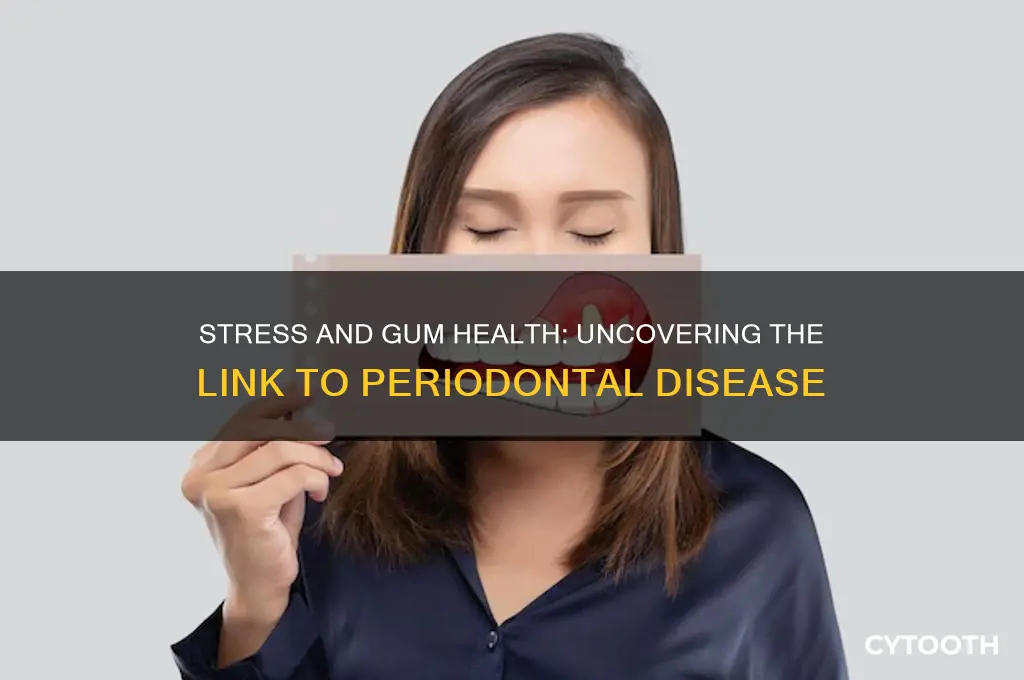
Stress is increasingly recognized as a potential contributing factor to gum disease, also known as periodontal disease. While poor oral hygiene remains the primary cause, research suggests that chronic stress can weaken the immune system, making it harder for the body to fight off infections, including those in the gums. Additionally, stress may lead to behaviors such as teeth grinding, poor dietary choices, and reduced oral care routines, all of which can exacerbate gum health issues. Studies have shown that individuals under prolonged stress are more likely to develop or experience worsening symptoms of gum disease, highlighting the intricate relationship between mental health and oral well-being. Understanding this connection is crucial for developing comprehensive strategies to prevent and manage periodontal conditions.
What You'll Learn

Stress weakens immune system, increasing gum disease risk
Stress doesn’t directly erode enamel or cause plaque buildup, but its impact on the immune system creates a breeding ground for gum disease. When stressed, the body releases cortisol, a hormone that temporarily suppresses immune function. This suppression reduces the body’s ability to fight off bacteria, including those in the mouth. For instance, a study published in the *Journal of Periodontology* found that individuals with high stress levels were more likely to have elevated levels of *Porphyromonas gingivalis*, a bacterium linked to periodontitis. This weakened immune response allows harmful bacteria to flourish, increasing inflammation and accelerating gum tissue damage.
Consider this scenario: a 35-year-old professional under chronic work stress notices bleeding gums during brushing. Despite maintaining good oral hygiene, the issue persists. The culprit? Stress-induced immunosuppression. Cortisol levels, when consistently elevated, not only impair immune cells but also hinder tissue repair. This means that even minor gum irritation can escalate into gingivitis or periodontitis. Practical steps to mitigate this include incorporating stress-reduction techniques like mindfulness or yoga, which have been shown to lower cortisol levels and improve immune function.
Comparatively, individuals who manage stress effectively exhibit stronger immune responses and lower incidence of gum disease. A study in *Psychoneuroendocrinology* revealed that participants who practiced daily meditation had 20% lower cortisol levels and significantly healthier gums compared to non-meditators. This highlights the importance of addressing stress as part of oral health care. Dentists often recommend stress management alongside traditional treatments like scaling and root planing for patients with recurrent gum issues.
To combat stress-related gum disease, start with small, actionable changes. Limit caffeine intake, as it can exacerbate stress and dehydrate the mouth, reducing saliva—a natural protector against bacteria. Aim for 7–9 hours of sleep nightly, as poor sleep elevates cortisol. Incorporate 10–15 minutes of deep breathing exercises daily to activate the parasympathetic nervous system, reducing stress hormones. Finally, schedule regular dental check-ups to monitor gum health, especially during stressful periods. By addressing stress holistically, you not only protect your gums but also enhance overall well-being.
Does Gum Cause Acne? Unraveling the Myth and Facts
You may want to see also
Cortisol levels rise, harming oral health under stress
Stress doesn't just leave you frazzled—it can also wreak havoc on your gums. When you're under pressure, your body releases cortisol, a hormone that helps regulate your response to stress. While cortisol is essential in small amounts, chronic stress leads to persistently elevated levels, which can have detrimental effects on your oral health. Research shows that high cortisol levels weaken your immune system, making it harder for your body to fight off infections, including those in your mouth. This creates the perfect environment for harmful bacteria to thrive, increasing your risk of gum disease.
Imagine cortisol as a double-edged sword. In the short term, it’s a lifesaver, helping you meet deadlines or handle emergencies. But when stress becomes chronic, cortisol’s protective effects turn destructive. Studies have found that individuals with high-stress jobs or those experiencing prolonged emotional strain are more likely to develop gingivitis and periodontitis. For example, a 2019 study published in the *Journal of Periodontology* revealed that participants with elevated cortisol levels had significantly deeper periodontal pockets and more gum bleeding compared to their less-stressed counterparts. These findings highlight the direct link between stress, cortisol, and gum health.
If you’re looking to protect your gums, managing stress should be part of your oral care routine. Start by incorporating stress-reduction techniques like mindfulness meditation, deep breathing exercises, or yoga. Even 10–15 minutes a day can make a difference. Additionally, maintain a consistent oral hygiene regimen: brush twice daily with fluoride toothpaste, floss daily, and visit your dentist every six months. For those with particularly stressful lifestyles, consider using an antimicrobial mouthwash to reduce bacterial buildup. Remember, stress management isn’t just about mental well-being—it’s a critical component of maintaining a healthy smile.
Comparing stress management to oral hygiene, both require daily attention and consistency. Just as you wouldn’t skip brushing your teeth, you shouldn’t neglect stress relief. Think of it as a two-pronged approach: reduce cortisol levels through relaxation techniques, and strengthen your gums through proper care. For instance, pairing a morning meditation session with thorough flossing can address both the root cause and the symptoms of stress-induced gum issues. By tackling the problem from both angles, you’re not just treating the effects—you’re preventing them.
Finally, don’t underestimate the power of small changes. Reducing cortisol levels doesn’t require a complete lifestyle overhaul. Simple steps like limiting caffeine intake, getting 7–9 hours of sleep, and taking short breaks during the workday can significantly lower stress. Combine these habits with regular dental check-ups, and you’ll be well on your way to safeguarding your gums. After all, a healthy mouth is a reflection of a healthy body—and managing stress is the key to achieving both.
Dry Mouth and Gum Recession: Uncovering the Surprising Connection
You may want to see also
Stress-induced habits like teeth grinding worsen gum issues
Stress doesn’t just linger in the mind—it manifests physically, often in ways we overlook until damage is done. One such manifestation is bruxism, or teeth grinding, a habit exacerbated by stress that silently wreaks havoc on oral health. When clenching or grinding occurs, excessive force is placed on the teeth, gums, and jaw, leading to inflammation, recession, and increased susceptibility to gum disease. Unlike occasional grinding, chronic bruxism, especially during sleep, creates a cycle of tissue damage and impaired healing, making gums more vulnerable to bacterial invasion.
Consider the mechanics: the repetitive pressure from grinding disrupts the gum tissue’s attachment to the teeth, exposing sensitive root surfaces and creating pockets where plaque accumulates. Over time, this weakens the periodontal foundation, accelerating conditions like gingivitis or periodontitis. Studies show that individuals under prolonged stress are 50% more likely to develop severe gum disease, partly due to this stress-bruxism link. Even worse, the pain or discomfort from grinding can further elevate stress levels, creating a feedback loop that perpetuates both the habit and its consequences.
Breaking this cycle requires a two-pronged approach. First, address the grinding itself. For adults, a custom-fitted night guard, worn during sleep, can absorb the force and protect oral tissues. Children and teens, whose jaws are still developing, may benefit from habit-reversal therapies or stress-reduction techniques like mindfulness or progressive muscle relaxation. Second, prioritize gum health through diligent oral care: brush twice daily with a soft-bristled toothbrush, floss nightly, and use an antimicrobial mouthwash to reduce plaque buildup in vulnerable areas.
However, caution is necessary. Over-the-counter night guards, while affordable, may not fit properly and can exacerbate jaw misalignment. Similarly, ignoring grinding symptoms in hopes they’ll resolve on their own often leads to irreversible damage, such as tooth fractures or bone loss. For those with severe bruxism, a dentist might recommend Botox injections to temporarily paralyze overactive jaw muscles, reducing grinding intensity by up to 70%. Pairing this with stress management—whether through exercise, therapy, or sleep hygiene—addresses the root cause while mitigating oral risks.
The takeaway is clear: stress-induced grinding isn’t merely a nuisance—it’s a red flag for gum deterioration. By recognizing the habit early and intervening with targeted solutions, individuals can halt the progression of gum disease and preserve their oral health. Ignoring the signs, however, turns a manageable issue into a costly, painful ordeal. In the battle against stress and its physical toll, protecting your gums starts with acknowledging the silent grind.
Smoking and Oral Health: Do Cigarettes Cause Gum Disease?
You may want to see also
Poor oral hygiene linked to stress-related neglect
Stress doesn't directly erode enamel or summon plaque armies overnight. However, its insidious effect on oral health lies in its ability to disrupt routines and dampen motivation. When stress levels spike, brushing and flossing often become casualties of war. A 2017 study published in the *Journal of Periodontology* found a significant correlation between perceived stress and poor oral hygiene practices, highlighting how stress-induced neglect can pave the way for gum disease.
Imagine this: deadlines loom, sleep is elusive, and the mere thought of flossing feels like scaling Mount Everest. Skipping brushing sessions, rushing through oral care, or neglecting regular dental check-ups become coping mechanisms, albeit detrimental ones. This neglect creates a breeding ground for bacteria, leading to plaque buildup, inflammation, and eventually, gum disease.
The link between stress and gum disease isn't merely anecdotal. Cortisol, the body's primary stress hormone, can weaken the immune system, making it less effective at fighting off oral bacteria. This double whammy of neglect and compromised immunity creates a perfect storm for gum inflammation (gingivitis) and, if left untreated, periodontitis, a severe form of gum disease that can lead to tooth loss.
Think of it as a vicious cycle: stress leads to neglect, neglect fuels gum disease, and gum disease, in turn, can exacerbate stress due to pain, discomfort, and potential social anxiety. Breaking this cycle requires a two-pronged approach: addressing the root cause of stress and prioritizing oral hygiene, even when it feels like the last thing you want to do.
Combating stress-related oral neglect demands practical strategies. Firstly, acknowledge the connection between stress and oral health. Awareness is the first step towards change. Secondly, simplify your oral care routine. Opt for pre-threaded flossers or electric toothbrushes for ease and efficiency. Set reminders on your phone or incorporate brushing and flossing into existing routines, like showering or watching the news. Finally, don't underestimate the power of professional help. Dentists can provide thorough cleanings, identify early signs of gum disease, and offer tailored advice for managing oral health during stressful periods. Remember, prioritizing oral hygiene isn't just about a bright smile; it's an investment in your overall well-being, even when stress threatens to derail your best intentions.
Invisalign and Gum Health: Does Clear Aligners Cause Recession?
You may want to see also
Stress reduces blood flow, slowing gum tissue repair
Stress triggers the body's fight-or-flight response, releasing hormones like cortisol and adrenaline. While these hormones prepare us for immediate threats, prolonged exposure disrupts normal bodily functions. One significant effect is vasoconstriction—the narrowing of blood vessels—which reduces blood flow to non-essential areas, including the gums. This reduced circulation deprives gum tissue of essential nutrients and oxygen, impairing its ability to heal and maintain health. For instance, a minor gum injury or inflammation that would typically resolve within days may persist for weeks under chronic stress.
Consider the analogy of a garden: just as plants wither without adequate water and nutrients, gum tissue suffers when blood flow is restricted. Studies show that individuals under chronic stress exhibit slower wound healing across the body, and the gums are no exception. For example, a 2018 study published in the *Journal of Periodontology* found that stressed individuals had a 27% higher risk of developing periodontal disease, partly due to impaired tissue repair. This highlights the direct link between stress-induced vasoconstriction and gum health deterioration.
To mitigate this effect, stress management techniques are essential. Practices like mindfulness meditation, deep breathing exercises, or even 30 minutes of daily moderate exercise can reduce cortisol levels and improve blood flow. Additionally, maintaining a balanced diet rich in vitamins C and D supports gum health by promoting collagen production and reducing inflammation. For those with high-stress lifestyles, incorporating these habits can act as a buffer against the vascular effects of stress on gum tissue.
However, it’s not just about managing stress—oral hygiene plays a critical role too. Brushing twice daily with a soft-bristled toothbrush and flossing regularly ensures that existing gum issues don’t worsen. For individuals over 40, who are more susceptible to gum disease, adding an antimicrobial mouthwash can provide extra protection. Combining these oral care practices with stress reduction strategies creates a holistic approach to preserving gum health despite the challenges of a stressful environment.
In conclusion, stress-induced vasoconstriction slows gum tissue repair by limiting blood flow, making gums more vulnerable to disease. By addressing both stress and oral hygiene, individuals can counteract this effect and maintain healthier gums. Practical steps include adopting stress management techniques, optimizing nutrition, and adhering to rigorous oral care routines. This dual approach ensures that even in stressful circumstances, gum health remains a priority.
Gum Disease and Dry Mouth: Unraveling the Connection and Solutions
You may want to see also
Frequently asked questions
Stress does not directly cause gum disease, but it weakens the immune system, making it harder for your body to fight off infections, including those in the gums. This can increase the risk of developing or worsening gum disease.
Stress can lead to neglect of oral hygiene routines, such as brushing and flossing less frequently. It may also cause habits like teeth grinding, clenching, or poor dietary choices, all of which can harm gum health.
Yes, managing stress through techniques like exercise, meditation, or therapy can improve overall health, including oral health. A stronger immune system and better self-care habits can help prevent or manage gum disease.
Yes, signs include red, swollen, or bleeding gums, increased tooth sensitivity, and persistent bad breath. If you notice these symptoms, especially during stressful periods, consult a dentist for evaluation and treatment.