Logan Hayes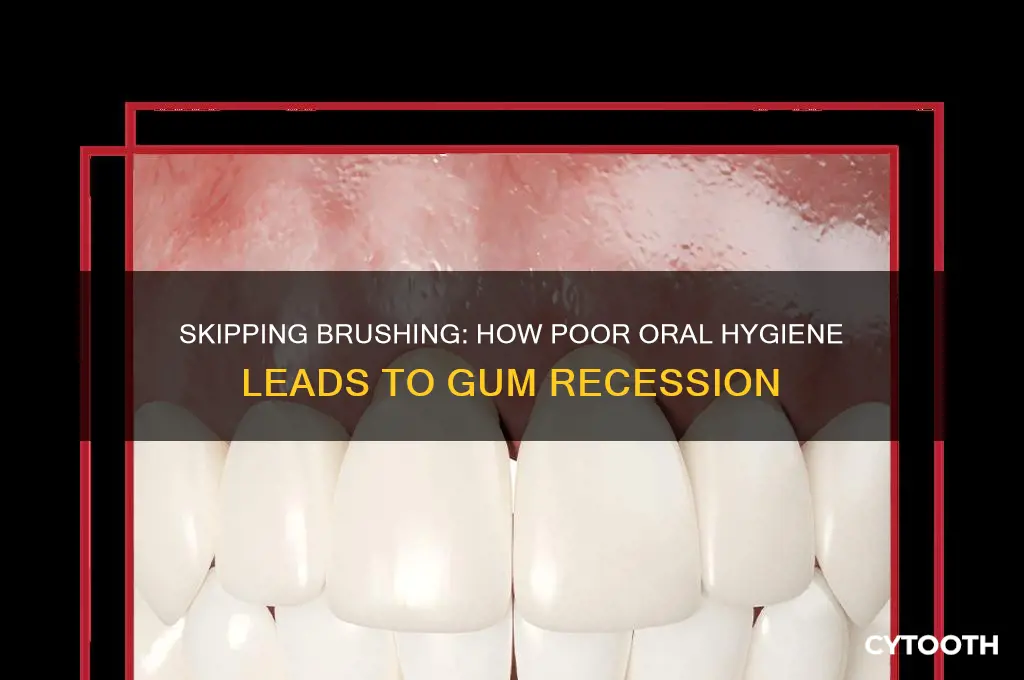
Gum recession, a condition where the gum tissue surrounding the teeth wears away, exposing more of the tooth or its root, is a common oral health concern. While several factors contribute to this issue, poor oral hygiene, particularly the neglect of regular brushing, is often a significant culprit. Not brushing teeth adequately allows plaque and bacteria to accumulate along the gum line, leading to inflammation and infection known as gingivitis. If left untreated, gingivitis can progress to periodontitis, a more severe form of gum disease that destroys the soft tissue and bone supporting the teeth, ultimately resulting in gum recession. Therefore, understanding the relationship between brushing habits and gum health is crucial in preventing this potentially serious dental problem.
| Characteristics | Values |
|---|---|
| Direct Cause of Gum Recession | Not brushing is not a direct cause of gum recession, but poor oral hygiene can lead to conditions that contribute to it. |
| Primary Causes of Gum Recession | Gum disease (gingivitis and periodontitis), aggressive brushing, genetic factors, hormonal changes, and misaligned teeth. |
| Role of Not Brushing | Not brushing allows plaque buildup, leading to gum disease, which is a major contributor to gum recession. |
| Plaque Buildup | Plaque contains bacteria that irritate the gums, causing inflammation and eventually gum disease. |
| Gum Disease Progression | Gingivitis (early stage) can progress to periodontitis, where gums pull away from teeth, causing recession. |
| Importance of Brushing | Proper brushing removes plaque, prevents gum disease, and helps maintain gum health, indirectly preventing recession. |
| Other Contributing Factors | Smoking, teeth grinding, piercing, and poor nutrition can exacerbate gum recession even if brushing is adequate. |
| Prevention | Regular brushing, flossing, and dental check-ups are essential to prevent gum disease and recession. |
| Misconception | Not brushing alone does not cause recession, but it significantly increases the risk by promoting gum disease. |
| Professional Advice | Dentists recommend brushing twice daily with fluoride toothpaste and using proper technique to avoid damage. |
What You'll Learn

Plaque Buildup and Gum Damage
Plaque, a sticky film of bacteria, constantly forms on teeth, and its presence is a silent yet potent threat to gum health. When left unchecked, plaque hardens into tartar, a substance that brushing alone cannot remove. This buildup irritates the gum line, triggering inflammation known as gingivitis. Over time, the persistent irritation causes gums to pull away from the teeth, leading to recession. The process is gradual, often painless, and easily overlooked until significant damage occurs.
Consider the mechanics of plaque’s destruction. Bacteria in plaque produce acids that erode tooth enamel, but they also release toxins that irritate gum tissue. This dual attack weakens the gums’ attachment to teeth, making them more susceptible to recession. For instance, studies show that individuals with poor oral hygiene are three times more likely to experience gum recession than those who brush twice daily and floss regularly. The takeaway is clear: plaque is not just unsightly—it’s a primary driver of gum damage.
Preventing plaque buildup requires a proactive approach. Brush teeth for at least two minutes twice daily using a fluoride toothpaste, and ensure the toothbrush bristles reach the gum line. Flossing daily is non-negotiable, as it removes plaque from areas brushing misses. For added protection, incorporate an antimicrobial mouthwash into your routine, especially if you’re prone to plaque accumulation. Adults over 40 should be particularly vigilant, as age-related factors like reduced saliva production can accelerate plaque formation.
Compare the consequences of neglecting plaque removal to maintaining consistent oral care. Without intervention, plaque progresses to periodontitis, a severe gum infection that destroys the bone supporting teeth. In contrast, diligent brushing and flossing keep plaque at bay, preserving gum integrity. For example, a 2019 study found that individuals who flossed daily had 40% less gum recession over a decade compared to non-flossers. The contrast underscores the power of simple, consistent habits in preventing long-term damage.
Finally, recognize that plaque buildup is reversible in its early stages. Gingivitis, the first stage of gum disease, can be halted and even reversed with improved oral hygiene. However, once plaque hardens into tartar, professional intervention is necessary. Dentists use scaling and root planing to remove tartar and smooth tooth roots, encouraging gums to reattach. Pairing this treatment with a rigorous home care routine can stop recession in its tracks. The key is acting swiftly—before plaque’s silent damage becomes irreversible.
Gum Disease and Dry Mouth: Unraveling the Connection and Solutions
You may want to see also
Bacterial Infections Leading to Recession
Poor oral hygiene creates an environment ripe for bacterial overgrowth, and these microorganisms are the primary culprits behind gum recession. Plaque, a sticky film of bacteria, constantly forms on teeth. When left undisturbed through inadequate brushing and flossing, it hardens into tartar, providing a fortress for bacteria to thrive. These bacteria release toxins that irritate and inflame the gum tissue, leading to a condition called gingivitis.
Gingivitis, characterized by red, swollen, and bleeding gums, is the early stage of gum disease. If left untreated, the inflammation progresses, destroying the gum tissue and the bone supporting the teeth. This destruction results in the gums pulling away from the teeth, exposing the tooth roots and causing recession.
Imagine your gums as a protective barrier safeguarding the roots of your teeth. Bacterial infections act like relentless invaders, weakening this barrier through chronic inflammation. Over time, the gums recede, leaving the sensitive roots vulnerable to decay, temperature sensitivity, and even tooth loss.
Understanding the role of bacteria in gum recession highlights the critical importance of diligent oral hygiene. Brushing twice daily with fluoride toothpaste, flossing regularly, and scheduling professional dental cleanings are essential weapons in the fight against these microscopic enemies.
While brushing is crucial, it's not just about frequency but also technique. Use a soft-bristled toothbrush and employ gentle, circular motions to avoid damaging the gums. Remember, aggressive brushing can actually contribute to recession. Additionally, consider incorporating an antibacterial mouthwash into your routine to further reduce bacterial load.
By prioritizing oral hygiene and understanding the destructive power of bacterial infections, you can effectively prevent gum recession and safeguard your oral health for years to come.
Braces and Gum Recession: Uncovering the Truth Behind the Myth
You may want to see also
Poor Oral Hygiene Effects
Neglecting oral hygiene accelerates gum recession, a process where gums pull away from teeth, exposing sensitive roots. This isn’t merely cosmetic; it’s a gateway to infections, tooth loss, and systemic health issues. Plaque buildup, the primary culprit, hardens into tartar within 48 hours, irritating gums and triggering inflammation. Brushing twice daily with fluoride toothpaste and flossing removes plaque, but inconsistency allows it to thrive, eroding gum tissue over time. Adults over 40 are particularly vulnerable, as years of neglect compound the damage, making recession harder to reverse.
Consider the mechanics: improper brushing or using a hard-bristled toothbrush can exacerbate recession. Aggressive scrubbing wears down enamel and gums, mimicking the effects of neglect. Dentists recommend a soft-bristled brush at a 45-degree angle, with gentle circular motions for 2 minutes per session. Pair this with antimicrobial mouthwash to reduce plaque by 50%, according to the American Dental Association. Ignoring these practices leaves gums defenseless against bacterial invasion, hastening recession and deepening periodontal pockets—spaces between teeth and gums that harbor infection.
The consequences extend beyond the mouth. Gum disease, a direct result of poor hygiene, is linked to heart disease, diabetes, and respiratory issues. Oral bacteria can enter the bloodstream, inflaming arteries and worsening cardiovascular health. Pregnant individuals face heightened risks, as gum infections correlate with preterm births and low birth weights. A 2019 study in *Journal of Periodontology* found that 65% of participants with severe gum recession had untreated periodontal disease, underscoring the critical role of hygiene in prevention.
Reversing recession is challenging but not impossible. Early intervention—professional cleanings, scaling, and root planing—can halt progression. For advanced cases, gum grafting surgically replaces lost tissue. However, prevention remains paramount. Incorporate interdental brushes for tight spaces, limit sugary foods that fuel plaque, and schedule biannual dental checkups. Children should start brushing with pea-sized fluoride toothpaste by age 3, establishing habits that protect gums for life. The choice is clear: invest in daily care or face irreversible damage.
Coffee and Gum Recession: Uncovering the Surprising Connection
You may want to see also
Gingivitis Progression to Periodontitis
Poor oral hygiene is a primary culprit in the development of gingivitis, the earliest stage of gum disease. When plaque—a sticky film of bacteria—accumulates on teeth due to inadequate brushing and flossing, it irritates the gum line, causing inflammation, redness, and bleeding. At this stage, the damage is reversible with improved oral care and professional cleaning. However, ignoring these warning signs allows the condition to worsen, setting the stage for progression to periodontitis, a far more severe and irreversible form of gum disease.
The transition from gingivitis to periodontitis occurs as persistent bacterial activity begins to destroy the structures supporting the teeth. Plaque hardens into tartar, which cannot be removed by brushing alone and harbors even more harmful bacteria. These toxins, combined with the body’s immune response, break down the gum tissue and bone anchoring the teeth. Pockets form between the gums and teeth, trapping debris and deepening the infection. Without intervention, this process accelerates, leading to tooth mobility and eventual tooth loss.
Preventing this progression requires a proactive approach to oral hygiene. Brush twice daily with a fluoride toothpaste, ensuring you clean all surfaces of the teeth and along the gum line. Floss daily to remove plaque from between teeth, where a toothbrush cannot reach. Incorporate an antimicrobial mouthwash to reduce bacterial load, and visit a dentist every six months for check-ups and cleanings. For those at higher risk, such as smokers or individuals with diabetes, more frequent professional care may be necessary.
Recognizing the early signs of gingivitis is crucial. If you notice bleeding gums, persistent bad breath, or gum tenderness, take immediate action. These symptoms are your body’s alarm system, signaling the need for better oral care. Ignoring them not only risks periodontitis but also links gum disease to systemic health issues like heart disease and diabetes. By addressing gingivitis promptly, you can halt the progression and protect both your oral and overall health.
In summary, the journey from gingivitis to periodontitis is preventable but requires vigilance and consistent oral hygiene practices. Brushing and flossing are not optional—they are essential defenses against the bacterial onslaught that threatens your gums and teeth. Treat early warning signs seriously, and partner with a dental professional to maintain a healthy smile. The power to prevent periodontitis lies in your hands and your toothbrush.
Dry Mouth and Gum Recession: Uncovering the Surprising Connection
You may want to see also
Tooth Sensitivity and Gum Loss
Poor oral hygiene is a significant contributor to gum recession, a condition where the gum tissue pulls away from the teeth, exposing the sensitive root surfaces. When plaque and tartar build up along the gum line due to inadequate brushing and flossing, they irritate the gums, leading to inflammation and eventual recession. This process, known as gingivitis in its early stages, can progress to periodontitis if left untreated, causing irreversible damage to the gum tissue and underlying bone. The exposed roots not only increase tooth sensitivity but also make the teeth more susceptible to decay and infection.
Tooth sensitivity often accompanies gum recession, creating a cycle of discomfort and further neglect. As the protective gum layer recedes, the dentin—a porous layer beneath the enamel—becomes exposed. Dentin contains tiny tubules that lead directly to the nerve endings inside the tooth. When exposed to hot, cold, sweet, or acidic stimuli, these tubules transmit sensations more intensely, resulting in sharp, sudden pain. Individuals experiencing this sensitivity may avoid proper brushing in sensitive areas, exacerbating plaque buildup and accelerating gum loss. Breaking this cycle requires targeted desensitizing treatments and improved oral care habits.
Addressing tooth sensitivity and gum loss begins with a dual approach: managing symptoms while treating the underlying cause. For sensitivity, over-the-counter desensitizing toothpastes containing potassium nitrate or fluoride can help block the tubules and reduce nerve stimulation. Applying these products twice daily for at least two minutes can yield noticeable improvement within 2–4 weeks. For severe cases, a dentist may recommend in-office treatments like fluoride varnishes or dental sealants. Simultaneously, adopting a gentle yet thorough oral care routine—using a soft-bristled toothbrush, low-abrasion toothpaste, and daily flossing—is essential to halt gum recession.
Comparatively, while not brushing is a primary cause of gum recession, other factors like aggressive brushing, hormonal changes, and genetic predisposition also play roles. Overzealous brushing with a hard-bristled toothbrush can wear away enamel and gums, mimicking the effects of neglect. Hormonal fluctuations during pregnancy or menopause can increase gum sensitivity, making them more prone to recession. Genetic factors may determine the thickness of gum tissue, with thinner gums being more susceptible to recession. Understanding these contributors allows for a tailored prevention strategy, emphasizing both consistency and gentleness in oral care.
Practically, preventing further gum loss and sensitivity involves specific daily habits. After brushing, rinse with a fluoride mouthwash to strengthen enamel and reduce sensitivity. Incorporate an antimicrobial mouthwash to control plaque and gingivitis. For those with advanced recession, a dentist might suggest gum grafting to restore lost tissue. Additionally, dietary adjustments—limiting sugary and acidic foods, increasing water intake, and consuming tooth-friendly nutrients like calcium and vitamin C—can support gum health. Regular dental check-ups every six months are crucial for monitoring progress and addressing issues before they worsen. By combining these measures, individuals can effectively manage tooth sensitivity and gum loss, preserving their oral health for the long term.
Brushing Too Hard: A Hidden Cause of Receding Gums?
You may want to see also
Frequently asked questions
Yes, not brushing your teeth can contribute to gum recession. Poor oral hygiene allows plaque and bacteria to build up, leading to gum disease (gingivitis and periodontitis), which is a major cause of gum recession.
Plaque buildup irritates the gums, causing inflammation and infection. Over time, this weakens the gum tissue and the bone supporting the teeth, leading to gum recession as the gums pull away from the teeth.
Gum recession is generally irreversible, but proper oral hygiene and professional treatment can prevent further recession. Early intervention, such as deep cleaning (scaling and root planing), can help manage the underlying gum disease.
Yes, other factors include aggressive brushing, genetics, hormonal changes, tobacco use, and teeth grinding. However, not brushing remains a significant preventable cause of gum recession due to its role in gum disease development.