Hailey Morgan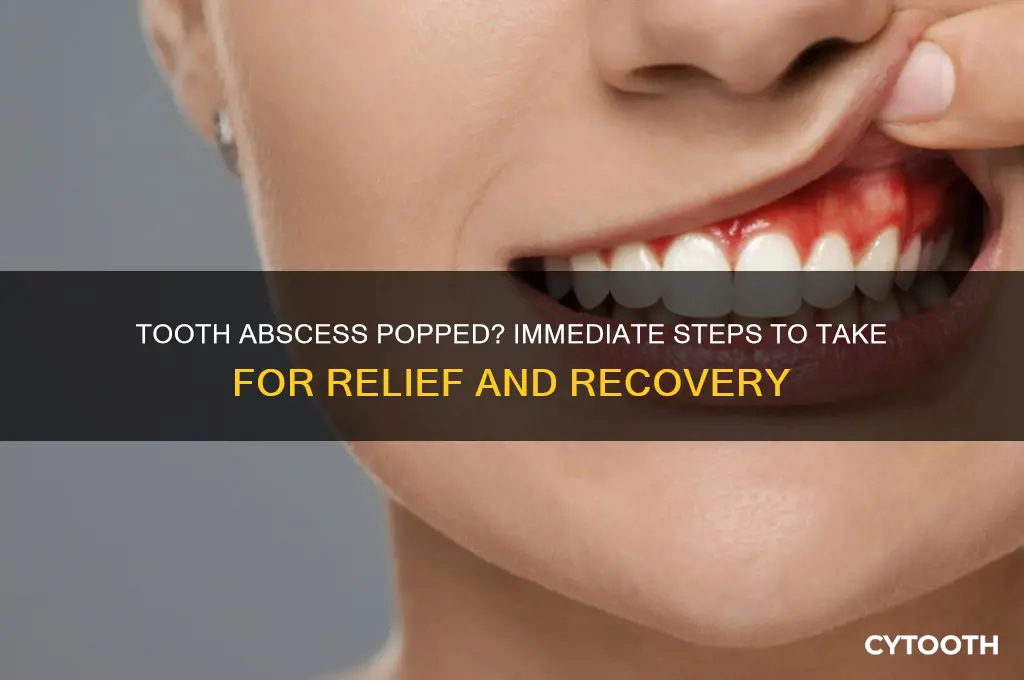
If your tooth abscess pops, it’s crucial to act quickly to prevent further infection and complications. A popped abscess means the pus has drained, but the underlying infection is still present, and bacteria can spread to other parts of your body. Immediately rinse your mouth with warm saltwater to keep the area clean, and contact your dentist as soon as possible for professional treatment. Avoid touching or pressing the area, and do not attempt to drain it further at home. Your dentist will likely prescribe antibiotics to fight the infection and may recommend a root canal or tooth extraction to address the source of the abscess. Delaying care can lead to serious health risks, including sepsis or the spread of infection to the jaw, neck, or brain.
| Characteristics | Values |
|---|---|
| Immediate Action | Rinse mouth with warm saltwater to clean the area and reduce bacteria. |
| Pain Management | Take over-the-counter pain relievers (e.g., ibuprofen) as needed. |
| Fever Management | Use fever-reducing medications if a fever develops. |
| Swelling Reduction | Apply a cold compress to the affected area to reduce swelling. |
| Avoid Irritants | Stay away from hot, spicy, or acidic foods and beverages. |
| Oral Hygiene | Continue brushing gently and flossing, avoiding the abscessed area. |
| Drainage | Do not attempt to drain the abscess yourself; let it drain naturally. |
| Medical Attention | Seek immediate dental care to address the infection and prevent recurrence. |
| Antibiotics | A dentist may prescribe antibiotics to treat the infection. |
| Follow-Up Care | Schedule a follow-up appointment to ensure proper healing. |
| Prevention | Maintain good oral hygiene and address dental issues promptly. |
What You'll Learn
- Immediate Care Steps: Rinse mouth with warm salt water, gently clean area, avoid touching abscess
- Pain Management Tips: Use over-the-counter pain relievers, apply cold compress to reduce swelling
- When to See a Dentist: Seek emergency care if fever, severe pain, or swelling spreads?
- Preventing Infection Spread: Avoid hot foods, alcohol, and smoking; keep area clean
- Post-Pop Care: Save any drained fluid for dentist, monitor for signs of worsening infection

Immediate Care Steps: Rinse mouth with warm salt water, gently clean area, avoid touching abscess
A popped tooth abscess is a dental emergency that requires immediate attention to prevent further infection and complications. When an abscess ruptures, it releases pus, which can provide temporary relief from pressure and pain. However, this does not signify that the infection is resolved. In fact, the open wound becomes a gateway for bacteria to spread, making prompt and proper care crucial.
The first step in managing a popped tooth abscess is to rinse your mouth with a warm salt water solution. This simple yet effective remedy serves multiple purposes. Salt water acts as a natural disinfectant, helping to reduce bacteria in the affected area. To prepare the solution, dissolve half a teaspoon of salt in a glass of warm water, ensuring it’s not too hot to avoid burns. Gently swish the mixture around your mouth for 30 seconds, focusing on the abscessed area, and then spit it out. Repeat this process every 2–3 hours to keep the area clean and minimize infection risk.
After rinsing, gently clean the area around the abscess to remove any debris or pus. Use a soft-bristled toothbrush or a clean, damp gauze pad to carefully dab the site. Avoid aggressive scrubbing, as this can irritate the wound and exacerbate pain. If there is visible pus or blood, apply light pressure with a sterile gauze pad to absorb it, but do not press directly on the abscess. Cleaning the area helps prevent the buildup of harmful bacteria and promotes a cleaner environment for healing.
One critical caution is to avoid touching the abscess with your fingers or any non-sterile objects. Your hands carry numerous bacteria, and introducing them into an open wound can worsen the infection. Similarly, refrain from probing the abscess with tools like toothpicks or needles, as this can cause further damage to the gum tissue and spread the infection deeper into the tooth or surrounding structures. Instead, rely on gentle rinsing and cleaning methods to manage the area safely.
While these immediate care steps can help manage symptoms and prevent complications, they are not a substitute for professional dental treatment. A popped tooth abscess often indicates an underlying issue, such as a severe cavity or gum disease, that requires a dentist’s intervention. Schedule an emergency dental appointment as soon as possible to address the root cause and receive appropriate treatment, which may include antibiotics, drainage, or a root canal. Prompt action ensures better outcomes and prevents the infection from spreading to other parts of your body.
DIY Remedies for Cracked Tooth Abscess Relief at Home
You may want to see also
Pain Management Tips: Use over-the-counter pain relievers, apply cold compress to reduce swelling
A popped tooth abscess can unleash a torrent of pain and discomfort, but immediate action can mitigate the agony. Over-the-counter pain relievers like ibuprofen (200-400 mg every 4-6 hours) or acetaminophen (500-1000 mg every 4-6 hours) can be your first line of defense. These medications not only dull the pain but also help reduce inflammation, a key contributor to the throbbing sensation. However, it’s crucial to adhere to recommended dosages and avoid exceeding daily limits, especially for those with liver or kidney conditions. Always consult a pharmacist or healthcare provider if you’re unsure about compatibility with existing medications.
While pain relievers tackle the internal discomfort, a cold compress addresses the external symptoms. Swelling around the abscessed area can exacerbate pain and pressure, making even simple tasks like speaking or eating unbearable. Applying a cold compress—a cloth-wrapped ice pack or a bag of frozen vegetables—to the affected cheek for 15-20 minutes at a time can constrict blood vessels, reducing swelling and numbing the area. Repeat this process every 1-2 hours as needed, ensuring the compress doesn’t come into direct contact with the skin to prevent frostbite. This simple, cost-effective method provides immediate relief while you await professional dental care.
For children or individuals unable to take oral medications, topical pain relievers like benzocaine gels (applied sparingly to the gum area) can offer temporary relief. However, caution is advised, as excessive use can lead to numbness in the mouth or allergic reactions. Pairing this with a cold compress creates a dual-action approach, addressing both the pain and its physical manifestations. Remember, these measures are palliative, not curative—they buy you time until you can see a dentist, who will likely prescribe antibiotics or perform a drainage procedure to address the infection’s root cause.
Lastly, while managing pain, avoid common pitfalls that could worsen the situation. Do not apply heat, as it can increase swelling and inflammation. Steer clear of alcohol-based mouthwashes, which can sting and irritate the sensitive area. And resist the urge to pop or drain the abscess yourself, as this risks spreading the infection. Instead, focus on these evidence-based, accessible strategies to manage discomfort effectively until professional intervention is possible. Your goal is to stabilize the situation, not solve it—leave that to the experts.
Effective Dental Treatments to Eliminate Tooth Abscess and Restore Oral Health
You may want to see also
When to See a Dentist: Seek emergency care if fever, severe pain, or swelling spreads
A tooth abscess is a serious infection that can lead to severe complications if left untreated. When an abscess pops, it may release pus, temporarily relieving pressure, but this does not resolve the underlying infection. Immediate dental care is crucial to prevent the spread of bacteria and potential systemic issues. Recognizing the signs that warrant emergency care is essential for protecting your oral and overall health.
Signs That Demand Urgent Attention: If you experience a fever, severe pain, or swelling that spreads beyond the affected area, these are red flags indicating the infection may be advancing. A fever often signals that your body is fighting a significant infection, while spreading swelling can mean the bacteria are moving into surrounding tissues or even the bloodstream. Severe pain that persists or worsens despite over-the-counter pain relievers (such as ibuprofen, 600–800 mg every 6–8 hours, as tolerated) is another critical indicator. For children or older adults, these symptoms may manifest differently—fevers in children can spike quickly, while older adults may show more subtle signs like confusion or fatigue.
Steps to Take in an Emergency: If you notice any of these symptoms, contact your dentist immediately or visit an emergency dental clinic. While waiting for care, rinse your mouth gently with warm saltwater to help cleanse the area and reduce bacterial load. Avoid applying heat or pressure to the face, as this can worsen swelling. If you cannot see a dentist right away, seek care at an urgent care center or emergency room, especially if you suspect the infection is spreading. Medical professionals can provide antibiotics (such as amoxicillin, typically 500 mg every 8 hours for adults) to control the infection temporarily, but this is not a substitute for definitive dental treatment.
Comparing Home Care vs. Professional Treatment: While home remedies like saltwater rinses or cold compresses can offer temporary relief, they do not address the root cause of the abscess. A dentist will need to drain the abscess, remove the source of infection (often through a root canal or extraction), and prescribe appropriate antibiotics. Delaying professional care increases the risk of complications, such as bone loss, tooth loss, or life-threatening conditions like sepsis.
Takeaway: Recognizing when a popped tooth abscess requires emergency care is vital. Fever, severe pain, or spreading swelling are not symptoms to ignore—they signal a potentially dangerous progression of the infection. Prompt professional intervention is the only way to effectively treat the condition and prevent long-term damage. Act quickly to protect your health and ensure the best possible outcome.
Tooth Abscess Treatment: Immediate Steps and When to See a Dentist
You may want to see also
Preventing Infection Spread: Avoid hot foods, alcohol, and smoking; keep area clean
A popped tooth abscess is a critical situation that demands immediate attention to prevent the spread of infection. The body’s natural response to an abscess is to contain the infection, but once it ruptures, bacteria can spread rapidly, potentially leading to systemic complications. To mitigate this risk, focus on minimizing further irritation and maintaining a sterile environment around the affected area.
Analytical Perspective:
Hot foods and beverages, alcohol, and smoking introduce irritants that exacerbate inflammation and compromise healing. Heat increases blood flow, which can accelerate bacterial dissemination, while alcohol and smoke contain toxins that impair immune function and delay tissue repair. For instance, nicotine constricts blood vessels, reducing oxygen delivery to the site, and alcohol dehydrates tissues, hindering their ability to fight infection. Avoiding these substances is not merely precautionary—it’s a critical step in preventing secondary infections and systemic complications like sepsis or cellulitis.
Instructive Steps:
To keep the area clean, rinse your mouth gently with a warm saltwater solution (1/2 teaspoon of salt per 8 ounces of water) every 2–3 hours. This helps reduce bacterial load without irritating the wound. Avoid aggressive brushing or flossing near the abscess, as this can introduce new pathogens or damage fragile tissues. If the area is bleeding or oozing, apply a sterile gauze pad with light pressure for 10–15 minutes. Change the gauze frequently to prevent bacterial accumulation. Over-the-counter antiseptic mouthwashes (e.g., chlorhexidine 0.12%) can be used sparingly, but consult a dentist before prolonged use, as they may disrupt oral flora.
Comparative Insight:
While hot foods and alcohol are often part of daily routines, their temporary avoidance is a small price to pay compared to the risks of infection spread. For example, a single alcoholic drink can suppress immune function for up to 24 hours, significantly increasing susceptibility to secondary infections. Similarly, smoking just one cigarette reduces oxygen delivery to tissues by 15–20%, impairing healing. By contrast, sticking to a soft, cool diet (e.g., yogurt, smoothies, or lukewarm soups) and abstaining from irritants creates an optimal environment for recovery.
Persuasive Argument:
Ignoring these precautions can turn a localized abscess into a systemic crisis. For instance, untreated oral infections account for 10% of sepsis cases in adults over 40, according to the American Dental Association. The mouth is a gateway to the bloodstream, and a popped abscess provides a direct route for bacteria to enter circulation. By avoiding hot foods, alcohol, and smoking, and maintaining cleanliness, you’re not just treating a toothache—you’re safeguarding your overall health.
Practical Tips:
For smokers, consider nicotine patches (starting at 21 mg/day for heavy smokers) as a temporary alternative, but avoid chewing tobacco, which can irritate the wound. Keep a small bottle of saline solution handy for rinses throughout the day, especially after meals. If you experience fever, swelling beyond the immediate area, or persistent pain despite these measures, seek emergency dental care immediately. Remember, these steps are a bridge to professional treatment, not a substitute.
Tooth Abscess Burst: Immediate Steps and Emergency Care Guide
You may want to see also
Post-Pop Care: Save any drained fluid for dentist, monitor for signs of worsening infection
A tooth abscess that has ruptured can bring temporary relief, but it’s a critical moment that demands immediate attention. The fluid released is not just pus—it’s a mixture of bacteria, white blood cells, and tissue debris that can reveal crucial information about the infection. Saving this fluid in a clean, sealed container for your dentist can aid in diagnosing the specific bacteria involved, potentially guiding more targeted treatment. Think of it as evidence: the more your dentist knows, the better they can fight the infection.
Once the abscess has drained, the battle isn’t over. The infection may have spread beyond the tooth, and the risk of systemic complications like sepsis remains. Monitor for signs of worsening infection, such as fever, increased swelling, persistent pain, or red streaks on the skin near the affected area. These symptoms indicate the infection is advancing, requiring urgent medical intervention. For adults, a fever above 101°F (38.3°C) or difficulty swallowing warrants an immediate call to your dentist or an emergency room.
Practical post-pop care involves keeping the area clean to prevent further bacterial growth. Rinse your mouth gently with warm salt water (1/2 teaspoon of salt in 8 ounces of water) every 2–3 hours, especially after meals. Avoid aggressive rinsing or using alcohol-based mouthwashes, which can irritate the wound. Over-the-counter pain relievers like ibuprofen (200–400 mg every 6 hours) can manage discomfort, but they do not treat the infection itself. Children under 12 should avoid aspirin due to the risk of Reye’s syndrome.
While draining may reduce pressure, it does not cure the underlying issue. A ruptured abscess is a dental emergency, and delaying professional care can lead to bone loss, tooth extraction, or life-threatening complications. Schedule an appointment with your dentist within 24 hours, even if symptoms seem to improve. They may prescribe antibiotics (commonly amoxicillin 500 mg, 3 times daily for adults) and recommend a root canal or extraction to address the source of the infection. Remember: self-care is a temporary measure, not a substitute for expert treatment.
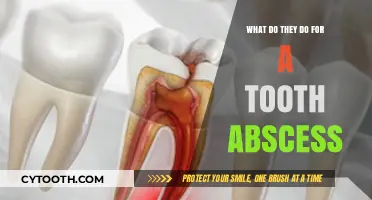
Treating Abscessed Teeth: Dentists' Role in Diagnosis and Relief
You may want to see also
Frequently asked questions
Rinse your mouth with warm saltwater to clean the area, then contact your dentist right away for an emergency appointment.
Yes, it’s common for pus to drain when an abscess pops, but this does not mean the infection is fully resolved. Seek dental care promptly.
No, a popped abscess is a sign of a serious infection that requires professional treatment. Home remedies can provide temporary relief but are not a substitute for dental care.
Ignoring a popped abscess can lead to the infection spreading to other parts of your body, causing complications like facial swelling, fever, or even sepsis. Always seek immediate dental treatment.