Olivia Bennett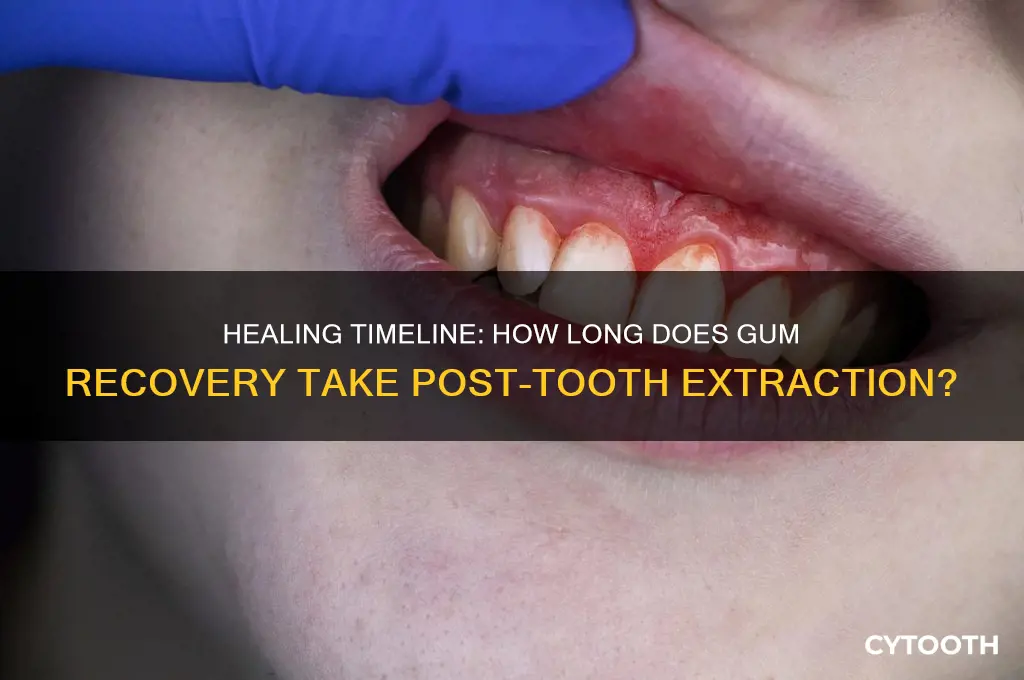
After a tooth extraction, the healing process of the gum tissue is a critical aspect of recovery, and understanding the timeline can help manage expectations and ensure proper care. Typically, the initial healing phase begins immediately, with blood clot formation within the first 24 hours, which is essential for protecting the extraction site. Over the next 3 to 7 days, swelling and discomfort gradually subside as the gums start to close and repair. By the end of the first week, most patients notice significant improvement, though complete healing of the gum tissue can take anywhere from 2 to 4 weeks, depending on factors like oral hygiene, overall health, and the complexity of the extraction. Following post-operative instructions, such as avoiding smoking, maintaining a soft diet, and practicing gentle oral care, is crucial to promote timely and complication-free healing.
| Characteristics | Values |
|---|---|
| Initial Healing Time | 1-2 weeks for the gum tissue to close and form a clot. |
| Complete Healing Time | 3-4 months for the bone and surrounding tissues to fully heal. |
| Pain Duration | Typically lasts 3-7 days, gradually decreasing over time. |
| Swelling Duration | Peaks within 48 hours and subsides within 1-2 weeks. |
| Bleeding | Minimal bleeding should stop within 24 hours; persistent bleeding is a concern. |
| Diet Restrictions | Soft foods for 1-2 weeks; avoid hot, spicy, or hard foods. |
| Oral Hygiene | Gentle brushing and rinsing with warm salt water after 24 hours. |
| Physical Activity | Avoid strenuous activity for 24-48 hours to prevent bleeding. |
| Dry Socket Risk | Highest in the first 3-5 days; proper care reduces risk. |
| Stitches Removal | If stitches are used, they may dissolve or be removed after 1-2 weeks. |
| Factors Affecting Healing | Smoking, poor oral hygiene, diabetes, and immune disorders can delay healing. |
| Follow-Up Appointments | Typically scheduled 1-2 weeks after extraction to monitor healing. |
| Signs of Complications | Persistent pain, fever, pus, or prolonged swelling require medical attention. |
What You'll Learn

Initial Healing Phase
The first 24 to 48 hours after a tooth extraction are critical, marking the Initial Healing Phase where the body begins to form a blood clot in the socket—a vital step to prevent dry socket and infection. During this period, the gum tissue is highly sensitive, and proper care can significantly influence the healing trajectory. Avoid rinsing, spitting forcefully, or using straws, as these actions can dislodge the clot. Instead, gently bite down on the gauze provided by your dentist for 30 to 45 minutes to encourage clot formation. Pain and swelling are common; manage discomfort with over-the-counter pain relievers like ibuprofen (600 mg every 6 hours) or acetaminophen (500–1000 mg every 4–6 hours), following the recommended dosage for your age and weight.
This phase is also about minimizing inflammation and promoting circulation. Apply a cold compress to the cheek near the extraction site for 15–20 minutes at a time, with 10-minute breaks, during the first 24 hours. After the first day, switch to a warm compress to improve blood flow and reduce residual swelling. Stick to a soft, lukewarm diet—think yogurt, mashed potatoes, or smoothies—to avoid irritating the site. Hydration is key, but sip water gently and avoid hot beverages that can dissolve the clot prematurely.
A comparative look at this phase reveals its uniqueness: while later stages focus on tissue regeneration and socket closure, the initial phase is all about protecting the clot and managing acute symptoms. Think of it as the foundation of the healing process—a fragile yet crucial period where small actions yield significant outcomes. For instance, smoking or vaping during this time can introduce toxins and reduce oxygen supply to the wound, delaying healing by up to 40%. Similarly, strenuous activity can increase blood pressure, leading to bleeding or clot disruption.
Practical tips for this phase include sleeping with your head elevated on extra pillows to reduce swelling and avoiding touching the extraction site with your tongue or fingers. If bleeding persists beyond the first few hours or pain worsens despite medication, contact your dentist immediately. For those with pre-existing conditions like diabetes or immune disorders, healing may take longer, so closely follow your dentist’s tailored instructions. By the end of this phase, the clot should be stable, and the acute discomfort should begin to subside, paving the way for the next stage of healing.
Gum Graft Procedure Duration: What to Expect During Your Surgery
You may want to see also
Factors Affecting Recovery Time
The healing time for gums after a tooth extraction varies significantly, influenced by factors that range from individual health to post-operative care. Understanding these variables can help manage expectations and optimize recovery. For instance, a healthy 30-year-old nonsmoker with good oral hygiene might see gum tissue heal within 1–2 weeks, while a 60-year-old smoker with diabetes could take 3–4 weeks or longer. This disparity underscores the importance of addressing modifiable factors to expedite healing.
Step 1: Assess and Modify Lifestyle Factors
Smoking is a critical deterrent to gum healing, as it restricts blood flow and delays tissue repair. Nicotine constricts blood vessels, reducing oxygen and nutrient delivery to the extraction site. Studies show smokers experience twice the risk of dry socket and prolonged healing compared to nonsmokers. Quitting smoking, even temporarily, can significantly improve outcomes. Similarly, alcohol consumption within 48 hours post-extraction can irritate the wound and impede clot formation. Avoiding these substances during the initial healing phase is essential.
Caution: Underlying Health Conditions Matter
Chronic conditions like diabetes, autoimmune disorders, or compromised immune systems slow healing by impairing the body’s ability to repair tissues. For example, uncontrolled diabetes (HbA1c > 7%) can extend healing time by 50% due to poor blood sugar management. Medications such as corticosteroids or blood thinners may also interfere with clotting and tissue regeneration. Patients with these conditions should consult their dentist or physician to adjust treatment plans and monitor healing progress closely.
Practical Tip: Optimize Nutrition and Hydration
A diet rich in vitamins C (1000 mg/day) and D (600–800 IU/day), protein (0.8–1.0 g/kg body weight), and zinc (11 mg/day for men, 8 mg/day for women) supports collagen synthesis and immune function, accelerating gum repair. Soft, nutrient-dense foods like yogurt, scrambled eggs, and smoothies are ideal in the first 72 hours. Staying hydrated with 8–10 glasses of water daily aids circulation and prevents dry mouth, which can delay healing.
While some factors like age and genetics are fixed, many variables influencing gum healing are within control. Adhering to post-extraction instructions, such as avoiding strenuous activity for 48–72 hours and using saltwater rinses after 24 hours, minimizes complications. Combining these measures with lifestyle adjustments and nutritional support can reduce healing time by up to 30%. Proactive management not only ensures faster recovery but also lowers the risk of infection or other setbacks.
Healing Inflamed Gums: Understanding Recovery Time and Effective Remedies
You may want to see also
Signs of Proper Healing
After a tooth extraction, the initial 24 to 72 hours are critical for clot formation, a process that signals the beginning of healing. A stable blood clot at the extraction site is the first visible sign that your gums are on the right track. This clot, often visible as a dark red or white patch, acts as a protective barrier, preventing infection and fostering tissue regeneration. Disturbing this clot—whether by vigorous rinsing, drinking through a straw, or probing with your tongue—can lead to a painful condition called dry socket, which significantly delays healing. To safeguard the clot, avoid smoking, limit physical activity, and stick to soft foods during this period.
As the first week progresses, you’ll notice a shift from acute healing to tissue repair. Mild swelling and bruising around the extraction site should gradually subside, and any initial discomfort should lessen. By day 3 to 5, the clot begins to integrate with surrounding tissue, often appearing less distinct as new gum tissue forms. This stage is marked by reduced sensitivity to touch and a decrease in bleeding when brushing or rinsing gently. If pain intensifies or swelling persists beyond this point, it may indicate infection or improper healing, warranting a follow-up with your dentist.
Between one and two weeks post-extraction, the gum tissue should appear firmer and more uniform in color, blending seamlessly with the surrounding gums. At this stage, you can reintroduce firmer foods into your diet, but avoid anything crunchy or chewy that could irritate the site. Minimal to no bleeding during oral care is a positive sign, indicating that the gums are closing over the extraction site. However, be cautious not to rush back into normal activities too soon; the underlying bone continues to heal for several weeks, and excessive pressure can still disrupt the process.
By the end of the second week, the extraction site should be nearly indistinguishable from the surrounding gum tissue, with no visible gaps or irregularities. Discomfort should be minimal, and any residual swelling or bruising should be completely resolved. If you’re using a prescribed mouthwash or pain reliever, you can typically discontinue these unless otherwise directed by your dentist. Maintaining good oral hygiene—gentle brushing, saltwater rinses, and avoiding the extraction site—remains crucial to prevent complications and ensure complete healing.
Proper healing culminates in a seamless integration of new tissue, leaving no trace of the extraction. By week 3 to 4, the gums should feel smooth and uniform, with no tenderness or sensitivity. If you notice persistent redness, pus, or an unpleasant taste, these could be signs of infection requiring immediate attention. Regular check-ups with your dentist can confirm that the healing process is on track and address any concerns before they escalate. Patience and adherence to post-extraction guidelines are key to achieving optimal results.
Understanding Gum Recession: Timeline and Factors Affecting Healing Process
You may want to see also
Common Complications to Watch
Gum healing after a tooth extraction typically takes 1-2 weeks, but complications can extend this timeline and introduce risks. One common issue is dry socket, a painful condition occurring when the blood clot at the extraction site dislodges or dissolves prematurely. This exposes bone and nerves, causing intense pain that radiates to the ear or neck. Risk factors include smoking, poor oral hygiene, and vigorous rinsing or spitting within the first 24 hours. To prevent dry socket, avoid straws, smoking, and strenuous activity for at least 72 hours post-extraction. If symptoms arise, seek immediate dental care; treatment often involves cleaning the socket and applying a medicated dressing to alleviate pain and promote healing.
Another complication to watch for is infection, which can manifest as swelling, pus, fever, or a foul taste in the mouth. Infections often result from bacteria entering the extraction site, particularly if oral hygiene is neglected. To minimize risk, rinse gently with warm salt water starting 24 hours after extraction, and avoid touching the area with unclean fingers or objects. Antibiotics may be prescribed if infection is suspected, typically in doses like 500 mg of amoxicillin three times daily for adults, adjusted for age and medical history. Prompt treatment is crucial to prevent the infection from spreading to surrounding tissues or entering the bloodstream.
Excessive bleeding is a less common but alarming complication, often stemming from inadequate clot formation or trauma to the site. If bleeding persists beyond the first few hours, apply firm pressure with a clean gauze pad for 30–45 minutes. Elevating the head and avoiding hot foods or drinks can also help. Persistent bleeding may indicate an underlying issue, such as a clotting disorder or improper wound care. In such cases, contact your dentist immediately for evaluation and potential intervention, such as suturing or hemostatic agents.
Lastly, delayed healing can occur due to factors like poor nutrition, uncontrolled diabetes, or excessive physical activity. Adequate protein intake (e.g., lean meats, eggs, or supplements) supports tissue repair, while vitamins C and D (found in citrus fruits and fortified dairy) enhance immune function and bone health. Patients with diabetes should monitor blood sugar levels closely, as elevated glucose impairs healing. Limiting strenuous exercise for the first week reduces the risk of dislodging the blood clot and prolonging recovery. If healing stalls despite proper care, consult your dentist to rule out underlying conditions or complications.
Healing Timeline for Cut Gums: What to Expect and How to Care
You may want to see also
Tips for Faster Healing
After a tooth extraction, the gum tissue typically takes about 1-2 weeks to heal superficially, but complete healing, including bone regeneration, can take 3-6 months. To expedite this process, consider these targeted strategies. First, manage inflammation proactively. Apply a cold compress to the affected area for 15-20 minutes every hour during the first 24 hours to reduce swelling. After the initial 24 hours, switch to warm compresses to promote blood flow and healing. Avoid strenuous activity for the first 48-72 hours, as increased blood pressure can disrupt clot formation and delay recovery.
Nutrition plays a pivotal role in healing. Incorporate foods rich in vitamins C and K, such as citrus fruits, leafy greens, and berries, to support collagen production and clotting. Aim for 75-90 mg of vitamin C daily, either through diet or supplements, but consult a dentist or doctor before starting new supplements. Conversely, avoid hard, crunchy, or spicy foods that can irritate the extraction site. Opt for soft, nutrient-dense options like yogurt, mashed vegetables, and smoothies. Staying hydrated is equally crucial—drink at least 8-10 glasses of water daily, but avoid using straws, as the suction can dislodge blood clots.
Oral hygiene must be adapted post-extraction. Gently rinse with a warm saltwater solution (1/2 teaspoon of salt in 8 ounces of water) starting 24 hours after the procedure. Do this 2-3 times daily to reduce bacteria and soothe the gums. Avoid brushing the extraction site directly for the first 3 days, but continue to clean the rest of your mouth to prevent infection. Once the initial healing phase passes, reintroduce brushing around the site with a soft-bristled toothbrush, taking care not to disturb the area.
Certain habits can significantly hinder healing. Refrain from smoking or using tobacco products, as they restrict blood flow and delay tissue repair. Alcohol should also be avoided, as it can interfere with clotting and increase inflammation. For those prone to grinding teeth, consider using a night guard to prevent unnecessary pressure on the healing gums. Lastly, follow all post-operative instructions from your dentist, including any prescribed medications like antibiotics or pain relievers, to ensure a smooth and swift recovery.
By combining these strategies—inflammation management, targeted nutrition, adapted oral care, and habit adjustments—you can create an optimal environment for your gums to heal faster and more efficiently after an extraction. Consistency and patience are key, as the body’s natural healing processes require time and support to function at their best.
Receding Gums or Paranoia: Understanding Your Gum Health Concerns
You may want to see also
Frequently asked questions
The initial healing of the gum after a tooth extraction usually takes about 1-2 weeks. During this time, the blood clot forms, and the gum tissue begins to close over the extraction site.
To promote faster healing, follow your dentist’s post-extraction instructions, including maintaining good oral hygiene, avoiding smoking, eating soft foods, and applying cold compresses to reduce swelling. Avoid strenuous activity and rinsing vigorously for the first 24 hours.
If you experience severe pain, persistent bleeding, swelling that worsens after 2-3 days, or signs of infection (e.g., fever, pus, or bad odor), contact your dentist immediately, as these could indicate complications with the healing process.