Matthew Grant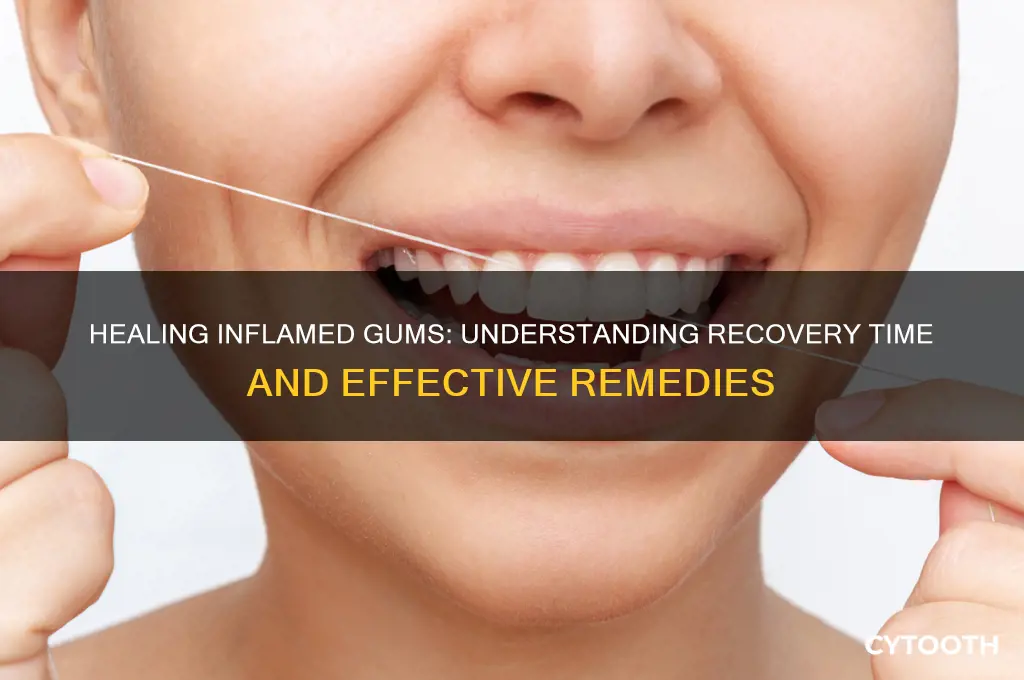
Inflamed gums, often a symptom of gingivitis or gum disease, can cause discomfort and concern for many individuals. The healing time for inflamed gums varies depending on the severity of the condition and the effectiveness of the treatment. Generally, with proper oral hygiene practices, such as regular brushing, flossing, and the use of antimicrobial mouthwash, mild cases of gum inflammation can begin to improve within a few days to a week. However, more severe cases, especially those involving periodontal disease, may require professional intervention, including deep cleaning procedures like scaling and root planing, and could take several weeks or even months to fully heal. Consistent care and, in some cases, lifestyle changes, such as quitting smoking and improving diet, are crucial for long-term recovery and prevention of recurrence.
| Characteristics | Values |
|---|---|
| Mild Gingivitis Healing Time | 1-2 weeks with proper oral hygiene and care |
| Moderate Gingivitis Healing Time | 2-4 weeks with professional cleaning and improved oral care |
| Severe Gingivitis Healing Time | 4-6 weeks or longer, may require multiple dental visits |
| Periodontitis Healing Time | Several months to years, depending on severity and treatment adherence |
| Factors Affecting Healing Time | Oral hygiene, smoking, diet, underlying health conditions, and treatment |
| Professional Treatment Required | Scaling and root planing, antibiotics, or surgery in advanced cases |
| Home Care Measures | Brushing twice daily, flossing, antiseptic mouthwash, and avoiding irritants |
| Symptom Improvement Timeline | Redness and swelling reduce within days; full healing varies by severity |
| Prevention of Recurrence | Regular dental check-ups, consistent oral hygiene, and lifestyle changes |
What You'll Learn
- Causes of Gum Inflammation: Poor oral hygiene, infections, or injuries can lead to gum inflammation
- Healing Timeline: Mild cases heal in 1-2 weeks with proper care; severe cases take longer
- Treatment Options: Brushing, flossing, antiseptic mouthwash, and professional cleanings speed up healing
- Home Remedies: Saltwater rinses, aloe vera, and turmeric can reduce inflammation and aid healing
- Prevention Tips: Regular dental check-ups, balanced diet, and avoiding tobacco prevent gum inflammation

Causes of Gum Inflammation: Poor oral hygiene, infections, or injuries can lead to gum inflammation
Gum inflammation, or gingivitis, is a common oral health issue that can stem from various causes, each requiring specific attention to ensure proper healing. Poor oral hygiene stands as the primary culprit, where plaque buildup along the gum line triggers an inflammatory response. When bacteria in plaque are not removed through regular brushing and flossing, they produce toxins that irritate the gums, leading to redness, swelling, and bleeding. For instance, individuals who skip flossing or brush inconsistently often experience early stages of gingivitis, which can progress to more severe conditions like periodontitis if left untreated.
Infections, particularly those caused by bacteria or fungi, can also inflame the gums, often manifesting as painful abscesses or persistent bad breath. For example, thrush, a fungal infection caused by Candida, may lead to gum inflammation in immunocompromised individuals or those on prolonged antibiotic treatments. Similarly, viral infections like herpes simplex can cause gum sores and swelling. Treating these infections typically involves antifungal medications, antiviral drugs, or antibiotics, depending on the cause, alongside improved oral hygiene practices to prevent recurrence.
Injuries to the gums, whether from physical trauma or improper use of oral care tools, can result in localized inflammation. Accidents like a sports injury or biting down on a hard object may cause immediate gum swelling, while aggressive brushing with a hard-bristled toothbrush can lead to chronic irritation. In such cases, healing time depends on the severity of the injury. Minor injuries often resolve within a week with gentle care, while more serious damage might require professional intervention, such as surgical repair or antimicrobial rinses to prevent infection.
Addressing gum inflammation effectively requires identifying its root cause. For hygiene-related issues, adopting a rigorous oral care routine—brushing twice daily with fluoride toothpaste, flossing daily, and using an antiseptic mouthwash—can promote healing within 1–2 weeks. Infections demand targeted treatment, often prescribed by a dentist or physician, with healing times varying from a few days to several weeks. Injuries, meanwhile, necessitate immediate attention to prevent complications, with recovery timelines ranging from days to months depending on the extent of the damage. By understanding these causes and their remedies, individuals can take proactive steps to restore gum health and prevent future issues.
Numbing Gums for Deep Dental Cleaning: What to Expect at the Dentist
You may want to see also
Healing Timeline: Mild cases heal in 1-2 weeks with proper care; severe cases take longer
The healing time for inflamed gums varies significantly depending on the severity of the condition. Mild cases, often characterized by slight redness, swelling, or bleeding during brushing, typically respond well to consistent oral hygiene practices. With proper care—such as twice-daily brushing with a soft-bristled toothbrush, flossing daily, and using an antiseptic mouthwash—these symptoms can resolve within 1 to 2 weeks. For instance, incorporating a fluoride toothpaste and reducing sugar intake can accelerate healing by minimizing bacterial growth and inflammation.
In contrast, severe cases of gum inflammation, such as those involving periodontal disease or abscesses, demand a more intensive approach and extended timeline. These conditions often require professional intervention, including deep cleaning (scaling and root planing) or antibiotics. Healing in such cases can take several weeks to months, depending on the extent of damage and the patient’s adherence to treatment. For example, a patient with advanced periodontitis might need multiple dental visits and a strict at-home regimen to see significant improvement.
Age and overall health also play a role in the healing process. Younger individuals with robust immune systems tend to recover faster, while older adults or those with compromised immunity may experience slower healing. For instance, a 30-year-old with mild gingivitis might notice relief within 10 days, whereas a 60-year-old with diabetes and severe gum disease could take 6–8 weeks to show progress. Tailoring care to individual needs—such as using alcohol-free mouthwash for sensitive gums or increasing vitamin C intake to boost collagen production—can optimize recovery.
Practical tips can further expedite healing. Rinsing with warm salt water (1/2 teaspoon of salt in 8 ounces of water) reduces inflammation and kills bacteria, while avoiding tobacco and limiting acidic foods prevents further irritation. For severe cases, following a dentist’s prescribed regimen—such as taking 500 mg of amoxicillin three times daily for infection, as directed—is critical. Monitoring symptoms and seeking follow-up care ensures the condition doesn’t worsen or recur.
Ultimately, the healing timeline for inflamed gums hinges on the severity of the issue and the consistency of care. Mild cases are manageable with diligent oral hygiene and simple remedies, yielding results within 1–2 weeks. Severe cases, however, require patience, professional intervention, and a tailored approach, often extending the recovery period to weeks or months. Understanding this distinction empowers individuals to take proactive steps toward oral health, ensuring faster and more effective healing.
Healing Bruised Gums: Understanding Recovery Time and Care Tips
You may want to see also
Treatment Options: Brushing, flossing, antiseptic mouthwash, and professional cleanings speed up healing
Inflamed gums, often a sign of gingivitis, can be a painful and concerning issue, but the healing process can be significantly accelerated with the right treatment options. The key to speeding up recovery lies in a combination of diligent oral hygiene practices and professional care. Here’s how brushing, flossing, antiseptic mouthwash, and professional cleanings work together to restore gum health.
Brushing: The Foundation of Gum Health
Effective brushing is the cornerstone of treating inflamed gums. Use a soft-bristled toothbrush to avoid further irritation, and angle the bristles 45 degrees toward the gum line. Brush twice daily for at least two minutes, focusing on gentle, circular motions rather than aggressive scrubbing. Electric toothbrushes with pressure sensors can be particularly beneficial, as they reduce the risk of overbrushing. For added protection, choose a toothpaste containing fluoride and antimicrobial agents like stannous fluoride or triclosan, which help reduce plaque and inflammation.
Flossing: Reaching Where Brushes Can’t
Flossing is non-negotiable when it comes to healing inflamed gums. It removes plaque and food particles from between teeth and along the gum line, areas that brushing alone cannot reach. Aim to floss once daily, using a gentle sawing motion to avoid snapping the floss onto the gums. For those with tight spaces or sensitivity, waxed floss or a water flosser can be more comfortable and effective. Consistent flossing can reduce gum inflammation within 1–2 weeks, though full healing may take longer depending on the severity.
Antiseptic Mouthwash: A Boost for Healing
Incorporating an antiseptic mouthwash into your routine can provide an extra layer of protection against gum inflammation. Look for products containing chlorhexidine (0.12% concentration), which reduces bacteria and promotes healing. Alternatively, natural options like tea tree oil or hydrogen peroxide (diluted to 1.5–3%) can be effective. Use mouthwash once or twice daily after brushing and flossing, swishing for 30 seconds before spitting. Avoid eating or drinking for 30 minutes afterward to maximize its efficacy. Note: Long-term use of chlorhexidine can cause staining, so limit its use to 2–4 weeks unless advised otherwise by a dentist.
Professional Cleanings: The Expert Touch
While at-home care is essential, professional cleanings are critical for speeding up the healing of inflamed gums. A dental hygienist can remove hardened plaque (tartar) that brushing and flossing cannot, reducing gum irritation and preventing further damage. For mild gingivitis, a single deep cleaning (scaling and root planing) may suffice, while more severe cases may require multiple sessions. Pairing professional cleanings with consistent at-home care can lead to noticeable improvement within 2–4 weeks, with complete healing often achieved within 4–6 weeks.
By combining these treatment options—brushing, flossing, antiseptic mouthwash, and professional cleanings—you create a comprehensive approach that addresses the root causes of gum inflammation. Consistency is key; even minor lapses in oral hygiene can prolong healing. With dedication and the right tools, inflamed gums can recover efficiently, restoring both comfort and oral health.
Gum Graft Healing Time: What to Expect After Surgery
You may want to see also
Home Remedies: Saltwater rinses, aloe vera, and turmeric can reduce inflammation and aid healing
Inflamed gums, often a symptom of gingivitis or other oral health issues, can cause discomfort and concern. While professional dental care is essential, home remedies like saltwater rinses, aloe vera, and turmeric can significantly reduce inflammation and promote healing. These natural solutions are not only accessible but also backed by traditional and emerging scientific evidence.
Saltwater Rinses: A Time-Tested Solution
A simple yet effective remedy, saltwater rinses work by reducing bacteria and soothing irritated tissues. To prepare, dissolve ½ teaspoon of salt in 8 ounces of warm water. Swish the solution in your mouth for 30 seconds, focusing on the affected area, and then spit it out. Repeat this process 2–3 times daily, especially after meals. Saltwater’s osmotic effect draws out fluids from inflamed gums, reducing swelling and pain. For best results, use this remedy alongside regular brushing and flossing. Avoid overuse, as excessive salt exposure can irritate sensitive gums.
Aloe Vera: Nature’s Anti-Inflammatory Gel
Aloe vera, known for its skin-healing properties, is equally beneficial for oral health. Its anti-inflammatory and antimicrobial compounds can accelerate gum healing. Apply a small amount of pure aloe vera gel directly to the inflamed area using a clean finger or cotton swab. Leave it on for 10 minutes before rinsing with water. Alternatively, dilute 1 tablespoon of aloe vera juice in ½ cup of water and use it as a mouthwash. Repeat this treatment twice daily. Aloe vera is safe for adults and children over 12, but consult a dentist if symptoms persist.
Turmeric: The Golden Healer
Turmeric, rich in curcumin, is a powerful anti-inflammatory and antioxidant. Create a paste by mixing ¼ teaspoon of turmeric powder with a few drops of water. Apply the paste to the inflamed gums for 5–10 minutes, then rinse thoroughly. For a milder approach, add ½ teaspoon of turmeric to a glass of warm milk or water and drink daily. Be cautious, as turmeric can temporarily stain teeth and gums. To minimize staining, rinse your mouth with water immediately after use. This remedy is suitable for adults but should be used sparingly in children.
Combining Remedies for Optimal Results
For maximum effectiveness, combine these remedies in a daily routine. Start with a saltwater rinse in the morning to cleanse the mouth, apply aloe vera gel midday to reduce inflammation, and end with a turmeric rinse or drink in the evening. Consistency is key; most users notice improvement within 3–7 days, though complete healing may take 1–2 weeks depending on the severity of inflammation. Always monitor your symptoms and consult a dentist if there’s no improvement or if pain worsens.
By integrating these home remedies into your oral care routine, you can alleviate gum inflammation and support the healing process naturally. However, they are not a substitute for professional dental treatment, especially if inflammation is due to underlying conditions like periodontal disease. Use these remedies as complementary tools to maintain oral health and comfort.
Dentures In or Out: Which Speeds Up Gum Healing?
You may want to see also
Prevention Tips: Regular dental check-ups, balanced diet, and avoiding tobacco prevent gum inflammation
Inflamed gums, or gingivitis, can be a painful and uncomfortable condition, but the healing time varies depending on the severity and the steps taken to address the issue. While mild cases may resolve within 1–2 weeks with proper care, more advanced inflammation can take several weeks or even months to heal completely. The key to expediting recovery and preventing recurrence lies in proactive measures that address the root causes of gum inflammation.
Regular dental check-ups are the cornerstone of gum health. Dentists recommend biannual visits for most adults, though individuals with a history of gum disease or other risk factors may need more frequent appointments. During these check-ups, dental professionals remove plaque and tartar buildup—primary culprits behind gum inflammation—that cannot be eliminated through brushing and flossing alone. Early detection of gingivitis during these visits allows for prompt intervention, often preventing the condition from progressing to periodontitis, a more severe form of gum disease that can lead to tooth loss.
A balanced diet plays a pivotal role in maintaining gum health. Foods rich in vitamin C, such as oranges, strawberries, and bell peppers, strengthen gum tissue and promote healing. Calcium and phosphorus, found in dairy products, leafy greens, and nuts, fortify tooth enamel and support overall oral health. Conversely, limiting sugary and acidic foods reduces the risk of plaque formation and enamel erosion, both of which contribute to gum inflammation. For instance, swapping sugary snacks for crunchy vegetables like carrots or celery not only satisfies cravings but also naturally cleanses the teeth and gums.
Avoiding tobacco is non-negotiable for preventing gum inflammation. Smoking and chewing tobacco restrict blood flow to the gums, impairing their ability to heal and fight infection. Studies show that smokers are twice as likely to develop gum disease compared to non-smokers, and the risk increases with the duration and frequency of tobacco use. Quitting tobacco not only improves gum health but also reduces the likelihood of other serious health issues, such as heart disease and cancer. Resources like nicotine replacement therapy, counseling, and support groups can aid in the cessation process, offering a pathway to better oral and overall health.
By integrating these prevention tips into daily life, individuals can significantly reduce the risk of gum inflammation and its associated complications. Regular dental check-ups ensure professional monitoring and maintenance, a balanced diet provides essential nutrients for gum health, and avoiding tobacco eliminates a major risk factor. Together, these measures create a robust defense against gingivitis, fostering a healthier smile and a higher quality of life.
Healing Timeline for Cut Gums: What to Expect and How to Care
You may want to see also
Frequently asked questions
Mild gum inflammation (gingivitis) typically heals within 1-2 weeks with proper oral hygiene, including regular brushing, flossing, and rinsing with an antiseptic mouthwash.
Severe gum inflammation (periodontitis) may take 4-6 weeks or longer to heal, depending on the extent of damage and treatment, which may include professional dental cleanings, antibiotics, or surgery.
Yes, quitting smoking, reducing sugar intake, eating a balanced diet, and maintaining consistent oral care can significantly speed up the healing process for inflamed gums.