Logan Hayes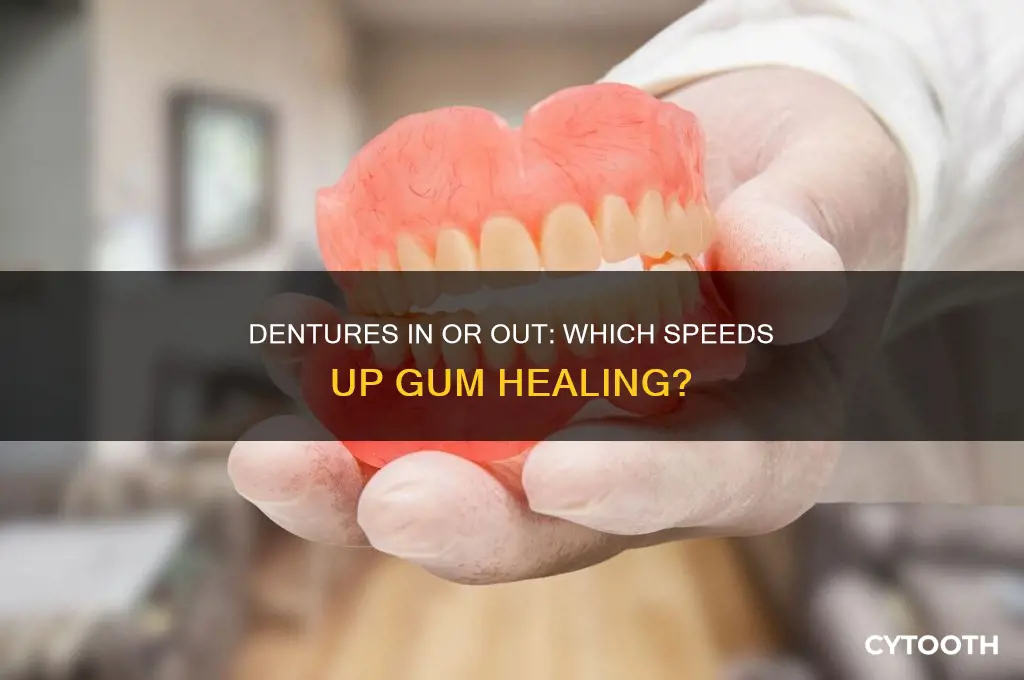
When considering whether gums heal faster with dentures in or out, it's essential to understand the balance between comfort, hygiene, and the body's natural healing process. Dentures can provide support and protection to the gums, potentially reducing irritation from external factors, but they may also trap food particles and bacteria, hindering healing if not cleaned properly. On the other hand, removing dentures allows for better airflow and easier cleaning, which can promote faster healing by reducing the risk of infection. Ultimately, the decision often depends on the individual's specific condition, the type of denture, and guidance from a dental professional, who can recommend the best approach to ensure optimal gum health during the healing process.
| Characteristics | Values |
|---|---|
| Healing with Dentures In | May provide some protection to the gums and underlying bone, potentially reducing irritation from food particles. |
| Healing with Dentures Out | Allows for better airflow and access for cleaning, promoting faster healing and reducing the risk of infection. |
| Pressure on Gums | Dentures in can exert pressure on healing gums, potentially slowing down the healing process. |
| Oral Hygiene | Easier to maintain good oral hygiene with dentures out, as cleaning the gums and denture area is more accessible. |
| Risk of Infection | Higher risk of infection with dentures in due to trapped food particles and reduced airflow. |
| Comfort | Some individuals may find wearing dentures during healing uncomfortable, while others prefer the support. |
| Bone Resorption | Dentures in might help maintain the shape of the gums and reduce bone resorption, but this is still debated. |
| Healing Time | Generally, gums may heal faster with dentures out due to reduced pressure and improved hygiene, but individual experiences vary. |
| Professional Recommendation | Dentists often advise removing dentures during sleep and for a few hours daily to allow gums to rest and heal, especially after extractions. |
| Individual Variation | Healing rates can differ significantly based on overall health, oral hygiene practices, and the reason for denture use. |
What You'll Learn
- Denture Wear Impact: Does wearing dentures speed up gum tissue healing post-extraction or surgery
- Oxygenation Effect: Removing dentures may increase oxygen flow, aiding faster gum recovery
- Pressure and Healing: Dentures might apply pressure, slowing or aiding gum tissue repair
- Cleanliness Factor: Keeping dentures out ensures easier cleaning, reducing infection risk for quicker healing
- Professional Recommendations: Dentists’ advice on whether to wear dentures during gum healing phases

Denture Wear Impact: Does wearing dentures speed up gum tissue healing post-extraction or surgery?
Wearing dentures immediately after tooth extraction or oral surgery is a common practice, but its impact on gum tissue healing remains a subject of debate. Proponents argue that dentures provide a protective barrier, reducing irritation from food particles and stabilizing the clot at the extraction site. However, opponents caution that improper fit or prolonged wear can impede blood flow, delay healing, and increase the risk of infection. This delicate balance between protection and potential harm necessitates a nuanced understanding of when and how dentures should be used during the healing process.
From an analytical perspective, the role of dentures in post-extraction healing hinges on several factors, including the type of extraction, the patient’s oral health, and the denture’s fit. Immediate dentures, worn right after tooth removal, are often custom-fitted to minimize trauma to the gums. However, they require precise adjustments to avoid pressure sores or tissue inflammation. Partial dentures, on the other hand, may allow better airflow and cleaning access but can still irritate adjacent gums if not properly aligned. Studies suggest that well-fitted dentures can promote healing by maintaining gum contour and preventing bone resorption, but ill-fitting ones may exacerbate discomfort and prolong recovery.
Instructively, patients considering denture wear post-extraction should follow specific guidelines to optimize healing. Dentures should be worn as directed by the dentist, typically full-time for the first 24–48 hours to control bleeding and swelling, followed by gradual reduction in wear time to allow gum tissue to breathe. Cleaning both the dentures and gums twice daily with a soft brush and mild antiseptic solution is essential to prevent bacterial buildup. Patients should also avoid hot foods and adhesives during the initial healing phase, as these can irritate the gums or dislodge the blood clot. Regular follow-up appointments are crucial to monitor fit and make necessary adjustments.
Persuasively, the decision to wear dentures post-extraction should prioritize individual patient needs over generalized recommendations. For elderly patients or those with compromised immune systems, the protective benefits of dentures may outweigh the risks, provided the fit is impeccable. Conversely, younger patients with robust healing capabilities might benefit from leaving the extraction site exposed to air, which can accelerate tissue regeneration. Dentists must weigh factors like bone density, gum sensitivity, and patient compliance before advising denture use, ensuring the chosen approach aligns with the patient’s overall oral health goals.
Comparatively, the healing trajectory with dentures in versus out reveals distinct advantages and drawbacks. Wearing dentures can shield gums from external irritants and maintain facial aesthetics, but it may trap bacteria or restrict blood circulation if not managed properly. Leaving dentures out allows direct access for cleaning and promotes natural healing but may expose the gums to food debris and potential injury. A middle-ground approach, such as wearing dentures during the day and removing them at night, can balance these factors, though this strategy requires meticulous oral hygiene and frequent dental check-ins to ensure success. Ultimately, the choice should be tailored to the patient’s specific condition and guided by professional expertise.
Receding Gums or Paranoia: Understanding Your Gum Health Concerns
You may want to see also
Oxygenation Effect: Removing dentures may increase oxygen flow, aiding faster gum recovery
The human body thrives on oxygen, and this principle extends to oral tissues, particularly gums. When dentures are worn continuously, they can create a barrier that limits oxygen exposure to the underlying gums. This reduced oxygen flow may hinder the natural healing process, as oxygen is essential for cellular repair and regeneration. Removing dentures, especially during sleep, allows for increased oxygenation of the gums, potentially accelerating recovery from irritation, inflammation, or surgical procedures.
Consider the analogy of a wound on the skin. Covering it with an airtight bandage restricts oxygen, slowing healing. Conversely, exposing the wound to air promotes faster recovery. Similarly, gums benefit from periods of oxygen exposure when dentures are removed. For individuals with partial dentures, this effect may be particularly pronounced, as the uncovered gum areas can receive uninterrupted oxygen flow, fostering a healthier environment for tissue repair.
To maximize the oxygenation effect, establish a routine of removing dentures for at least 6–8 hours daily, ideally during sleep. This practice not only enhances oxygen flow but also reduces the risk of fungal infections, such as denture stomatitis, which thrive in moist, oxygen-depleted environments. For elderly patients or those with compromised immune systems, this routine is especially critical, as their healing capacity may already be diminished.
However, balance is key. Prolonged denture removal without professional guidance can lead to gum shrinkage or misalignment issues. Consult a dentist to determine the optimal duration for denture removal based on individual oral health, age, and recovery needs. Additionally, maintain meticulous oral hygiene during periods when dentures are out, gently cleaning gums with a soft brush and warm saltwater rinse to further support healing.
Incorporating this oxygenation strategy into denture care not only aids gum recovery but also promotes long-term oral health. By allowing gums to "breathe," patients can experience reduced discomfort, faster healing, and a more sustainable approach to denture wear. This simple yet effective practice underscores the importance of oxygen in oral tissue health, offering a practical solution to a common concern.
Can You Chew Gum with Braces? Orthodontic Tips and Advice
You may want to see also
Pressure and Healing: Dentures might apply pressure, slowing or aiding gum tissue repair
The pressure exerted by dentures on gum tissue is a double-edged sword in the healing process. On one hand, gentle, consistent pressure can stimulate blood flow, delivering essential nutrients and oxygen to the gums, which may accelerate tissue repair. This principle is similar to how controlled stress on bones promotes strength and density. However, excessive or uneven pressure can impede healing by causing micro-trauma, inflammation, or tissue ischemia, potentially leading to sores, infections, or delayed recovery.
To harness the benefits of pressure while minimizing risks, denture wearers must ensure a precise fit. Ill-fitting dentures are more likely to create harmful pressure points, especially during the initial healing phase after tooth extraction. Dentists often recommend soft liners or adjustments to distribute force evenly. For instance, a reline procedure can reshape the denture base to match the gum contour, reducing localized stress. Patients should also follow a gradual wear schedule, starting with a few hours daily and increasing as tolerance improves, allowing gums to adapt without overexertion.
Contrastingly, removing dentures entirely during healing might seem protective, but it deprives the gums of the stimulatory effects of pressure. Without this mechanical cue, tissue remodeling may slow, and the gums could shrink or lose density, complicating future denture fit. A balanced approach involves strategic denture use: wear them during the day for stimulation but remove them at night to allow uninterrupted blood flow and reduce cumulative stress. This regimen mimics natural oral dynamics, promoting healing without overburdening the tissue.
Practical tips include using denture adhesives to stabilize the prosthesis and minimize movement-related friction. Patients should also maintain impeccable oral hygiene, as debris trapped under dentures can exacerbate pressure-induced irritation. Regular dental check-ups are crucial, as even minor changes in gum shape or denture alignment can shift pressure distribution. For post-extraction patients, dentists may prescribe anti-inflammatory medications or recommend cold compresses to manage swelling and optimize pressure conditions for healing.
Ultimately, the role of pressure in gum healing with dentures depends on its intensity, distribution, and duration. When managed correctly, it can act as a catalyst for tissue repair, but when mismanaged, it becomes a hindrance. Patients and practitioners must collaborate to fine-tune denture use, ensuring pressure serves as an ally rather than an adversary in the healing journey. This nuanced approach transforms dentures from passive replacements into active participants in oral health restoration.
Cleanliness Factor: Keeping dentures out ensures easier cleaning, reducing infection risk for quicker healing
Maintaining optimal oral hygiene is crucial when considering whether to keep dentures in or out during the gum healing process. The cleanliness factor plays a pivotal role in this decision, as it directly impacts the risk of infection and, consequently, the speed of recovery. When dentures are removed, the cleaning process becomes significantly more straightforward. This is because the gums and the denture surface can be thoroughly cleaned without the obstruction of the prosthetic device. For instance, using a soft-bristled toothbrush and a non-abrasive cleaner, individuals can gently brush their gums to remove any debris or plaque buildup, a task that is far more challenging with dentures in place.
From an analytical perspective, the risk of infection is a critical concern during the healing process. Dentures, when worn continuously, can trap food particles and bacteria against the gums, creating an environment conducive to infection. This is particularly problematic for individuals with compromised immune systems or those who have recently undergone oral surgery. By keeping dentures out, especially during the initial healing phase, patients can minimize this risk. A study published in the *Journal of Oral Rehabilitation* highlights that proper denture hygiene can reduce the incidence of denture-related stomatitis, a common infection, by up to 40%. This underscores the importance of cleanliness in promoting faster and safer healing.
Instructively, here are practical steps to ensure optimal cleanliness when dentures are kept out: First, rinse the mouth with a mild saltwater solution (1/2 teaspoon of salt in 8 ounces of warm water) twice daily to reduce bacteria and soothe gums. Second, clean dentures over a folded towel or a basin of water to prevent breakage if dropped. Use a denture brush and a cleaner recommended by your dentist, avoiding harsh toothpaste that can scratch the surface. Third, massage your gums gently with a clean finger or a soft toothbrush to stimulate circulation and remove any remaining debris. These steps not only maintain oral hygiene but also prepare the gums for reinserting dentures once healing is sufficient.
Comparatively, while some argue that keeping dentures in provides support and protection to the gums, the potential drawbacks outweigh these benefits in terms of cleanliness. Dentures in place can hinder the natural cleaning mechanisms of saliva and tongue movement, leading to a higher risk of infection. For example, a case study in *Clinical Oral Investigations* documented a patient who developed a severe gum infection due to wearing dentures continuously post-extraction, which could have been prevented with proper cleaning and periodic removal. This highlights the importance of prioritizing cleanliness over perceived comfort or convenience.
In conclusion, the cleanliness factor is a decisive element in determining whether gums heal faster with dentures in or out. Keeping dentures out facilitates thorough cleaning, significantly reducing the risk of infection and promoting a quicker healing process. By following specific hygiene practices and understanding the comparative risks, individuals can make informed decisions that prioritize their oral health. This approach not only ensures a smoother recovery but also contributes to long-term oral well-being.
Professional Recommendations: Dentists’ advice on whether to wear dentures during gum healing phases
Dentists often emphasize the importance of a balanced approach when it comes to wearing dentures during the gum healing process. The decision to keep dentures in or out depends on several factors, including the type of denture, the extent of gum damage, and the patient’s overall oral health. For instance, immediate dentures, worn right after tooth extraction, are typically recommended to be kept in place for the first 24 to 48 hours to control bleeding and reduce swelling. However, after this initial period, partial removal for cleaning and to allow gums to breathe becomes crucial. This dual approach ensures both stability and healing, highlighting the need for personalized advice from a dental professional.
Instructive guidance from dentists often includes a step-by-step protocol for denture wear during healing. Patients are advised to wear dentures during the day for the first few weeks, gradually increasing wear time as tolerance improves. Nighttime removal is almost universally recommended to allow gums and tissues to recover from the pressure exerted by dentures. Cleaning both the dentures and gums twice daily with a soft brush and mild cleanser is essential to prevent infection. Dentists may also prescribe antimicrobial mouth rinses, such as chlorhexidine (0.12% concentration), to be used for 30 seconds twice daily, especially in cases of significant gum trauma or inflammation.
A comparative analysis reveals that while dentures provide structural support and aid in chewing, prolonged wear can impede healing by restricting blood flow and oxygenation to the gums. Studies show that patients who remove dentures for 6–8 hours daily experience faster epithelialization (the process of tissue regrowth) compared to those who wear them continuously. However, removing dentures too frequently or for extended periods can lead to discomfort and instability, particularly with immediate dentures. Dentists often recommend a middle ground: wearing dentures for 10–12 hours daily, followed by removal and gentle gum massage to stimulate circulation.
Persuasively, dentists argue that patient compliance is the linchpin of successful gum healing with dentures. Ignoring professional advice, such as overwearing dentures or neglecting oral hygiene, can lead to complications like denture stomatitis (inflammation of the mouth lining) or delayed healing. Practical tips include using denture adhesives sparingly to avoid trapping debris, avoiding hot foods and beverages that can warp dentures, and scheduling follow-up appointments every 2–4 weeks to monitor healing progress. For older adults or patients with limited dexterity, dentists may suggest using denture brushes with extended handles or seeking assistance from caregivers to ensure proper cleaning.
In conclusion, dentists advocate for a tailored approach to wearing dentures during gum healing, balancing support and rest. Immediate dentures require initial continuous wear, followed by a structured removal schedule. Daily cleaning, antimicrobial rinses, and gradual wear adjustments are key to preventing complications. By adhering to professional recommendations, patients can optimize healing while maintaining comfort and functionality. Always consult a dentist for a personalized plan, as individual needs can vary significantly based on oral health and denture type.
Frequently asked questions
It’s generally recommended to remove dentures at night to allow your gums and tissues to rest and heal. However, during the initial healing phase after tooth extraction, your dentist may advise keeping dentures in to protect the gums and promote healing. Always follow your dentist’s specific instructions.
Wearing dentures immediately after tooth extraction can provide support and protection to the gums, potentially aiding the healing process. However, improper fit or excessive wear can irritate the gums and delay healing. Consult your dentist for personalized advice.
Leaving dentures out for extended periods during the initial healing phase may expose gums to potential irritation or infection, especially if they’re still sensitive. However, giving your gums periodic rest without dentures is important for long-term health. Balance is key, and your dentist can guide you.
During the initial healing period, your dentist may recommend removing dentures for short periods daily to clean them and allow your gums to breathe. At night, it’s generally advised to remove dentures for 6–8 hours. Follow your dentist’s guidance for your specific situation.