Hailey Morgan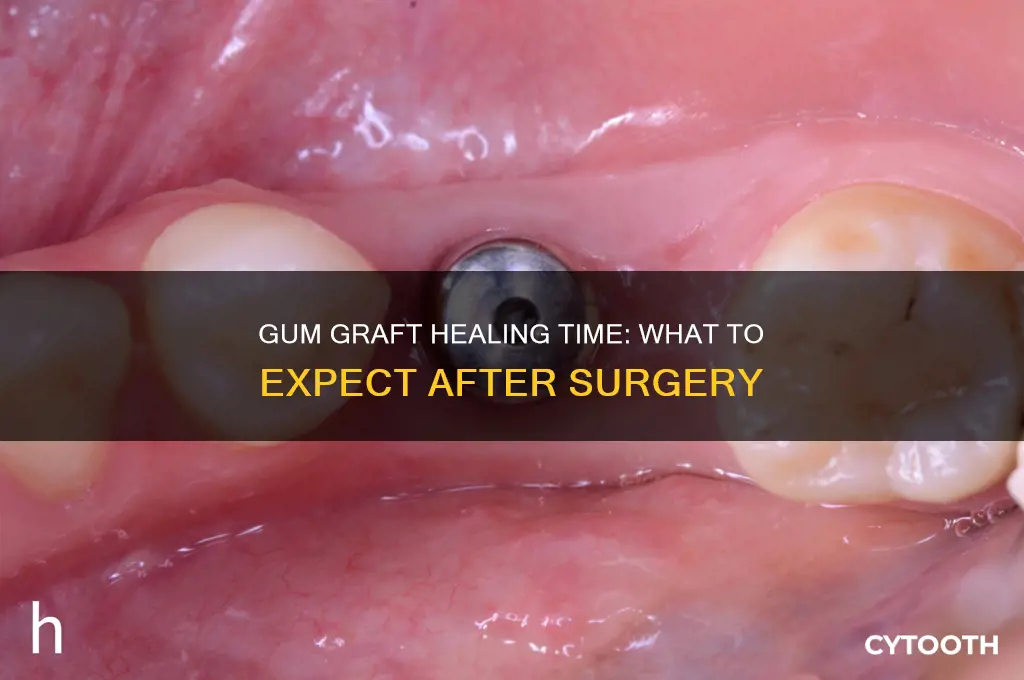
Gum grafts are a common dental procedure aimed at addressing gum recession and restoring oral health, but patients often wonder about the healing timeline. Typically, the initial healing phase for a gum graft takes about one to two weeks, during which discomfort, swelling, and minor bleeding may occur. However, complete healing and integration of the grafted tissue can take up to three to six months, depending on the individual’s overall health, oral hygiene practices, and the extent of the procedure. During this period, it’s crucial to follow post-operative care instructions, such as avoiding hard or crunchy foods and maintaining gentle oral hygiene, to ensure optimal healing and long-term success.
| Characteristics | Values |
|---|---|
| Average Healing Time | 1-2 weeks for initial healing; full recovery may take 3-6 months |
| Pain Level | Mild to moderate; manageable with pain medication |
| Swelling Duration | 1-2 weeks |
| Stitching Removal | Absorbable stitches dissolve on their own; non-absorbable removed in 1-2 weeks |
| Diet Restrictions | Soft foods for 1-2 weeks; avoid hot, spicy, or crunchy foods |
| Oral Hygiene | Gentle brushing and rinsing with saltwater or prescribed mouthwash |
| Physical Activity | Avoid strenuous activity for 48-72 hours |
| Follow-Up Appointments | Typically 1-2 weeks after surgery and again at 3-6 months |
| Complete Tissue Integration | 3-6 months for the graft to fully integrate with existing gum tissue |
| Sensitivity | Temporary sensitivity to hot or cold may last a few weeks |
| Smoking Impact | Smoking can significantly delay healing and increase risk of complications |
| Complications | Rare, but may include infection, graft failure, or excessive bleeding |
| Final Aesthetic Results | Visible improvement in gum appearance after 3-6 months |
What You'll Learn

Initial Recovery Time
The first 24 to 48 hours after a gum graft are critical for setting the stage for a smooth recovery. During this period, the body initiates its natural healing process, focusing on reducing inflammation and stabilizing the grafted tissue. Patients are typically advised to avoid any strenuous activity, as increased blood pressure can disrupt the delicate healing site. Applying an ice pack to the affected area for 15 to 20 minutes at a time, with breaks in between, can help minimize swelling and discomfort. It’s also essential to keep the head elevated, even while sleeping, to reduce blood flow to the surgical area and prevent excessive bruising.
Pain management is a key aspect of this initial phase. Over-the-counter pain relievers like ibuprofen (200–400 mg every 6–8 hours) or acetaminophen (500–1000 mg every 4–6 hours) are commonly recommended, but patients should avoid aspirin, as it can increase bleeding risk. Prescription pain medication may be provided for more intense discomfort, though it’s important to follow the dosage instructions carefully. Avoiding hot foods and beverages during this time is crucial, as heat can exacerbate swelling and potentially dislodge the graft.
Oral hygiene must be modified but not neglected. Brushing should be done gently, avoiding the surgical site entirely for the first few days. Rinsing with a warm saltwater solution (1/2 teaspoon of salt in 8 ounces of water) 4 to 5 times a day can help keep the mouth clean and promote healing. Chlorhexidine mouthwash, if prescribed, should be used as directed, typically twice daily after the first 24 hours. Patients should also refrain from using straws, as the suction can disturb the graft.
Diet plays a significant role in these initial days. Soft, cool foods like yogurt, mashed potatoes, and smoothies are ideal, as they require minimal chewing and pose no risk to the graft. Spicy, crunchy, or acidic foods should be avoided, as they can irritate the surgical site and impede healing. Staying hydrated is essential, but liquids should be sipped slowly rather than consumed through forceful drinking motions.
By the end of this initial recovery period, most patients notice a reduction in pain and swelling, though complete healing is still weeks away. Adhering to these guidelines not only ensures the graft’s stability but also lays the foundation for a successful long-term outcome. Patience and diligence during these first few days are paramount, as they significantly influence the overall healing trajectory.
Receding Gums or Paranoia: Understanding Your Gum Health Concerns
You may want to see also
Pain and Discomfort Duration
Pain after a gum graft typically peaks within the first 24 to 48 hours post-surgery. During this period, the surgical site is most sensitive, and inflammation is at its highest. Patients often describe the discomfort as a throbbing or aching sensation, concentrated around the grafted area. Over-the-counter pain relievers like ibuprofen (600–800 mg every 6–8 hours) or acetaminophen (500–1000 mg every 4–6 hours) can effectively manage this pain. It’s crucial to follow the recommended dosage and avoid exceeding the daily maximum to prevent complications like liver damage or stomach irritation.
As the initial pain subsides, patients may notice a shift in discomfort to the donor site, if tissue was harvested from the palate. This secondary discomfort usually lasts 5 to 7 days and is characterized by soreness or a raw feeling. Rinsing with a warm saltwater solution (1/2 teaspoon of salt in 8 ounces of water) 4–5 times daily can soothe the donor site and promote healing. Avoiding spicy, acidic, or crunchy foods during this period minimizes irritation and allows the area to recover more comfortably.
By the end of the first week, most patients experience a significant reduction in pain, though some sensitivity may persist. At this stage, discomfort is often more situational—triggered by brushing, flossing, or consuming hot or cold foods. Using a soft-bristled toothbrush and avoiding direct contact with the grafted area can prevent unnecessary irritation. Patients should also continue with prescribed mouth rinses, such as chlorhexidine, to reduce the risk of infection and support healing.
For some individuals, particularly those with extensive grafts or pre-existing conditions like diabetes, discomfort may extend beyond the typical 7–10 day window. Persistent pain or swelling after two weeks warrants a follow-up with the periodontist to rule out complications like infection or graft failure. Adhering to post-operative instructions, including dietary restrictions and medication regimens, is essential for minimizing prolonged discomfort and ensuring a smooth recovery.
Numbing Gums for Deep Dental Cleaning: What to Expect at the Dentist
You may want to see also
Dietary Restrictions Period
After a gum graft, the first 72 hours are critical for healing. During this period, dietary restrictions are non-negotiable. Stick to a liquid or soft food diet to avoid disrupting the surgical site. Think smoothies, mashed potatoes, and yogurt—nothing hot, spicy, or crunchy. Even the slightest pressure from chewing hard foods can dislodge the graft, setting back healing by days or even weeks. Pro tip: Use a straw sparingly or not at all, as suction can create pressure that compromises the graft.
As you move into days 4–7, gradually reintroduce semi-soft foods, but proceed with caution. Scrambled eggs, well-cooked pasta, and ripe bananas are good options. Avoid acidic foods like citrus fruits or tomatoes, as they can irritate the graft site. Similarly, steer clear of alcohol and tobacco, which impair blood flow and slow healing. If you’re unsure about a food, ask yourself: Can it be easily mashed with a fork? If not, it’s best to skip it.
By weeks 2–3, most patients can tolerate a wider range of foods, but hard, sticky, or crunchy items should still be avoided. Think of this phase as a test of patience. While you might crave a crunchy apple or a bag of chips, the risk of damaging the graft remains. Instead, opt for steamed vegetables, soft breads, and well-cooked grains. Hydration is key, so drink plenty of water, but avoid carbonated drinks, which can cause unnecessary pressure in the mouth.
For those with specific dietary needs, such as diabetics or vegetarians, modifications are possible but require careful planning. Diabetics should monitor sugar intake in liquid diets, opting for unsweetened options or sugar substitutes. Vegetarians can rely on protein-rich soft foods like tofu, lentils, and nut butters (if tolerated). Always consult your dentist or dietitian to tailor restrictions to your health needs. Remember, the goal is to nourish your body without compromising the healing process.
In the final stretch, weeks 4–6, most dietary restrictions are lifted, but listen to your body. If chewing still causes discomfort, continue with softer foods until fully healed. This period is also a good time to adopt long-term oral health habits, such as avoiding excessive sugar and maintaining a balanced diet. Think of this phase as a reset for your oral health—a chance to build habits that protect your gums for years to come. Patience now pays off in the form of a successful, lasting gum graft.
Healing Bruised Gums: Understanding Recovery Time and Care Tips
You may want to see also
Suture Removal Timeline
Suture removal is a critical step in the gum graft healing process, marking a transition from initial recovery to advanced tissue regeneration. Typically, non-absorbable sutures used in gum graft procedures are removed 7 to 14 days post-surgery, depending on the graft type and individual healing rates. Absorbable sutures, on the other hand, dissolve gradually over 2 to 6 weeks, eliminating the need for removal. The timeline is influenced by factors such as oral hygiene, patient compliance, and the surgeon’s technique. Early removal risks suture exposure and graft instability, while delayed removal may cause discomfort or tissue irritation.
Analyzing the suture removal timeline reveals its role in minimizing complications. For instance, removing sutures too soon can compromise the graft’s integration with the surrounding tissue, potentially leading to graft failure or recession. Conversely, leaving non-absorbable sutures in place for too long increases the risk of inflammation or infection. Dentists often assess healing progress before removal, looking for signs of stable tissue attachment and minimal swelling. Patients with systemic conditions like diabetes or those who smoke may experience delayed healing, necessitating a longer suture retention period.
Instructive guidance for patients emphasizes the importance of post-removal care. After suture removal, patients should continue rinsing with antimicrobial mouthwash and avoiding hard or sticky foods for at least another week. Gentle brushing around the graft site is encouraged to prevent plaque buildup, which can hinder healing. Pain or bleeding post-removal should be reported immediately, as it may indicate infection or graft displacement. Adhering to these steps ensures the graft remains secure and promotes optimal tissue maturation.
Comparatively, suture removal timelines in gum grafting differ from other oral surgeries due to the delicate nature of soft tissue regeneration. For example, dental implant surgeries often involve sutures that remain in place for 10 to 14 days, while wisdom tooth extractions may require sutures for only 5 to 7 days. Gum grafts, however, demand a more cautious approach due to the graft’s vulnerability during the initial healing phase. This distinction underscores the need for personalized care plans tailored to the procedure’s unique demands.
Descriptively, the suture removal appointment is a quick, minimally invasive process. The dentist uses fine instruments to gently lift and remove each suture, a procedure that typically takes less than 10 minutes. Patients may experience mild discomfort or a tugging sensation but rarely require anesthesia. Post-removal, the graft site may appear slightly red or swollen, which is normal and subsides within a few days. This step signifies a milestone in the healing journey, allowing the graft to enter the final stages of integration and strengthening.
Effective Ways to Heal Gum Cuts: Tips for Quick Recovery
You may want to see also
Full Healing and Results
The healing timeline for gum grafts is a gradual process, typically spanning several weeks to months, with full results becoming apparent over time. Initially, the first 1-2 weeks are critical for wound stabilization, during which patients must adhere to a soft diet, avoid vigorous rinsing, and maintain gentle oral hygiene. Sutures, if non-absorbable, are usually removed after 7-10 days, marking the first milestone in the healing journey. Swelling and discomfort subside significantly by the end of the second week, but the grafted area remains delicate.
By weeks 3-6, the graft begins to integrate with the surrounding tissue, and patients often notice reduced sensitivity in the treated area. However, this phase requires patience, as the gum tissue continues to remodel and strengthen. It’s essential to avoid irritants like tobacco, alcohol-based mouthwashes, and hard or sticky foods, as these can compromise healing. Regular follow-up appointments with the periodontist are crucial to monitor progress and address any complications, such as infection or graft failure.
Full healing and final aesthetic results typically emerge between 3-6 months post-procedure. During this period, the gum tissue matures, and the graft blends seamlessly with the natural gum line. Patients may notice subtle changes in color and texture as the tissue stabilizes. For those undergoing gum grafts for cosmetic reasons, the final contour and symmetry become evident, enhancing both function and appearance. However, individual healing rates vary based on factors like age, overall health, and adherence to post-operative care.
To optimize long-term results, patients should maintain excellent oral hygiene, including twice-daily brushing with a soft-bristled toothbrush and daily flossing. Using a non-alcoholic antimicrobial mouthwash can also support gum health. Regular dental check-ups every six months are vital to prevent recurrence of gum recession and ensure the graft remains intact. With proper care, gum grafts can provide durable, lasting benefits, restoring both oral health and confidence.
Can You Chew Gum with Braces? Orthodontic Tips and Advice
You may want to see also
Frequently asked questions
The initial healing phase typically takes about 1-2 weeks, during which swelling, discomfort, and minor bleeding may occur.
Most patients can resume gentle brushing and flossing after 1-2 weeks, but it’s important to follow your dentist’s specific instructions to avoid irritating the graft site.
Full integration and stabilization of the graft usually take 3-6 months, though the graft continues to mature and strengthen over time.
Patients are typically advised to stick to a soft or liquid diet for the first 1-2 weeks, gradually reintroducing solid foods as healing progresses.