Ethan Brooks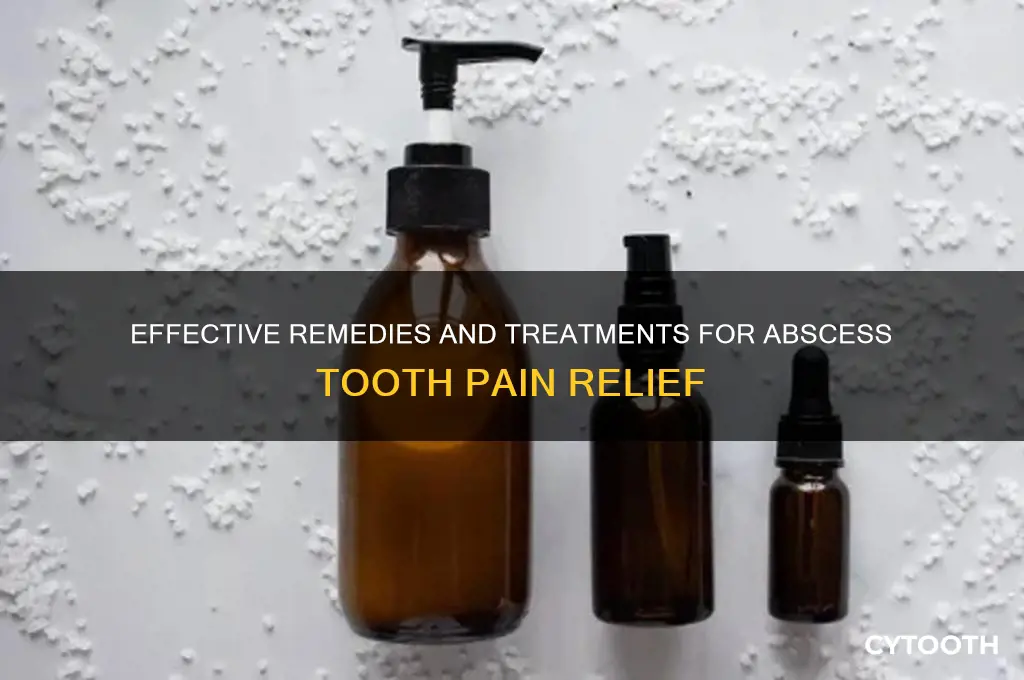
An abscessed tooth is a painful infection that occurs when bacteria invade the dental pulp or the gums, leading to swelling, pus formation, and severe discomfort. When dealing with this condition, prompt treatment is essential to alleviate pain and prevent further complications. Common remedies include over-the-counter pain relievers like ibuprofen, warm saltwater rinses to reduce inflammation, and applying a cold compress to the affected area. However, these measures are temporary, and professional dental care is crucial. A dentist may prescribe antibiotics to combat the infection, perform a root canal to remove the infected tissue, or, in severe cases, extract the tooth. It’s important to avoid self-medicating with home remedies alone, as untreated abscesses can lead to serious health issues, including systemic infections. Seeking immediate dental attention is the most effective way to address an abscessed tooth and ensure proper healing.
| Characteristics | Values |
|---|---|
| Antibiotics | Prescribed if infection has spread (e.g., amoxicillin, clindamycin, metronidazole) |
| Pain Relief | Over-the-counter painkillers like ibuprofen or acetaminophen |
| Warm Saltwater Rinse | Reduces pain and draws out pus |
| Dental Drainage | Dentist may drain the abscess to relieve pressure and remove infection |
| Root Canal Therapy | Recommended if the tooth can be saved |
| Tooth Extraction | Necessary if the tooth is severely damaged or cannot be saved |
| Cold Compress | Reduces swelling and numbs the area |
| Soft Diet | Avoid hard or chewy foods to minimize discomfort |
| Oral Hygiene | Gentle brushing and flossing to prevent further infection |
| Hydration | Drink plenty of water to aid healing and flush out toxins |
| Avoid Alcohol/Tobacco | These can worsen infection and delay healing |
| Follow-Up Care | Regular dental check-ups to monitor healing and prevent recurrence |
What You'll Learn

Antibiotics for infection control
Antibiotics play a crucial role in managing dental abscesses by targeting the bacterial infection at its core. When a tooth abscess forms, bacteria multiply within the confined space, leading to swelling, pain, and potential systemic complications. Prescribing antibiotics promptly can halt the infection’s progression, reduce inflammation, and prevent the spread of bacteria to other parts of the body. Common antibiotics for dental abscesses include amoxicillin, clindamycin, and metronidazole, chosen based on the suspected bacteria and patient allergies. However, antibiotics alone are not a cure—they must be paired with dental intervention, such as drainage or root canal treatment, to address the source of the infection.
The choice of antibiotic and dosage depends on the severity of the infection and the patient’s medical history. For mild to moderate cases, amoxicillin is often the first-line treatment, typically prescribed at 500 mg every 8 hours for adults. If the patient is allergic to penicillin, clindamycin (300 mg every 6 hours) or metronidazole (500 mg every 8 hours) may be alternatives. For children, dosages are weight-based, with amoxicillin commonly given at 25–50 mg/kg/day divided into doses. It’s essential to complete the full course of antibiotics, even if symptoms improve quickly, to avoid antibiotic resistance and recurrence of the infection. Always consult a dentist or physician for a tailored treatment plan.
While antibiotics are effective in controlling infection, they come with potential side effects and risks. Common side effects include gastrointestinal upset, such as nausea or diarrhea, and allergic reactions like rash or itching. Prolonged use of antibiotics can disrupt the natural balance of gut flora, leading to conditions like *Clostridioides difficile* infection. To minimize these risks, patients should take probiotics alongside antibiotics to support gut health. Additionally, overuse of antibiotics contributes to the global issue of antibiotic resistance, making future infections harder to treat. Dentists often reserve antibiotics for cases where the infection is spreading or the patient is immunocompromised, emphasizing the need for judicious use.
Practical tips can enhance the effectiveness of antibiotic treatment for a tooth abscess. Take antibiotics with food to reduce stomach irritation, and avoid alcohol, as it can interfere with the medication’s efficacy. Maintain good oral hygiene during treatment to prevent further bacterial growth, and apply cold compresses to reduce swelling. If symptoms worsen or persist after 48 hours of antibiotic use, seek immediate dental care, as this may indicate treatment failure or a deeper issue. Remember, antibiotics are a temporary solution—scheduling a dental appointment for definitive treatment, such as a root canal or extraction, is non-negotiable for long-term resolution.
Tooth Abscess Treatment: Immediate Steps and When to See a Dentist
You may want to see also
Pain relief medications
Over-the-counter pain relievers are often the first line of defense against the excruciating pain of an abscessed tooth. Nonsteroidal anti-inflammatory drugs (NSAIDs) like ibuprofen (Advil, Motrin) and naproxen (Aleve) are particularly effective because they reduce both pain and inflammation. For adults, a typical dose is 400–600 mg of ibuprofen every 6 hours or 220–440 mg of naproxen every 8–12 hours. Acetaminophen (Tylenol) is another option, especially for those who cannot tolerate NSAIDs, with a recommended dose of 650–1000 mg every 4–6 hours for adults. Always follow the label instructions and avoid exceeding the maximum daily dose to prevent liver damage or gastrointestinal issues.
While NSAIDs and acetaminophen are effective for mild to moderate pain, severe cases may require stronger relief. Prescription opioids like hydrocodone or oxycodone can be prescribed by a dentist or physician, but these come with significant risks, including addiction and side effects like nausea and constipation. They should only be used short-term and under strict medical supervision. Topical numbing agents containing benzocaine (e.g., Orajel) can provide temporary relief by desensitizing the affected area, but they are not a substitute for addressing the underlying infection.
Combining pain relievers with proper oral hygiene can enhance their effectiveness. Rinsing with warm salt water several times a day can reduce inflammation and soothe the area, making pain management more bearable. Avoid applying aspirin directly to the tooth, as this can damage gum tissue. Instead, take medications orally as directed. For children, consult a pediatrician or dentist before administering any pain reliever, as dosages are weight-based and differ significantly from adult recommendations.
The key to using pain relief medications for an abscessed tooth is understanding their limitations. These drugs mask symptoms but do not treat the infection itself, which requires antibiotics or dental intervention. Prolonged reliance on pain relievers without addressing the root cause can lead to complications, such as the spread of infection or tooth loss. Use these medications as a temporary measure while scheduling an immediate dental appointment to ensure proper treatment.
Abscessed Tooth Treatment: What to Expect and How to Heal
You may want to see also
Warm salt water rinses
While warm salt water rinses are generally safe for all ages, they are particularly beneficial for adults and older children who can follow instructions precisely. For younger children, supervision is essential to prevent swallowing large amounts of salt water, which could lead to nausea or upset stomach. It’s important to note that this remedy is not a substitute for professional treatment but rather a complementary measure to manage symptoms. If pain persists or worsens, consult a dentist immediately, as an abscess can lead to serious complications if left untreated.
Comparatively, warm salt water rinses stand out for their accessibility and minimal side effects when contrasted with over-the-counter pain relievers or antibiotics, which may require prescriptions or carry risks of allergic reactions. Unlike chemical mouthwashes, this natural approach avoids harsh ingredients that could irritate sensitive tissues. However, its effectiveness is limited to symptom management; it does not address the underlying infection. For this reason, combining rinses with professional intervention is crucial for long-term resolution.
Practically, incorporating warm salt water rinses into your routine requires minimal effort but yields noticeable benefits. Keep the solution at a lukewarm temperature to avoid damaging oral tissues, and use a clean glass each time to prevent contamination. For added comfort, follow the rinse with a cold compress on the outside of the cheek to further reduce swelling. While this remedy may not be a cure-all, its simplicity and effectiveness make it a valuable tool in managing the acute discomfort of an abscessed tooth.
Effective Treatments for Tooth Abscess: What Dentists Do to Relieve Pain
You may want to see also
Dental drainage procedure
A dental abscess is a painful condition that often requires immediate attention. One of the most effective treatments is a dental drainage procedure, which involves removing the pus and infection from the affected area. This procedure is typically performed by a dentist or oral surgeon and can provide significant relief from pain and prevent further complications.
The Procedure: A Step-by-Step Guide
The dental drainage procedure begins with a thorough examination of the affected tooth and surrounding area. The dentist will use a local anesthetic to numb the area, ensuring the patient's comfort throughout the process. Once the area is numb, the dentist will make a small incision in the gum tissue near the abscess to create a drainage pathway. Using specialized instruments, they will then carefully drain the pus and debris from the abscess, relieving pressure and reducing inflammation. In some cases, a small rubber drain may be placed to facilitate ongoing drainage.
Cautions and Considerations
While the dental drainage procedure is generally safe and effective, there are some important considerations to keep in mind. Patients with certain medical conditions, such as bleeding disorders or compromised immune systems, may require additional precautions or alternative treatments. It is also crucial to follow the dentist's post-procedure instructions carefully, including taking prescribed antibiotics (e.g., amoxicillin 500 mg every 8 hours for 7-10 days) and maintaining good oral hygiene. Failure to do so can lead to recurrent infections or other complications.
Comparative Analysis: Drainage vs. Other Treatments
Compared to other treatments for dental abscesses, such as root canal therapy or tooth extraction, the dental drainage procedure offers several advantages. It is often less invasive and can preserve the natural tooth structure, making it a preferred option for many patients. However, it may not be suitable for all cases, particularly those involving severe or widespread infection. In such instances, a combination of treatments may be necessary to achieve optimal results.
Practical Tips for a Smooth Recovery
To ensure a smooth recovery after a dental drainage procedure, patients should follow these practical tips: rinse the mouth gently with warm salt water (1/2 teaspoon of salt in 8 ounces of water) 2-3 times daily, avoid smoking or using tobacco products, and consume soft, cool foods (e.g., yogurt, smoothies) for the first 24-48 hours. Over-the-counter pain relievers, such as ibuprofen (200-400 mg every 4-6 hours) or acetaminophen (500-1000 mg every 4-6 hours), can help manage discomfort. Patients should also schedule a follow-up appointment with their dentist within 1-2 weeks to monitor healing and ensure the infection has resolved.
Long-Term Management and Prevention
While the dental drainage procedure can provide immediate relief, long-term management and prevention are crucial to avoid recurrent abscesses. This includes maintaining excellent oral hygiene (brushing twice daily, flossing daily), attending regular dental check-ups, and addressing any underlying issues, such as tooth decay or gum disease. By taking a proactive approach to oral health, patients can reduce their risk of developing future dental abscesses and enjoy a healthier, pain-free smile.
Understanding Tooth Abscess Pain: Symptoms, Sensations, and Relief Tips
You may want to see also
Over-the-counter anti-inflammatory drugs
While NSAIDs can alleviate discomfort, they do not treat the underlying infection. An abscess is a bacterial infection, and antibiotics are often necessary to address the root cause. Using anti-inflammatory drugs alone may mask symptoms temporarily but risks allowing the infection to worsen. It’s crucial to view these medications as a short-term solution while seeking professional dental care. Additionally, individuals with stomach ulcers, kidney issues, or allergies to NSAIDs should avoid these drugs or consult a healthcare provider before use.
Children and teenagers require special consideration when using anti-inflammatory medications. Ibuprofen is generally safe for children over 6 months, with dosages based on weight (typically 5–10 mg per kilogram every 6–8 hours). Aspirin should never be given to children or teenagers due to the risk of Reye’s syndrome, a rare but serious condition. Parents should always use child-specific formulations and consult a pediatrician or dentist for guidance. For teens, naproxen may be an option but is less commonly recommended for this age group.
Practical tips can enhance the effectiveness of these medications. Take NSAIDs with food or milk to minimize stomach irritation, and avoid alcohol while using them to prevent additional gastric stress. If pain persists despite proper dosing, it’s a sign that the infection may be advancing, necessitating immediate dental intervention. Combining anti-inflammatory drugs with warm salt-water rinses or topical numbing gels (like benzocaine) can provide additional comfort, but avoid placing aspirin directly on the tooth, as it can damage gum tissue.
In summary, over-the-counter anti-inflammatory drugs serve as a temporary measure to manage pain and swelling from a dental abscess. They are not a substitute for professional treatment but can improve comfort while awaiting dental care. Always adhere to recommended dosages, consider individual health conditions, and prioritize addressing the infection through a dentist’s guidance. Used wisely, these medications can be a valuable part of managing acute dental pain.
DIY Remedies for Cracked Tooth Abscess Relief at Home
You may want to see also
Frequently asked questions
Over-the-counter pain relievers like ibuprofen (Advil) or acetaminophen (Tylenol) can help manage pain and reduce inflammation temporarily. However, these do not treat the infection itself.
Antibiotics can help control the infection, but they do not address the underlying cause of the abscess. A dentist must treat the tooth through procedures like a root canal or extraction.
Yes, rinsing with warm salt water can help reduce swelling and relieve discomfort temporarily. However, it is not a substitute for professional dental treatment.
Avoid hot or cold foods, hard or chewy foods, and sugary or acidic substances, as they can worsen pain and inflammation. Also, refrain from using alcohol-based mouthwashes, which can irritate the area.