Logan Hayes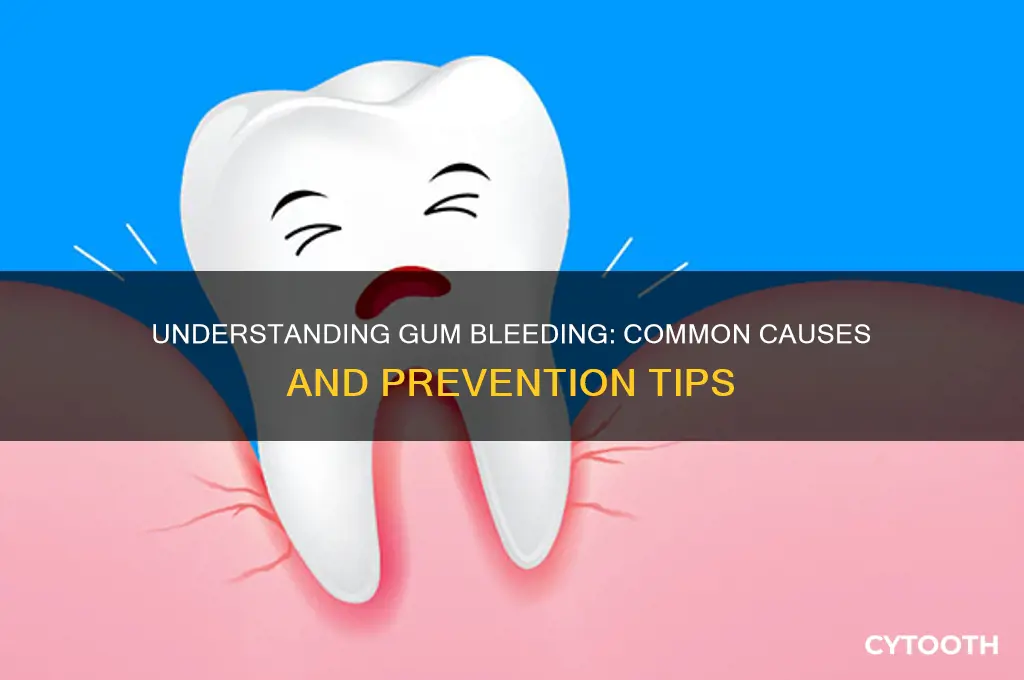
Gum bleeding, a common oral health issue, can be caused by a variety of factors, with poor oral hygiene being the most prevalent. When plaque and bacteria accumulate along the gum line, they can irritate and inflame the gums, leading to a condition known as gingivitis, which often results in bleeding during brushing or flossing. Other contributing factors include hormonal changes, such as those during pregnancy or menstruation, which can increase gum sensitivity, and certain medications that reduce saliva production or cause gum tissue to swell. Additionally, vitamin deficiencies, particularly in vitamin C, can weaken blood vessels and gums, making them more prone to bleeding. Smoking and excessive alcohol consumption also play a significant role, as they impair the immune system and hinder the healing process, exacerbating gum problems. Understanding these causes is essential for preventing and addressing gum bleeding effectively.
| Characteristics | Values |
|---|---|
| Poor Oral Hygiene | Plaque buildup, gingivitis, and periodontitis due to inadequate brushing/flossing. |
| Vitamin Deficiencies | Lack of vitamin C (scurvy), vitamin K, or other nutrients essential for gum health. |
| Gum Disease | Gingivitis (early stage) and periodontitis (advanced stage) caused by bacterial infection. |
| Hormonal Changes | Pregnancy, menstruation, or hormonal fluctuations increasing gum sensitivity. |
| Medications | Blood thinners (e.g., aspirin, warfarin), antihypertensives, or chemotherapy drugs. |
| Smoking/Tobacco Use | Reduces blood flow to gums, weakens immune response, and delays healing. |
| Infections | Bacterial, viral, or fungal infections affecting gum tissue. |
| Dental Appliances | Ill-fitting braces, dentures, or retainers irritating gum tissue. |
| Systemic Diseases | Diabetes, leukemia, or immune disorders compromising gum health. |
| Trauma | Injury from aggressive brushing, flossing, or accidental damage. |
| Stress | Weakens the immune system, making gums more susceptible to bleeding. |
| Nutritional Deficiencies | Iron deficiency anemia or poor diet affecting gum health. |
| Genetics | Hereditary predisposition to gum disease or bleeding disorders. |
| Allergies | Allergic reactions to toothpaste, mouthwash, or dental materials. |
| Dry Mouth (Xerostomia) | Reduced saliva production leading to gum irritation and bleeding. |
What You'll Learn
- Poor oral hygiene leads to plaque buildup, causing gum inflammation and bleeding
- Gingivitis, early gum disease, results from bacterial infection and triggers bleeding gums
- Brushing too hard damages gums, causing irritation and frequent bleeding during cleaning
- Hormonal changes, like pregnancy, increase gum sensitivity and bleeding tendency
- Certain medications, including blood thinners, elevate the risk of gum bleeding

Poor oral hygiene leads to plaque buildup, causing gum inflammation and bleeding
Bleeding gums are often an early warning sign of underlying oral health issues, and poor oral hygiene is a primary culprit. When you neglect regular brushing and flossing, plaque—a sticky film of bacteria—accumulates on your teeth. Over time, this plaque hardens into tartar, which cannot be removed by brushing alone. Tartar buildup irritates the gum line, leading to a condition called gingivitis, the earliest stage of gum disease. This inflammation causes gums to become red, swollen, and prone to bleeding, especially during brushing or flossing.
Consider this: plaque begins forming on teeth within 24 hours of eating. If not removed daily, it creates an environment where harmful bacteria thrive. These bacteria release toxins that irritate the gums, triggering an inflammatory response. For children and adults alike, inconsistent oral care habits—such as skipping brushing before bed or avoiding flossing—accelerate this process. Even seemingly minor lapses in hygiene can lead to noticeable gum bleeding within weeks.
To prevent plaque buildup, adopt a disciplined oral care routine. Brush your teeth twice daily for at least two minutes each session, using a fluoride toothpaste. Floss daily to remove debris between teeth where brushes can’t reach. For added protection, incorporate an antimicrobial mouthwash into your routine. If you’re prone to forgetting, set reminders or keep oral care tools visible as a cue. Parents should supervise children under 8 to ensure proper technique and consistency.
Despite these measures, some individuals may still experience gum bleeding due to factors like hormonal changes, certain medications, or smoking. However, poor oral hygiene remains the most controllable cause. If bleeding persists despite improved care, consult a dentist. They can remove tartar through professional cleaning and assess for advanced gum disease. Remember, early intervention is key—addressing plaque buildup promptly can prevent irreversible damage to gums and teeth.
In summary, poor oral hygiene directly fuels plaque accumulation, which inflames gums and causes bleeding. By maintaining a rigorous oral care routine and seeking professional help when needed, you can halt this cycle and protect your gum health. Small, consistent efforts today can save you from painful and costly dental issues tomorrow.
Flossing and Gum Recession: Separating Fact from Fiction
You may want to see also
Gingivitis, early gum disease, results from bacterial infection and triggers bleeding gums
Bleeding gums are often an early warning sign of gingivitis, a mild form of gum disease caused by bacterial infection. This condition arises when plaque, a sticky film of bacteria, builds up on teeth and along the gum line. If not removed through regular brushing and flossing, the bacteria in plaque produce toxins that irritate the gums, leading to inflammation and bleeding. This initial stage of gum disease is reversible with proper oral hygiene, but ignoring it can lead to more severe periodontal issues.
To combat gingivitis, start by evaluating your oral care routine. Brush your teeth twice daily with a fluoride toothpaste, ensuring you clean along the gum line where plaque accumulates. Floss daily to remove debris between teeth, and consider using an antimicrobial mouthwash to reduce bacterial growth. For those over 12 years old, a mouthwash containing 0.12% chlorhexidine gluconate can be particularly effective, but use it for no longer than two weeks to avoid staining teeth. Pair these practices with regular dental check-ups every six months for professional cleaning and early detection.
While gingivitis is primarily linked to poor oral hygiene, certain factors can increase susceptibility. Smoking weakens the immune system, making it harder for the body to fight off infection, while diabetes and hormonal changes during pregnancy can exacerbate gum inflammation. Medications that reduce saliva flow, such as antihistamines or antidepressants, can also contribute by allowing bacteria to thrive. If you fall into any of these categories, consult your dentist for a tailored prevention plan.
A comparative look at gingivitis versus advanced gum disease highlights the importance of early intervention. Gingivitis is localized to the gums and causes redness, swelling, and bleeding, but the underlying bone and tissue remain intact. In contrast, periodontitis, the advanced stage, involves bone loss and can lead to tooth mobility and eventual loss. By addressing gingivitis promptly, you not only stop bleeding gums but also prevent irreversible damage to oral structures.
Finally, incorporate practical tips to support gum health beyond brushing and flossing. A diet rich in vitamins C and D strengthens gums and boosts immunity, so include citrus fruits, leafy greens, and fortified dairy products. Avoid sugary snacks and beverages, which fuel bacterial growth, and stay hydrated to maintain saliva production. For persistent bleeding despite these measures, seek professional care, as it may indicate an underlying condition requiring targeted treatment.
Gum Disease and Dry Mouth: Unraveling the Connection and Solutions
You may want to see also
Brushing too hard damages gums, causing irritation and frequent bleeding during cleaning
Brushing your teeth is a fundamental part of oral hygiene, but applying too much pressure can turn this routine into a harmful practice. The gums, delicate tissues surrounding the teeth, are particularly vulnerable to aggressive brushing. When a toothbrush is pressed too hard against the gums, it can cause microscopic tears in the tissue, leading to irritation and inflammation. This damage often manifests as bleeding during brushing, a clear sign that the gums are under stress. Over time, this repeated trauma can weaken the gums, making them more susceptible to disease and recession.
Consider the mechanics of brushing: the goal is to remove plaque and debris, not to scrub the enamel or gums raw. A common misconception is that firmer brushing equates to cleaner teeth, but this is far from the truth. Dentists recommend using a soft-bristled toothbrush and applying gentle pressure, allowing the bristles to glide smoothly along the gum line. The American Dental Association advises brushing for at least two minutes twice a day, but even this duration can cause harm if the technique is too aggressive. For children and adults alike, teaching proper brushing techniques early can prevent long-term damage.
The consequences of brushing too hard extend beyond immediate bleeding. Chronic irritation can lead to gingivitis, the earliest stage of gum disease, characterized by red, swollen gums that bleed easily. If left unchecked, this can progress to periodontitis, a severe condition where the gums pull away from the teeth, forming pockets that become infected. Eventually, this can result in tooth loss and other systemic health issues. Thus, what starts as a simple mistake in brushing technique can escalate into a serious health concern if not corrected.
To avoid these risks, practical adjustments can be made. First, choose a toothbrush with soft bristles and replace it every three months or sooner if the bristles become frayed. Electric toothbrushes with pressure sensors can be particularly helpful, as they alert users when they’re brushing too hard. Additionally, adopt a gentle, circular motion when brushing, focusing on cleaning rather than scrubbing. For those who struggle with technique, consulting a dentist or dental hygienist for a demonstration can be invaluable. Small changes in approach can yield significant improvements in gum health, reducing bleeding and preventing long-term damage.
Skipping Brushing: How Poor Oral Hygiene Leads to Gum Recession
You may want to see also
Hormonal changes, like pregnancy, increase gum sensitivity and bleeding tendency
Hormonal fluctuations during pregnancy can transform even the most diligent oral care routines into a battle against gum sensitivity and bleeding. The surge in progesterone and estrogen, while essential for fetal development, also increases blood flow to the gum tissues, making them more susceptible to inflammation and bleeding. This condition, often referred to as "pregnancy gingivitis," affects up to 50% of expectant mothers, typically peaking during the second trimester. Recognizing this as a hormonal rather than hygiene issue is the first step in managing it effectively.
To mitigate the effects of pregnancy-induced gum bleeding, pregnant individuals should adopt a tailored oral care regimen. Dentists recommend using a soft-bristled toothbrush to minimize irritation and fluoride toothpaste to strengthen enamel. Flossing daily is crucial, but it should be done gently to avoid further aggravating sensitive gums. Incorporating an alcohol-free antimicrobial mouthwash can also help reduce plaque buildup and inflammation. Scheduling regular dental checkups during pregnancy is essential, as professional cleanings can address issues before they escalate.
Comparing hormonal gum bleeding to other causes highlights its unique challenges. Unlike bleeding caused by poor oral hygiene or gum disease, which can often be reversed with improved care, pregnancy-related bleeding is a temporary physiological response. This means that while meticulous oral hygiene is vital, it may not entirely eliminate the issue. Instead, the focus should be on symptom management and prevention of complications, such as periodontitis, which can affect both maternal and fetal health.
A practical tip for pregnant individuals experiencing gum bleeding is to rinse with a warm saltwater solution (1/2 teaspoon of salt in a glass of warm water) after meals. This simple remedy helps reduce inflammation and promotes healing. Additionally, maintaining a balanced diet rich in vitamin C, calcium, and phosphorus supports gum health and overall oral well-being. Avoiding sugary snacks and beverages is equally important, as hormonal changes can exacerbate the gums’ response to plaque buildup.
In conclusion, while hormonal changes during pregnancy can increase gum sensitivity and bleeding, proactive measures can significantly alleviate these symptoms. Understanding the underlying cause, adopting a specialized oral care routine, and incorporating natural remedies can help manage this common yet often overlooked aspect of prenatal health. By prioritizing gum health, expectant mothers can ensure a healthier oral environment for themselves and their developing baby.
Coffee and Gum Recession: Uncovering the Surprising Connection
You may want to see also
Certain medications, including blood thinners, elevate the risk of gum bleeding
Medications like blood thinners, while lifesaving for conditions such as atrial fibrillation or deep vein thrombosis, can inadvertently increase the likelihood of gum bleeding. These drugs, including warfarin, aspirin, and newer anticoagulants like rivaroxaban, work by inhibiting the blood’s ability to clot. This clotting suppression, essential for preventing strokes or heart attacks, also means minor injuries—like those caused by brushing or flossing—are more likely to result in prolonged bleeding. For instance, a routine dental cleaning might lead to bleeding gums that persist longer than usual, requiring extra care and attention.
Consider the mechanism: blood thinners reduce platelet aggregation and prolong clotting times, which can turn a simple gum irritation into a noticeable bleed. Patients on these medications often report bleeding after brushing or even spontaneous bleeding during the night. The risk escalates with higher dosages; for example, a daily dose of 325 mg aspirin (commonly prescribed for cardiovascular protection) is more likely to cause gum bleeding than a lower 81 mg dose. Age also plays a role, as older adults on blood thinners tend to experience more frequent bleeding due to thinner, more fragile gum tissue.
To mitigate this risk, patients should adopt a gentle oral care routine. Use a soft-bristled toothbrush and avoid aggressive flossing techniques. Electric toothbrushes with pressure sensors can be particularly helpful, as they prevent over-brushing. Dentists may also recommend chlorhexidine mouthwash to reduce inflammation and bacterial buildup, though this should be used under supervision due to potential side effects like staining. Regular dental check-ups are crucial, as professionals can monitor gum health and adjust care plans accordingly.
A comparative perspective highlights the trade-off: while blood thinners are non-negotiable for many, their side effects demand proactive management. Unlike other causes of gum bleeding, such as gingivitis or vitamin deficiencies, medication-induced bleeding cannot be resolved by simply improving oral hygiene. Instead, it requires a tailored approach that balances medical necessity with dental health. Patients should communicate openly with both their physician and dentist to ensure their treatment plan addresses both clotting risks and oral care needs.
In conclusion, while blood thinners are indispensable for managing serious health conditions, their impact on gum health cannot be overlooked. Awareness, coupled with specific oral care strategies, empowers patients to minimize bleeding risks without compromising their overall treatment. Small adjustments—like switching to a softer toothbrush or scheduling more frequent dental visits—can make a significant difference in managing this side effect effectively.
Smoking and Oral Health: Do Cigarettes Cause Gum Disease?
You may want to see also
Frequently asked questions
The most common causes include poor oral hygiene, gingivitis, periodontal disease, and vitamin deficiencies, particularly vitamin C or K.
Yes, brushing too hard or using a hard-bristled toothbrush can irritate and damage gum tissue, leading to bleeding.
Yes, gum bleeding is often an early sign of gingivitis or advanced gum disease (periodontitis), especially when accompanied by redness, swelling, or bad breath.
Yes, some medications like blood thinners (e.g., aspirin, warfarin) or antiplatelet drugs can increase the likelihood of gum bleeding by reducing blood clotting ability.
Yes, hormonal changes during pregnancy can make gums more sensitive and prone to bleeding, a condition known as pregnancy gingivitis. Proper oral care is essential during this time.