Matthew Grant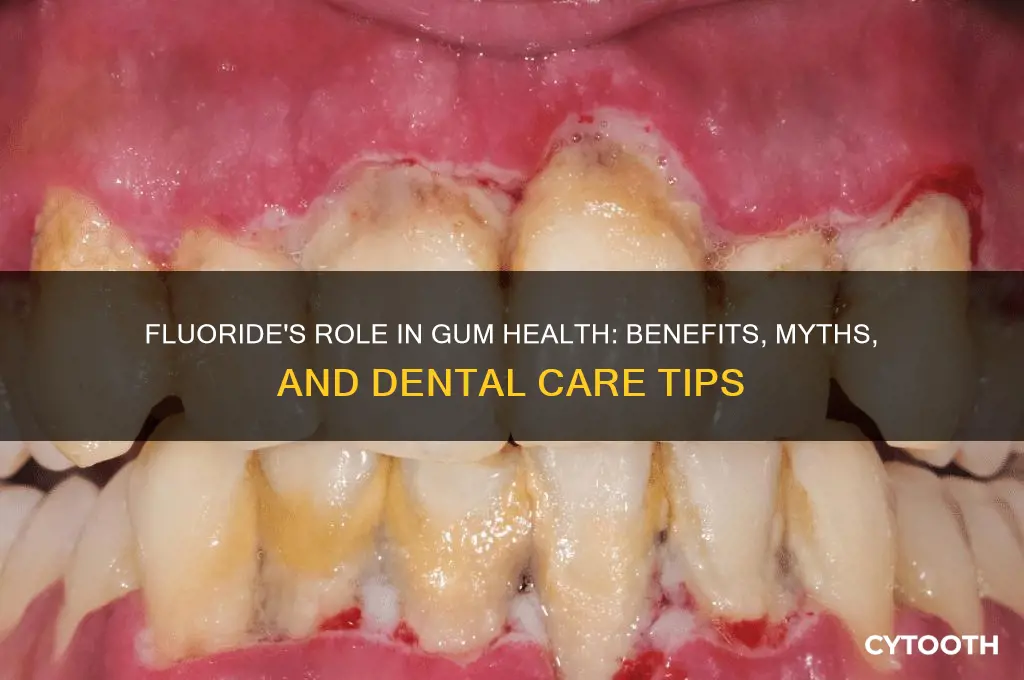
Fluoride is widely recognized for its role in preventing tooth decay by strengthening enamel, but its impact on gum health is a topic of growing interest. While fluoride primarily targets tooth structure, it may indirectly benefit gums by reducing the presence of harmful bacteria and acids that contribute to gum disease. Research suggests that fluoride can inhibit bacterial growth and enhance the remineralization of tooth surfaces, potentially creating a healthier oral environment that supports gum health. However, its direct effects on gum tissue remain less clear, and maintaining proper oral hygiene practices, such as regular brushing and flossing, remains essential for optimal gum care.
| Characteristics | Values |
|---|---|
| Prevents Gum Disease | Fluoride helps prevent gum disease by strengthening tooth enamel, reducing bacterial activity, and inhibiting the production of acids that harm gums. |
| Reduces Plaque Buildup | Fluoride can reduce plaque accumulation, a major contributor to gingivitis and gum inflammation. |
| Enhances Remineralization | Fluoride promotes remineralization of tooth enamel, which indirectly supports gum health by maintaining strong teeth. |
| Antimicrobial Properties | Fluoride has mild antimicrobial effects, helping to control harmful bacteria in the mouth that cause gum issues. |
| Supports Gum Tissue | While fluoride primarily targets teeth, its role in maintaining oral health indirectly benefits gum tissue by preventing tooth decay and infection. |
| Limitations | Fluoride alone cannot treat advanced gum disease (periodontitis); professional dental care is required for such conditions. |
| Optimal Concentration | Fluoride toothpaste with 1,000–1,500 ppm (parts per million) is recommended for gum and tooth health. |
| Complementary Care | Fluoride works best when combined with proper brushing, flossing, and regular dental check-ups for comprehensive gum health. |
| Safety Concerns | Excessive fluoride intake can lead to dental fluorosis or other health issues, so use as directed. |
| Evidence-Based | Studies show fluoride's effectiveness in preventing cavities and supporting overall oral health, including gum protection. |
What You'll Learn

Fluoride's role in preventing gum disease
Fluoride’s primary reputation lies in its ability to strengthen tooth enamel, but its role in gum health is equally significant yet often overlooked. Gum disease, or periodontal disease, begins with bacterial plaque buildup, leading to inflammation, bleeding, and eventually tooth loss. Fluoride combats this by inhibiting the growth of harmful bacteria and reducing their ability to produce acid, a key factor in gum irritation. Studies show that fluoride mouth rinses, when used consistently, can decrease gingivitis symptoms by up to 25%, particularly in adults over 30 who are more susceptible to gum issues.
To harness fluoride’s gum-protecting benefits, incorporate it strategically into your oral care routine. Start with a fluoride toothpaste containing at least 1,000 ppm (parts per million) of fluoride, brushing twice daily for two minutes. For added protection, use a fluoride mouthwash with 0.05% sodium fluoride daily, especially before bed. Avoid eating or drinking for 30 minutes after rinsing to maximize its contact with gums and teeth. Children under six should use pea-sized amounts of toothpaste and supervised rinsing to prevent ingestion, as excessive fluoride can cause dental fluorosis.
While fluoride is a powerful ally, it’s not a standalone solution for gum disease. Pair its use with proper brushing and flossing techniques to remove plaque effectively. Regular dental check-ups every six months are crucial for early detection of gum issues. For those with advanced gum disease, professional treatments like scaling and root planing may be necessary, alongside fluoride therapy prescribed by a dentist. Combining these approaches ensures fluoride works synergistically with other measures to maintain gum health.
A comparative look at fluoride’s role reveals its unique advantage over other oral care ingredients. Unlike antimicrobial agents like chlorhexidine, which can cause staining and alter taste perception, fluoride is safe for long-term use and enhances enamel resistance to bacterial attacks. Its dual action—strengthening teeth and reducing gum inflammation—makes it a cornerstone of preventive oral care. However, it’s essential to balance its use with other practices, as over-reliance on fluoride alone may neglect mechanical plaque removal, a critical step in gum disease prevention.
Incorporating fluoride into your routine is a practical, evidence-based step toward healthier gums. Start small: swap your current toothpaste for a fluoride-rich option, add a nightly rinse, and monitor improvements over three months. For families, ensure children and adults alike follow age-appropriate fluoride guidelines. Remember, fluoride’s role is preventive—it works best when gum disease is caught early or avoided altogether. By making it a consistent part of your oral care, you’re not just protecting teeth but fortifying the foundation of your smile: your gums.
Aging and Gum Recession: Understanding Natural Changes in Oral Health
You may want to see also
How fluoride strengthens enamel to support gums
Fluoride's role in oral health is well-documented, but its specific impact on enamel and gum support is often overlooked. Enamel, the hardest substance in the human body, is the first line of defense against tooth decay and gum disease. Fluoride strengthens enamel by promoting remineralization, a process where minerals like calcium and phosphate are redeposited into the enamel matrix. This not only repairs microscopic damage caused by acids but also makes the enamel more resistant to future attacks. For instance, studies show that regular exposure to fluoride can reduce the rate of tooth decay by up to 25%, which indirectly supports gum health by preventing the spread of infection.
To maximize fluoride’s enamel-strengthening benefits, incorporate it into your daily routine strategically. Brushing twice daily with a fluoride toothpaste (1,000–1,500 ppm fluoride) is essential, but timing matters—wait at least 30 minutes after brushing before eating or drinking to allow fluoride to fully penetrate the enamel. For children aged 6–12, use a pea-sized amount of toothpaste to avoid fluorosis, a cosmetic condition caused by excessive fluoride intake during tooth development. Additionally, consider fluoride mouth rinses (225–250 ppm) for adults or professional fluoride treatments at dental check-ups, especially if you’re at high risk for cavities or gum issues.
Comparing fluoride’s action to other enamel-strengthening methods highlights its efficiency. While products like hydroxyapatite or xylitol can aid in remineralization, fluoride is unique in its ability to form fluoroapatite, a mineral compound even harder and more acid-resistant than natural enamel. This makes fluoride particularly effective in high-risk environments, such as diets high in sugar or acidic foods. For example, a study comparing fluoride and non-fluoride toothpastes found that fluoride users had 30% fewer cavities over a two-year period, demonstrating its superior protective capabilities.
Practical tips can further enhance fluoride’s benefits for enamel and gums. Avoid excessive consumption of sugary or acidic beverages, as these can erode enamel and reduce fluoride’s effectiveness. If you consume such drinks, rinse your mouth with water afterward to neutralize acids and allow fluoride to work more efficiently. For those with dry mouth (xerostomia), which reduces natural saliva and fluoride exposure, sugar-free gum or lozenges can stimulate saliva production, aiding in fluoride distribution. Finally, regular dental visits are crucial—dentists can assess your enamel health, provide professional fluoride treatments, and tailor advice to your specific needs.
In conclusion, fluoride’s role in strengthening enamel directly supports gum health by preventing decay and reducing bacterial buildup along the gumline. By understanding its mechanisms, incorporating it effectively into your routine, and adopting complementary habits, you can harness fluoride’s full potential to protect both teeth and gums. Whether through toothpaste, rinses, or professional treatments, consistent fluoride use is a cornerstone of oral health that pays dividends in the long term.
Are Receding Gums Hereditary? Uncovering the Genetic Link to Gum Health
You may want to see also
Fluoride in toothpaste for gum health
Fluoride, a mineral found in toothpaste, is primarily known for its role in preventing tooth decay. However, its impact on gum health is a topic of growing interest. Research suggests that fluoride can help reduce the risk of gingivitis, the early stage of gum disease, by inhibiting the growth of harmful bacteria in the mouth. These bacteria produce acids that irritate the gums and lead to inflammation. Fluoride’s antimicrobial properties can disrupt this process, creating a healthier environment for gums to thrive. For optimal benefits, adults should use toothpaste with at least 1,000 parts per million (ppm) of fluoride, brushing twice daily for two minutes each time.
While fluoride’s direct effects on gums are less pronounced than its role in enamel protection, its indirect benefits are significant. By strengthening tooth enamel, fluoride reduces the likelihood of cavities, which can otherwise lead to gum infections. For instance, a cavity left untreated can allow bacteria to spread to the gum line, causing periodontitis, a severe form of gum disease. Children and adolescents, whose teeth are still developing, particularly benefit from fluoride’s enamel-strengthening properties, which can prevent future gum issues. Parents should ensure their children use toothpaste with 500–1,000 ppm fluoride, depending on age, and supervise brushing to avoid swallowing excess fluoride.
Critics often raise concerns about fluoride’s safety, particularly in high doses. However, the fluoride levels in toothpaste are carefully regulated to balance efficacy and safety. For gum health, the key is consistent, proper use rather than excessive application. Overuse, such as swallowing toothpaste or using fluoride supplements without professional advice, can lead to fluorosis, a cosmetic condition affecting tooth appearance. To maximize fluoride’s gum health benefits without risks, avoid rinsing the mouth with water immediately after brushing—allowing fluoride to remain on the teeth and gums enhances its protective effects.
Comparing fluoride toothpaste to non-fluoride alternatives highlights its superiority in gum health maintenance. While herbal or natural toothpastes may offer temporary relief from gum irritation, they lack fluoride’s proven ability to combat bacterial activity and strengthen enamel. For individuals with sensitive gums, fluoride toothpaste specifically formulated for sensitivity can provide dual benefits: reducing discomfort while protecting against gum disease. Dentists often recommend these formulations for patients with early signs of gingivitis, emphasizing the importance of fluoride as a preventive measure.
Incorporating fluoride toothpaste into a comprehensive oral care routine is essential for maintaining gum health. Pairing it with daily flossing, regular dental check-ups, and a balanced diet low in sugar amplifies its benefits. For those at higher risk of gum disease, such as smokers or individuals with diabetes, fluoride toothpaste is a non-negotiable component of their oral hygiene regimen. While fluoride alone cannot reverse advanced gum disease, it plays a critical role in preventing its onset and progression, making it a cornerstone of gum health strategies.
Receding Gums: Understanding the Pain and Discomfort They Cause
You may want to see also
Fluoride treatments for gingivitis prevention
Fluoride, a mineral long celebrated for its role in preventing tooth decay, has also shown promise in the realm of gum health. Gingivitis, the early stage of gum disease, affects a significant portion of the global population, often leading to more severe periodontal issues if left untreated. Fluoride treatments, when integrated into a comprehensive oral care routine, can serve as a preventive measure against gingivitis by strengthening enamel and reducing bacterial activity. However, the effectiveness of fluoride in this context depends on consistent application and proper dosage, making it a valuable yet nuanced tool in oral health.
One practical approach to fluoride treatment for gingivitis prevention involves the use of fluoride mouth rinses. These rinses, typically containing 0.05% sodium fluoride, are recommended for daily use after brushing. For adults and children over the age of six, a thorough rinse for one minute, followed by spitting out the solution without rinsing with water, maximizes fluoride’s contact with the gums and teeth. It’s crucial to avoid eating or drinking for at least 30 minutes post-rinsing to allow the fluoride to fully absorb. While this method is straightforward, it requires discipline and adherence to guidelines to yield noticeable benefits.
For individuals at higher risk of gingivitis, professional fluoride treatments administered by a dentist can provide a more concentrated and targeted approach. These treatments often involve the application of a high-strength fluoride gel or foam, which remains in contact with the teeth and gums for 1–4 minutes. Dentists may recommend these treatments every 3–6 months, depending on the patient’s oral health status. Unlike over-the-counter products, professional treatments deliver a higher fluoride concentration, offering enhanced protection against bacterial acids that contribute to gum inflammation.
Comparatively, fluoride toothpaste remains the most accessible and widely used fluoride treatment for gingivitis prevention. Toothpastes with at least 1,000 ppm (parts per million) of fluoride are effective in reducing plaque buildup and strengthening tooth enamel, which indirectly supports gum health. However, the key to success lies in proper brushing technique—spending at least two minutes brushing twice daily, ensuring coverage of all tooth surfaces and the gum line. While fluoride toothpaste is suitable for all age groups, children under three should use a rice-sized amount, and those under six should be supervised to prevent ingestion.
Despite its benefits, fluoride treatments for gingivitis prevention are not without limitations. Overuse of fluoride can lead to dental fluorosis, a cosmetic condition characterized by white streaks or spots on the teeth, particularly in children. Additionally, fluoride primarily targets enamel strengthening and bacterial reduction, meaning it should complement—not replace—other gingivitis prevention strategies like regular flossing and professional cleanings. For optimal results, individuals should consult their dentist to tailor a fluoride regimen that aligns with their specific oral health needs.
Incorporating fluoride treatments into a daily oral care routine can be a proactive step toward preventing gingivitis. Whether through mouth rinses, professional applications, or fluoride toothpaste, the mineral’s ability to combat bacterial activity and reinforce enamel makes it a valuable ally in maintaining gum health. By understanding the appropriate methods and dosages, individuals can harness fluoride’s potential while minimizing risks, ensuring a healthier smile in the long term.
Can Gum Infections Spread? Understanding Contagious Risks and Prevention
You may want to see also
Impact of fluoride on gum inflammation reduction
Fluoride’s role in oral health extends beyond cavity prevention, with emerging evidence suggesting its potential to reduce gum inflammation. Studies indicate that fluoride, particularly in controlled concentrations, can inhibit the growth of harmful bacteria in the oral biofilm, a primary driver of gingivitis. For instance, fluoride ions disrupt bacterial enzyme activity, reducing their ability to adhere to tooth surfaces and produce inflammatory byproducts. This mechanism highlights fluoride’s dual action: not only does it strengthen enamel, but it also supports gum health by mitigating bacterial aggression.
To harness fluoride’s anti-inflammatory benefits, practical application is key. Over-the-counter fluoride mouth rinses with concentrations of 0.05% sodium fluoride are effective for daily use, especially for adults experiencing early signs of gingivitis. For more severe cases, dentists may prescribe higher-strength rinses (0.2% or greater) or in-office fluoride treatments. However, dosage matters—excessive fluoride can lead to dental fluorosis or gastrointestinal discomfort. Adolescents and adults should follow product guidelines, while children under six should avoid swallowing fluoride products altogether.
Comparatively, fluoride’s impact on gum inflammation is often contrasted with traditional treatments like chlorhexidine rinses. While chlorhexidine is highly effective in reducing inflammation, it can cause staining and alter taste perception. Fluoride, on the other hand, is gentler and more compatible with long-term use, making it a preferable option for maintenance therapy. Combining fluoride with proper brushing and flossing enhances its efficacy, creating a synergistic approach to gum health.
A descriptive perspective reveals fluoride’s integration into daily routines as seamless yet impactful. Incorporating a fluoride toothpaste (1000–1500 ppm fluoride) twice daily, followed by a 30-second rinse with a fluoride mouthwash, can significantly reduce gum redness and bleeding over time. For those with sensitive gums, stannous fluoride formulations offer additional anti-inflammatory benefits while minimizing irritation. Consistency is crucial—skipping applications diminishes fluoride’s cumulative effect on oral biofilm control.
In conclusion, fluoride’s role in reducing gum inflammation is both scientifically grounded and practically applicable. By understanding its mechanisms, adhering to appropriate dosages, and integrating it into daily oral care, individuals can effectively combat gingivitis while maintaining overall oral health. Fluoride’s versatility as a preventive and therapeutic agent underscores its value in modern dental care.
Are Purple Gums Normal? Understanding Gum Color and Oral Health
You may want to see also
Frequently asked questions
Fluoride primarily strengthens tooth enamel and prevents cavities, but it does not directly treat or prevent gum disease. Gum disease is caused by bacterial plaque buildup, which requires proper oral hygiene and professional care.
Fluoride is not specifically designed to reduce gum inflammation. Gum inflammation (gingivitis) is best addressed through regular brushing, flossing, and professional cleanings to remove plaque and tartar.
Fluoride in toothpaste is beneficial for preventing tooth decay, but its role in gum health is limited. For gum health, look for toothpaste with antibacterial or anti-gingivitis properties.
Fluoride mouthwash primarily helps prevent cavities by strengthening enamel. For gum health, consider using an antimicrobial or anti-gingivitis mouthwash that targets plaque and bacteria causing gum issues.