Olivia Bennett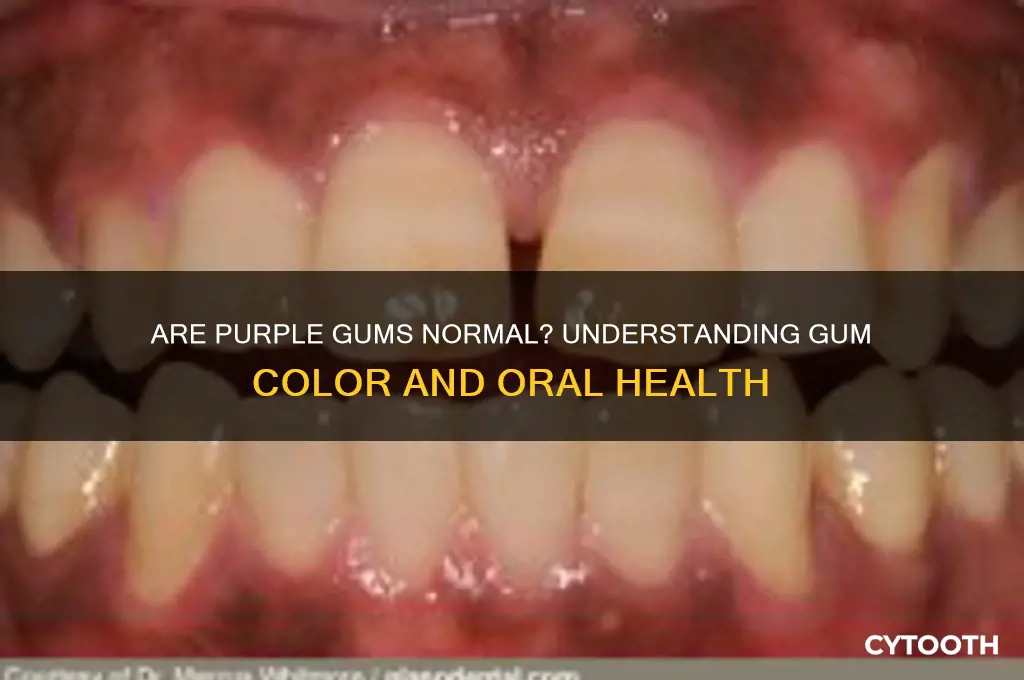
Purple gums can be a cause for concern, as healthy gum tissue typically appears pink and firm. While slight variations in gum color can occur due to factors like genetics or lifestyle habits, purple gums often indicate an underlying issue. This discoloration may be a sign of poor blood circulation, gum disease, or even a more serious systemic condition. It is essential to consult a dental professional to determine the cause and receive appropriate treatment, as ignoring purple gums could lead to potential oral health complications. Understanding the reasons behind this unusual gum color is crucial for maintaining overall oral hygiene and well-being.
| Characteristics | Values |
|---|---|
| Normal Gum Color | Light pink to coral pink |
| Purple Gums | Not considered normal; may indicate underlying issues |
| Possible Causes | Poor oral hygiene, smoking, vitamin deficiencies (e.g., Vitamin C), gum disease (gingivitis/periodontitis), medication side effects, fungal infections (e.g., candidiasis), or systemic conditions (e.g., anemia, blood disorders) |
| Symptoms Associated | Swelling, bleeding, tenderness, bad breath, or changes in gum texture |
| When to See a Dentist | If purple gums persist, are accompanied by pain, or other symptoms |
| Prevention | Maintain good oral hygiene, regular dental check-ups, balanced diet, avoid smoking, and manage systemic health conditions |
| Treatment | Address underlying cause (e.g., improved hygiene, medication, or medical intervention) |
| Importance of Healthy Gums | Essential for overall oral health and prevention of tooth loss |
What You'll Learn

Causes of Purple Gums
Purple gums can be a startling discovery, but understanding their causes is the first step toward addressing the issue. One common culprit is poor oral hygiene. When plaque and tartar accumulate along the gum line, they can restrict blood flow, leading to discoloration. Regular brushing twice a day with fluoride toothpaste and flossing daily are essential preventive measures. For those with persistent issues, incorporating an antimicrobial mouthwash can help reduce bacterial buildup, though it’s crucial not to exceed the recommended dosage, typically 15–20 mL per rinse.
Another significant cause of purple gums is smoking or tobacco use. Nicotine and other chemicals in tobacco constrict blood vessels, reducing circulation and causing gums to darken. Smokers are also at higher risk for gum disease, which further exacerbates discoloration. Quitting smoking is the most effective solution, but even cutting back can improve gum health. Nicotine replacement therapies, such as patches or gum, can aid in the process, but consult a healthcare provider for personalized advice, especially if you have underlying health conditions.
Certain medications can also contribute to purple gums. Blood thinners, like warfarin, or antihypertensive drugs may cause gum tissue to become fragile and discolored due to altered blood flow. If you suspect medication is the cause, do not stop taking it without consulting your doctor. Instead, discuss alternative options or additional oral care strategies, such as using a soft-bristled toothbrush to minimize irritation. Regular dental check-ups are particularly important for individuals on long-term medications.
In some cases, purple gums may indicate an underlying health issue, such as vitamin deficiencies or autoimmune disorders. For instance, a lack of vitamin C can lead to scurvy, which affects gum health and coloration. Incorporating vitamin C-rich foods like oranges, strawberries, and bell peppers into your diet can help, but supplements may be necessary for severe deficiencies—aim for 75–90 mg daily for adults, unless otherwise advised by a healthcare professional. If dietary changes don’t resolve the issue, seek medical evaluation to rule out systemic conditions.
Finally, trauma or injury to the gums can cause temporary discoloration, including a purple hue. This could result from aggressive brushing, ill-fitting dentures, or accidental impact. To prevent trauma, use a toothbrush with soft bristles and avoid forceful brushing. If dentures are the issue, consult a dentist for adjustments. For immediate relief from minor injuries, rinse with warm salt water (1/2 teaspoon of salt per cup of water) to reduce inflammation and promote healing. Persistent or severe cases warrant professional attention to prevent complications.
Are Gum Grafts Painful? What to Expect During Recovery
You may want to see also
When to See a Dentist
Purple gums are not normal and should prompt immediate attention. Healthy gum tissue is typically a pale pink color, firm in texture, and fits snugly around the teeth. Any deviation from this, especially a purple hue, indicates an underlying issue that requires professional evaluation. While minor discoloration might be temporary and benign, persistent or severe changes warrant a dentist visit to rule out serious conditions like gum disease, infection, or poor circulation.
If you notice purple gums accompanied by symptoms such as bleeding, swelling, pain, or bad breath, schedule a dental appointment within 48 hours. These signs often point to gingivitis or periodontitis, conditions that worsen without treatment. For instance, bleeding gums during brushing or flossing is a common early warning sign of gingivitis, which, if left untreated, can progress to periodontitis, leading to tooth loss and systemic health issues. Early intervention is key to preventing irreversible damage.
Children and older adults require special consideration when purple gums appear. In children, it could signal teething discomfort, trauma, or an infection like acute necrotizing ulcerative gingivitis (ANUG), a painful condition requiring urgent care. For older adults, purple gums might indicate medication side effects, nutritional deficiencies, or circulatory problems. Dentists can differentiate these causes and recommend appropriate treatments, such as adjusting medications or improving oral hygiene practices.
Even without accompanying symptoms, purple gums should not be ignored. Discoloration alone can be a sign of poor blood flow, often linked to smoking, diabetes, or cardiovascular disease. A dentist can assess your oral health and refer you to a specialist if necessary. For smokers, quitting is the most effective step to improve gum health, while diabetics should monitor blood sugar levels closely. Regular dental check-ups every six months are essential for early detection and management of such issues.
In summary, purple gums are a red flag that demands prompt dental attention. Whether due to infection, inflammation, or systemic health problems, timely intervention can prevent complications and restore oral health. Don’t wait for pain or severe symptoms to arise—act at the first sign of discoloration to protect your gums and overall well-being.
Gum Grafts: Understanding Their Necessity for Oral Health and Smile Aesthetics
You may want to see also
Purple Gums vs. Healthy Gums
Purple gums can be a cause for concern, as they often deviate from the typical pink or coral hue associated with healthy gum tissue. This discoloration may stem from various factors, including poor oral hygiene, smoking, or underlying medical conditions. In contrast, healthy gums exhibit a firm texture, lack of bleeding during brushing, and a consistent color that complements your skin tone. Recognizing the difference is crucial, as purple gums might signal inflammation, infection, or reduced blood flow, all of which require prompt attention.
Analyzing the causes of purple gums reveals a spectrum of potential issues. For instance, gingivitis, the early stage of gum disease, often manifests as redness or purple discoloration due to inflammation. More severe cases, like periodontitis, can lead to gum recession and persistent purple or dark red patches. External factors such as smoking or vaping restrict blood flow, causing gums to appear darker. Even certain medications, like antihypertensives or blood thinners, can contribute to this discoloration. Understanding these triggers is the first step in addressing the problem effectively.
To differentiate purple gums from healthy gums, observe key indicators. Healthy gums are resilient, snugly fitted around teeth, and free from swelling or tenderness. They maintain a uniform color without spontaneous bleeding or pain. Conversely, purple gums may feel spongy, bleed easily, or exhibit a patchy appearance. If you notice persistent purple discoloration, especially accompanied by bad breath, tooth sensitivity, or loose teeth, consult a dentist immediately. Early intervention can prevent complications like tooth loss or systemic health issues.
Practical steps to address purple gums include improving oral hygiene by brushing twice daily with a soft-bristled toothbrush and flossing regularly. Incorporate an antiseptic mouthwash to reduce bacterial buildup. For smokers, quitting is essential, as nicotine constricts blood vessels, exacerbating discoloration. If medication is the culprit, discuss alternatives with your healthcare provider. Regular dental check-ups every six months allow for professional cleaning and early detection of gum issues. Remember, while purple gums aren’t normal, they’re often reversible with timely care.
In conclusion, purple gums serve as a warning sign that shouldn’t be ignored. By contrasting them with the characteristics of healthy gums, you can identify problems early and take proactive measures. Whether through lifestyle changes, medical advice, or professional treatment, addressing the root cause is key to restoring gum health. Prioritize your oral care, as it’s not just about aesthetics—it’s a vital component of overall well-being.
Are Healthy Gums Pink? Uncovering the Truth About Gum Color
You may want to see also
Common Gum Discoloration Factors
Purple gums can be a cause for concern, but they are not always a sign of a serious issue. Gum discoloration can stem from various factors, ranging from benign lifestyle choices to underlying health conditions. Understanding these factors is crucial for determining whether your purple gums require immediate attention or simple adjustments to your daily routine.
Lifestyle Factors: The Daily Habits That Affect Gum Color
Smoking and tobacco use are among the most common culprits of gum discoloration. Nicotine and tar can restrict blood flow to the gums, leading to a purplish or dark hue. Similarly, excessive consumption of dark beverages like coffee, tea, or red wine can stain gums over time. Even certain foods with strong pigments, such as beets or berries, may contribute to temporary discoloration. For smokers, quitting tobacco is the most effective solution, while dietary adjustments can help mitigate staining from foods and drinks.
Medical Conditions: When Purple Gums Signal Deeper Issues
Purple gums can sometimes indicate poor circulation or vascular problems. Conditions like thrombocytopenia (low platelet count) or coagulation disorders may cause gums to appear darker due to blood pooling beneath the tissue. Additionally, gum disease, particularly advanced periodontitis, can lead to inflammation and discoloration. In rare cases, purple gums may be linked to systemic diseases such as lupus or vitamin deficiencies. If lifestyle changes do not resolve the issue, consulting a healthcare professional is essential to rule out underlying medical causes.
Medications and Treatments: Unintended Side Effects
Certain medications can alter gum color as a side effect. For instance, chemotherapy drugs or blood thinners may cause gums to darken due to their impact on blood vessels. Antihistamines and some antidepressants have also been linked to gum discoloration. If you suspect medication is the cause, discuss alternatives with your doctor. Never discontinue prescribed treatments without professional guidance, as the risks of stopping may outweigh the cosmetic concern.
Oral Hygiene: The Foundation of Gum Health
Poor oral hygiene is a significant contributor to gum discoloration. Plaque buildup can lead to gingivitis, causing gums to become inflamed and change color. Brushing twice daily with a soft-bristled toothbrush, flossing regularly, and using an antiseptic mouthwash can prevent and reverse early stages of gum disease. For persistent discoloration, a dental cleaning may be necessary to remove tartar and restore gum health.
Environmental and Genetic Influences: Beyond Your Control
In some cases, purple gums may be due to genetic factors or environmental exposures. For example, individuals with darker skin tones may naturally have gums that appear more pigmented. Exposure to heavy metals, such as lead or mercury, can also cause gum discoloration. While genetic factors are irreversible, minimizing exposure to harmful substances can help maintain gum health. Regular dental check-ups are vital for monitoring any changes and addressing potential concerns early.
By identifying the root cause of purple gums, you can take targeted steps to address the issue. Whether it’s a simple lifestyle change or a medical intervention, understanding these factors empowers you to make informed decisions about your oral health.
Can Gum Infections Spread? Understanding Contagious Risks and Prevention
You may want to see also
Treatment Options for Purple Gums
Purple gums can be a cause for concern, often signaling underlying issues such as inflammation, infection, or poor circulation. While occasional discoloration may be temporary, persistent purple gums warrant attention and targeted treatment. Addressing the root cause is essential, as it dictates the most effective approach to restoring gum health.
Identifying the Cause: The First Step to Treatment
Before pursuing treatment, determine the underlying issue. Purple gums may result from gingivitis, periodontitis, trauma, or systemic conditions like vitamin deficiencies or blood disorders. A dental professional can diagnose the cause through examination, medical history review, or tests like blood work. For instance, gingivitis often presents with redness and swelling, while poor circulation may be linked to cardiovascular issues. Accurate diagnosis ensures tailored treatment, preventing unnecessary interventions.
Professional Interventions for Purple Gums
For cases stemming from oral infections, professional dental treatments are paramount. Scaling and root planing, a deep-cleaning procedure, removes plaque and tartar buildup, reducing inflammation. Antibacterial mouthwashes or antibiotics may be prescribed to combat infection. In severe periodontal disease, surgical options like gum grafting or flap surgery repair damaged tissues. These treatments are typically performed by dentists or periodontists and may require local anesthesia. For systemic causes, collaboration with healthcare providers is crucial to manage conditions like diabetes or anemia.
Home Remedies and Lifestyle Adjustments
Complementary home care can support professional treatment. Gentle brushing with a soft-bristled toothbrush and fluoride toothpaste reduces irritation. Saltwater rinses (1/2 teaspoon salt in 8 ounces of warm water) soothe inflammation, while avoiding tobacco and limiting alcohol promotes healing. Nutritional adjustments, such as increasing vitamin C (1,000 mg daily for adults) and K (90–120 mcg daily), can improve gum health and circulation. Hydration is key, as dehydration exacerbates discoloration. These measures, while not standalone cures, enhance treatment efficacy.
Preventive Measures to Avoid Recurrence
Long-term prevention is critical to maintaining healthy gums. Regular dental check-ups every six months allow early detection of issues. Proper oral hygiene, including twice-daily brushing and daily flossing, prevents plaque accumulation. For those prone to gum problems, antimicrobial mouthwashes or water flossers can be beneficial. Monitoring systemic health through regular medical check-ups ensures conditions like hypertension or nutrient deficiencies are managed. By addressing risk factors proactively, purple gums can often be prevented or minimized.
When to Seek Immediate Care
Persistent purple gums accompanied by symptoms like bleeding, pain, or loose teeth require urgent attention. These may indicate advanced periodontal disease or systemic emergencies. Delaying treatment risks irreversible damage, including tooth loss or complications from untreated infections. If home care and lifestyle changes yield no improvement within two weeks, consult a dentist promptly. Early intervention not only resolves discoloration but also safeguards overall oral and systemic health.
Frequently asked questions
Purple gums are not considered normal and may indicate an underlying issue such as poor circulation, gum disease, or infection.
Gums may turn purple due to reduced blood flow, inflammation, trauma, or conditions like gingivitis, periodontitis, or blood disorders.
Yes, purple gums can be a sign of a serious oral health problem or systemic issue, so it’s important to consult a dentist or healthcare provider promptly.
Yes, purple gums can indicate an infection, such as gum disease or abscess, which requires immediate dental attention to prevent complications.
Treatment depends on the cause and may include improving oral hygiene, addressing underlying health issues, or seeking professional dental care for infections or diseases.