Olivia Bennett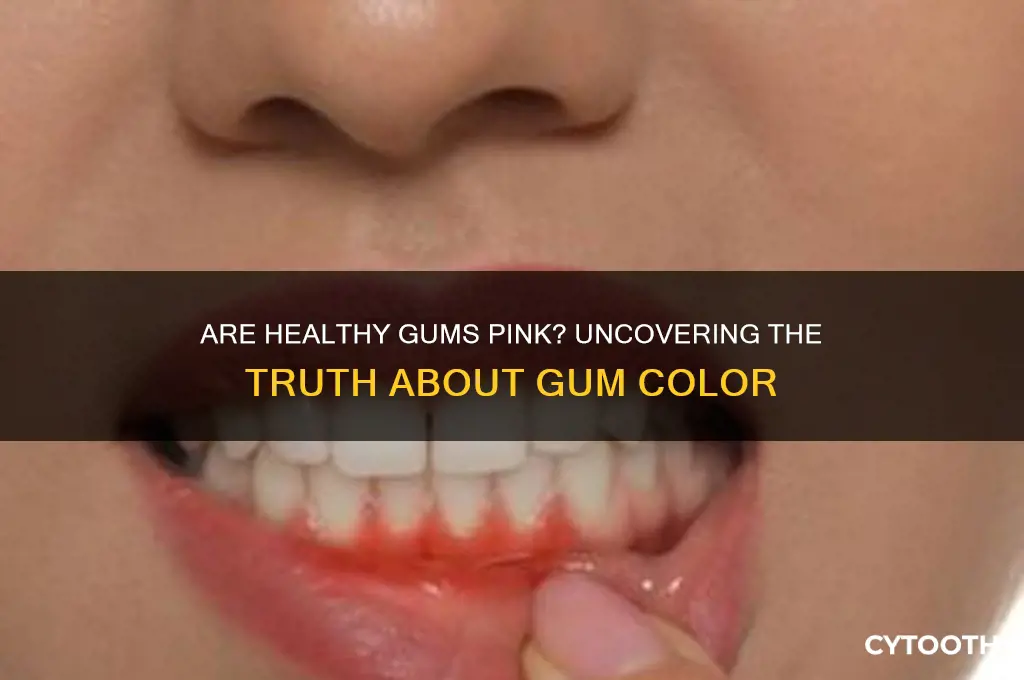
The color of healthy gums is a common concern for many, as it is often seen as an indicator of oral health. While it is generally believed that healthy gums should be a uniform pink color, the reality is that gum color can vary depending on an individual's skin tone, age, and overall health. Factors such as smoking, certain medications, and gum disease can also affect gum color, causing them to appear red, swollen, or even pale. To determine if your gums are healthy, it's essential to look for signs such as firmness, lack of bleeding when brushing or flossing, and a smooth texture, rather than focusing solely on their color.
| Characteristics | Values |
|---|---|
| Color | Healthy gums are typically a consistent shade of pink, though this can vary slightly depending on skin tone. |
| Texture | Firm, smooth, and resilient to touch, without swelling or lumps. |
| Contour | Even and knife-edged around each tooth, forming a tight seal. |
| Bleeding | Do not bleed during brushing, flossing, or dental exams. |
| Inflammation | Absence of redness, swelling, or tenderness. |
| Pocket Depth | Shallow sulcus (1-3 mm) between gum and tooth, indicating no gum disease. |
| Odor | No persistent bad breath (halitosis), as healthy gums do not harbor harmful bacteria. |
| Attachment | Gums are tightly attached to teeth, with no signs of recession or detachment. |
| Symmetry | Uniform appearance on both sides of the mouth. |
| Response to Care | Respond well to regular brushing, flossing, and professional cleanings. |
What You'll Learn
- Gum Color Variations: Healthy gums range from light to dark pink, depending on skin tone
- Signs of Gum Disease: Red, swollen, or bleeding gums may indicate gingivitis or periodontitis
- Oral Hygiene Tips: Brushing twice daily and flossing prevent gum inflammation and maintain pink gums
- Diet and Gum Health: Nutrient-rich foods like vitamins C and D support healthy gum tissue
- When to See a Dentist: Persistent gum discoloration or pain requires professional evaluation and treatment?

Gum Color Variations: Healthy gums range from light to dark pink, depending on skin tone
Healthy gums aren't one-size-fits-all pink. Just as skin tones vary across a beautiful spectrum, so does the healthy color of gum tissue. A light, coral pink often seen in fair-skinned individuals doesn't signify better health than the richer, darker pink common in those with deeper complexions. This natural variation is due to melanin, the pigment responsible for skin color, also being present in gum tissue.
Understanding this range is crucial. Assuming all healthy gums should match a single, pale pink shade can lead to unnecessary worry and potentially mask underlying issues. A dark pink gum line in a person with darker skin isn't a cause for alarm; it's simply their healthy baseline.
Think of it like this: just as you wouldn't expect everyone's hair color to be the same shade of brown, you shouldn't expect gum color to be uniform. A healthy gum color is one that's consistent for the individual, free from redness, swelling, or bleeding.
Gum Grafts: Understanding Their Necessity for Oral Health and Smile Aesthetics
You may want to see also
Signs of Gum Disease: Red, swollen, or bleeding gums may indicate gingivitis or periodontitis
Healthy gums are typically a uniform coral pink, firm in texture, and snugly fit around each tooth. Any deviation from this norm—such as redness, swelling, or bleeding—should raise immediate concern. These symptoms are not merely cosmetic issues; they are early warning signs of gum disease, specifically gingivitis or its more severe form, periodontitis. Ignoring these indicators can lead to irreversible damage, including tooth loss and systemic health complications.
Redness in gums occurs due to inflammation, a response to bacterial buildup from poor oral hygiene. Swelling follows as the body attempts to combat infection, often accompanied by tenderness or discomfort. Bleeding, particularly during brushing or flossing, signals that the gums are under distress. While occasional bleeding might seem minor, it is never normal and warrants attention. Gingivitis, the milder stage, is reversible with proper care, but untreated progression to periodontitis can destroy the bone and tissue supporting teeth.
To address these symptoms, start by improving oral hygiene: brush twice daily with a fluoride toothpaste, floss daily, and use an antimicrobial mouthwash. Electric toothbrushes can be more effective at removing plaque, especially for those with limited dexterity. Schedule a dental checkup immediately; a professional cleaning removes hardened plaque (tartar) that brushing alone cannot. For advanced cases, a dentist may recommend scaling and root planing, a deep-cleaning procedure to remove bacteria from below the gumline.
Prevention is key. Limit sugary foods and beverages, which fuel bacterial growth, and avoid tobacco products, as they exacerbate gum inflammation. Incorporate vitamin C-rich foods like oranges or bell peppers into your diet to support gum health. Regular dental visits every six months allow for early detection and intervention. Remember, healthy gums are not just pink—they are your first line of defense against oral and systemic diseases. Act promptly at the first sign of trouble to protect your smile and overall well-being.
Are Gum Grafts Painful? What to Expect During Recovery
You may want to see also
Oral Hygiene Tips: Brushing twice daily and flossing prevent gum inflammation and maintain pink gums
Healthy gums are indeed pink, a sign of vitality and proper blood circulation. This natural hue indicates that your gums are free from inflammation and disease, a direct result of consistent oral hygiene practices. Brushing twice daily and flossing are the cornerstones of maintaining this healthy pink color, as they remove plaque and food particles that can lead to gum irritation and discoloration.
Consider the mechanics of brushing: it’s not just about the act itself but the technique. Use a soft-bristled toothbrush at a 45-degree angle to your gums, applying gentle pressure in circular motions. Spend at least two minutes each session, dividing your mouth into four quadrants to ensure thorough cleaning. For children under 12, supervise brushing to instill proper habits, and opt for fluoride toothpaste in pea-sized amounts to prevent overuse.
Flossing complements brushing by targeting areas the toothbrush can’t reach. Slide the floss gently between teeth in a curved motion, hugging each tooth to dislodge debris. If traditional floss is cumbersome, try floss picks or water flossers, which are equally effective. Adults should floss daily, while children can begin as soon as two teeth touch. Consistency is key—skipping flossing allows plaque to harden into tartar, leading to gum inflammation and a red, swollen appearance instead of the desired pink.
Compare the outcomes: those who brush twice daily and floss regularly often exhibit firm, pink gums with no bleeding during brushing. In contrast, inconsistent oral care can result in gingivitis, marked by red, puffy gums that bleed easily. Over time, untreated gingivitis progresses to periodontitis, causing gum recession and a pale, diseased appearance. The difference is stark, underscoring the importance of these simple yet impactful habits.
Incorporate these practices into your daily routine, and monitor your gum health. If you notice persistent redness, swelling, or bleeding despite proper care, consult a dentist—these could be signs of underlying issues. Healthy gums are pink, and achieving this color is within your control through disciplined brushing and flossing. Start today, and let your gums reflect the care you invest in them.
Can Gum Infections Spread? Understanding Contagious Risks and Prevention
You may want to see also
Diet and Gum Health: Nutrient-rich foods like vitamins C and D support healthy gum tissue
Healthy gums are indeed typically pink, but their color alone isn’t the only indicator of oral health. Gum health is deeply intertwined with diet, particularly the intake of nutrient-rich foods that provide essential vitamins and minerals. Among these, vitamins C and D play a pivotal role in maintaining and strengthening gum tissue. Vitamin C, for instance, is crucial for collagen synthesis, which helps keep gums firm and resilient. A deficiency in this vitamin can lead to scurvy, a condition characterized by swollen, bleeding gums. Similarly, vitamin D supports bone health and reduces inflammation, both of which are vital for preventing gum disease. Incorporating foods rich in these nutrients, such as citrus fruits, leafy greens, fatty fish, and fortified dairy products, can significantly contribute to gum health.
To harness the benefits of these vitamins, consider a balanced approach to your diet. Adults should aim for at least 75–90 mg of vitamin C daily, which can be achieved by consuming one medium orange (70 mg) or a cup of strawberries (98 mg). For vitamin D, fatty fish like salmon or mackerel, egg yolks, and fortified foods are excellent sources. However, since vitamin D is harder to obtain from diet alone, supplementation may be necessary, especially in regions with limited sunlight. A daily intake of 600–800 IU is generally recommended for adults, though individual needs may vary based on factors like age and health status. Pairing these dietary choices with regular dental check-ups ensures a comprehensive approach to gum health.
While vitamins C and D are stars in the nutrient lineup, their effectiveness is amplified when combined with other gum-friendly foods. Crunchy fruits and vegetables like apples and carrots act as natural toothbrushes, stimulating saliva production and removing plaque. Probiotic-rich foods such as yogurt introduce beneficial bacteria that combat harmful oral microbes. Conversely, limiting sugar and refined carbohydrates is essential, as they fuel the growth of bacteria that cause gum inflammation. A diet rich in whole, nutrient-dense foods not only supports gum health but also contributes to overall well-being, proving that the adage "you are what you eat" holds true for your gums as well.
For those looking to optimize their diet for gum health, small, consistent changes yield the best results. Start by replacing sugary snacks with vitamin C-rich alternatives like bell peppers or kiwi. Incorporate fatty fish into meals twice a week to boost vitamin D intake. If sunlight exposure is limited, consider a vitamin D supplement after consulting a healthcare provider. Additionally, staying hydrated and avoiding smoking are non-negotiable habits, as they directly impact gum tissue health. By viewing diet as a proactive tool rather than a reactive measure, individuals can take control of their oral health and ensure their gums remain as vibrant and healthy as they should be.
When to See a Dentist: Persistent gum discoloration or pain requires professional evaluation and treatment
Healthy gums typically present as a consistent shade of coral pink, firm in texture, and snugly fitted around each tooth. However, persistent discoloration—whether darker red, white, or even bluish—can signal underlying issues such as gingivitis, infection, or nutritional deficiencies. Similarly, ongoing gum pain, swelling, or bleeding during brushing warrants immediate attention. These symptoms often indicate inflammation or disease that, if left untreated, can progress to periodontal disease or systemic health problems like diabetes or cardiovascular issues. Recognizing these deviations from the norm is the first step in addressing potential oral health concerns.
When gum discoloration or pain persists beyond a few days, self-diagnosis and home remedies fall short. Over-the-counter rinses or pain relievers may mask symptoms temporarily but fail to address the root cause. For instance, white patches on gums could indicate oral thrush, requiring antifungal medication, while dark red or bluish gums might suggest poor circulation or smoking-related damage. A dentist can perform a comprehensive evaluation, including X-rays and tissue biopsies if necessary, to pinpoint the cause and recommend targeted treatment. Delaying professional care risks complications, such as tooth loss or bone damage, that are far costlier and more invasive to correct.
Children and older adults face unique risks that necessitate prompt dental intervention. In children, persistent gum redness or swelling could stem from teething, poor oral hygiene, or even genetic conditions like gingival fibromatosis. For adults over 65, gum discoloration might reflect medication side effects (e.g., blood thinners causing bruising) or age-related tissue thinning. Dentists can tailor solutions to these age-specific concerns, such as fluoride treatments for children or softer toothbrush recommendations for seniors. Early intervention not only preserves oral health but also prevents discomfort and potential embarrassment from visible gum issues.
Practical steps to monitor gum health include daily inspection for color changes, texture abnormalities, or persistent soreness. Use a soft-bristled toothbrush and fluoride toothpaste twice daily, and floss gently to avoid tissue irritation. If symptoms arise, document their onset, duration, and severity to provide your dentist with actionable information. For example, note whether pain occurs during chewing or if bleeding happens spontaneously. Additionally, maintain a balanced diet rich in vitamin C and calcium to support gum integrity, and avoid tobacco products, which are a leading cause of gum discoloration and disease.
In conclusion, while minor gum irritation may resolve with improved care, persistent discoloration or pain demands professional attention. Dentists possess the tools and expertise to diagnose and treat conditions ranging from mild gingivitis to severe periodontal disease. Ignoring these warning signs can lead to irreversible damage, not only to oral health but also to overall well-being. Prioritize regular dental check-ups and act swiftly at the first sign of trouble—your gums are a vital indicator of your body’s health, and their care should never be deferred.
Frequently asked questions
Yes, healthy gums are typically a light to medium pink color, depending on your skin tone.
Gums that are pale, red, or swollen may indicate gum disease, inflammation, or poor oral hygiene. Consult a dentist for evaluation.
Yes, gum color can vary naturally due to genetics or skin pigmentation, ranging from light pink to darker shades in some individuals.
No, bleeding gums, even if they appear pink, are a sign of gum irritation or gingivitis and should be addressed by improving oral care or seeing a dentist.
Brush twice daily, floss regularly, use an antiseptic mouthwash, and visit your dentist for check-ups to keep gums healthy and pink.