Hailey Morgan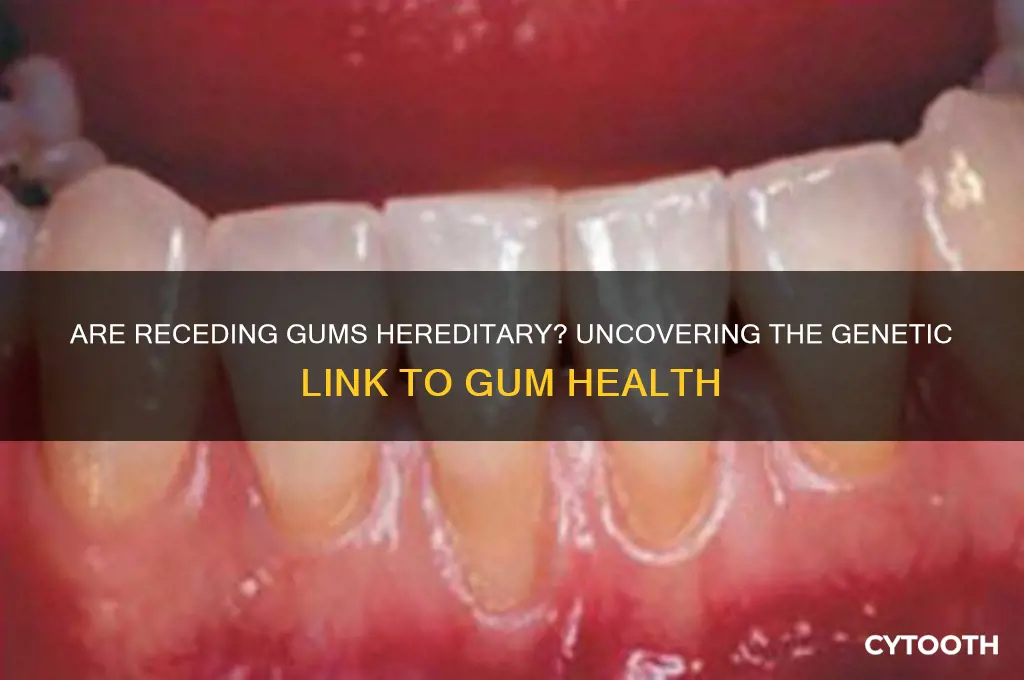
Receding gums, a condition where the gum tissue pulls away from the teeth, exposing the roots, can be influenced by a variety of factors, including oral hygiene, age, and lifestyle habits. However, there is growing interest in understanding whether genetics play a role in this condition. Research suggests that hereditary factors may contribute to gum recession, as individuals with a family history of periodontal disease or gum issues are often at a higher risk. Genetic predispositions can affect the strength and resilience of gum tissue, making some people more susceptible to recession, even with proper dental care. Exploring the hereditary aspects of receding gums is crucial for early prevention and personalized treatment strategies.
| Characteristics | Values |
|---|---|
| Hereditary Influence | Yes, genetic factors play a significant role in gum recession. Certain genetic traits can make individuals more susceptible to gum issues, including recession. |
| Genetic Conditions | Conditions like Ehlers-Danlos syndrome and Down syndrome are associated with a higher risk of gum recession due to genetic predispositions. |
| Tooth and Jaw Structure | Genetic factors influence tooth size, shape, and jaw alignment. Misaligned teeth or a small jaw can contribute to gum recession. |
| Gum Tissue Thickness | Thinner gum tissue, often determined genetically, is more prone to recession. |
| Collagen Production | Genetic variations affecting collagen production can weaken gum tissue, making it more susceptible to recession. |
| Inflammatory Response | Genetic predisposition to heightened inflammatory responses can increase the risk of gum disease, a leading cause of recession. |
| Non-Genetic Factors | While genetics play a role, non-hereditary factors like poor oral hygiene, smoking, and aggressive brushing also significantly contribute to gum recession. |
| Prevalence | Studies suggest that individuals with a family history of gum disease or recession are at a higher risk, indicating a strong hereditary component. |
| Preventive Measures | Regular dental check-ups, proper oral hygiene, and addressing genetic risk factors can help mitigate the risk of hereditary gum recession. |
What You'll Learn

Genetic Factors in Gum Recession
Gum recession, a condition where the gum tissue pulls back from the teeth, exposing the roots, has long been associated with factors like poor oral hygiene, aggressive brushing, and periodontal disease. However, emerging research highlights a significant genetic component that can predispose individuals to this issue, regardless of their dental care habits. Studies have identified specific genetic markers linked to gum recession, suggesting that family history plays a crucial role in determining one’s susceptibility. For instance, variations in genes responsible for collagen production and immune response have been correlated with increased risk. Understanding these genetic factors is essential for early intervention and personalized treatment strategies.
One practical example of genetic influence is the role of the *MMP1* gene, which encodes an enzyme involved in breaking down collagen, a key component of gum tissue. Individuals with certain variants of this gene may experience accelerated collagen degradation, leading to weakened gums and eventual recession. Similarly, genetic predispositions to conditions like Ehlers-Danlos syndrome or Down syndrome, which affect connective tissues, can indirectly contribute to gum recession. Recognizing these genetic links allows dentists to tailor preventive measures, such as recommending gentler brushing techniques or more frequent check-ups for at-risk patients.
While genetics set the foundation, environmental factors often act as triggers. For instance, a person with a genetic predisposition to gum recession may remain symptom-free until they develop habits like smoking or poor oral hygiene, which exacerbate the condition. This interplay between genes and lifestyle underscores the importance of proactive management. For those with a family history of gum recession, adopting habits like using a soft-bristled toothbrush, avoiding tobacco, and maintaining regular dental visits can mitigate genetic risks. Additionally, advancements in genetic testing may soon enable personalized risk assessments, allowing for targeted prevention plans.
From a comparative perspective, genetic factors in gum recession mirror those in other hereditary conditions, such as male-pattern baldness or certain types of cancer. Just as these conditions manifest differently based on genetic makeup, gum recession severity and progression vary widely among individuals with similar lifestyles. This variability highlights the need for a nuanced approach to dental care, one that considers both genetic predispositions and modifiable risk factors. For families with a history of gum recession, educating younger generations about their potential risk and the importance of early prevention can be a powerful tool in breaking the cycle.
In conclusion, genetic factors in gum recession are a critical yet often overlooked aspect of dental health. By acknowledging the role of genes like *MMP1* and their interaction with environmental triggers, individuals can take informed steps to protect their gum health. Dentists, too, can benefit from this knowledge by offering personalized care plans that address both genetic risks and lifestyle factors. As research continues to uncover the genetic underpinnings of gum recession, the potential for early detection and intervention grows, promising a future where hereditary risks no longer dictate oral health outcomes.
Are Gum Grafts Painful? What to Expect During Recovery
You may want to see also
Family History and Gum Health
Receding gums, a condition where the gum tissue pulls away from the teeth, exposing the roots, can be a cause for concern. While factors like poor oral hygiene, aggressive brushing, and hormonal changes play a role, family history often emerges as a silent contributor. Genetic predisposition influences the strength and resilience of gum tissue, making some individuals more susceptible to gum recession despite maintaining good oral care. Understanding this hereditary link is crucial for early intervention and personalized prevention strategies.
Consider the case of periodontal disease, a leading cause of gum recession. Research indicates that genetic factors account for up to 50% of the risk for developing severe periodontitis. Specific genes, such as those involved in immune response and inflammation, can make individuals more prone to gum infections and tissue breakdown. For instance, variations in the IL-1 gene have been linked to increased susceptibility to periodontitis. If a close relative, like a parent or sibling, has experienced significant gum recession or periodontal disease, your risk may be elevated.
To mitigate hereditary risks, proactive measures are essential. Start by scheduling regular dental check-ups every six months, or more frequently if advised by your dentist. During these visits, discuss your family history of gum disease to tailor a preventive plan. Incorporate a gentle brushing technique using a soft-bristled toothbrush, and avoid sawing motions that can irritate the gums. Floss daily to remove plaque from between teeth, and consider using antimicrobial mouthwash to reduce bacterial buildup. For those with a strong genetic predisposition, dentists may recommend professional deep cleanings or periodontal maintenance therapy to prevent progression.
Lifestyle adjustments can also counteract hereditary tendencies. Smoking, for example, accelerates gum recession and impairs healing, so quitting is paramount. A balanced diet rich in vitamins C and D, calcium, and antioxidants supports gum health by strengthening tissues and reducing inflammation. Limit sugary and acidic foods, which contribute to plaque formation and enamel erosion. Finally, manage stress, as it can weaken the immune system and exacerbate gum issues. Practices like yoga, meditation, or regular exercise can help maintain overall well-being.
While genetics may load the gun, lifestyle and preventive care pull the trigger. Acknowledging the role of family history empowers individuals to take targeted action. By combining genetic awareness with diligent oral hygiene and healthy habits, you can significantly reduce the risk of receding gums, even if they run in your family. Remember, heredity is not destiny—informed choices and consistent care can rewrite the narrative of your gum health.
Are Purple Gums Normal? Understanding Gum Color and Oral Health
You may want to see also
Hereditary Conditions Affecting Gums
Receding gums, a condition where the gum tissue pulls away from the teeth, exposing the roots, can be influenced by various factors, including genetics. While poor oral hygiene and certain lifestyle choices are commonly known contributors, hereditary conditions play a significant role in predisposing individuals to this issue. Understanding these genetic factors is crucial for early intervention and personalized care.
One notable hereditary condition linked to receding gums is gingival fibromatosis, a rare genetic disorder characterized by the overgrowth of gum tissue. Paradoxically, while this condition causes gum tissue to expand, it can also lead to recession due to the abnormal growth patterns. This disorder is often inherited in an autosomal dominant manner, meaning a single copy of the altered gene from one parent is sufficient to cause the condition. Families with a history of gingival fibromatosis should monitor gum health closely and consult with a periodontist for tailored management strategies.
Another genetic factor is Ehlers-Danlos syndrome (EDS), a group of disorders affecting connective tissues, including those in the gums. Individuals with EDS often have fragile gums that are more prone to recession due to reduced collagen strength. For example, EDS type III (hypermobile type) is particularly associated with gum recession. Patients with EDS should adopt a gentle oral care routine, using soft-bristled toothbrushes and avoiding aggressive flossing techniques to minimize tissue damage.
Genetic variations in inflammatory responses also contribute to gum recession. Some individuals inherit a heightened susceptibility to inflammation, making them more vulnerable to periodontal diseases like gingivitis and periodontitis, which are leading causes of receding gums. Studies have identified specific gene variants, such as those in the IL-1 gene cluster, that increase the risk of severe periodontal disease. For those with a family history of gum disease, proactive measures like regular dental check-ups, professional cleanings every 3–4 months, and anti-inflammatory diets rich in omega-3 fatty acids can help mitigate risks.
Lastly, hypodontia, a hereditary condition where some teeth are missing, can indirectly contribute to gum recession. When teeth are absent, neighboring teeth may shift, causing uneven stress on the gums and leading to recession over time. Orthodontic interventions, such as space maintainers or braces, can help manage tooth alignment in individuals with hypodontia, thereby reducing the risk of gum issues.
In summary, hereditary conditions like gingival fibromatosis, Ehlers-Danlos syndrome, genetic inflammatory responses, and hypodontia can significantly impact gum health, increasing the likelihood of recession. Awareness of these genetic factors, coupled with targeted preventive measures, is essential for maintaining optimal oral health in susceptible individuals.
Can Gum Infections Spread? Understanding Contagious Risks and Prevention
You may want to see also
Role of DNA in Gum Tissue
Receding gums, a condition where the gum tissue pulls away from the teeth, exposing the roots, has long been associated with factors like poor oral hygiene, aggressive brushing, and periodontal disease. However, emerging research suggests that genetics may play a significant role in determining an individual's susceptibility to this condition. The role of DNA in gum tissue health is a complex interplay of genes that influence the structure, function, and resilience of the periodontium.
From an analytical perspective, studies have identified specific genetic markers linked to gum recession. For instance, variations in genes such as IL-1 (interleukin-1) and IL-6 (interleukin-6), which regulate inflammation, have been associated with increased risk. Individuals with certain alleles of these genes may produce higher levels of inflammatory cytokines, making their gum tissue more vulnerable to recession. Similarly, mutations in the MMP (matrix metalloproteinase) genes, which regulate tissue remodeling, can lead to excessive breakdown of the extracellular matrix, accelerating gum tissue loss. Understanding these genetic predispositions can help dentists tailor preventive strategies, such as recommending gentler brushing techniques or more frequent check-ups for at-risk patients.
Instructively, if you suspect a hereditary component to your gum recession, consider undergoing genetic testing. While not yet standard in dental practice, tests like saliva-based DNA kits can identify risk alleles associated with periodontal health. For example, companies like 23andMe provide insights into genetic variants linked to gum disease. Armed with this knowledge, you can take proactive steps, such as using a soft-bristled toothbrush, incorporating antimicrobial mouthwashes, and maintaining a diet rich in vitamins C and D, which support gum tissue integrity. For individuals over 40, who are at higher risk due to age-related tissue thinning, combining genetic insights with lifestyle adjustments can be particularly effective.
Persuasively, it’s crucial to recognize that while DNA sets the foundation, it’s not destiny. Even if you carry risk genes, environmental factors like smoking, poor nutrition, and inadequate oral care significantly amplify the likelihood of receding gums. For instance, smokers with a genetic predisposition are up to three times more likely to experience severe gum recession compared to non-smokers. Conversely, consistent flossing, regular dental cleanings, and avoiding habits like teeth grinding can mitigate genetic risks. A 2020 study in the *Journal of Periodontology* found that patients with high genetic risk who adhered to rigorous oral hygiene routines reduced their recession progression by 40%.
Comparatively, the role of DNA in gum tissue health mirrors its influence on other hereditary conditions, such as osteoporosis. Just as genetic factors affect bone density, they impact the strength and resilience of gum tissue. For example, the VITD gene, which regulates vitamin D metabolism, is linked to both osteoporosis and periodontal disease. Individuals with variants in this gene may benefit from higher vitamin D intake—up to 1000 IU daily for adults—to support bone and gum health. This parallel highlights the importance of addressing systemic health when managing gum recession, especially in families with a history of both conditions.
Descriptively, imagine gum tissue as a tapestry, with DNA serving as the loom that determines its weave. Some individuals inherit a tightly woven pattern, resistant to wear, while others receive a looser, more fragile design. However, even the most delicate tapestry can be preserved with careful maintenance. By understanding the genetic threads that compose your gum tissue, you can take targeted actions to reinforce its structure. Whether through dietary changes, specialized oral care products, or professional interventions like gum grafting, the interplay of genetics and environment offers a roadmap for preserving your oral health.
Gum Grafts: Understanding Their Necessity for Oral Health and Smile Aesthetics
You may want to see also
Inherited Traits Linked to Gum Loss
Receding gums, a condition where the gum tissue pulls away from the teeth, exposing the roots, can be influenced by a combination of genetic and environmental factors. While poor oral hygiene, aggressive brushing, and periodontal disease are well-known contributors, emerging research highlights the role of inherited traits in predisposing individuals to gum loss. Genetic variations can affect the strength of gum tissue, the body’s response to bacteria, and even the shape of the jaw, all of which play a role in gum recession. Understanding these inherited traits can help individuals take proactive steps to mitigate risks and preserve oral health.
One key inherited trait linked to gum loss is the thickness and resilience of gum tissue. Studies suggest that individuals with naturally thinner gum tissue are more susceptible to recession. This trait is often passed down through families, meaning if your parents or grandparents experienced receding gums, you may be at higher risk. Genetic testing, though not yet widely available for this specific trait, could one day help identify those predisposed to gum loss early in life. In the meantime, dentists recommend regular check-ups and gentle oral care routines for those with a family history of gum issues.
Another genetic factor is the body’s immune response to oral bacteria. Some individuals inherit a more aggressive immune reaction to plaque buildup, leading to inflammation and tissue damage. This heightened response can accelerate gum recession, even in the presence of good oral hygiene. For example, certain genetic markers associated with autoimmune disorders, such as HLA-DRB1, have been linked to a higher risk of periodontal disease. If you have a family history of autoimmune conditions, it’s crucial to monitor your gum health closely and address any signs of inflammation promptly.
The shape and alignment of teeth, influenced by genetic factors, also play a role in gum recession. Crowded or misaligned teeth can create uneven pressure on the gums, making them more prone to receding. Orthodontic issues like overbites or underbites, often hereditary, can exacerbate this problem. For individuals with these traits, early orthodontic intervention and consistent gum care can help prevent or slow down recession. Using tools like interdental brushes or water flossers can be particularly beneficial for maintaining gum health in these cases.
Practical steps for those with inherited risks include adopting a tailored oral care routine. Soft-bristled toothbrushes, fluoride toothpaste, and antimicrobial mouthwash can reduce bacterial buildup and inflammation. Avoiding tobacco products and limiting sugary foods are also essential, as they can worsen gum health. For those with a strong genetic predisposition, periodontal maintenance therapy, which involves deep cleaning and regular monitoring by a dentist, may be necessary. By acknowledging the role of inherited traits and taking targeted action, individuals can better manage their risk of gum loss and maintain a healthy smile.
Are Healthy Gums Pink? Uncovering the Truth About Gum Color
You may want to see also
Frequently asked questions
No, while genetics can play a role in gum recession, it is not the sole cause. Factors like poor oral hygiene, aggressive brushing, gum disease, and teeth grinding also contribute significantly.
Yes, even if you have a genetic predisposition, maintaining good oral hygiene, using a soft-bristled toothbrush, and regular dental check-ups can help prevent or slow down gum recession.
No, gum recession is not always hereditary. It can occur due to lifestyle factors, dental habits, or underlying health conditions, regardless of family history.