Ethan Brooks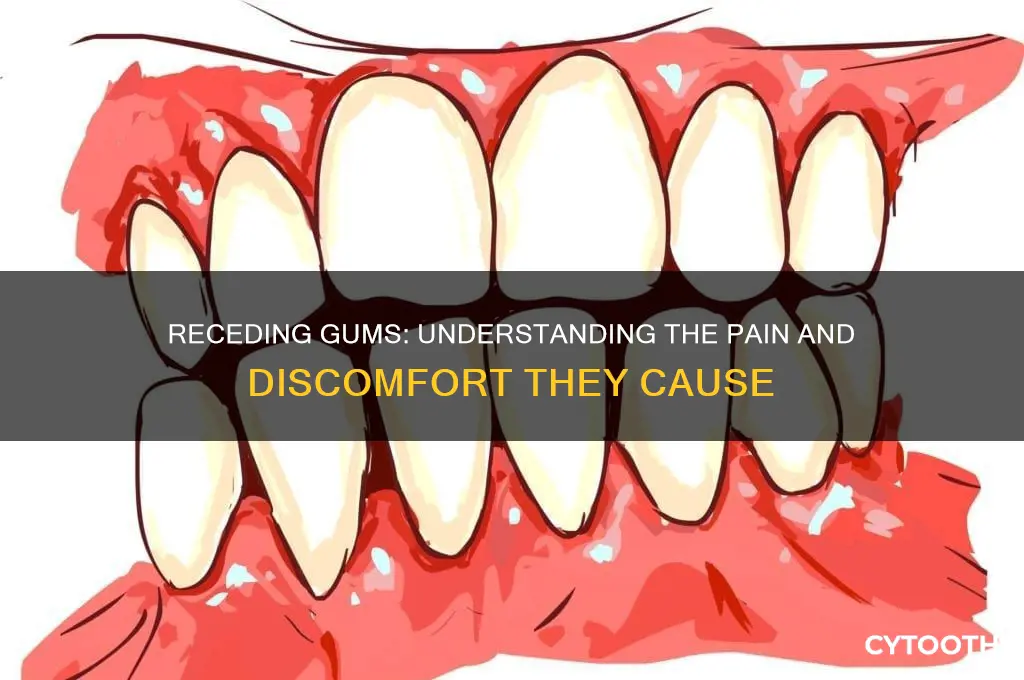
Receding gums, a condition where the gum tissue pulls away from the teeth, exposing the roots, is a common oral health issue that many people experience. While it may not always cause pain, receding gums can indeed be uncomfortable and lead to sensitivity, especially when consuming hot, cold, or sweet substances. The discomfort often arises from the exposure of the tooth’s root surface, which lacks the protective enamel found on the crown. Additionally, receding gums can create pockets where bacteria accumulate, potentially leading to inflammation, infection, or even tooth decay, which may cause further pain. Early detection and treatment are crucial to prevent worsening symptoms and more serious dental problems.
| Characteristics | Values |
|---|---|
| Pain Sensation | Receding gums themselves may not always hurt, but they can cause discomfort or sensitivity. |
| Sensitivity | Increased sensitivity to hot, cold, or sweet foods/drinks is common. |
| Bleeding | Gums may bleed during brushing or flossing due to exposure of sensitive root surfaces. |
| Tooth Appearance | Teeth may appear longer as gum tissue recedes. |
| Gum Exposure | Root surfaces of teeth become exposed, leading to potential pain or sensitivity. |
| Cavities Risk | Exposed roots are more susceptible to decay, which can cause pain. |
| Infection Risk | Receding gums can lead to gum infections (periodontal disease), causing pain and swelling. |
| Halitosis | Bad breath may occur due to bacterial buildup in exposed areas. |
| Loose Teeth | Advanced gum recession can lead to tooth mobility, causing discomfort. |
| Treatment Pain | Procedures like gum grafting may cause temporary pain or soreness. |
| Prevention Focus | Proper oral hygiene can prevent further recession and associated pain. |
| Early Detection | Early stages may be painless, but addressing it promptly prevents complications. |
What You'll Learn
- Causes of Gum Recession Pain: Identify factors like brushing too hard, gum disease, or misaligned teeth causing discomfort
- Symptoms of Receding Gums: Sensitive teeth, bleeding gums, and visible tooth roots indicate painful gum recession
- Pain Relief Options: Use desensitizing toothpaste, fluoride treatments, or pain relievers to manage gum recession pain
- When to See a Dentist: Persistent pain, swelling, or infection requires immediate professional dental intervention?
- Preventing Further Discomfort: Practice proper oral hygiene, avoid aggressive brushing, and address underlying dental issues promptly

Causes of Gum Recession Pain: Identify factors like brushing too hard, gum disease, or misaligned teeth causing discomfort
Receding gums can indeed cause discomfort, and understanding the root causes is crucial for effective management. One common culprit is aggressive brushing. Many people believe that applying more pressure while brushing leads to cleaner teeth, but this misconception can have painful consequences. The harsh scrubbing action wears away the delicate gum tissue, causing it to recede and exposing the sensitive root surfaces. Over time, this not only results in gum recession but also increases the risk of tooth sensitivity and even tooth loss. To prevent this, dentists recommend using a soft-bristled toothbrush and adopting a gentle, circular motion when brushing. The American Dental Association advises brushing for at least two minutes twice a day, emphasizing technique over force.
Gum disease, particularly periodontitis, is another significant factor contributing to gum recession pain. This advanced stage of gum infection damages the tissues and bones supporting the teeth, leading to gum detachment and recession. Symptoms often include swollen, bleeding gums, persistent bad breath, and a receding gum line. If left untreated, periodontitis can cause severe pain and tooth mobility. Early intervention is key—regular dental check-ups, professional cleanings, and proper oral hygiene can halt the progression of gum disease. For those already affected, deep cleaning procedures like scaling and root planing may be necessary to remove plaque and tartar buildup below the gum line.
Misaligned teeth or malocclusion can also play a role in gum recession discomfort. When teeth are not properly aligned, they exert uneven pressure on the gums and jawbone, leading to localized recession and sensitivity. Orthodontic issues like overcrowding or an overbite can exacerbate this problem, as they create hard-to-clean areas where plaque accumulates. Correcting misalignment through braces, clear aligners, or other orthodontic treatments can alleviate this pressure and reduce the risk of gum recession. Additionally, maintaining good oral hygiene during orthodontic treatment is essential to prevent further complications.
Lastly, certain habits and lifestyle factors can contribute to gum recession pain. For instance, tobacco use, whether smoked or chewed, restricts blood flow to the gums, impairing their ability to heal and increasing the likelihood of recession. Similarly, clenching or grinding teeth (bruxism) places excessive force on the gums and teeth, leading to recession and discomfort. Stress management techniques, such as meditation or wearing a night guard, can help mitigate the effects of bruxism. Adopting a balanced diet rich in vitamins C and D, which support gum health, and staying hydrated can also aid in preventing gum recession. By addressing these underlying causes, individuals can minimize pain and maintain healthier gums.
How Quickly Do Gums Heal After Injury or Dental Work?
You may want to see also
Symptoms of Receding Gums: Sensitive teeth, bleeding gums, and visible tooth roots indicate painful gum recession
Receding gums often manifest through heightened tooth sensitivity, a symptom that can disrupt daily activities like eating or drinking. Cold beverages, hot soups, or even sweet treats may trigger sharp, sudden pain as the protective gum tissue pulls away from the teeth, exposing the more sensitive dentin beneath. This discomfort is not merely a minor inconvenience; it signals an underlying issue that, if left unaddressed, can lead to more severe oral health problems.
Bleeding gums are another telltale sign of gum recession, often noticed during brushing or flossing. While occasional bleeding might seem trivial, it indicates inflammation or infection in the gum tissue. Persistent bleeding can be a red flag for periodontal disease, a condition closely linked to gum recession. To mitigate this, dentists recommend using a soft-bristled toothbrush and fluoride toothpaste, along with gentle brushing techniques to avoid further irritation.
Visible tooth roots are perhaps the most unmistakable symptom of receding gums. As gums recede, the roots of the teeth become exposed, appearing as elongated, yellowed surfaces compared to the whiter enamel of the tooth crown. This exposure not only affects the appearance of your smile but also increases the risk of decay and infection in the root area, which lacks the protective enamel layer. Regular dental check-ups are crucial for monitoring this progression and implementing preventive measures.
For those experiencing these symptoms, practical steps can help manage discomfort and slow recession. Using desensitizing toothpaste containing potassium nitrate or fluoride can reduce sensitivity over time. Antimicrobial mouthwash can also combat gum inflammation and bleeding. However, these measures are not substitutes for professional care. A periodontist may recommend deep cleaning (scaling and root planing) or, in severe cases, surgical procedures like gum grafting to restore lost tissue. Early intervention is key to preventing irreversible damage and maintaining oral health.
Can Gum Infections Spread? Understanding Contagious Risks and Prevention
You may want to see also
Pain Relief Options: Use desensitizing toothpaste, fluoride treatments, or pain relievers to manage gum recession pain
Receding gums can expose sensitive areas of the teeth, leading to discomfort or pain, especially when consuming hot, cold, sweet, or acidic foods. Fortunately, several pain relief options are available to manage this sensitivity effectively. Desensitizing toothpaste, fluoride treatments, and over-the-counter pain relievers are among the most accessible and practical solutions. Each option works differently, targeting the root cause of sensitivity or providing symptomatic relief, allowing individuals to choose the best fit for their needs.
Desensitizing toothpaste is a popular first-line defense against gum recession pain. These toothpastes contain active ingredients like potassium nitrate or strontium chloride, which block nerve pathways in the teeth, reducing sensitivity over time. For optimal results, use the toothpaste twice daily, brushing gently with a soft-bristled toothbrush. It may take several weeks of consistent use to notice significant improvement, so patience is key. Avoid rinsing your mouth with water immediately after brushing to allow the active ingredients to penetrate the teeth effectively.
Fluoride treatments offer another effective approach to managing gum recession pain by strengthening tooth enamel and reducing sensitivity. Professional fluoride applications, performed by a dentist, provide a higher concentration of fluoride than over-the-counter products. Alternatively, fluoride mouth rinses or gels can be used at home, following the manufacturer’s instructions or your dentist’s guidance. For example, a fluoride mouth rinse may be used daily, while gels are typically applied less frequently. These treatments are particularly beneficial for individuals with advanced gum recession or multiple sensitive teeth.
For immediate relief from acute pain, over-the-counter pain relievers like ibuprofen or acetaminophen can be used. Ibuprofen, an anti-inflammatory medication, is often more effective for dental pain as it reduces inflammation in the gums. Adults can take 200–400 mg every 4–6 hours, not exceeding 1,200 mg in 24 hours. Acetaminophen, a non-anti-inflammatory option, can be taken at 500–1,000 mg every 4–6 hours, up to 3,000 mg daily. Always follow dosage guidelines and consult a healthcare provider if pain persists or worsens, as this may indicate an underlying issue requiring professional intervention.
Combining these pain relief options can provide comprehensive management of gum recession pain. For instance, using desensitizing toothpaste daily while incorporating fluoride treatments weekly can address sensitivity at its source. In moments of heightened discomfort, pain relievers can offer temporary relief. However, it’s essential to address the underlying cause of gum recession, such as poor oral hygiene or periodontal disease, through regular dental check-ups and proper care. By integrating these strategies, individuals can effectively alleviate pain and improve their oral health.
Aging and Gum Recession: Understanding Natural Changes in Oral Health
You may want to see also
When to See a Dentist: Persistent pain, swelling, or infection requires immediate professional dental intervention
Receding gums can be a silent issue, often progressing without noticeable discomfort until complications arise. However, persistent pain, swelling, or signs of infection are red flags that demand immediate attention. These symptoms indicate that the underlying cause—whether gum disease, trauma, or poor oral hygiene—has advanced to a critical stage. Ignoring them can lead to irreversible damage, including tooth loss or systemic health issues like cardiovascular disease. If you experience unrelenting gum pain, noticeable swelling, or pus discharge, delay is not an option—schedule a dental appointment without hesitation.
Analyzing the urgency of these symptoms reveals why professional intervention is non-negotiable. Persistent pain suggests inflammation or infection that over-the-counter remedies cannot resolve. Swelling often indicates an abscess, a localized infection that can spread to surrounding tissues or even the bloodstream if untreated. Infections in the oral cavity are particularly dangerous due to their proximity to vital structures like the brain and heart. For instance, untreated periodontal abscesses have been linked to sepsis, a life-threatening condition requiring hospitalization. Dentists can diagnose the root cause through clinical examination, X-rays, or bacterial cultures, followed by targeted treatments like antibiotics, drainage, or deep cleaning.
From a practical standpoint, knowing when to act is as crucial as the action itself. If pain persists beyond 2–3 days, swelling worsens, or you develop fever, chills, or difficulty swallowing, these are emergency signals. Rinsing with warm salt water (1/2 teaspoon of salt in 8 ounces of water) may provide temporary relief, but it is not a substitute for professional care. Avoid self-medicating with antibiotics leftover from previous prescriptions, as improper dosage or duration can exacerbate the issue. Instead, follow the dentist’s prescribed regimen, typically 7–10 days of antibiotics like amoxicillin (500 mg, 3 times daily for adults) or scaling and root planing procedures to remove bacterial buildup.
Comparatively, early-stage gum recession may cause mild sensitivity or cosmetic concerns, manageable with improved oral hygiene and regular check-ups. However, the presence of severe pain or infection marks a tipping point where home care becomes insufficient. For example, while fluoride toothpaste or desensitizing gels can alleviate minor discomfort, they are ineffective against abscesses or advanced periodontitis. Dentists employ techniques like surgical gum grafts, laser therapy, or guided tissue regeneration to address severe cases, underscoring the importance of timely intervention. Delaying treatment not only prolongs suffering but also increases the complexity and cost of restoration.
In conclusion, persistent pain, swelling, or infection in receding gums is a dental emergency, not a minor inconvenience. These symptoms signify advanced disease or complications that require specialized care. By recognizing the urgency and seeking prompt treatment, you can prevent long-term damage and safeguard your oral and overall health. Remember, the goal is not just to alleviate pain but to address the root cause—a task best left to dental professionals equipped with the expertise and tools to restore your gums to health.
Are Purple Gums Normal? Understanding Gum Color and Oral Health
You may want to see also
Preventing Further Discomfort: Practice proper oral hygiene, avoid aggressive brushing, and address underlying dental issues promptly
Receding gums can indeed cause discomfort, ranging from mild sensitivity to sharp pain, especially when exposed roots come into contact with hot, cold, or sweet substances. To prevent further discomfort, the first line of defense is practicing proper oral hygiene. This isn’t just about brushing twice a day—it’s about doing it correctly. Use a soft-bristled toothbrush and fluoride toothpaste, and angle the brush at 45 degrees to the gum line. Spend at least two minutes brushing, ensuring you clean all surfaces of the teeth and the tongue. Flossing daily is equally critical, as it removes plaque and debris from areas your toothbrush can’t reach. Neglecting these habits allows plaque to harden into tartar, which accelerates gum recession and inflammation.
While brushing is essential, avoiding aggressive brushing is equally important. Brushing too hard or using a hard-bristled toothbrush can wear away enamel and irritate gums, exacerbating recession. Think of it as caring for delicate fabric—gentle, consistent motion is key. Electric toothbrushes with pressure sensors can be a game-changer, as they alert you if you’re applying too much force. Pair this with a technique like the Bass method, where you make short, back-and-forth motions along the gum line, to clean effectively without causing harm. Overzealous brushing might feel thorough, but it’s counterproductive, leading to more pain and sensitivity over time.
Even with impeccable hygiene, underlying dental issues like bruxism (teeth grinding), misaligned teeth, or periodontal disease can drive gum recession. Bruxism, for instance, places excessive force on teeth and gums, often occurring during sleep without the individual’s awareness. A custom-fitted night guard, prescribed by a dentist, can mitigate this damage. Similarly, misaligned teeth create uneven pressure, making certain areas more prone to recession. Orthodontic treatments like braces or clear aligners can correct alignment issues, reducing stress on gums. Periodontal disease, a bacterial infection, requires professional intervention—scaling and root planing procedures remove tartar and smooth root surfaces to prevent further harm.
Promptly addressing these issues is non-negotiable. Delaying treatment allows problems to worsen, increasing discomfort and the risk of irreversible damage. For example, untreated periodontal disease can lead to tooth loss and systemic health issues like heart disease. Regular dental check-ups every six months are vital for early detection and intervention. During these visits, your dentist can monitor gum health, clean hard-to-reach areas, and provide personalized advice. Remember, receding gums don’t always announce their presence with pain—sometimes, the first sign is a tooth appearing longer than usual. Act at the first hint of trouble to preserve your oral health and avoid unnecessary suffering.
Incorporating these practices into your routine isn’t just about preventing pain—it’s about safeguarding your overall well-being. Proper hygiene, gentle care, and timely professional intervention form a trifecta that keeps gums healthy and resilient. By taking these steps, you’re not just answering the question of whether receding gums hurt—you’re ensuring they don’t have the chance to.
Do Gum Grafts Look Natural? A Comprehensive Guide to Results
You may want to see also
Frequently asked questions
Not always. Receding gums may not hurt initially, but as the condition progresses, sensitivity, discomfort, or pain can develop, especially when eating, drinking, or brushing.
Pain from receding gums is often due to exposed tooth roots, gum inflammation, or infection. Poor oral hygiene, gum disease, or aggressive brushing can worsen the discomfort.
Yes, early-stage gum recession may not be noticeable but can still cause sensitivity or mild pain, especially to hot, cold, or sweet stimuli.
Use desensitizing toothpaste, avoid harsh brushing, and maintain good oral hygiene. See a dentist for professional treatment, such as deep cleaning or gum grafting, to address the underlying cause.