Matthew Grant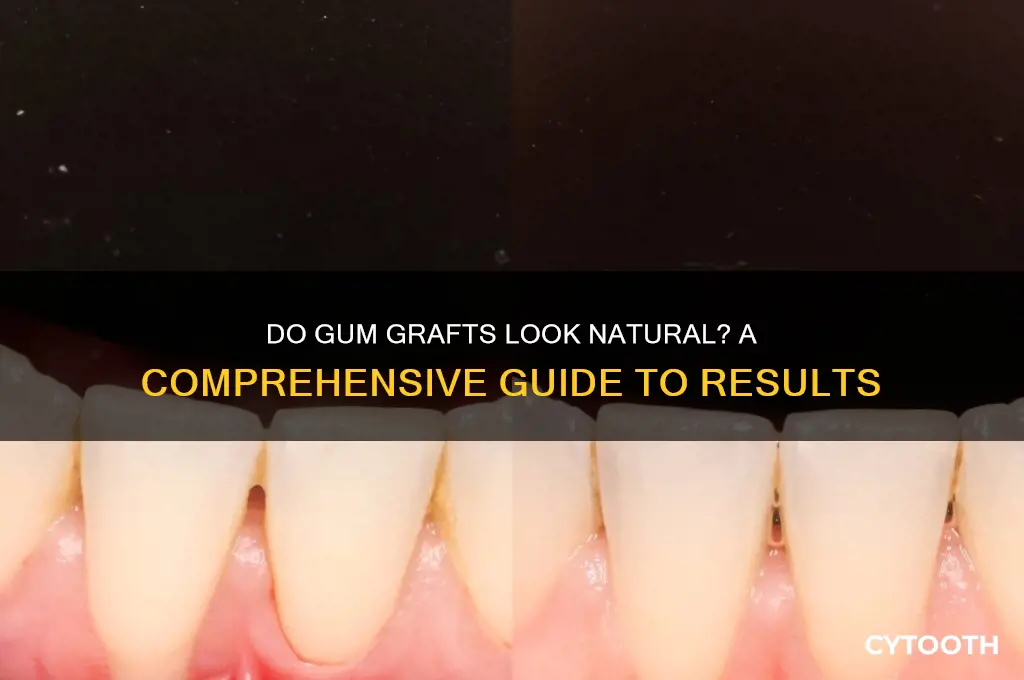
Gum grafts are a common dental procedure designed to address gum recession, which can expose tooth roots and lead to sensitivity or aesthetic concerns. One of the primary questions patients have is whether gum grafts look natural after healing. When performed by a skilled periodontist, gum grafts can blend seamlessly with the surrounding gum tissue, often appearing indistinguishable from natural gums. The success of the natural appearance depends on factors such as the grafting technique used, the patient’s oral health, and post-operative care. Modern methods, such as connective tissue grafts or tissue regeneration techniques, prioritize both functionality and aesthetics, ensuring the results are both healthy and visually pleasing. While there may be some initial differences in color or texture during the healing process, over time, the grafted area typically integrates well, restoring a natural and harmonious gumline.
| Characteristics | Values |
|---|---|
| Appearance Post-Healing | Gum grafts can blend seamlessly with natural gum tissue, often appearing indistinguishable from the surrounding gums. |
| Color Match | Skilled surgeons carefully match the graft tissue to the patient’s natural gum color for a consistent look. |
| Texture | The texture of the grafted gum tissue typically matches the natural gum tissue after healing. |
| Contour and Shape | Grafts are sculpted to mimic the natural gum line, ensuring a harmonious and organic appearance. |
| Healing Time | Full natural appearance usually achieved within 3-6 months post-procedure, depending on individual healing. |
| Scarring | Minimal to no visible scarring when performed by an experienced periodontist. |
| Long-Term Results | Gum grafts are considered permanent and maintain a natural look for years with proper care. |
| Patient Satisfaction | High satisfaction rates reported, with most patients finding the results natural and aesthetically pleasing. |
| Technique Influence | Advanced techniques like connective tissue grafts, free gingival grafts, and Alloderm grafts enhance natural outcomes. |
| Individual Variation | Results may vary based on the patient’s oral health, healing ability, and the surgeon’s expertise. |
What You'll Learn

Healing Process and Appearance
The healing process after a gum graft is a delicate balance of time, care, and patience, directly influencing how natural the results will appear. Initially, the graft site may look swollen, red, or slightly uneven, which can be alarming. However, this is a normal part of the body’s response to surgery. Within the first week, swelling typically subsides, revealing the graft’s initial integration with the surrounding tissue. During this phase, it’s crucial to follow post-operative instructions meticulously—avoid brushing the graft area, rinse with a prescribed saline solution, and stick to soft foods to prevent irritation. The appearance at this stage is transitional, but it sets the foundation for long-term aesthetics.
As healing progresses into weeks two to four, the graft begins to blend more seamlessly with the natural gum line. The color and texture start to match the surrounding tissue, though minor discrepancies may still be visible. This is where the type of graft (e.g., connective tissue, pedicle, or tissue from a donor) plays a role. For instance, connective tissue grafts often integrate more naturally due to their compatibility with the recipient site. Patients may notice small stitches dissolving or being removed during this period, further refining the appearance. Patience is key here, as rushing the process can compromise results.
By the three-month mark, the graft has typically matured significantly, and the results begin to resemble the final outcome. The gum line appears more uniform, and any initial unevenness has largely resolved. However, full healing can take up to a year, during which the graft continues to stabilize and refine its appearance. Regular follow-ups with the periodontist are essential to monitor progress and address any concerns. For those seeking a natural look, this extended timeline is a small price to pay for lasting, aesthetically pleasing results.
Practical tips can enhance both healing and appearance. Avoid smoking, as it impairs blood flow and delays tissue regeneration. Maintain impeccable oral hygiene, but be gentle around the graft site. Incorporate a soft-bristled toothbrush and non-alcoholic mouthwash into your routine. If discomfort persists, over-the-counter pain relievers like ibuprofen (200–400 mg every 6–8 hours) can help, but always consult your dentist first. Finally, trust the process—gum grafts are designed to heal naturally, and with time, the results often become indistinguishable from the original gum tissue.
Can Gum Infections Spread? Understanding Contagious Risks and Prevention
You may want to see also
Matching Gum Tissue Color
One of the most critical aspects of achieving a natural appearance with gum grafts is matching the color of the grafted tissue to the existing gum tissue. The human eye is remarkably adept at detecting even subtle discrepancies in color, making this step essential for aesthetic success. Gum tissue color can vary significantly among individuals, influenced by factors such as skin tone, thickness of the tissue, and the underlying bone structure. A skilled periodontist will carefully assess these variables to select a graft source that blends seamlessly with the patient’s natural gum color. This process often involves comparing the patient’s gum tissue to a color chart or using advanced imaging techniques to ensure precision.
To achieve optimal color matching, periodontists typically prefer using autografts—tissue taken from another area of the patient’s mouth, such as the palate. This method ensures the closest possible match in color and texture because the tissue is genetically identical. However, autografts are not always feasible due to limited donor sites or patient preference. In such cases, allografts (donor tissue from another individual) or xenografts (animal-derived tissue) may be used, though these options often require additional techniques to enhance color compatibility. For instance, allografts can be processed to remove immunogenic cells, reducing the risk of rejection and improving integration with the patient’s natural tissue.
Post-operative care plays a pivotal role in maintaining the natural color of gum grafts. Patients are advised to avoid habits that can discolor gum tissue, such as smoking or excessive consumption of staining foods and beverages (e.g., coffee, tea, or red wine). Proper oral hygiene, including regular brushing and flossing, is essential to prevent inflammation or infection that could alter the graft’s appearance. Additionally, some periodontists recommend using antimicrobial mouthwashes or applying topical agents to promote healing and preserve tissue color. Following these guidelines can significantly enhance the long-term aesthetic outcome of the graft.
While color matching is a cornerstone of natural-looking gum grafts, it’s important to acknowledge that minor variations may still occur. Over time, the grafted tissue may undergo slight changes in color as it integrates with the surrounding gums. This process, known as remodeling, is a normal part of healing and typically results in a harmonious blend of tissues. Patients should maintain realistic expectations and understand that perfection may not be achievable, but skilled practitioners can come remarkably close. Regular follow-up appointments allow the periodontist to monitor the graft’s appearance and address any concerns promptly, ensuring the best possible aesthetic result.
Are Zyn Pouches Harmful to Your Gum Health? Find Out Now
You may want to see also
Long-Term Aesthetic Results
Gum grafts, when performed with precision and care, can achieve remarkably natural-looking results that stand the test of time. The key to long-term aesthetic success lies in the surgeon’s ability to match the graft tissue to the surrounding gum color, texture, and contour. Over time, the graft integrates seamlessly with the existing gum tissue, making it nearly impossible to distinguish from the natural gumline. However, this outcome depends heavily on the technique used—whether it’s a connective tissue graft, free gingival graft, or pedicle graft—and the patient’s adherence to post-operative care. For instance, connective tissue grafts, often harvested from the palate, tend to blend more naturally due to their thinner, more pliable nature, making them a preferred choice for cosmetic cases.
One critical factor in maintaining long-term aesthetic results is the patient’s oral hygiene routine. Proper brushing and flossing prevent gum recession from recurring, which could otherwise compromise the graft’s appearance. Patients should use a soft-bristled toothbrush and avoid aggressive brushing techniques, especially around the graft site. Additionally, regular dental check-ups are essential to monitor healing and address any early signs of complications, such as infection or tissue rejection. For those prone to gum recession, dentists may recommend antimicrobial mouthwashes or specialized toothpaste to reduce bacterial buildup and inflammation.
Aging and lifestyle choices also play a significant role in the longevity of gum graft aesthetics. As individuals age, natural changes in gum tissue can occur, but well-performed grafts typically age gracefully alongside the surrounding tissues. Smoking, however, is a major detractor from long-term results, as it impairs blood flow and slows healing, potentially leading to graft failure or discoloration. Patients who quit smoking before and after the procedure significantly improve their chances of achieving and maintaining natural-looking results. Similarly, habits like teeth grinding (bruxism) can strain the graft site, so wearing a night guard may be advised.
Comparing gum grafts to other cosmetic dental procedures highlights their unique advantage: they address both functional and aesthetic concerns simultaneously. Unlike veneers or crowns, which primarily enhance tooth appearance, gum grafts restore gum health while improving the smile’s overall harmony. For example, a patient with receding gums and exposed tooth roots can achieve a more balanced, youthful smile through grafting, with results that look entirely natural. This dual benefit makes gum grafts a valuable investment for those seeking long-term oral health and aesthetic enhancement.
Finally, patient expectations and communication with the periodontist are vital for achieving satisfactory long-term results. During the initial consultation, patients should discuss their desired outcome and any specific concerns, such as asymmetry or previous dental work. The surgeon can then tailor the procedure to meet these expectations, using advanced techniques like 3D imaging to plan the graft placement precisely. With realistic expectations and a collaborative approach, gum grafts can deliver natural-looking results that endure for decades, enhancing both confidence and oral health.
Gum Grafts: Understanding Their Necessity for Oral Health and Smile Aesthetics
You may want to see also
Techniques for Natural Look
Gum grafting, when executed with precision, can achieve results that seamlessly blend with the natural gum line. The key lies in the surgeon's ability to mimic the delicate architecture of gum tissue. One technique gaining prominence is the use of microsurgical instruments, allowing for incisions and sutures so fine they're nearly invisible to the naked eye. This minimizes scarring and promotes faster healing, crucial for a natural aesthetic outcome.
Imagine a painter meticulously layering colors to create a realistic landscape. Similarly, skilled periodontists employ a technique called "tissue sculpting" during gum grafting. This involves carefully shaping the grafted tissue to match the natural contours of the surrounding gums, ensuring a harmonious blend of texture and color.
The choice of graft material significantly impacts the natural appearance. While traditional grafts often utilized tissue from the palate, leading to a noticeable donor site, modern techniques favor alternative sources. Connective tissue grafts, harvested from a less visible area of the palate, offer a thinner, more pliable material that integrates seamlessly. Additionally, allografts, donated human tissue, provide a viable option, eliminating the need for a second surgical site and potentially reducing recovery time.
For optimal results, patient selection and aftercare are paramount. Ideal candidates possess sufficient bone support and healthy adjacent gum tissue. Post-operative care involves meticulous oral hygiene, including gentle brushing with a soft-bristled toothbrush and avoiding aggressive flossing around the graft site. Adherence to these guidelines fosters proper healing and minimizes the risk of complications that could compromise the natural appearance.
Are Receding Gums Hereditary? Uncovering the Genetic Link to Gum Health
You may want to see also
Patient Satisfaction and Outcomes
Gum graft procedures have advanced significantly, addressing both functional and aesthetic concerns. Patient satisfaction often hinges on the natural appearance of the grafted area, which can influence self-esteem and oral comfort. Studies show that when gum grafts blend seamlessly with existing tissue, patients report higher satisfaction rates, typically ranging from 85% to 95%. Factors like tissue compatibility, surgeon skill, and post-operative care play critical roles in achieving this natural look. For instance, using autografts (tissue from the patient’s palate) tends to yield better color and texture matching compared to synthetic alternatives, though the latter may be preferred for less invasive procedures.
Achieving natural-looking results requires a tailored approach, considering the patient’s age, gum health, and specific needs. Younger patients, for example, often heal faster and may experience better tissue integration, while older adults might require additional measures like platelet-rich fibrin (PRF) to enhance healing. Post-operative care is equally vital: patients are advised to avoid aggressive brushing or flossing in the grafted area for at least 2 weeks and to use antimicrobial mouthwash to prevent infection. Following these guidelines can significantly improve outcomes, ensuring the grafted gum tissue heals smoothly and naturally.
Comparing patient outcomes across different grafting techniques reveals distinct advantages and limitations. The connective tissue graft, for instance, is highly effective for root coverage and natural appearance but involves a second surgical site for tissue harvesting. In contrast, the pedicle graft uses adjacent tissue, reducing discomfort but limiting its use to specific cases. Emerging techniques like the tunnel procedure offer minimally invasive options with faster recovery times, though they may not suit severe recession cases. Understanding these trade-offs helps patients and providers choose the most appropriate method for optimal satisfaction.
Long-term outcomes of gum grafts depend on both the procedure’s success and the patient’s commitment to oral hygiene. Regular follow-ups with a periodontist are essential to monitor healing and address any complications early. Patients who maintain good oral care habits, such as using a soft-bristled toothbrush and attending biannual dental cleanings, are more likely to preserve the natural appearance of their grafted gums. Additionally, avoiding habits like smoking or excessive alcohol consumption can prevent tissue degradation and ensure lasting results. With proper care, gum grafts can remain indistinguishable from natural gum tissue for decades.
Are Purple Gums Normal? Understanding Gum Color and Oral Health
You may want to see also
Frequently asked questions
When performed by an experienced periodontist, gum grafts are designed to blend seamlessly with your natural gum tissue, making them virtually unnoticeable.
Yes, the grafted tissue is typically taken from your palate or a compatible donor, ensuring a close match in color and texture to your existing gums.
Gum grafts are intended to enhance the appearance of your smile by correcting gum recession, creating a more natural and harmonious look.