Hailey Morgan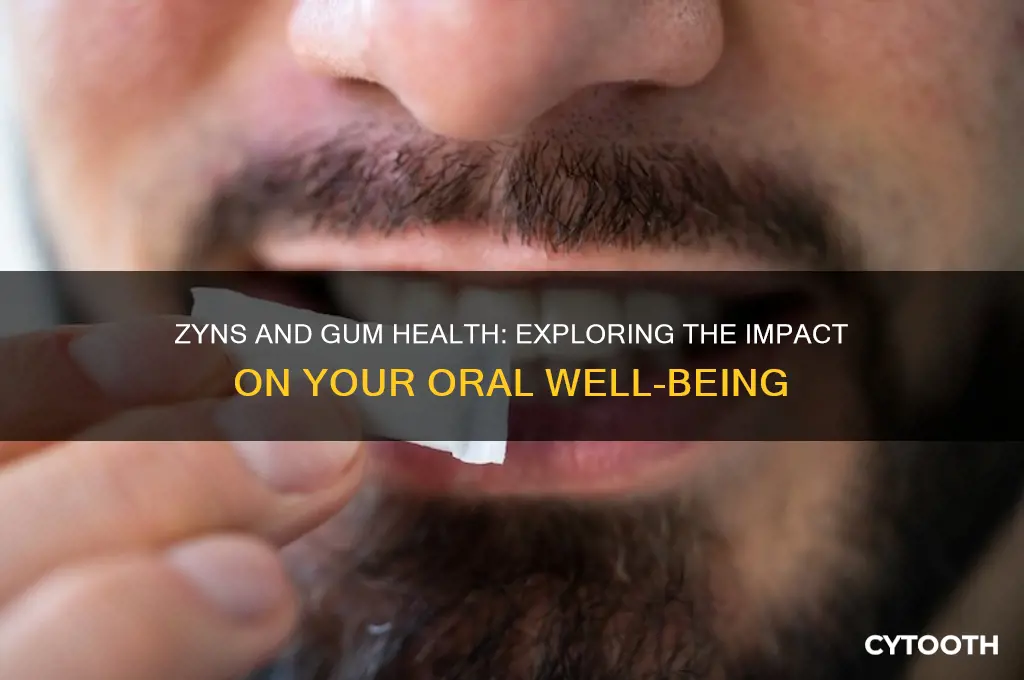
Zyns, also known as nicotine pouches, are a smokeless and tobacco-free alternative to traditional nicotine products, but their impact on oral health, particularly the gums, has raised concerns. While they eliminate the harmful effects of tobacco and smoke, the nicotine and other chemicals in Zyns can still affect the oral environment. Users have reported symptoms such as gum irritation, inflammation, and recession, potentially due to the prolonged placement of the pouches between the gum and lip. Additionally, nicotine itself is known to reduce blood flow to the gums, impairing their ability to heal and increasing the risk of periodontal issues. As research on Zyns is still emerging, it is advisable for users to monitor their gum health and consult dental professionals if they experience any adverse effects.
| Characteristics | Values |
|---|---|
| Impact on Gum Health | Limited direct evidence specifically linking Zyn use to gum disease, but nicotine in Zyn can contribute to gum recession and irritation. |
| Nicotine Content | Zyn contains nicotine, which is a vasoconstrictor, reducing blood flow to gums and potentially impairing healing. |
| pH Level | Zyn has a neutral pH, less acidic than traditional smokeless tobacco, potentially reducing risk of gum irritation compared to snus or chewing tobacco. |
| Sugar Content | Some Zyn flavors contain small amounts of sugar, which can contribute to plaque buildup and gum issues if oral hygiene is poor. |
| Moisture | Zyn is moist, which can increase contact time with gums, potentially leading to irritation with prolonged use. |
| Abrasiveness | Zyn is not abrasive like chewing tobacco, reducing mechanical irritation to gums. |
| Oral Hygiene Impact | Proper oral hygiene can mitigate potential gum issues, but consistent Zyn use may still pose risks. |
| Comparative Risk | Lower risk to gums compared to smoking or traditional smokeless tobacco, but not risk-free. |
| Long-Term Studies | Limited long-term studies specifically on Zyn and gum health; more research is needed. |
| User Reports | Some users report gum sensitivity or recession, but individual experiences vary. |
What You'll Learn

Zyn Ingredients and Gum Health
Zyn pouches, a popular tobacco-free nicotine product, contain a blend of ingredients that may raise concerns about their impact on gum health. The primary components include nicotine, plant fibers, flavorings, and food-grade fillers. While nicotine itself is a vasoconstrictor, potentially reducing blood flow to the gums, the absence of tobacco eliminates the tar and combustion byproducts that are known to cause significant oral damage. However, the way Zyn is used—placed between the gum and lip for extended periods—could lead to localized irritation or inflammation, depending on individual sensitivity and frequency of use.
Analyzing the ingredients, nicotine in Zyn is delivered in controlled doses, typically ranging from 3 to 6 mg per pouch. This is comparable to nicotine gum or patches but differs in application. Prolonged contact with the gums could theoretically cause tissue irritation, similar to how chewing tobacco affects oral mucosa. Flavorings, while generally recognized as safe for consumption, may contain sugars or sugar alcohols that could contribute to plaque buildup if oral hygiene is neglected. Users should monitor their gums for signs of redness, swelling, or recession, especially if using Zyn multiple times daily.
From a practical standpoint, minimizing gum health risks while using Zyn involves strategic habits. First, limit usage to the recommended 1–2 pouches per hour, avoiding continuous placement in the same spot. Rotate the position in your mouth to distribute contact and reduce localized stress on gum tissues. Second, maintain rigorous oral hygiene: brush twice daily, floss regularly, and rinse with an alcohol-free mouthwash to counteract dryness caused by nicotine. Hydration is also key, as nicotine can reduce saliva production, leaving gums more susceptible to irritation.
Comparatively, Zyn’s impact on gums is milder than traditional smokeless tobacco products, which contain carcinogens and abrasive particles. However, it is not risk-free. For instance, a study on nicotine pouch users found that 15% reported minor gum irritation after prolonged use, though symptoms resolved with reduced frequency or cessation. This highlights the importance of moderation and awareness. If you’re under 21, pregnant, or have pre-existing gum conditions like gingivitis, consult a dentist before using Zyn, as your gums may be more vulnerable to irritation.
In conclusion, while Zyn’s ingredients are less harmful than tobacco, their interaction with gum health warrants attention. The key lies in mindful usage and proactive oral care. By understanding the potential risks and adopting preventive measures, users can enjoy Zyn while safeguarding their gums. Remember, any persistent discomfort or changes in gum health should prompt a dental evaluation to rule out complications.
Receding Gums: Understanding the Pain and Discomfort They Cause
You may want to see also
Nicotine Impact on Gums
Nicotine, a key component in many tobacco products and vaping devices like Zyns, has a profound impact on oral health, particularly the gums. Research indicates that nicotine constricts blood vessels, reducing blood flow to the gum tissues. This diminished circulation deprives gums of essential nutrients and oxygen, impairing their ability to heal and fight infection. For individuals using nicotine pouches or similar products, this effect can exacerbate gum inflammation, leading to conditions like gingivitis or periodontitis over time.
Consider the mechanism at play: nicotine acts as a vasoconstrictor, narrowing blood vessels and limiting the delivery of immune cells to the gums. This creates an environment where bacteria thrive, increasing the risk of gum disease. Studies show that even low to moderate nicotine exposure—such as from 2–4 nicotine pouches daily—can contribute to gum recession and sensitivity. For heavy users, the risk escalates, as prolonged nicotine exposure weakens the gum tissue’s structural integrity, making it more susceptible to damage.
To mitigate these effects, practical steps can be taken. First, limit nicotine intake by reducing the frequency of pouch use or opting for lower-nicotine products. For example, switching from 6mg pouches to 3mg versions can lessen vascular constriction. Second, maintain rigorous oral hygiene: brush twice daily with a soft-bristled toothbrush, floss regularly, and use an antimicrobial mouthwash to combat bacterial buildup. Lastly, schedule regular dental check-ups to monitor gum health and address early signs of disease.
Comparatively, nicotine’s impact on gums is not limited to pouches; it’s a concern across all nicotine delivery systems. Traditional smoking, vaping, and even nicotine gum can produce similar vascular effects. However, the direct placement of nicotine pouches against the gums may intensify localized damage. Unlike smoking, which exposes the entire oral cavity to toxins, pouches concentrate nicotine in one area, potentially accelerating gum deterioration. This distinction highlights the need for targeted prevention strategies for pouch users.
In conclusion, nicotine’s vasoconstrictive properties pose a significant threat to gum health, particularly for frequent users of products like Zyns. By understanding the mechanism, taking proactive steps, and comparing risks across nicotine sources, individuals can better protect their gums. Awareness and action are key to preserving oral health in the face of nicotine’s pervasive effects.
Do Gum Grafts Look Natural? A Comprehensive Guide to Results
You may want to see also
Moisture Loss and Gum Irritation
Dry mouth, or xerostomia, is a common side effect of nicotine pouch use, including Zyns. Saliva production decreases when nicotine constricts blood vessels in the salivary glands. This reduction in moisture creates an environment where gums become more susceptible to irritation. Without adequate saliva to neutralize acids and wash away debris, the delicate gum tissue can become inflamed, leading to redness, soreness, and even bleeding.
Imagine your gums as a garden. Saliva is the rain that keeps the soil moist and healthy. When the rain stops, the soil dries out, cracks, and becomes vulnerable to weeds and pests. Similarly, dry gums are more prone to irritation and potential damage.
The degree of moisture loss and subsequent gum irritation varies depending on several factors. Frequency of use plays a significant role; individuals who use Zyns multiple times a day are more likely to experience dryness than occasional users. The nicotine strength of the pouches also matters. Higher nicotine content can lead to more pronounced vasoconstriction and, consequently, drier mouth.
Additionally, individual susceptibility varies. Some people naturally produce less saliva, making them more prone to dry mouth even without nicotine use.
Mitigating moisture loss and gum irritation requires a multi-pronged approach. Firstly, hydration is key. Drinking plenty of water throughout the day helps replenish lost fluids and stimulate saliva production. Aim for eight glasses of water daily, and consider carrying a water bottle to remind yourself to sip regularly. Secondly, choose lower nicotine strength pouches if possible. This reduces the vasoconstrictive effect and minimizes dryness. Finally, practice good oral hygiene. Brushing twice daily with a soft-bristled toothbrush and flossing regularly removes plaque and debris, reducing irritation. Using a fluoride mouthwash can also help strengthen tooth enamel and protect gums.
Consider incorporating sugar-free gum or lozenges to stimulate saliva production. Chewing sugar-free gum after using Zyns can help increase saliva flow and alleviate dryness.
While Zyns offer a smoke-free nicotine alternative, understanding and addressing moisture loss is crucial for maintaining healthy gums. By staying hydrated, choosing lower nicotine strengths, practicing good oral hygiene, and stimulating saliva production, users can minimize irritation and enjoy Zyns responsibly. Remember, if gum irritation persists or worsens, consulting a dentist is essential to rule out underlying oral health issues.
Gum Grafts: Understanding Their Necessity for Oral Health and Smile Aesthetics
You may want to see also
Oral Tissue Changes from Zyns
Zyn pouches, a popular nicotine alternative, deliver a smokeless, spitless experience, but their impact on oral tissues is a growing concern. The high nicotine content—typically 3 to 6 mg per pouch—coupled with prolonged contact between the pouch and gums, can lead to localized irritation. Users often report symptoms like gum recession, redness, and soreness, particularly when using multiple pouches daily or holding them in place for extended periods (e.g., 30–60 minutes per pouch). This mechanical pressure and chemical exposure create a perfect storm for tissue damage, especially in the area where the pouch rests.
Analyzing the mechanism, nicotine constricts blood vessels, reducing blood flow to the gums. Over time, this ischemia can impair tissue healing and exacerbate inflammation. Additionally, the pH of Zyn pouches, which is slightly alkaline, may disrupt the oral microbiome, favoring the growth of harmful bacteria. A study published in the *Journal of Periodontology* noted that frequent nicotine pouch users exhibited higher rates of gingival inflammation compared to non-users, with symptoms worsening in those using more than 5 pouches daily. This data underscores the dose-dependent nature of the risk.
To mitigate these effects, users should limit pouch use to no more than 3–4 per day and avoid holding them in the same spot for more than 20 minutes. Alternating placement between the left and right sides of the mouth can distribute pressure and reduce localized damage. For those experiencing persistent gum issues, switching to lower-nicotine options (e.g., 2 mg pouches) or taking a 24-hour break weekly can aid tissue recovery. Hydration is also key, as saliva helps neutralize pH imbalances and flush out irritants.
Comparatively, Zyn’s impact on gums is less severe than traditional smokeless tobacco, which contains additional carcinogens and irritants. However, the absence of tobacco does not equate to safety. Unlike tobacco users, Zyn users often underestimate the risks due to the product’s marketing as a "clean" alternative. This misconception can lead to overuse, particularly among younger adults (ages 18–30), who constitute the largest user demographic. Education on proper use and potential risks is critical to preventing long-term oral health issues.
Descriptively, the changes in oral tissue from Zyn use can manifest as white patches (leukoplakia), swollen gums, or even small ulcers at the pouch site. These symptoms often resolve with reduced use but may indicate deeper periodontal issues if ignored. Regular dental check-ups are essential for monitoring tissue health, especially for chronic users. Dentists may recommend topical treatments like chlorhexidine rinses to manage inflammation or advise against Zyn use altogether in severe cases. Awareness and proactive care are the best defenses against the silent toll Zyn can take on gums.
Are Red Gums Normal? Understanding Gum Health and When to Worry
You may want to see also
Long-Term Zyn Use and Gum Disease
Long-term Zyn use raises concerns about its impact on gum health, particularly due to the nicotine content and the way these pouches interact with oral tissues. Nicotine is a vasoconstrictor, meaning it narrows blood vessels, reducing blood flow to the gums. Over time, this diminished circulation can impair the gums’ ability to heal and fight infection, increasing the risk of gum disease. Unlike traditional tobacco products, Zyn pouches are placed between the gum and lip, creating prolonged contact with sensitive oral tissues. This extended exposure may exacerbate irritation and inflammation, especially in users who consume multiple pouches daily or leave them in place for extended periods.
Consider the dosage and frequency of Zyn use as critical factors in assessing risk. A typical Zyn pouch contains 3 to 6 mg of nicotine, and users often consume 6 to 10 pouches per day. At this rate, the cumulative effect of nicotine exposure can be significant. For instance, a user consuming 10 pouches daily ingests 30 to 60 mg of nicotine, far exceeding the 20 mg threshold often associated with adverse cardiovascular effects. While these effects are systemic, the localized impact on gums—reduced blood flow, increased inflammation, and potential tissue damage—cannot be overlooked. Users over 40 or those with pre-existing oral health issues may be particularly vulnerable, as aging and conditions like diabetes already compromise gum health.
To mitigate risks, practical steps can be taken. First, limit Zyn use to no more than 4 pouches daily, and avoid leaving a pouch in place for longer than 30 minutes. After removing a pouch, rinse your mouth with water to clear residual nicotine and reduce irritation. Incorporate a fluoride mouthwash into your oral care routine to strengthen enamel and protect gums. Regular dental check-ups are essential, especially for long-term users, as early detection of gum inflammation or recession can prevent progression to periodontitis. Finally, consider alternating Zyn use with nicotine-free oral products or exploring nicotine replacement therapies with less oral contact, such as patches or gum.
Comparing Zyn to traditional smokeless tobacco highlights both similarities and differences in gum health risks. While Zyn lacks the tar and combustion byproducts of cigarettes, its nicotine delivery method still poses unique challenges. Traditional snus, for example, is often moist and contains sugar, which can contribute to tooth decay. Zyn, being dry and sugar-free, avoids this issue but concentrates nicotine exposure in a smaller area. Studies on snus users have shown a higher prevalence of gum recession and mucosal lesions, suggesting Zyn users may face similar risks despite the product’s "cleaner" reputation. The key takeaway is that nicotine, regardless of delivery method, remains a significant risk factor for gum disease.
Ultimately, long-term Zyn use demands a proactive approach to oral health. While it may be marketed as a less harmful alternative to smoking, its impact on gums should not be underestimated. By understanding the mechanisms of risk—nicotine-induced vasoconstriction, prolonged tissue contact, and cumulative dosage—users can make informed decisions to protect their oral health. Combining moderation, proper oral hygiene, and regular dental monitoring can help minimize the potential for gum disease, ensuring that Zyn use does not come at the expense of a healthy smile.
Are Receding Gums Hereditary? Uncovering the Genetic Link to Gum Health
You may want to see also
Frequently asked questions
Zyns, like other nicotine pouches, can potentially irritate the gums if used excessively or improperly. Prolonged contact with the gums or improper placement may cause discomfort, inflammation, or gum recession over time.
While Zyns do not contain tobacco, the nicotine and other ingredients can still irritate the gums. Chronic irritation may contribute to gum issues, but there is no direct evidence linking Zyns to gum disease. Proper use and moderation are key to minimizing risks.
To protect your gums, use Zyns as directed, avoid placing them directly on the gum line, and limit usage time. Maintain good oral hygiene by brushing and flossing regularly, and stay hydrated to reduce dryness in the mouth. If irritation occurs, take a break or consult a dentist.