Samantha Blake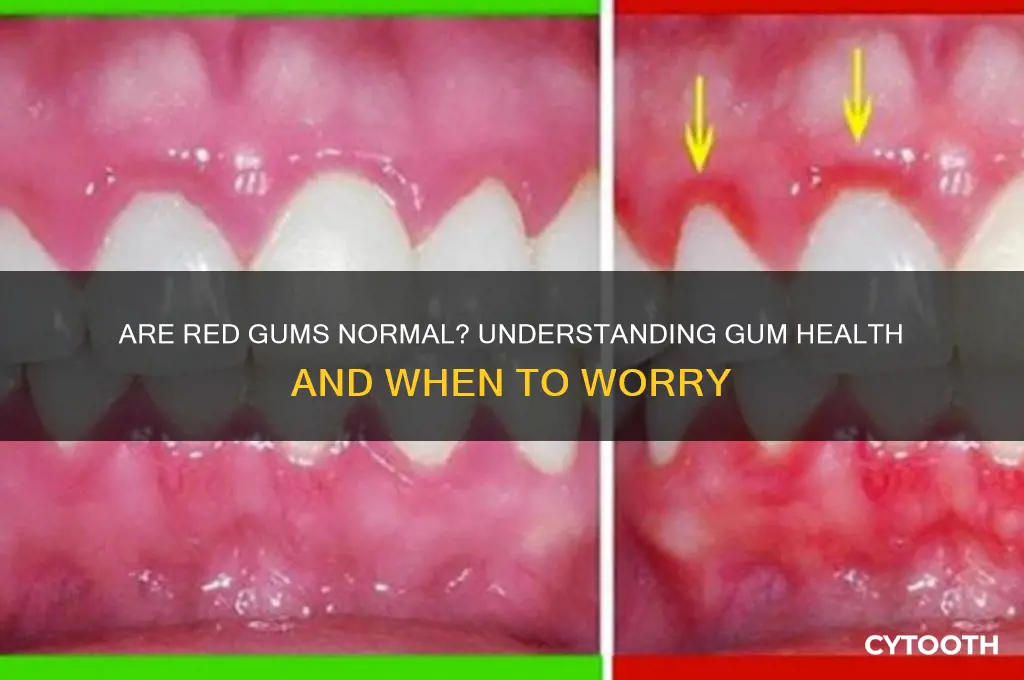
Red gums can be a cause for concern, as they often indicate an underlying issue rather than being a normal condition. Healthy gums typically appear pink and firm, so redness may signal inflammation or infection, commonly associated with gingivitis, an early stage of gum disease. This condition is usually caused by poor oral hygiene, allowing plaque to build up along the gum line. Other potential causes of red gums include hormonal changes, certain medications, or even aggressive brushing. While occasional redness might not be alarming, persistent or severe cases should prompt a visit to a dentist to prevent more serious oral health problems.
| Characteristics | Values |
|---|---|
| Normal Gum Color | Light pink to coral pink |
| Red Gums Causes | Gingivitis, Periodontitis, Poor Oral Hygiene, Smoking, Hormonal Changes, Certain Medications, Nutritional Deficiencies, Allergic Reactions, Oral Infections, Trauma |
| Symptoms Associated with Red Gums | Swelling, Bleeding, Tenderness, Bad Breath, Receding Gums, Loose Teeth (in advanced cases) |
| Prevention | Regular Brushing and Flossing, Routine Dental Check-ups, Healthy Diet, Avoiding Tobacco, Managing Stress |
| Treatment | Professional Dental Cleaning, Antibacterial Mouthwash, Antibiotics (if infection), Lifestyle Changes, Surgical Intervention (severe cases) |
| When to See a Dentist | Persistent Redness, Bleeding Gums, Pain, Bad Breath, Loose Teeth |
| Normal vs. Abnormal | Temporary redness after brushing is normal; persistent redness indicates an underlying issue |
What You'll Learn
- Red Gums Causes: Possible reasons for redness, including inflammation, infection, or gingivitis
- Red Gums vs. Healthy Gums: Comparing normal gum color to signs of potential issues
- When Red Gums Are Abnormal: Identifying symptoms that require dental or medical attention?
- Red Gums and Oral Hygiene: How brushing, flossing, and care impact gum health
- Red Gums Treatment Options: Remedies, professional treatments, and preventive measures for red gums

Red Gums Causes: Possible reasons for redness, including inflammation, infection, or gingivitis
Red gums are often a sign that something is amiss in your oral health. While healthy gums should appear pink and firm, redness can indicate underlying issues such as inflammation, infection, or gingivitis. Understanding the root cause is crucial for addressing the problem effectively and preventing further complications.
Inflammation is a common culprit behind red gums. It occurs when the body’s immune system responds to irritants like plaque or food particles trapped between teeth. Poor oral hygiene exacerbates this, as bacteria thrive in neglected areas, triggering an inflammatory response. For instance, failing to floss daily allows plaque to harden into tartar, which irritates gum tissue and causes redness. To combat this, adopt a rigorous oral care routine: brush twice daily with fluoride toothpaste, floss nightly, and use an antimicrobial mouthwash. Regular dental check-ups every six months are essential for removing tartar buildup that brushing alone cannot address.
Infections, particularly those caused by bacteria or fungi, can also lead to red gums. Periodontal abscesses, for example, are localized infections that cause swelling, redness, and pain. These often result from untreated gum disease or deep pockets between teeth and gums. Fungal infections like oral thrush, more common in infants, the elderly, or immunocompromised individuals, manifest as red, inflamed patches in the mouth. Treatment varies: bacterial infections may require antibiotics (e.g., amoxicillin 500 mg, three times daily for 7–10 days), while antifungal medications (e.g., clotrimazole troches) are prescribed for thrush. Maintaining good oral hygiene and addressing risk factors, such as diabetes or smoking, are critical to preventing recurrent infections.
Gingivitis, the earliest stage of gum disease, is another frequent cause of red gums. It develops when plaque accumulates along the gumline, leading to irritation and inflammation. Symptoms include redness, swelling, and bleeding during brushing or flossing. The good news is that gingivitis is reversible with prompt action. Start by improving oral hygiene practices, including using a soft-bristled toothbrush to avoid further irritation. Incorporate interdental cleaners like water flossers or dental picks to remove plaque from hard-to-reach areas. For added protection, consider rinsing with a hydrogen peroxide-based mouthwash (1.5% solution) to reduce bacteria. If symptoms persist after two weeks of diligent care, consult a dentist, as untreated gingivitis can progress to periodontitis, a more severe condition requiring extensive treatment.
In summary, red gums are not normal and should prompt immediate attention. Whether due to inflammation, infection, or gingivitis, early intervention is key to restoring oral health. By maintaining consistent oral hygiene, seeking professional care, and addressing risk factors, you can prevent redness from escalating into more serious issues. Remember, healthy gums are the foundation of a healthy smile.
Are Receding Gums Hereditary? Uncovering the Genetic Link to Gum Health
You may want to see also
Red Gums vs. Healthy Gums: Comparing normal gum color to signs of potential issues
Healthy gums typically present as a pale pink shade, firm in texture, and snugly fitted around each tooth. This baseline is crucial for oral health, as deviations in color or appearance can signal underlying issues. Red gums, for instance, often indicate inflammation, which may stem from poor oral hygiene, gum disease, or even systemic conditions like diabetes. While occasional redness after aggressive brushing can be benign, persistent discoloration warrants attention. Recognizing the difference between transient irritation and chronic inflammation is key to maintaining optimal gum health.
To assess whether red gums are a cause for concern, consider the accompanying symptoms. Healthy gums rarely bleed during brushing or flossing, whereas inflamed gums often do. Swelling, tenderness, and receding gum lines are additional red flags. For adults over 30, these signs could point to gingivitis or periodontitis, conditions exacerbated by plaque buildup and bacterial infection. Children and adolescents may experience temporary redness during orthodontic adjustments or hormonal changes, but prolonged symptoms should prompt a dental consultation.
Prevention and early intervention are paramount in managing gum health. Brushing twice daily with a soft-bristled toothbrush and fluoride toothpaste, coupled with daily flossing, can mitigate plaque accumulation. For those with persistent redness, incorporating an antimicrobial mouthwash or increasing vitamin C intake (through foods like oranges or supplements of 500–1000 mg daily) may reduce inflammation. However, self-care measures should not replace professional care; biannual dental check-ups are essential for monitoring gum health and addressing issues before they escalate.
Comparing red gums to healthy gums highlights the importance of vigilance in oral care. While minor redness may resolve with improved hygiene, chronic inflammation demands a targeted approach. For smokers, quitting is non-negotiable, as tobacco use significantly impairs gum health and complicates treatment. Similarly, individuals with systemic conditions like diabetes must manage blood sugar levels diligently, as elevated glucose exacerbates gum disease. By understanding these distinctions, individuals can take proactive steps to preserve their oral and overall well-being.
Are Gum Grafts Painful? What to Expect During Recovery
You may want to see also
When Red Gums Are Abnormal: Identifying symptoms that require dental or medical attention
Red gums, while occasionally a temporary response to irritation, can signal underlying issues demanding immediate attention. Persistent redness, especially when accompanied by swelling, bleeding, or pain, often indicates gingivitis—the earliest stage of gum disease. Left untreated, this inflammation can progress to periodontitis, a severe condition causing irreversible damage to the gums and bone supporting your teeth. Recognizing these signs early is crucial, as prompt intervention can prevent complications and preserve oral health.
Beyond gum disease, red gums may point to systemic health problems. Conditions like leukemia, a blood cancer, can manifest as gum abnormalities due to compromised immune function and abnormal blood cell production. Certain vitamin deficiencies, particularly vitamin C (scurvy), also cause gum redness, bleeding, and weakness. Even medications, such as phenytoin (an anti-seizure drug) or nifedipine (a blood pressure medication), can lead to gingival enlargement, where gums become swollen and red. If redness persists despite good oral hygiene, consult a healthcare provider to rule out these underlying causes.
Children and adolescents may exhibit red gums during orthodontic treatment or due to hormonal changes, but persistent redness warrants evaluation. In adults, red gums paired with symptoms like fever, fatigue, or unexplained weight loss could indicate infections (e.g., HIV/AIDS) or autoimmune disorders (e.g., lupus). Smokers and individuals with diabetes are at higher risk for gum issues, as smoking impairs blood flow and diabetes weakens resistance to infection. Regular dental check-ups are essential for these groups to monitor gum health and address concerns early.
To differentiate normal irritation from abnormal redness, observe additional symptoms. Healthy gums are firm, pale pink, and do not bleed during brushing or flossing. If redness is localized (e.g., near a sharp tooth edge), it may resolve with improved oral care. However, generalized redness, especially with pus, bad breath, or loose teeth, requires professional assessment. Dentists may recommend deep cleaning (scaling and root planing), antibiotics, or lifestyle changes (quitting smoking, managing diabetes) to address the root cause.
In summary, while occasional gum redness can result from minor irritants, persistent or severe symptoms demand attention. Monitor for accompanying signs like bleeding, swelling, or systemic issues, and seek dental or medical care promptly. Early intervention not only safeguards oral health but may also uncover hidden systemic conditions, emphasizing the gums as a window to overall well-being.
Are Healthy Gums Pink? Uncovering the Truth About Gum Color
You may want to see also
Red Gums and Oral Hygiene: How brushing, flossing, and care impact gum health
Red gums are often a sign of inflammation, typically caused by poor oral hygiene or underlying health issues. While occasional redness might be temporary, persistent red gums can indicate gingivitis, the early stage of gum disease. Brushing twice daily with a soft-bristled toothbrush and fluoride toothpaste is the cornerstone of preventing this condition. Aim for at least two minutes per session, ensuring you clean all surfaces of the teeth and along the gumline. Electric toothbrushes can be particularly effective, as they provide consistent pressure and movement, reducing the risk of over-brushing or missing spots.
Flossing is equally critical, as it removes plaque and food particles from between teeth where a toothbrush can’t reach. Incorporate flossing into your daily routine, using about 18 inches of floss to maintain tension and control. For those who find traditional floss cumbersome, interdental brushes or water flossers are viable alternatives. Studies show that consistent flossing reduces gum inflammation by up to 38%, making it a non-negotiable step in maintaining gum health. Pairing these habits with an antibacterial mouthwash can further reduce plaque and gingivitis, especially if recommended by a dentist.
Beyond brushing and flossing, lifestyle factors play a significant role in gum health. Smoking, for instance, impairs blood flow to the gums, making them more susceptible to infection and slower to heal. Similarly, a diet high in sugar and carbohydrates fuels bacterial growth, increasing the risk of gum disease. Incorporating foods rich in vitamin C, such as oranges and strawberries, can strengthen gum tissue, while crunchy fruits and vegetables like apples and carrots help naturally clean teeth. Staying hydrated also aids in saliva production, which neutralizes acids and protects gums.
Regular dental check-ups are essential for monitoring gum health and catching issues early. Dentists can perform deep cleanings to remove tartar buildup, which brushing alone cannot address. For individuals with persistent red gums, a dentist might recommend a periodontal evaluation to assess the extent of gum disease. Early intervention, such as scaling and root planing, can prevent progression to periodontitis, a more severe condition that can lead to tooth loss. Adolescents and adults alike should aim for biannual dental visits, adjusting frequency based on individual risk factors.
Finally, stress management and adequate sleep are often overlooked but crucial components of oral health. Chronic stress weakens the immune system, making it harder for the body to fight off gum infections. Similarly, poor sleep has been linked to increased inflammation and a higher risk of periodontal disease. Practices like mindfulness, regular exercise, and maintaining a consistent sleep schedule can indirectly support gum health by improving overall well-being. By combining diligent oral care with healthy lifestyle choices, red gums can often be prevented or resolved, ensuring a healthier smile.
Can Gum Infections Spread? Understanding Contagious Risks and Prevention
You may want to see also
Red Gums Treatment Options: Remedies, professional treatments, and preventive measures for red gums
Red gums, while not always a cause for alarm, often signal underlying issues like gingivitis, infection, or poor oral hygiene. Addressing them promptly prevents progression to more serious conditions such as periodontitis or tooth loss. Treatment options range from home remedies to professional interventions, with prevention playing a critical role in long-term oral health.
Home Remedies: Simple, Accessible Solutions
Saltwater rinses, a time-tested remedy, reduce inflammation and kill bacteria. Mix ½ teaspoon of salt in 8 ounces of warm water, gargle for 30 seconds, and repeat twice daily. For those aged 12 and older, oil pulling with coconut or sesame oil for 10–15 minutes daily can reduce plaque and soothe gums. Herbal remedies like aloe vera gel or tea tree oil (diluted 1:9 with water) applied topically offer anti-inflammatory benefits, but avoid swallowing tea tree oil. Always consult a dentist before starting new remedies, especially if pregnant or on medication.
Professional Treatments: When Home Care Isn’t Enough
Persistent redness or bleeding gums warrant a dental visit. Scaling and root planing, a deep-cleaning procedure, removes plaque and tartar below the gumline, often requiring local anesthesia. Antibacterial mouth rinses prescribed by dentists, such as chlorhexidine (0.12% solution, twice daily for 30 seconds), target infection but should not exceed two weeks due to staining risks. In severe cases, laser therapy or surgical interventions like gum grafting may be necessary to restore tissue health.
Preventive Measures: Proactive Steps for Lasting Health
Brushing twice daily with a soft-bristled toothbrush and fluoride toothpaste is non-negotiable. Floss daily to remove debris between teeth, and consider a water flosser for added efficacy. Replace toothbrushes every 3–4 months or sooner if bristles fray. Dietary choices matter too—limit sugary snacks and acidic beverages, and increase intake of vitamin C-rich foods (e.g., oranges, bell peppers) to strengthen gum tissue. Regular dental check-ups every six months catch issues early, ensuring red gums don’t become a recurring problem.
Comparative Analysis: Balancing Remedies and Professional Care
While home remedies offer convenience and affordability, they are best for mild cases or as adjuncts to professional care. For instance, saltwater rinses complement but do not replace scaling and root planing in moderate gingivitis. Professional treatments, though more costly and invasive, address root causes effectively. Prevention remains the most cost-effective strategy, reducing the need for interventions altogether. Tailoring the approach to the severity of the condition ensures optimal outcomes.
Practical Tips for Immediate Relief and Long-Term Care
For quick relief, apply a cold compress to reduce swelling or use over-the-counter numbing gels containing benzocaine (follow age-specific guidelines—not for children under 2). Avoid tobacco, as it exacerbates gum issues, and limit alcohol, which dries oral tissues. Stay hydrated to maintain saliva production, the mouth’s natural defense against bacteria. By combining targeted remedies, professional care, and preventive habits, red gums can be managed effectively, restoring both oral health and confidence.
Are Purple Gums Normal? Understanding Gum Color and Oral Health
You may want to see also
Frequently asked questions
Red gums are not normal; healthy gums should appear pink and firm. Redness often indicates inflammation or infection, such as gingivitis.
Yes, red gums are a common symptom of gum disease, particularly gingivitis, which is caused by plaque buildup and poor oral hygiene.
Mild redness after brushing or flossing can be normal if gums are sensitive, but persistent or severe redness may indicate irritation or gum issues.
Yes, red and swollen gums can be a sign of vitamin C deficiency (scurvy) or other nutritional deficiencies affecting oral health.
Yes, if your gums are red, swollen, or bleed easily, it’s important to see a dentist to rule out gum disease or other underlying issues.